

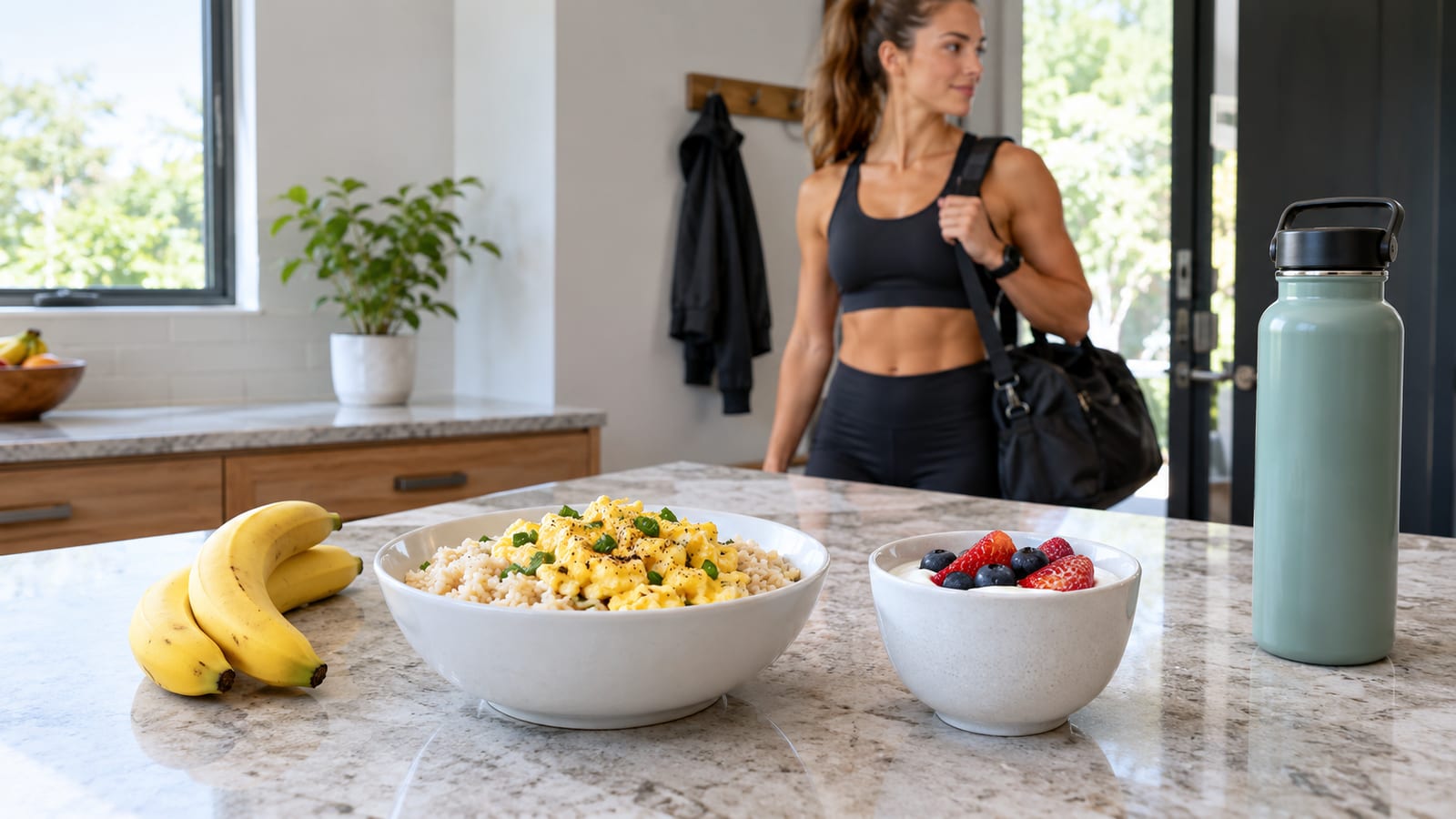
Most double days are won or lost in the gap between sessions. Here's how to fuel two workouts in one day: eat carbohydrates and protein soon after the first workout, and replace fluids and some salt if you sweated hard. Then keep the meal before session two small, familiar, and easy to digest. You don't need a fussy menu or a second full day of eating.
Plan around the harder session and the time between them. A short break means less food, and simpler food. A long break means a real meal. Everything below builds on those two points.
How Do You Fuel Two Workouts in One Day?
Follow these steps in order. The first two matter more than any timing trick.
- Mark the harder session. That workout gets priority for food, fluids, and rest.
- Eat normal, carb-rich meals all day. Timing only works when the total amount of food is already there.
- Fuel workout one with what fits the clock. A banana before sunrise is fine. A full breakfast works if you have hours to digest it.
- Refuel soon after workout one. Combine carbohydrates, protein, and fluids in one meal or snack.
- Rehydrate with some sodium if you sweated heavily. Heat, long sessions, and salty sweat all raise the need.
- Size your next meal to the gap. A short break calls for a light snack. A long break calls for a meal plus a snack.
- Pack it the night before. Most missed recovery meals come from an empty bag, not a lack of knowledge.
- Finish with a real dinner. Recovery from session two sets up tomorrow's training.
Start With the Harder Workout and the Gap Between Sessions
Decide which session matters most before you decide what to eat. Say you have an easy morning swim and hard evening intervals. In that case, lunch and the afternoon snack carry the load, because they fuel the work that counts.
Flip it around, and the plan changes. A long morning run followed by evening lifting means more carbohydrate before and right after the run. The lift still needs fuel. However, the run burned through more of it.
Next, look at the clock. A short break leaves room for a light snack and a lot of drinking. Most of a day leaves room for a normal lunch, an afternoon snack, and time to digest both. As a result, the same athlete can eat very differently on two double days in the same week.
Eat Enough Across the Whole Day First
Total food is the foundation of a good double day. Your muscles store carbohydrate as glycogen, and a hard first session drains a lot of it. Regular meals refill that store. A single snack can't.
The amounts can be bigger than people expect. Elite players who train hard and compete often need an estimated 6 to 10 grams of carbohydrate per kilogram of body weight each day. That's far more than most people eat on a normal day.
This is where many athletes go wrong. They skip breakfast, eat a small lunch, then expect a gel to rescue the second workout. It won't. The second session feels heavy and flat, and no pre-workout trick fixes a day of eating too little.
So start with the basics. Eat three real meals and at least one or two snacks, and include a starch at each one. Once that's steady, fine-tune the timing.
Fuel the First Workout Without a Complicated Breakfast
Match breakfast to how early you train and how your stomach behaves. If you're heading out the door at dawn, keep it small and simple. A banana and a slice of toast, or a drinkable yogurt, gives you quick fuel without a heavy stomach.
With a few hours before training, you can eat a fuller breakfast. Pick something you've eaten before a workout and know sits well:
- Oatmeal with milk and a banana
- A bagel with peanut butter and fruit
- Eggs on toast with a glass of juice
- Low-fiber cereal with milk and berries
If solid food won't stay down early, try juice, a small sports drink, or applesauce. On a double day, starting with nothing puts you behind before the second session even begins. For more easy options, see these fast-digesting foods before training.
Use the First Hour After Workout One to Refuel
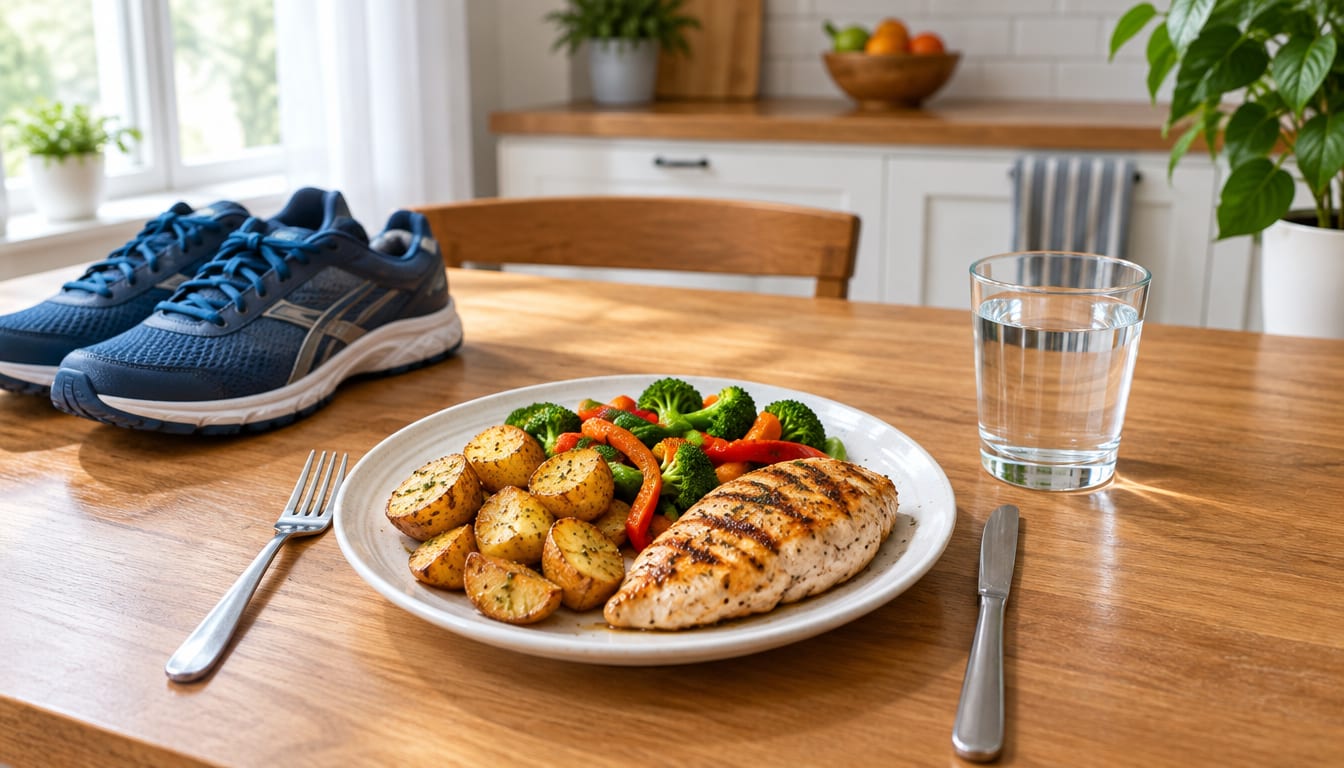
After session one, eat a mix of carbohydrates and protein, plus fluids. You don't need a special shake or a stopwatch. Still, the clock is short on a double day, so eating soon gives your body more time to recover.
Simple combinations that work:
- Chocolate milk and a bagel
- Greek yogurt with granola and a banana
- A turkey sandwich with fruit
- Rice with scrambled eggs
- Leftover pasta with chicken
Convenience stores count too. Milk, a banana, and a bag of pretzels make a fine recovery snack on a busy schedule.
The worst choice is skipping this meal to "save" calories for later. That habit trades a small saving now for a much worse second session. For more ideas on quick turnarounds, read about recovery meals for back-to-back games.
Match Carbohydrates to the Work Ahead
A light double day needs only normal meals. An easy jog and a short lift won't drain your stores. Your usual breakfast, lunch, and dinner, with a snack in between, will cover it.
Hard or long days are different. Endurance work, two-a-day field-sport practices, and tournaments call for deliberate high-carbohydrate eating.
Most recreational athletes won't need the elite amounts above. Still, a hard double day calls for more carbohydrate than usual. In practice, that looks like:
- Half your plate as rice, pasta, potatoes, or bread
- Fruit or juice with meals and snacks
- A starchy snack between meals, such as pretzels, cereal, or a bagel
- Lower-fiber choices as session two gets close, so you digest them faster
Fiber and fat aren't the enemy. They just slow digestion, which matters when the next workout is close.
Get Enough Protein, Then Stop Chasing Perfect Timing
Protein repairs muscle, and spreading it across the day works well. The International Society of Sports Nutrition position stand on protein and exercise puts the daily target at 1.4 to 2.0 grams per kilogram of body weight. That covers most exercising people. You can reach it with regular food.
Put a protein source in each meal and in the recovery snack. Ordinary options do the job:
- Eggs, milk, Greek yogurt, cottage cheese
- Chicken, turkey, tuna, lean beef
- Tofu, tempeh, lentils, beans, edamame
Powders are a convenience, not a requirement. They help if you can't get a meal soon after training. However, a protein shake on its own leaves your carbohydrate stores low. A shake plus a banana and a bagel is a recovery snack. A shake alone falls short.
Plant-based athletes can hit the same target with soy foods, lentils, and beans across the day. If you're mixing strength and endurance work, the hybrid athlete diet covers how to balance both demands.
Hydrate for the Session You Actually Did
Drink before and after each workout, and adjust to how much you sweated. A short lift in a cool gym needs much less replacement than a hot afternoon practice. Thirst and urine color are useful daily guides, and pale yellow is a good sign.
For hard or hot sessions, weigh yourself before and after. Any drop is mostly fluid you need to replace. Drink a bit more than you lost and spread it across the gap, because you'll keep losing some through urine. Sipping steadily works better than chugging a huge bottle right before session two.
Add sodium when the session was long or hot, or when you sweat salt. White streaks on your hat or shirt are a clue. Easy sources include:
- Salted pretzels or crackers
- Broth or soup
- Pickles
- A sports drink or electrolyte tablet in water
For short, normal sessions, water and your regular meals usually cover sodium. Save electrolyte drinks and tablets for the long, hot, or salty days.
Choose the Second Pre-Workout Meal by the Size of the Gap
The time before session two decides how much food your stomach can handle. Treat this table as a starting point, and note what sat well after each double day so you can adjust.
| Gap before workout two | What to eat | What to save for later |
|---|---|---|
| Short gap | Banana, applesauce, pretzels, toast with jam, a sports drink | Fried food, big salads, large protein portions |
| A few hours | Turkey sandwich, small rice bowl, bagel with peanut butter, yogurt with cereal | Spicy new dishes, heavy cream sauces, large servings of beans |
| Most of the day | A full meal, then a small carb snack closer to training | Unfamiliar foods you haven't tested in training |
The goal is to arrive with steady energy and a settled stomach. If you train after work, these pre-workout meals for evening workouts fit the longer-gap pattern well.
What Should You Eat Between Two Workouts?
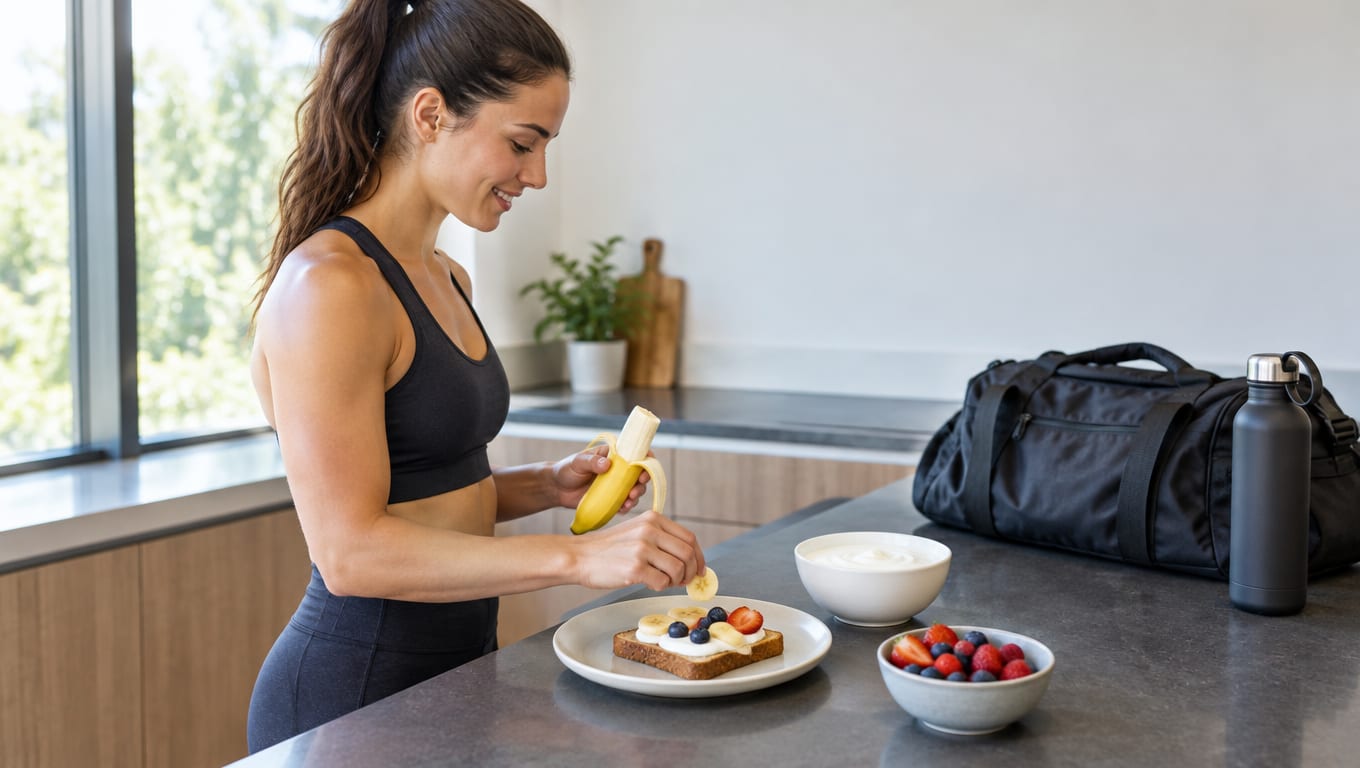
Pack combinations that cover carbohydrates, protein, fluids, and a little salt. Skip the specialty sports aisle. A loaf of bread, a jar of peanut butter, and a bunch of bananas do the same job for far less money.
Portable, budget-friendly options:
- Bagel with peanut butter, a banana, and a carton of chocolate milk
- Turkey or hummus wrap with pretzels and a water bottle
- Rice with eggs and soy sauce in a container
- Greek yogurt with low-fiber cereal and berries
- Tuna packet, crackers, and a juice box
- Peanut butter and jelly sandwich with string cheese
- Leftover pasta with chicken and tomato sauce
- Tofu and rice bowl with a pinch of salt
Meal prep makes this easy. Cook a pot of rice and a tray of chicken or tofu on Sunday, and several double days are covered. Keep anything with dairy, meat, or eggs in a cooler bag with an ice pack. A yogurt that sat in a warm locker all morning is not worth the risk before practice.
Adjust for Morning-Evening, Back-to-Back, and High-Intensity Days
Not every double day needs the same plan. The structure of your day decides where the food goes.
Morning and evening sessions
This is the easiest version to fuel. Eat a light snack before the morning workout and recover with a real breakfast. Then eat a normal lunch and have a snack a few hours before the evening session. Dinner afterward closes out the day.
Short turnarounds
With only a brief gap, recovery and pre-workout fuel become the same snack. Choose easy carbs with a little protein, such as chocolate milk and a banana or a jam sandwich with yogurt. Keep drinking, and save the big meal for after the second workout.
When the second session is the hard one
Protect it. Eat a normal breakfast, keep the first workout fueled, and treat lunch as your main pre-workout meal. This setup also fits preseason two-a-days, where the afternoon practice is usually the tougher one.
Double-Day Mistakes That Flatten the Second Session
The same few errors show up again and again. Each one is easy to fix once you spot it.
- Skipping recovery food. Waiting until dinner leaves session two running on empty.
- Eating too little carbohydrate. Low-carb habits clash with high training load, and the second workout pays for it.
- Relying on protein alone. Protein repairs muscle, but it won't refill the fuel you burned.
- Testing new foods on a double day. A new gel, spicy lunch, or giant salad can wreck your stomach for the second session.
- Ending up in an energy deficit. Two workouts burn a lot. If you eat like it's a rest day, you fall behind fast.
That last one adds up over weeks. Chronic under-fueling can lead to relative energy deficiency in sport, often shortened to RED-S. It affects hormones, bone health, mood, and performance.
Signs Your Fueling Isn't Keeping Up
Your body tells you when double days are costing more than you're eating. Watch for:
- Second sessions that feel flat again and again
- Heavy legs or slow recovery the next morning
- Low mood, irritability, or poor sleep
- Constant hunger, or no appetite at all
- Missed or irregular periods
- Frequent colds, nagging injuries, or stress fractures
- Weight dropping without trying
If you notice a few of these, eat more first, especially carbohydrates. If the signs continue, reduce your training load. Missed periods, stress fractures, and ongoing fatigue deserve a visit to a doctor or a registered sports dietitian.
Parents of young athletes should watch closely during preseason two-a-days. Teens are still growing. As a result, under-fueling hits them harder and faster than adults.
FAQ
Is caffeine useful before the second workout?
It can help, mostly for an evening session after an early start when you're dragging. Use an amount you already drink without jitters or stomach trouble. Keep it away from late afternoon if tomorrow starts early, since lost sleep slows recovery. Kids and teens should skip it.
Do teen athletes doing two-a-days need supplements?
Usually not. A teen who eats three meals, packs real snacks, and drinks milk and water is covered. Supplements aren't tightly regulated, and some contain ingredients that aren't on the label. That's a poor bet for a teen, so check with a doctor before adding anything, including pre-workout powders.
Can I eat fast food between sessions?
Yes, and on a road trip it's often the only option. With a long gap, a grilled chicken sandwich, a burrito, or a rice bowl with a drink makes a solid pre-workout meal. With a short gap, order something smaller, like a plain bagel or a small sub, and leave the fries and milkshake for after training.
Should I eat differently the day after a double day?
Eat normally, and don't cut back just because yesterday involved a lot of food. Your muscles are still refilling and repairing, so a full breakfast and carb-rich meals set up the next practice. Extra hunger the day after is normal, so feed it.