

What if the food you eat between competitions is the single biggest factor in your next performance?
You face a unique challenge when your schedule packs multiple matches into days or even hours. Your body is pushed to its limit. It needs specific nutrition strategies to bounce back fast and stay strong.
Many athletes struggle here. The clock is ticking from one event to the next. You have a narrow window to refuel, repair muscle, and restore your energy tanks.
Getting this wrong can lead to fatigue, a higher risk of injury, and a noticeable drop in your play. This isn’t just about feeling tired. It’s about your capability on the field or court.
This guide cuts through the confusion. I’ll give you practical, science-backed nutrition strategies designed for these intense stretches. You’ll learn exactly what your system requires and how to time your eating for the best results.
The advice applies whether you’re playing two games in one day, on consecutive days, or in a weekend tournament. Let’s build a plan that supports your body and fuels your success.
Understanding Recovery Nutrition and Its Benefits
Think of post-game nutrition as the essential repair protocol for your system. It targets three main goals: fixing muscle tissue, refilling energy stores, and prepping your body for the next challenge.
Getting this right means you’ll feel stronger and more energized when you step up again.
Key Nutrients for Muscle Repair
Protein provides the amino acids your muscles need to rebuild. After intense activity, aim for 20-25 grams to stop breakdown and start repair.
Carbohydrates are just as critical. They restock glycogen, your primary fuel source. Without them, you’ll hit a wall.
Combining these nutrients is powerful. It creates a better hormonal balance, reducing cortisol and aiding energy storage.
| Nutrient | Primary Role | Top Food Sources |
|---|---|---|
| Protein | Rebuilds muscle tissue | Chicken, Greek yogurt, eggs |
| Carbohydrates | Replenishes glycogen stores | Oatmeal, rice, bananas, sweet potatoes |
| Antioxidants | Fights exercise-induced inflammation | Berries, spinach, bell peppers |
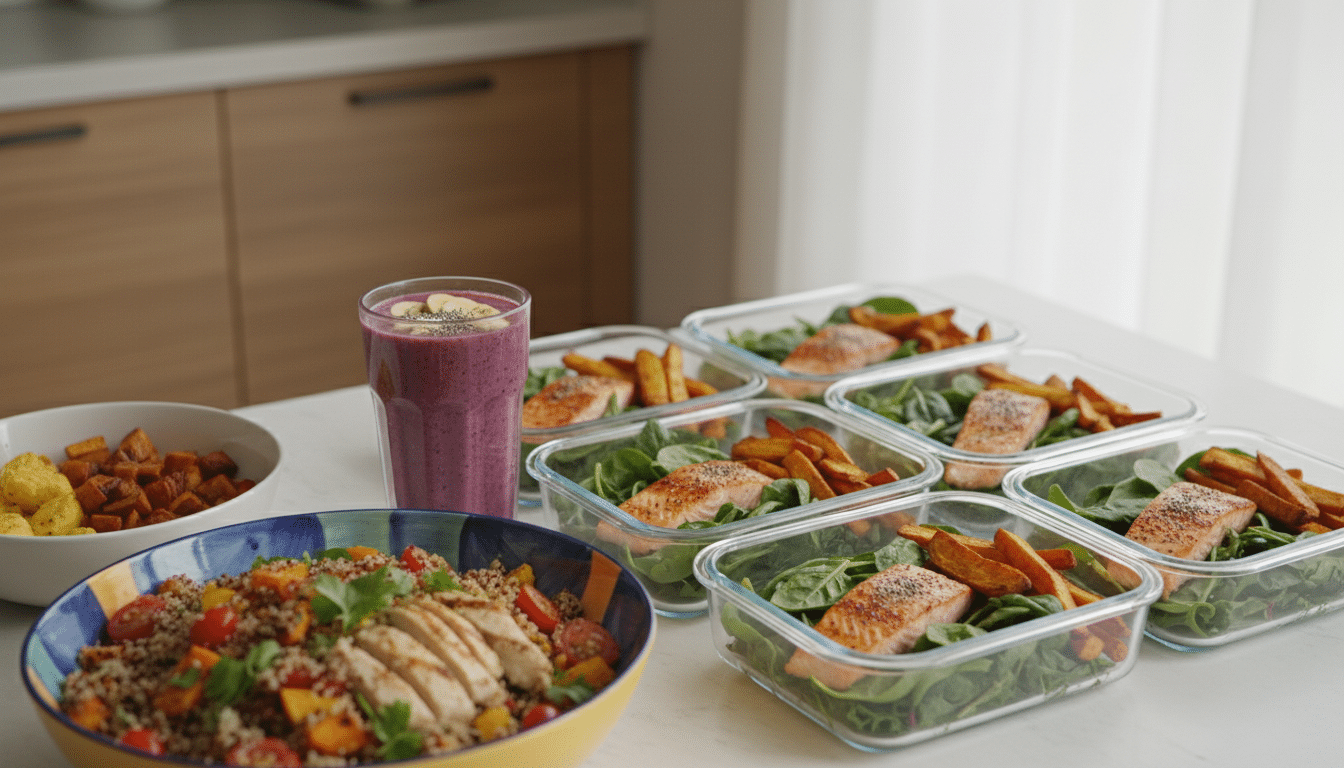
| Omega-3 Fatty Acids | Reduces muscle soreness | Salmon, walnuts, chia seeds |
The Importance of Hydration and Electrolytes
Fluids and minerals matter as much as food. Sweating drains sodium and potassium.
Replacing these electrolytes prevents cramping and keeps your nerves and muscles firing correctly. Don’t just drink water—consider a sports drink or salty snack after heavy sweating.

Antioxidants and omega-3s also play a role. They help manage the inflammation that comes with hard exercise.
Immediate Post-Match Recovery Strategies
Your nutritional strategy in the moments after playing sets the stage for your next performance. The first 30 minutes are your most critical window.
Your body is primed to absorb nutrients and begin the repair process efficiently. This is the time to act.
Crafting an Effective Recovery Shake
A shake is the fastest way to get what you need when you’re tired. Aim for 40-60 grams of carbs and 20-25 grams of protein.
This ratio refills glycogen stores and supplies building blocks for muscle repair. Chocolate milk is a perfect ready-made drink.
It has the right balance, plus calcium and electrolytes. You can also blend protein powder with fruit and milk.
Incorporating Carbs and Protein Quickly
Hydration matters just as much. Weigh yourself before and after. Drink 16-24 ounces of water or sports drink for every pound lost.
Female athletes should get their protein within 30 minutes. Hormonal shifts can speed up muscle breakdown if you wait.
Not a shake person? Try a banana with peanut butter or Greek yogurt with granola. A turkey sandwich on white bread can also fuel your recovery after just as well.
Essential Recovery Meals for Back to Back Games
The real work of rebuilding your body begins with the solid food you eat after your initial post-game shake. Aim for a complete meal within two hours.
Balancing Plate Proportions for Recovery
Use a simple plate formula. Fill half with carbohydrates like rice, pasta, or bread. These foods replenish your primary energy stores.
One quarter should be colorful vegetables or fruit. The final quarter is for your protein, such as chicken or omega-3-rich fish.
Eat like this every three hours. Get 20-30 grams of protein each time. This steady supply supports muscle repair all day.
A burrito bowl is a perfect example. It combines rice, beans, chicken, and vegetables in one dish. You get all the nutrients your body needs.
Smart Snack Options to Maintain Energy
Time between events can be short. Have quick options ready. A peanut butter and jelly sandwich works well.
So does Greek yogurt with granola or a turkey wrap. Homemade energy balls with nuts and dates are great for travel.
These snacks prevent energy crashes before your next match. They provide the fuel your system demands.
Timing and Planning Nutrition for Multiple Games
When you have multiple matches, timing your nutrition becomes a strategic puzzle. Your game schedule dictates your entire fueling plan for the day.
Morning events give you more chances to eat full meals. Evening competitions require smarter pre-game planning.
Scheduling Meals Around Game Times
Your body needs a steady supply of fuel. Aim to eat something substantial every three hours on a game day.
This keeps your energy high and blood sugar stable. It prevents that depleted feeling before your next session.
If you have less than two hours between events, focus on quick carbs. Add moderate protein for your muscles.
| Game Schedule | Key Challenge | Primary Fueling Strategy | Top Food Picks |
|---|---|---|---|
| Morning Match | Multiple meals needed throughout the day | Full meal after game, snacks every 3 hours | Chicken rice bowl, yogurt with fruit |
| Evening Match | Limited time for pre-game fueling | Large lunch, light snack 2 hours before | Turkey sandwich, oatmeal with banana |
| Back-to-Back Sessions | Rapid refueling between events | Portable, easy-to-digest carbs & protein | Peanut butter sandwich, granola bar |
Choosing Portable, Quick Recovery Foods
You need food that travels well. Pick options that won’t upset your stomach during activity.
A banana with peanut butter is a classic choice. It provides quick carbs and protein to replenish glycogen stores.
Other great picks include trail mix, apple slices with cheese, and homemade energy balls. Stock your bag with these non-perishable items before your busy week.
Smart planning ensures you always have the right fuel. This supports your performance and helps your body repair itself faster.
Conclusion
Fueling correctly between events is a non-negotiable part of maintaining peak capacity. Your body sends clear signals when nutrition falls short.
Nausea, heavy legs, cramping, or complete energy depletion mean you didn’t eat enough. Add more fuel throughout the day and ensure adequate drinking.
Prioritize protein every three hours. Aim for 20-30 grams per meal to support continuous muscle repair. This prevents breakdown between games.
Hydration with water and electrolytes is critical. It stops cramping, reduces mental fog, and fights early fatigue.
Avoid alcohol between competitions. It destroys sleep quality—the time when most muscle repair and glycogen restoration happens.
Skip fried and processed foods. They increase inflammation and work against your goals. Focus on whole foods like lean proteins, complex carbohydrates, and colorful fruit.
Athletes who execute this plan gain a real advantage. They maintain energy, reduce injury risk, and perform closer to their best in every match.