


What if the secret to your child’s athletic success wasn’t in expensive supplements, but in your kitchen?
Supporting a growing competitor starts with one key idea. Performance nutrition isn’t about exotic plans. It’s about eating the right balance of quality foods for the right activity.
Food is fuel. Proper eating supports energy, focus, growth, and rebuilding after exertion. It helps mood and well-being too.
Youth sports place increased physical demands on developing bodies. As activity levels rise, so do needs for fuel and repair.
The foundation is the same balanced, wholesome eating that benefits your whole family. You just make smart timing adjustments around practices and games.
You don’t need perfection. You need to know when your child should eat and what types of foods to focus on. This supports steady power throughout their day.
Understanding Nutrition for Young Athletes
Nutrition for active kids isn’t about complicated rules. It’s about understanding three key nutrients.
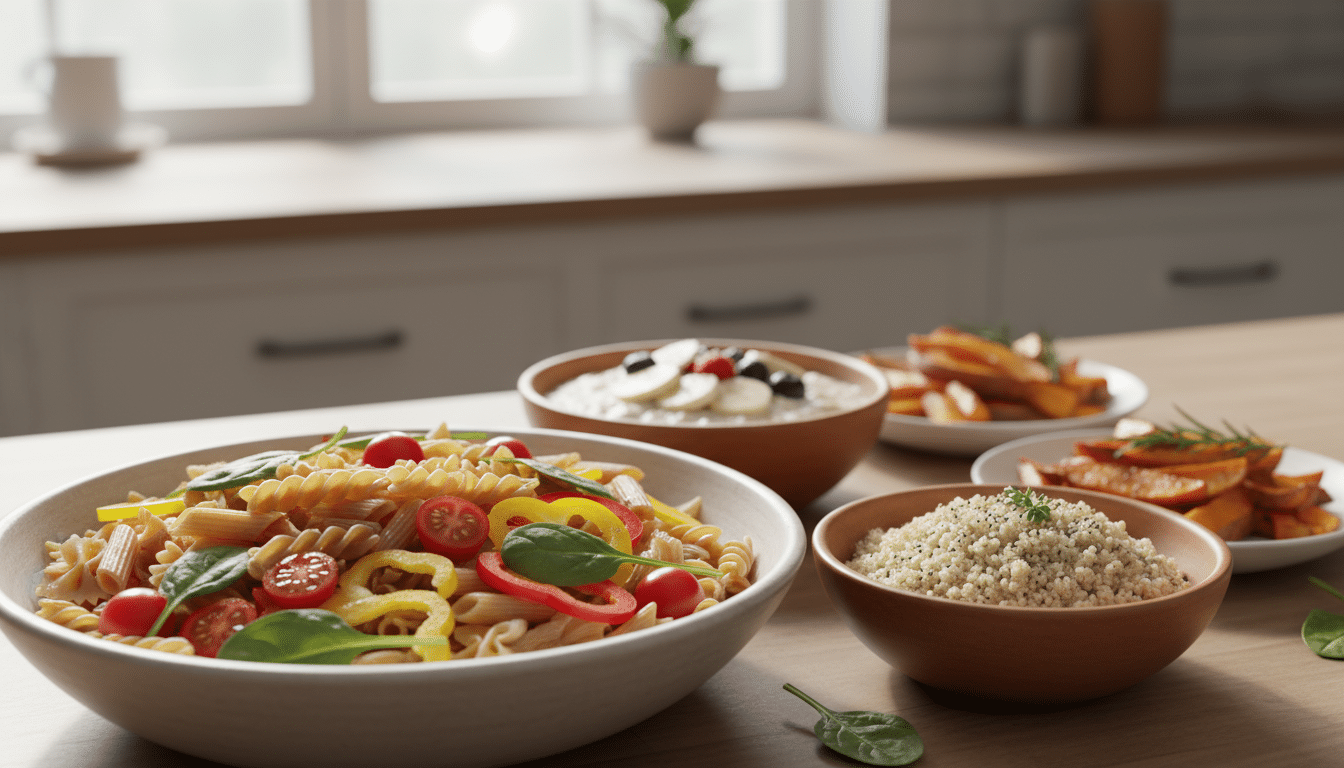
Carbohydrates as the Primary Energy Source
Carbohydrates are the main source of energy for your child’s body during exercise. Think of them as high-octane fuel.
You find them in food like pasta, rice, fruits, and vegetables. During digestion, they break down into sugar. This powers movement right away.
Extra sugar gets stored in the muscles and liver for later. About half of a young athlete’s daily caloric intake should come from these carbohydrates.
Proteins and Electrolytes for Muscle Repair
Protein builds and fixes hard-working muscles. Young athletes need slightly more than their peers.
The Academy of Nutrition and Dietetics suggests 0.45 to 0.6 grams per pound of body weight. Good sources include poultry, eggs, beans, and low-fat dairy.
Choose lean options for heart health. More protein isn’t better—research shows no extra benefit from excess intake.
Electrolytes like sodium and potassium are crucial minerals. They help with fluid balance and proper muscle function.
Your child gets them from a balanced diet and drinks. They support the body during long, intense activities.
Planning Recovery Meals for Youth Athletes
Effective fueling isn’t just about what they eat, but when they eat it. Consistent eating patterns support steady energy and quick repair.
Your child’s body needs 3-4 hours to fully digest a regular meal. Plan their main eating around their schedule.
Never skip a meal. Regular eating prepares the body for activity and aids recovery.
Balanced Meal Components and Timing
Serve a meal or snack with carbs and protein about 2-3 hours before exercise. This provides lasting fuel.
Offer a quick carb source, like fruit, within an hour of start time.
After activity, eating carbs and protein within one hour helps restore energy and repair muscles.
Smart Snacking Options Before and After Activity
Light choices work well 30-60 minutes before a game or practice. Try yogurt or a granola bar.
Post-activity snack ideas include whole-grain toast with peanut butter or cheese and crackers. Find more healthy snack ideas here.
| Time Frame | Food Focus | Goal |
|---|---|---|
| 2-4 hours before | Balanced meal (carbs + protein) | Sustained energy |
| 30-60 minutes before | Light carb snack | Quick fuel |
| Within 1 hour after | Carbs + protein snack | Muscle recovery |
Hydration Strategies and Sports Drinks Use
Water is key. Your child should drink 8-16 ounces 2-4 hours before sports.
During exercise, aim for about ½ cup every 15 minutes.
Sports drinks with electrolytes can help during long, hot activity. They are not needed for most kids.
Check urine color. Light yellow means good hydration.
On tournament days, small, frequent eats and drinks prevent energy crashes and support performance.
Practical Meal Preparation and Selection
The best post-game nutrition comes from simple, whole ingredients you likely already have.
Focus on real food with natural nutrients. This supports your child’s health and performance better than supplements.
Simple Recipes with Whole Foods
Greek yogurt is a top choice. Its high protein content stimulates muscle repair. Brands like Chobani have limited ingredients.
Tart cherry juice lessens pain and accelerates strength recovery. Drink 8-12 ounces twice daily around a big game.
It also promotes better sleep, aiding overnight body repair during intense training.
Bananas provide quick energy. Their potassium helps prevent cramping after practice.
Salmon delivers quality protein and amino acids. These are building blocks for tissue repair.
Watermelon offers hydration and citrulline. This amino acid enhances blood flow to muscles.
| Food Option | Key Nutrients | Primary Benefit |
|---|---|---|
| Low-fat chocolate milk | Carbs, protein, calcium, potassium | Rebuilds muscles post-workout |
| Greek yogurt with fruit | High protein, natural sugars | Stimulates muscle protein synthesis |
| Whole wheat sandwich | Complex carbs, lean protein | Restores energy levels |
| Tart cherry juice | Antioxidants, melatonin precursors | Reduces inflammation, improves sleep |
| Watermelon slices | Citrulline, electrolytes | Reduces muscle soreness |
On competition day, serve a meal 3-4 hours before. Load up on carbs like pasta and lean protein.
Keep fat low to avoid stomach upset. After the game, eat within 30 minutes.
Focus on lean protein and carbs to rebuild muscle and restore energy.
Conclusion
Supporting your young athlete hinges on consistent, practical eating habits. You don’t need complex plans—just focus on balanced food choices at regular times.
Prepare simple options that combine protein and carbs. This helps the body rebuild muscles and restore energy after training and games. Explore our guide for more healthy snack ideas.
Watch for signs like ongoing fatigue, dizziness, or frequent illness. Changes in mood or eating behaviors can also signal a problem.
Talk to a pediatrician with concerns. They can refer you to a specialist for guidance.
Regular meals, proper hydration, and recovery-focused foods give your child the foundation they need. This supports health and performance throughout the season.