

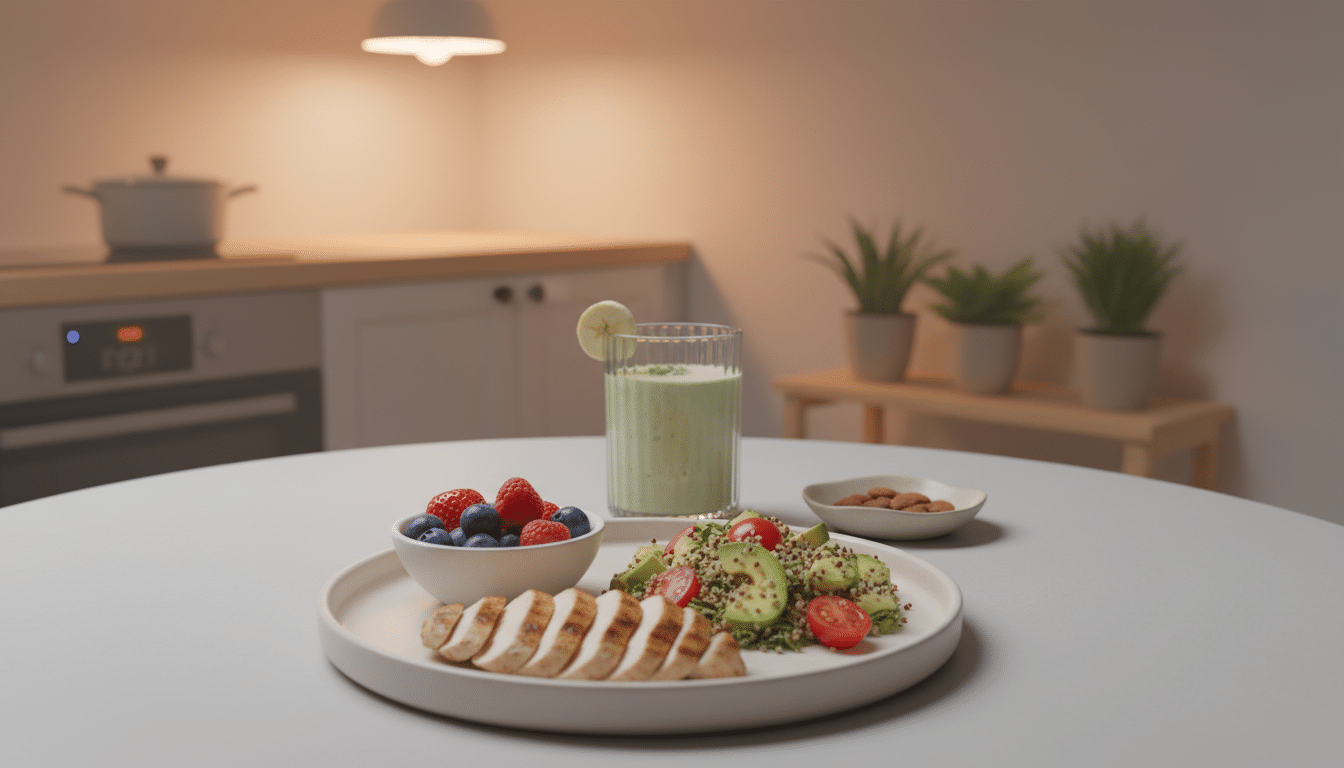
Choosing the right pre workout meals for evening training can change how you feel after a long day and during your session.
If you train after work, practical nutrition helps preserve energy and focus without upsetting your stomach. Pairing carbs with protein supports performance and quick recovery. Hydration matters too; many people arrive mildly dehydrated after a busy day.
Match portion size and food choice to your time before the workout and how intense the session will be. I’ll show simple patterns—rice or toast, yogurt, fruit—that repeat easily through the week. These ideas keep your energy steady and make bedtime smoother when you train late.
How evening workout nutrition affects energy, performance, and recovery
Evening nutrition decides how much energy you bring to a session and how well you bounce back afterward. Small changes in what and when you eat can improve output and reduce soreness.
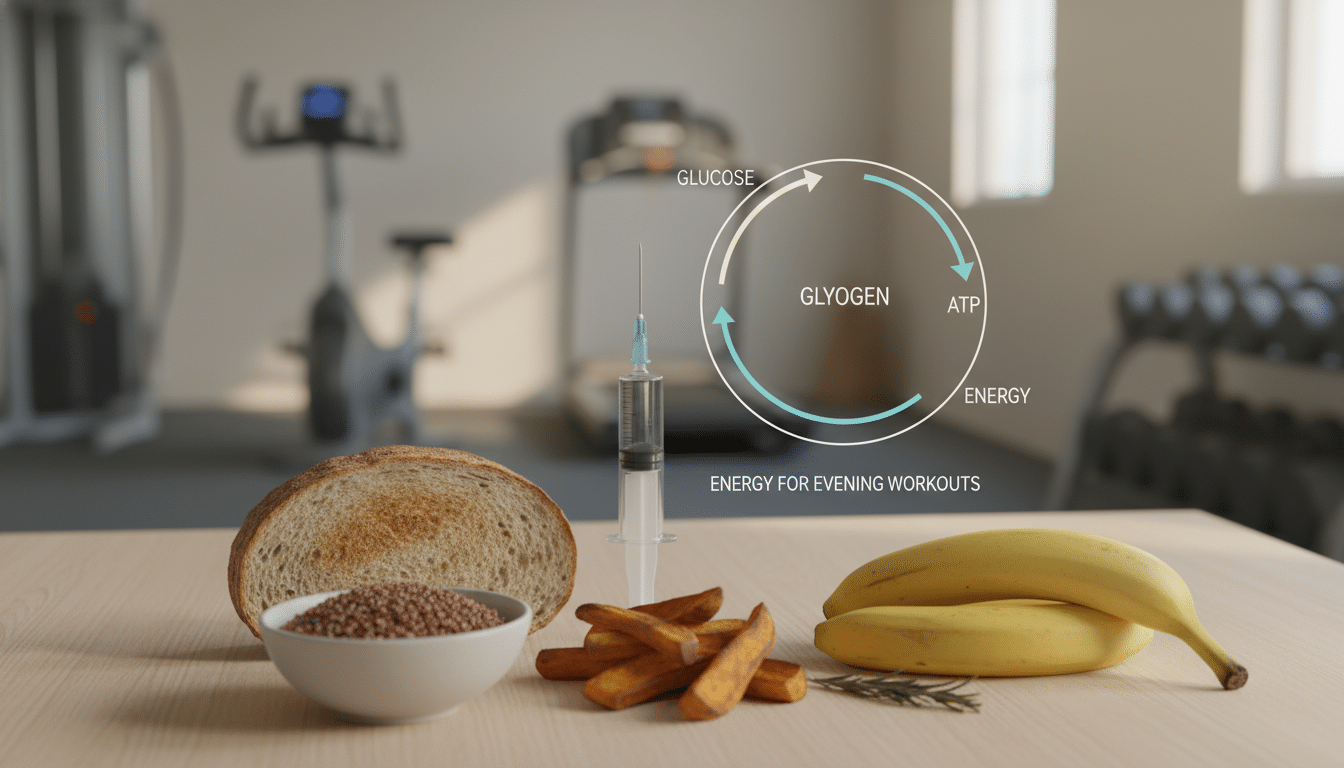
Carbs and glycogen as primary fuel
Carbs are the fastest, most reliable fuel for moderate to high intensity activity because your muscles use glucose and stored glycogen. Glycogen is simply stored carbohydrate in your liver and muscles that the body taps during exercise.
Long or hard sessions — especially over 60 minutes — can deplete glycogen and lower performance near the end.
Protein to support repair
Eating protein before exercise raises muscle protein synthesis. That means your body uses amino acids to build and repair tissue.
Protein close to activity can cut muscle damage and help you feel ready the next day.
Fat as slower fuel
Fat digests slowly and works well for long, low-intensity sessions. But large, high-fat meals close to night sessions often cause heaviness, reflux, or cramping.
Simple rule: prioritize carbs plus protein near the session and move bigger fat and fiber portions earlier in the day to protect sleep and comfort.
- Quick tip: carbs + protein = best combo close to exercise.
| Nutrient | Best use | Timing | Night risk |
|---|---|---|---|
| Carbs | Top fuel for intensity | 0–3 hours before | Low if portioned right |
| Protein | Supports repair | 30–90 minutes before | Minimal |
| Fat | Slow, long-lasting energy | Earlier in the day | Can cause heaviness at night |
Pre workout meals for evening training based on how many hours you have
Your clock sets the menu: different hours need different food choices. Use this simple map to pick the right option based on what you have before your session.
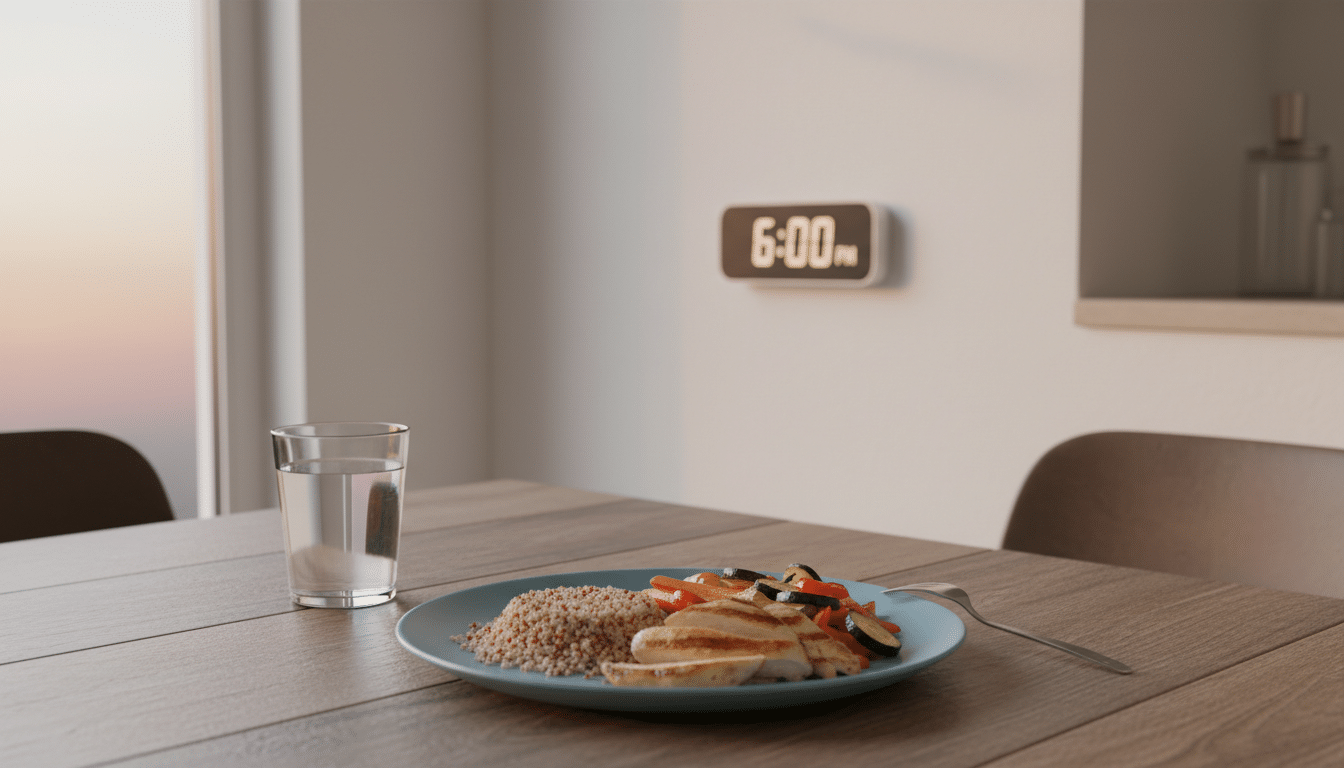
2–3 hours before
Choose a balanced meal with carbs, protein, and a little fat. This gives steady energy and lowers the chance of a crash.
Keep portions moderate so digestion is comfortable before bed.
1–1.5 hours before
Go smaller. Focus on carbs plus protein to fuel your muscles without heaviness.
A light plate or sandwich works. Aim to eat about 60–90 minutes, not right before you start.
Under 60 minutes
Pick fast-digesting carbs with low fiber. A banana, white toast, or a small sports snack is ideal.
Eat 30–60 minutes prior so you have quick fuel without bloating.
- Portion rule: use hunger and body weight as a guide. Small person = smaller portions; heavier lifter = more carbs.
- Long or intense sessions: add extra carbs. When a session goes over 60 minutes, glycogen use rises and fatigue can arrive sooner.
- Late-night adjustments: scale portions down and cut fat and fiber to protect sleep.
| Hours before | Focus | Example |
|---|---|---|
| 2–3 hours | Carb + protein + small fat | Rice bowl with chicken |
| 1–1.5 hours | Smaller carb + protein | Yogurt and toast |
| <60 minutes | Fast carbs, low fiber | Banana or sports gel |
Quick self-check: if you get hungry during the session, add carbs earlier. If you feel heavy, cut fat and fiber and shrink the meal. Small tweaks keep energy steady and sleep friendly.
Best food choices and meal ideas for late-day training
Pick foods that give steady energy and won’t sit heavy while you move. Choose familiar, easy-to-find items that digest well and keep your stomach calm.
Carb-forward options
Oats, potatoes, whole grains, rice, and toast top the list. They release fuel steadily and refill glycogen without a crash.
Lean protein choices
Chicken, turkey, fish, eggs, tofu, Greek yogurt, or a protein shake fit most schedules and support recovery.
Easy snacks that digest well
Banana, fruit with yogurt, a nutrition bar, or a smoothie made with water are quick and light. For more ideas, see my quick snack ideas.
- Simple combos: chicken + rice, salmon + sweet potato, omelet + avocado toast.
- Swap jam for nut butter or use a thin spread of butter to lower fat close to activity.
- Move high-fiber veggies earlier in the day to avoid bloating at night.
| Component | Example | Why it works | When to choose |
|---|---|---|---|
| Carb | Oats, rice, toast, potatoes | Steady energy; refills glycogen | 30–180 minutes before |
| Protein | Chicken, yogurt, protein shake | Supports repair; easy to digest | 30–90 minutes before |
| Snack | Banana, fruit, nutrition bar | Quick fuel; gentle on stomach | <60 minutes |
| Fat/fiber | Avocado, butter (small) | Use sparingly close to activity to reduce bloating | Earlier or small portions |
Hydration for evening workouts in the United States: water, sodium, and electrolytes
Drinking the right amounts and types of fluid matters after a long day in air-conditioned spaces. Your body loses water from coffee, indoor heat, and plain busyness. That can raise effort, cause headaches, and slow recovery.
What to drink in the hours before activity
Start early: sip fluids slowly at least 4 hours before sessions, per ACSM guidance. If you aren’t making urine or it looks dark, drink more about 2 hours before and check again.
When sodium or electrolytes help
Sodium helps your body hold fluids. Use a salty snack or an electrolyte beverage if you sweat a lot during long sports sessions. Sports drinks with modest sodium work well when sessions go past 60 minutes.
Signs you need more fluid
- Dark or concentrated urine.
- Very low urine output in the afternoon or evening.
- Increased thirst, headaches, or early fatigue during workouts.
| When | What to drink | Why | Quick tip |
|---|---|---|---|
| 4+ hours before | Plain water or low-sodium beverage | Restores baseline levels | Sip steadily, not all at once |
| 2 hours before | Top up fluids if urine is dark | Catches up lost volume | Repeat urine check |
| <60 minutes | Small sip of electrolyte drink | Prevents sloshing and supports sweat losses | Avoid chugging |
| Heavy sweat or >60 minutes | Electrolyte beverage or salty snack | Replaces sodium and keeps fluid | Use during and after activity |
What to avoid before an evening session to protect your stomach and sleep
Simple limits on rich or sugary items protect your energy and rest later that night. Keep choices light and steady so your performance and sleep stay on track. Below are clear, practical things to avoid or limit close to a night session.
Heavy, rich, high-fat foods
Large, fatty plates slow digestion and pull blood toward the gut. That can make exercise feel harder and cause cramping.
Limit greasy fast food, creamy pastas, and oversized fried portions within a few hours of activity.
High-sugar snacks and quick spikes
Very sugary items give a fast boost, then many people crash mid-session. That drop can hurt energy and perceived performance.
Swap candy or soda for fruit plus yogurt or a small protein bar to steady fuel without the crash.
Caffeine timing and sleep
Caffeine can sharpen focus, but it can also delay sleep. Aim to stop caffeine at least six hours before your typical bedtime if you’re sensitive.
Test tolerance by trying a smaller dose earlier in the day and noting how easily you fall asleep that night. Late sessions already raise alertness; adding caffeine late often makes sleep harder.
| Avoid | Why | Better swap |
|---|---|---|
| Greasy fast food | Sluggish, cramping | Grilled chicken + rice |
| Large creamy dishes | Slow digestion | Yogurt with fruit |
| Candy or soda | Energy crash | Banana + small bar |
Conclusion
A simple timing rule makes choosing a meal in seconds: clock, portion, go.
Choose carbs plus protein, then trim fat and fiber as the clock gets closer to your session. Protein before activity supports muscle protein synthesis and helps recovery. Carbs refill glycogen for harder or longer workouts and keep power steady.
Use hours and minutes to match portion size: fuller plate 2–3 hours out, smaller carb+protein 30–90 minutes, tiny fast carbs under 60 minutes. Drink water earlier in the afternoon and add sodium or an electrolyte when sweat loss is high.
Next step: pick one go-to meal and one go-to snack from the lists above. Repeat them for two weeks and note what feels best.