

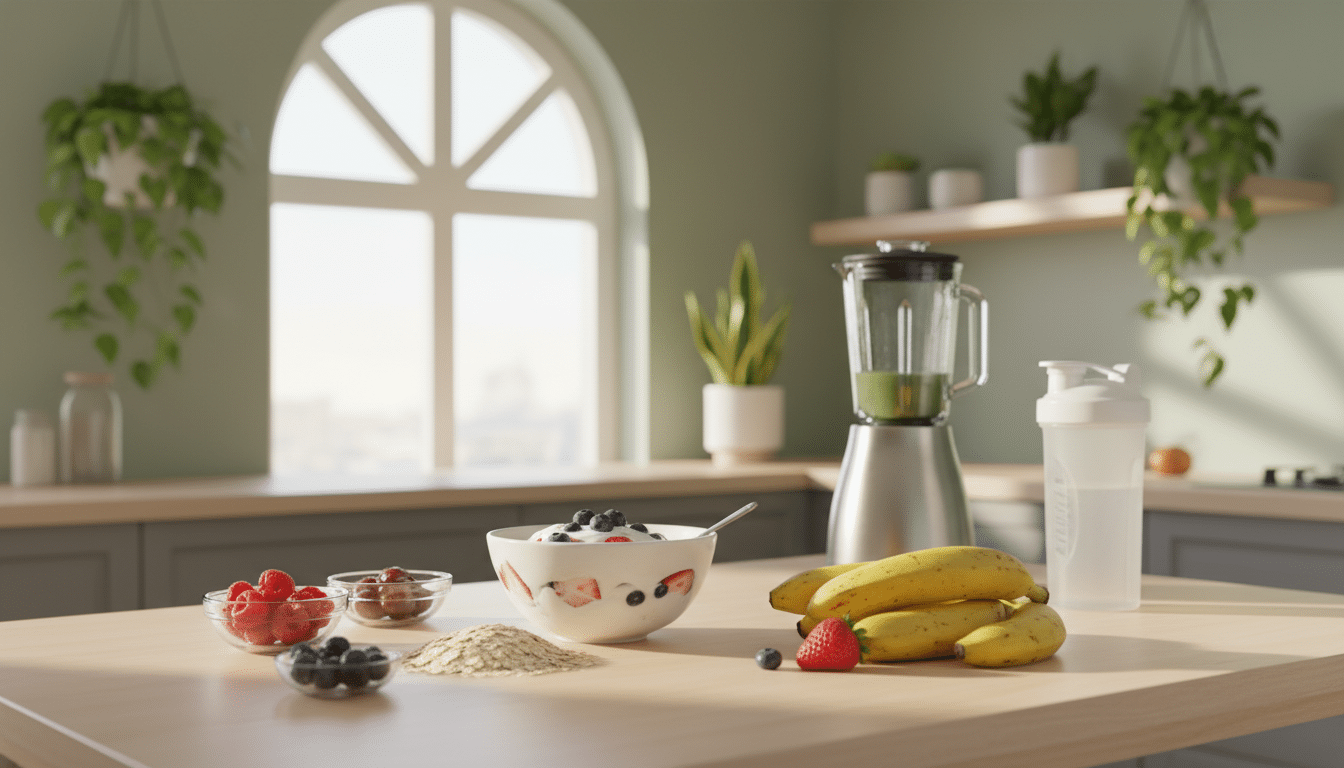
I pick simple choices when I need quick energy and a clean stomach for a morning workout.
Carbohydrates break down into glucose for fast energy or store as glycogen in muscles and the liver. Low fiber and low fat options move through the gut quickly, so blood sugar rises and you feel fuel sooner.
This guide helps you choose practical pre-workout options for early sessions, tight schedules, or hard training days. I’ll cover timing windows, sensible portions, and simple combos you can test without belly trouble.
Comfort matters. If you have diabetes, take meds, or have GI issues, check with your clinician before trying new pre-workout plans.
What “fast-digesting” means for pre-workout fuel
A good pre-session snack gives your body glucose without weighing you down. In plain terms, some carbohydrates break down quickly and send sugar into the blood fast. Others release energy more slowly and keep you fuller longer.
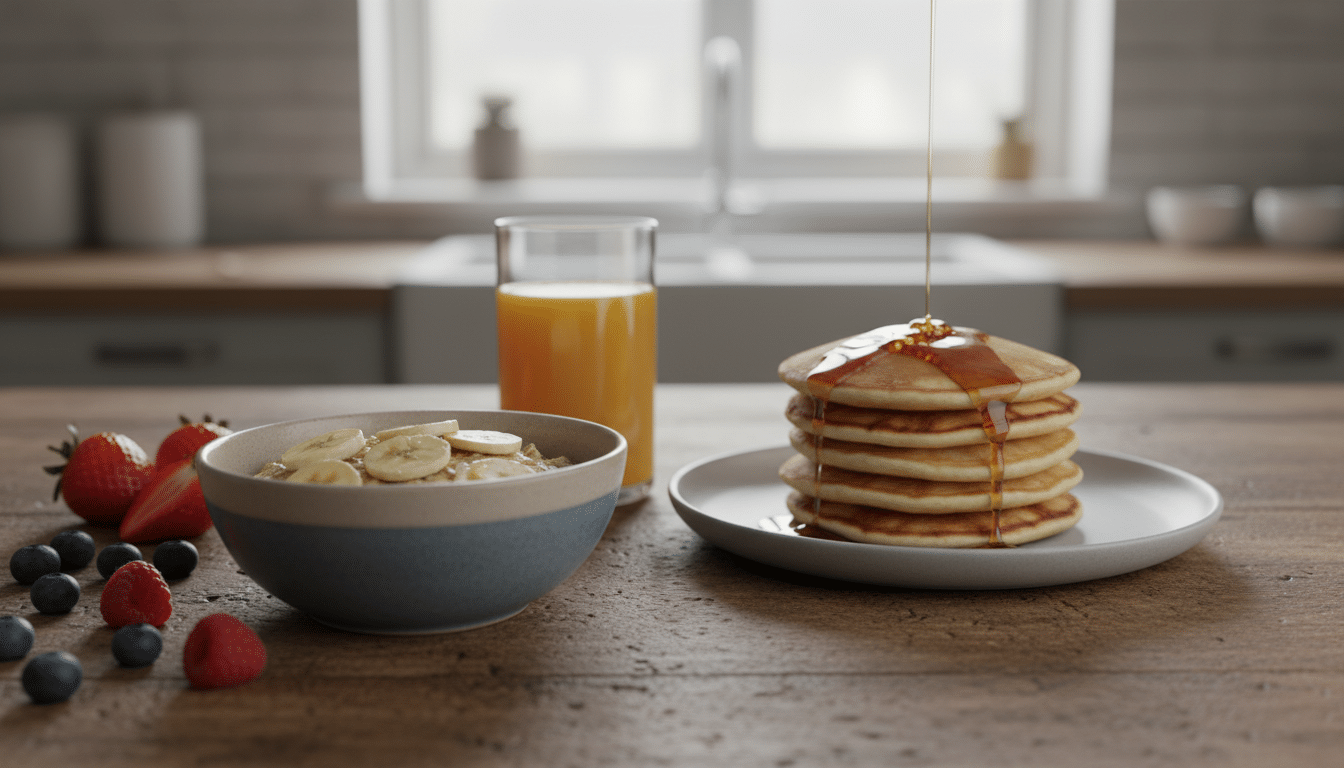
Fast-digesting carbs vs. slow-digesting carbs
Fast-digesting carbs are simple carbs that the body converts to glucose quickly. Glucose is “ready now” fuel you can use during warm-ups and high-intensity efforts.
Why low fiber and low fat usually digest faster
Higher-fiber carbohydrates break into sugar more slowly. Fiber slows stomach emptying and can increase the risk of cramps, gas, or bathroom urgency during training.
Fat also delays stomach emptying and can leave you feeling full or sluggish if eaten too close to activity.
How glucose and glycogen support moderate to high-intensity exercise
Glucose enters the bloodstream for immediate use. Excess glucose stores as glycogen in the liver and muscles.
Glycogen powers moderate to high intensity work, especially when sessions run long and muscles need sustained fuel. Rule of thumb: the closer you eat to a session, the lower your fiber and fat should be for most people.
- Fast carbs = quick glucose for now.
- Slow carbs = gradual energy, more fiber, heavier on the gut.
- Low fat helps speed gastric emptying and keeps you light.
| Type | Speed | When to use |
|---|---|---|
| Simple carbohydrates | Quick | Close to high-intensity sessions |
| Higher-fiber carbohydrates | Slow | 2–4 hours before longer sessions |
| Higher-fat meals | Slowest | Avoid right before intense training |
When fast-digesting foods help most
If you train at dawn, a small, easy snack often beats a full breakfast. A compact choice gives quick glucose, so you start warm-ups without a heavy stomach and with better performance.
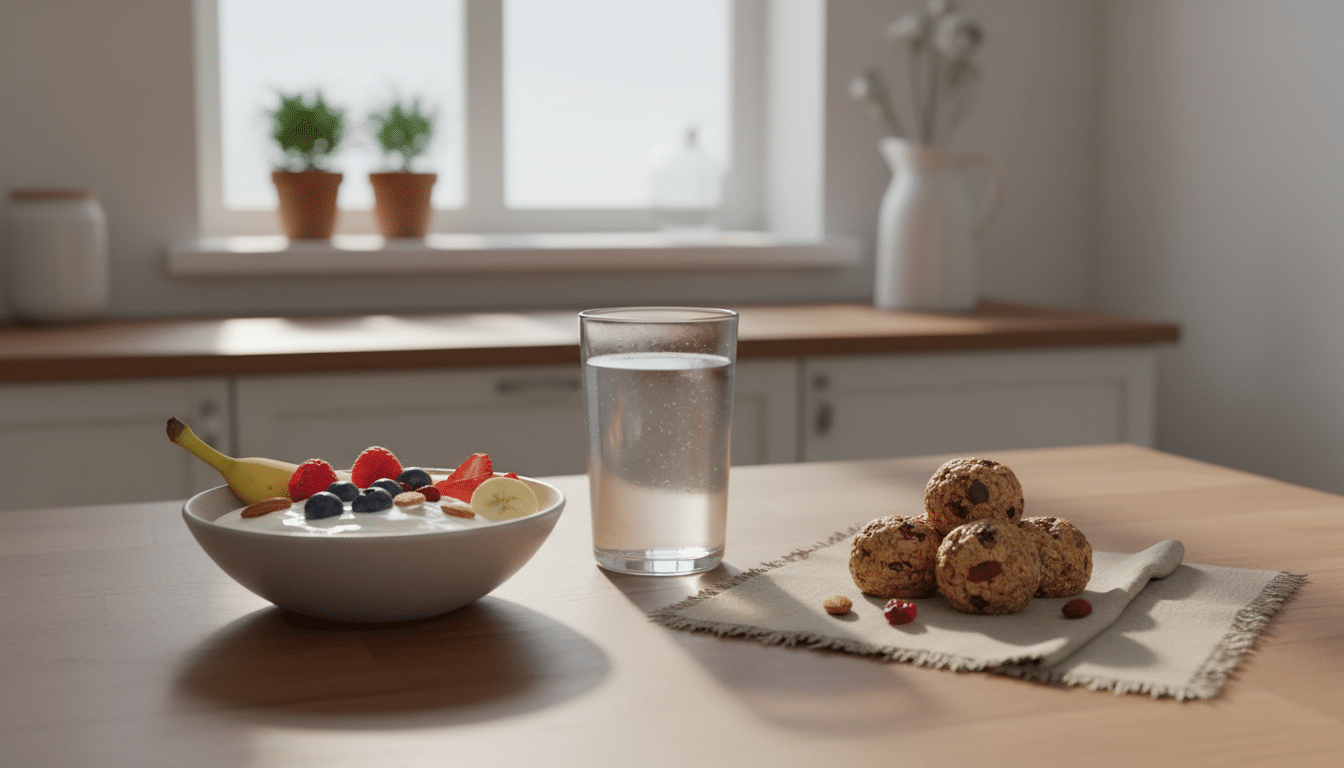
Early-morning workouts with little time to eat
When you have only minutes before a session, skip a large meal. A light carb intake helps steady energy and keeps nausea away.
Short, easy sessions—walking, light cardio, or mobility drills—can often be done without a big pre-meal. Try a small bite and see how your body responds.
Long or high-intensity sessions where glycogen can drop after about an hour
High-intensity exercise lasting over an hour can lower muscle glycogen, which makes pace and power feel harder. The ISSN notes this drop for efforts past 60 minutes.
Plan to top up with quick carbs during long sessions to keep steady output and protect performance late in the session.
During training for endurance sessions that last over an hour
Endurance athletes commonly use short carb sources both at the start and after each hour of activity. This helps maintain steady energy and delays fatigue.
Remember: need depends on session length, intensity, and what you ate earlier in the day. Test options in training—never try a new plan on race day.
| Scenario | When to use | Why it helps |
|---|---|---|
| Early morning | Within 30 minutes | Quick energy, light stomach |
| High-intensity >60 min | Every hour | Replace glycogen, sustain power |
| Endurance sessions | Start and hourly | Steadier pace, less fatigue |
Timing windows that guide your pre-workout meal and snack
Timing your meal creates a clear edge for energy and comfort during training. Use simple rules to pick the right portion and mix at the right time.
Two to four hours: build a balanced meal
Eat a complete meal 2–4 hours out. Include carbs, lean protein, and a small amount of fat. This helps top up glycogen and gives steady energy for longer sessions.
One to one and a half hours: focus on carbs and some protein
1–1.5 hours is for a smaller meal. Prioritize quick carbs and moderate protein. Limit heavy fat and lots of fiber to avoid slow stomach emptying.
Forty-five to sixty minutes: small and simple
Choose very small portions that move through your gut. Think single-ingredient items and light liquids. Keep the portion size down as minutes tick closer to start time.
Thirty to sixty minutes: use the 30–60 grams carb target when needed
If you expect long or hard effort, aim for 30–60 grams of carbs in this window. Pick low-residue options and test in training so you know what works.
- Decide: more carbs for higher intensity or longer sessions.
- Avoid GI trouble: reduce portion size as the clock gets closer.
- Track what you ate and how you felt so you can repeat success.
| Window | When | Focus | Example |
|---|---|---|---|
| Balanced meal | 2–4 hours | Carbs + protein + small fat | Rice bowl with chicken and avocado |
| Smaller meal | 1–1.5 hours | Carbs first, add protein | Oatmeal with banana and whey |
| Light snack | 45–60 minutes | Small, low-residue items | Rice cake or dilute sports drink |
| Quick fuel | 30–60 minutes | 30–60g carb target | Energy gel or mashed banana |
foods that digest fast before workouts: best picks and easy combinations
When you have little time, pick simple bites that give quick energy and sit light in your stomach.
Fruit options that work well close to training
Choose a banana, a small cup of applesauce, or a splash of fruit juice. These give quick carbs with little fiber. They wake up energy without bulk.
Dairy and protein choices that stay light
Try Greek yogurt, drinkable yogurt, or a whey protein shake mixed with water. These give protein plus carbs and are easy to tolerate.
Grains and low-fiber carbs for quick energy
White rice, rice cakes, low-fiber cereal, or white toast move through your gut faster than whole-grain options. Add a thin spread of peanut butter or butter if you have more time.
Drinks and gels for low-chew fueling
If chewing is hard, use a sports drink, an energy gel, or a simple carb drink mix. These are great when you need fuel and no solids.
Fast carb + protein pairings that support performance and recovery
- Greek yogurt + honey — carbs and 15–20 g protein.
- Banana + protein powder smoothie — easy sip, good recovery mix.
- Chocolate milk — classic combo for glycogen and repair.
- Toast + thin peanut butter — steady carbs and a bit of protein.
Tip: Keep fat and fiber low if you plan to train soon. Carbs top off fuel, and protein helps recovery and muscle repair after hard sessions.
| Category | Example | Why it works | When to use |
|---|---|---|---|
| Fruit | Banana, applesauce, small juice | Quick carbs, low residue | 30–60 minutes prior |
| Dairy/Protein | Greek yogurt, drinkable yogurt, whey shake | Protein + carbs, light on gut | 45–90 minutes prior |
| Grains | White rice, rice cake, white toast | Rapid glucose availability | 30–90 minutes prior |
| Low-chew fluids | Sports drink, gel, carb drink mix | No chewing, fast absorption | Anytime with little appetite |
How to choose carbs, protein, fat, and fiber for your workout type
Pick a simple mix of carbs and protein that fits the effort you plan to do. Match portions and ingredients to intensity and length. Small tweaks can cut stomach upset and boost performance.
Cardio and HIIT
Rules: Prioritize quick carbs for energy. Limit fat and fiber near the session to avoid stomach trouble. Aim for a light, low-residue snack if you eat within an hour.
Strength training
Rules: Pair carbs with protein to support training quality and muscle repair. A modest protein source 30–90 minutes prior helps muscle protein synthesis. Keep fats moderate so you feel alert and strong.
Yoga, Pilates, and stretching
Rules: Keep portions small and simple. Choose easy carbs and light protein. Avoid greasy or high-fat meals that can cause discomfort in bends and holds.
Intensity, session length, and your gut response change the best mix. Test options during practice sessions, not on goal days.
- Simple swap: choose white toast instead of a high-fiber grain bowl when you train soon.
- Adjust: more carbs for longer, harder sessions; more protein when recovery is the focus.
- Health note: If you have reflux, IBS, or blood sugar issues, get tailored advice from your clinician.
| Session type | Focus | Limit |
|---|---|---|
| Cardio / HIIT | Carbs for immediate energy | Fat and fiber near start |
| Strength training | Carbs + protein for power & repair | Excess fat right before |
| Yoga / Pilates | Small portions, easy-to-tolerate carbs | Heavy or greasy meals |
Portion sizes and sample pre-workout menus by time and goal
Match what you eat to how long and hard you’ll train to protect energy and comfort. Use clear, simple measures so you can repeat what works.
If you have two to three hours: full meal examples
These meals give steady energy for long or intense sessions. Aim for a cup of carbs, a palm-sized protein, and a small fat source.
- Sandwich with 3–4 oz lean turkey, whole white bread, and 1/4 avocado.
- Sweet potato (1 cup mashed) + 4 oz salmon + a cup of steamed greens.
- Beef (4 oz) with 1 cup white rice and mixed veggies; add 1 tsp oil.
If you have about two hours: smaller meals with protein
Keep fiber moderate and portions modest. These combos support power without a heavy stomach.
- 1 cup cooked oats + 1 scoop whey + half a banana.
- 2 eggs + 1 slice white toast + a small apple (medium).
If you have under an hour: quick snacks
Choose small, low-residue items so energy shows up fast. Keep portions compact.
- Greek yogurt (1 cup) with a drizzle of honey.
- Protein smoothie made with water and one medium fruit.
- A nutrition bar or a medium banana for a simple snack.
How to scale: Increase the amount if you weigh more, the session is longer, or intensity is high. Reduce portion size if weight loss is the goal, but keep enough carbs to protect training energy.
| Timing | Typical portion | Why it works |
|---|---|---|
| 2–3 hours | 1 cup carb, 3–4 oz protein, small fat | Fuels long sessions and aids recovery |
| ~2 hours | 3/4 cup carb, 2–3 oz protein | Comfortable energy, less gut load |
| <60 minutes | 1 cup yogurt or 1 medium fruit | Quick top-up, light on the stomach |
Quick tip: Log what you eat and how you feel for a week. You’ll learn the best meal and snack pattern for your body and your workout.
Hydration and optional supplements that fit fast-digesting pre-workout plans
Hydration sets the stage for a solid session; plan your water and electrolytes as carefully as your snack. Drink slowly at least four hours before exercise, per ACSM guidance, and top up as needed two hours out if urine is dark or you haven’t urinated.
Hydration basics: water, sodium, and urine color checks
Start with plain water. Sip regularly so you’re not gulping at the last minute.
Sodium helps retain fluid, so add a salty snack or electrolyte tablet if you sweat a lot or train in heat. Check urine color: pale means you’re likely hydrated; dark means drink more.
Sports drinks: when carbs and electrolytes make sense
Use a sports drink when sessions are long, very hot, or you need carbs plus electrolytes on the go. For short, low-intensity sessions, water is usually enough—especially if you ate recently.
Common pre-workout supplements and typical timing
Common options in sports settings include caffeine for alertness, creatine for strength support, beta-alanine for buffering, BCAAs for amino support, and multi-ingredient pre-workouts. Many people take these about 30–45 minutes pre-workout, but follow product labels and your clinician’s advice.
- Hydration tip: water early, check urine color, add sodium if you sweat heavily.
- Sports drink use: long or hot sessions, or when carbs and electrolytes are both needed.
- Supplements: caffeine, creatine, beta-alanine, BCAAs; timing often 30–45 minutes pre-session.
| Need | When to use | Why |
|---|---|---|
| Water | Every session | Maintains blood volume and temp control |
| Sports drink | Long/hot sessions | Provides carbohydrates and electrolytes |
| Pre-workout supplement | 30–45 min pre | May boost alertness or power (follow labels) |
Safety advice: If you take meds, have heart issues, or are sensitive to stimulants, talk with a healthcare professional before trying supplements. Labels vary and a clinician can help with dosing and timing.
Conclusion
Choose small, timely snacks to give clear fuel and steady focus for your session.
Core rule: pick quick carbs when you need usable energy close to exercise or during long efforts. Low fiber and low fat usually feel best right before high-intensity work like cardio and HIIT.
When you have time, pair carbs with a modest amount of protein to support performance and muscle repair. Match portions and timing to the length and intensity of your session—harder work burns glycogen faster.
Action step: pick one timing window for your next session and test a single snack. Repeat what works, then tweak portions if you feel heavy, hungry, or low on energy mid-exercise.