

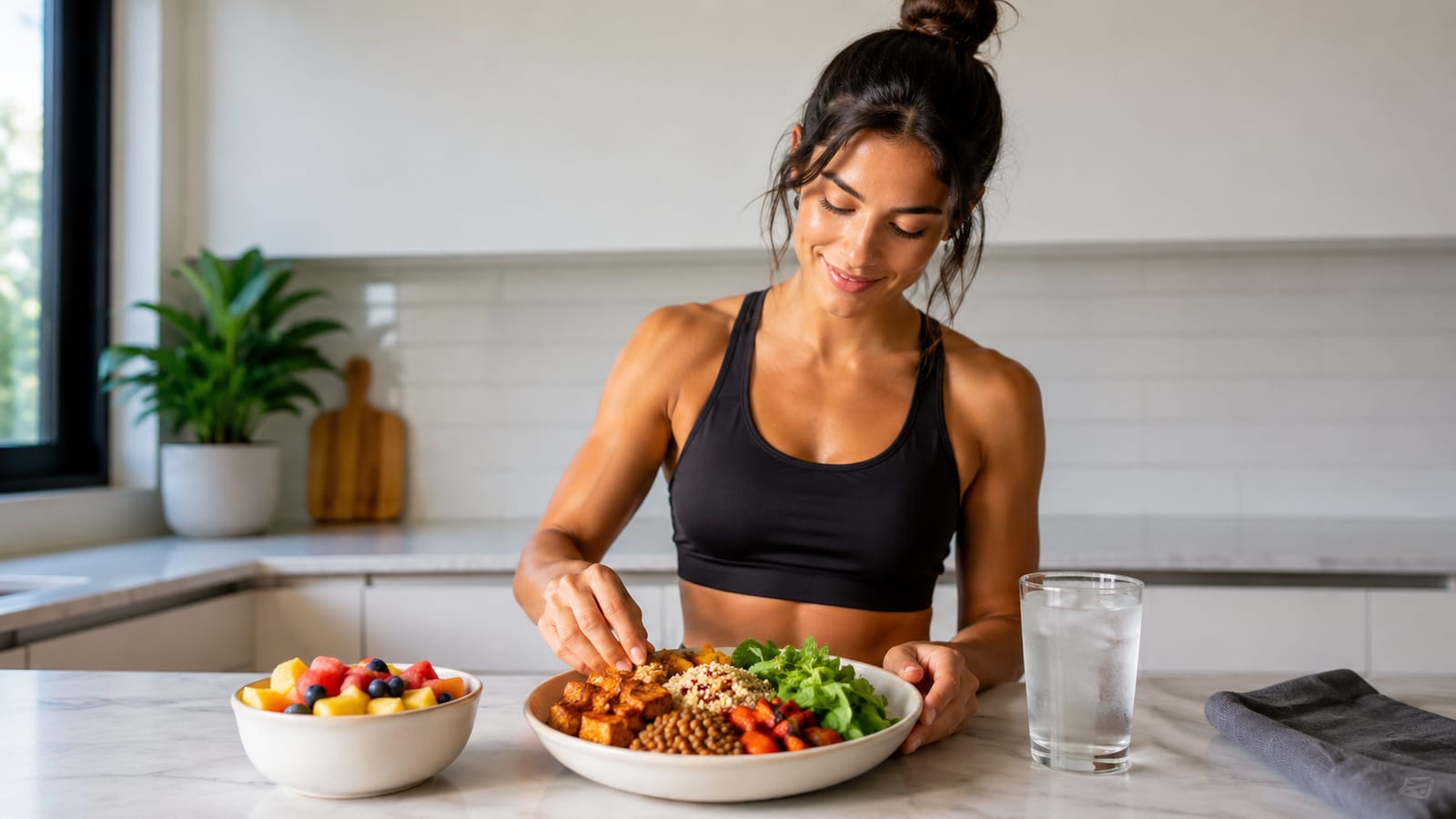
Start with regular meals, enough carbohydrates, and a protein source each time you eat. A Complete Vegetarian Meal Plan for Athletes can support practice, competition, muscle gain, and recovery with foods such as oats, rice, potatoes, beans, lentils, tofu, eggs, yogurt, fruit, and milk. The plan works best when you match portions to your training load and choose foods your stomach can handle.
Last updated: 2026-08-28
Vegetarian eating includes dairy and eggs unless you choose to leave them out. A vegan plan removes those foods, so it needs more attention to vitamin B12, calcium, iodine, and protein. Either approach can work for athletes. Poor planning is the part that causes trouble.
What does a Complete Vegetarian Meal Plan for Athletes include?
A complete plan covers four jobs:
- Carbohydrates provide training energy for running, lifting, cycling, swimming, and repeated sprints.
- Protein repairs muscle and supports muscle gain.
- Fats add energy and help you absorb certain vitamins.
- Fluids and electrolytes support performance, especially in heat or long sessions.
Build each main meal around a carbohydrate, a protein food, produce, and a source of fat. For example, rice with tofu, vegetables, and peanut sauce covers more of the job than a bowl of raw vegetables with a few nuts.
The right plan also fits your schedule. A teenager who trains after school needs portable food. An endurance athlete needs more carbohydrate during long sessions. A strength athlete needs consistent meals and protein across the day. One menu cannot cover every training week.
A complete one-day vegetarian meal plan
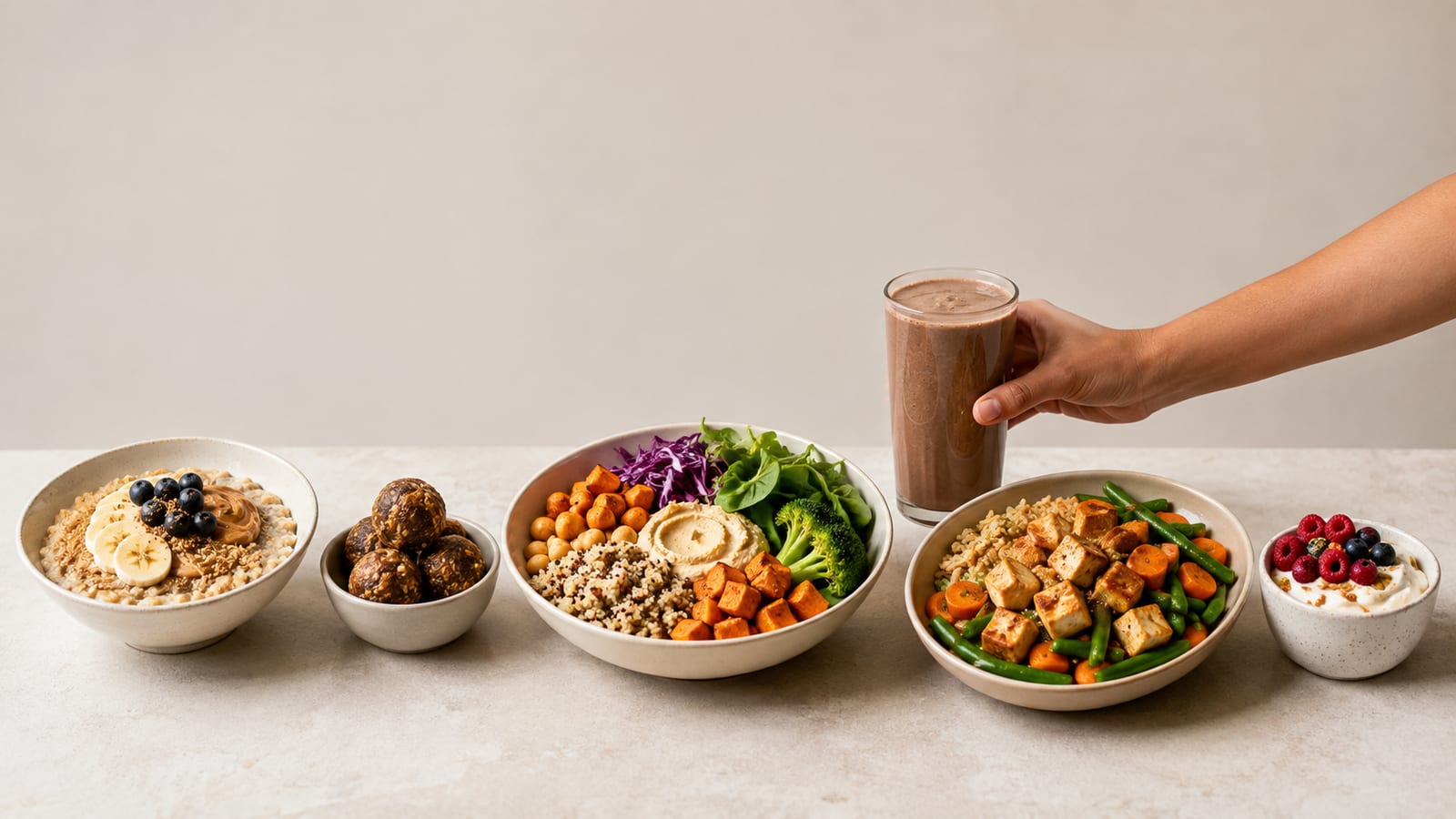
Use this as a starting structure. Increase the meal size on hard training days and keep food simpler before practice or competition.
Breakfast
Choose one:
- Oatmeal with milk or fortified soy milk, banana, berries, chia seeds, and peanut butter
- Tofu scramble with potatoes, whole-grain toast, fruit, and yogurt
- Greek yogurt with granola, fruit, oats, and walnuts
- Breakfast tacos with eggs or tofu, black beans, salsa, avocado, and cheese
Breakfast for vegetarian athletes jumpstarts metabolism and provides energy for the day. That does not mean you need a large meal before an early workout. If you train soon after waking, use a banana, toast, applesauce, or a small yogurt first. Eat the larger breakfast after practice.
The breakfast tacos have a serving size of 4 tacos. That works well for a full meal, but you can save some for later if your appetite is lower.
Midmorning snack
Pick a portable option:
- Trail mix with dried fruit and pumpkin seeds
- A cheese stick with crackers and an orange
- Soy yogurt with cereal
- A peanut butter sandwich
- Chocolate milk and a banana
A snack helps bridge a long school or work day. It also keeps you from arriving at lunch so hungry that you eat too fast and feel uncomfortable.
Lunch
Build a bowl, wrap, or plate:
- Brown rice, black beans, corn, salsa, avocado, and cheese
- Lentil pasta with tomato sauce, tofu, and vegetables
- A hummus wrap with roasted vegetables, feta, and fruit
- Baked potato with cottage cheese, beans, and steamed broccoli
- Quinoa salad with chickpeas, cucumber, tomatoes, olives, and yogurt sauce
Lunch should carry you through the afternoon. If you train later, make the carbohydrate portion generous enough to support that session. A small salad with a little hummus rarely provides enough fuel for hard practice.
Afternoon pre-workout snack
Choose food that digests easily:
- Bagel with peanut butter
- Banana with pretzels
- Applesauce and a granola bar
- Toast with jam and yogurt
- Cereal with milk or fortified soy milk
Keep this snack lower in fat and fiber if your stomach gets unsettled during exercise. Save large servings of beans, greasy foods, and raw vegetables for after training.
Dinner
Choose one:
- Tofu stir-fry with rice and vegetables
- Lentil curry with potatoes and naan
- Tempeh grain bowl with roasted vegetables and tahini sauce
- Egg fried rice with peas, carrots, and edamame
- Bean burrito with rice, cheese, salsa, and fruit
Dinner should replace the energy you used and provide protein for recovery. A vegetarian meal does not need to be complicated. Rice, frozen vegetables, canned beans, and tofu can cover dinner on a busy night.
Evening recovery snack
Use this option if dinner was small, training was hard, or you have another session soon:
- Greek yogurt with fruit
- Cottage cheese with toast
- A soy milk smoothie with banana and oats
- Peanut butter toast with milk
- Hummus with pita
You do not need a recovery snack after every easy workout. You probably do need more food after a long session, a hard lifting workout, or a day when your meals were rushed.
Seven quick vegetarian meals for athletes
These seven quick and easy vegetarian meals packed with nutrients for athletes rely on ordinary foods. They also hold up better than complicated recipes during a busy training week.
- Lentil pasta bowl: Add tomato sauce, lentils, spinach, and parmesan. Use tofu or nutritional yeast if you avoid dairy.
- Black bean quesadillas: Fill tortillas with black beans, cheese, and salsa. Add fruit on the side.
- Tofu rice bowl: Combine microwave rice, baked tofu, frozen vegetables, and a simple peanut or soy sauce.
- Egg and potato plate: Serve scrambled eggs with roasted potatoes, fruit, and toast.
- Chickpea pasta salad: Mix chickpea pasta with vegetables, feta, olive oil, and a lemon dressing.
- Peanut butter overnight oats: Stir oats with milk or soy milk, peanut butter, banana, and chia seeds.
- Bean burrito: Wrap beans, rice, cheese, and salsa in a tortilla. Add avocado if you need more energy.
The best meal is the one you can prepare and eat consistently. Keep canned beans, frozen vegetables, eggs, tofu, rice, oats, and tortillas available. A stocked kitchen beats a perfect recipe plan that never gets made.
For more meal ideas, use these plant-based recipes for athletes. If you need help shopping, this grocery list for plant-based athletes keeps the basics in one place.
Protein needs a daily plan
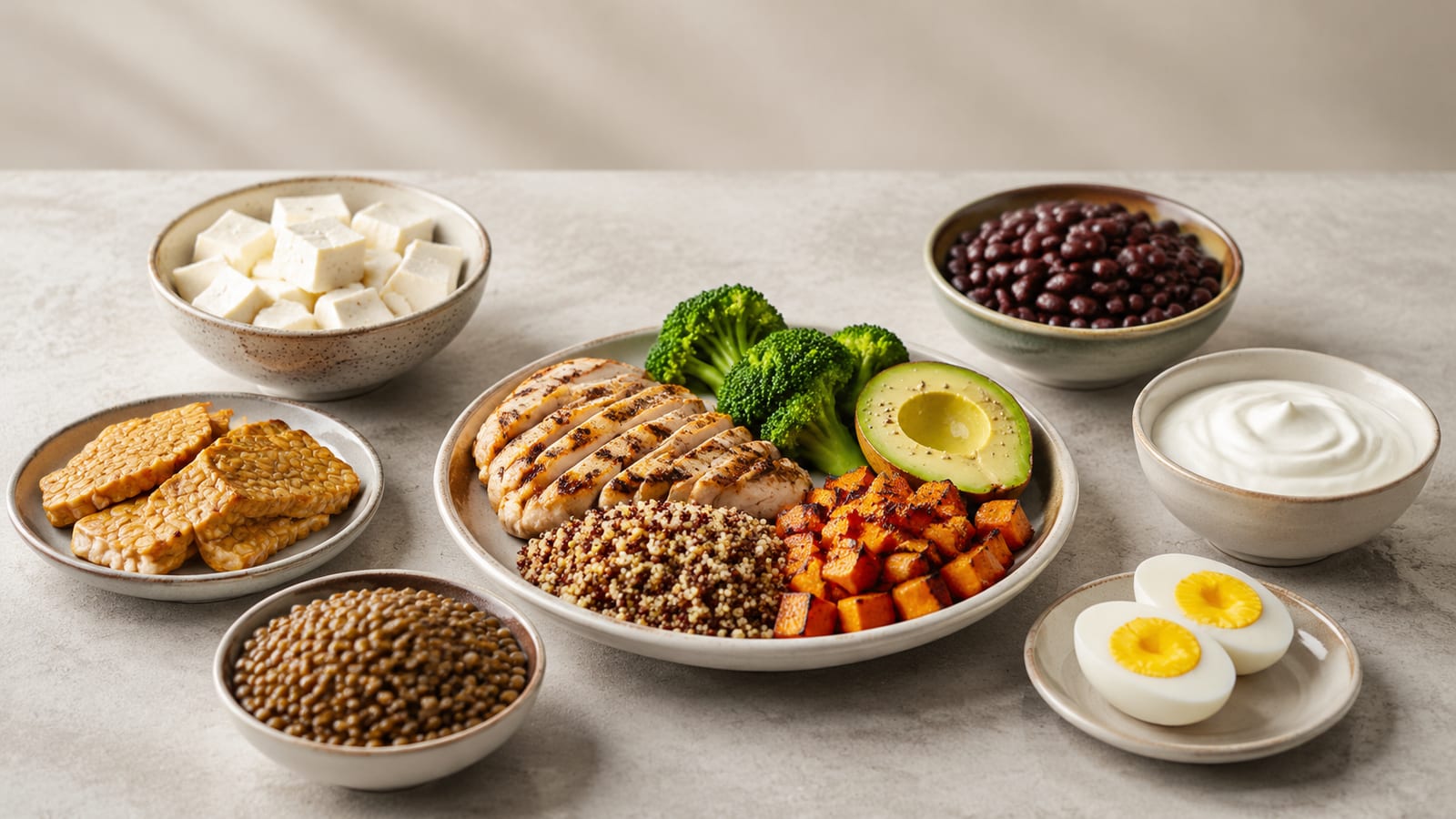
Vegetarian athletes can build muscle, but protein has to show up throughout the day. Waiting until dinner for a large serving of beans will not fix a day built around toast, fruit, and coffee.
Include one protein food at each meal:
| Meal | Vegetarian protein choices |
|---|---|
| Breakfast | Eggs, Greek yogurt, milk, soy milk, tofu, cottage cheese |
| Lunch | Lentils, beans, chickpeas, tofu, tempeh, seitan, cheese |
| Snacks | Yogurt, milk, edamame, roasted chickpeas, nuts, seeds |
| Dinner | Tofu, tempeh, beans, lentils, eggs, seitan, dairy foods |
Soy foods are useful because they fit many meals and provide substantial protein. Tofu works in stir-fries and scrambles. Tempeh works in sandwiches and bowls. Edamame can go into rice, pasta, or salads.
Beans and lentils provide protein and carbohydrates together. That makes them useful for athletes, but their fiber can cause stomach trouble before hard training. Eat them farther from practice if they do not digest well.
Seitan is high in protein, but it contains wheat. Skip it if you have celiac disease or need to avoid gluten. A gluten-free vegetarian plan can use tofu, tempeh, eggs, dairy, beans, lentils, quinoa, and certified gluten-free oats instead.
Carbohydrates drive training energy
Carbohydrates fuel repeated effort. They matter for endurance sessions, team sports, long practices, and high-volume lifting.
Use a mix of:
- Oats and cereal
- Rice and quinoa
- Potatoes and sweet potatoes
- Pasta and bread
- Beans and lentils
- Fruit and dried fruit
- Tortillas, bagels, and pretzels
Choose lower-fiber foods close to training if your stomach is sensitive. White rice, toast, a banana, pretzels, or applesauce can be easier to digest than a large bowl of beans and raw vegetables.
Whole grains and legumes still deserve a place in your normal meals. They provide fiber and other nutrients, but they do not earn a spot before every workout. Your stomach gets a vote.
For long endurance training, carry food instead of hoping you can find something useful later. A jam sandwich, fig bar, banana, pretzels, or sports drink can provide carbohydrate during training. Use a plan that matches the session and your tolerance.
Key nutrients deserve attention
Key nutrients to focus on for vegetarian meal planning for young vegetarian athletes include iron, zinc, vitamin D, and B12. These nutrients support oxygen transport, immune function, bone health, and nerve function.
Iron
Vegetarian sources include lentils, beans, tofu, tempeh, fortified cereal, pumpkin seeds, and spinach. Pair plant sources with fruit, tomatoes, or peppers because vitamin C helps your body absorb plant iron.
Low iron can show up as unusual tiredness, poor training quality, or shortness of breath. Those symptoms have many possible causes. Ask a qualified clinician about testing before taking iron supplements.
Zinc
Use beans, lentils, tofu, dairy, eggs, seeds, and fortified foods. Rinsing canned beans and soaking or cooking legumes can improve tolerance for some people.
Vitamin B12
Dairy and eggs provide some B12. Vegan athletes need reliable fortified foods or a B12 supplement. Do not assume a plant-based protein powder contains enough. Check the label.
Vitamin D and calcium
Fortified milk or soy milk, dairy foods, calcium-set tofu, and fortified yogurt can support bone health. Vitamin D is harder to get from food alone, so your needs may depend on your diet, location, sun exposure, and blood tests.
The Dietary Guidelines for Americans provide a useful foundation for building balanced meals. For supplements, use advice from a registered dietitian or clinician who understands sport and your medical history.
Vegetarian versus vegan
A vegetarian plan that includes dairy and eggs gives you more convenient choices for protein, calcium, vitamin B12, and recovery snacks. Yogurt, milk, eggs, and cheese can make a busy schedule easier.
A vegan plan can support training too. You will need dependable fortified foods or supplements for B12. You may also need extra planning for calcium, vitamin D, iodine, and omega-3 fats.
The switch from vegetarian to vegan should be gradual if your meals are already working. Replace one food at a time, such as dairy milk with fortified soy milk or eggs with tofu. Then check whether your total food, protein, and training energy stayed steady.
Do not remove foods simply because a plant-based label sounds more athletic. A vegetarian athlete who under-fuels will struggle with recovery, regardless of how many vegetables are on the plate.
Training-day adjustments
Your meal plan should change with your workload.
Easy or rest days
Keep regular meals, but you may need smaller carbohydrate portions and fewer snacks. Keep protein steady. Rest days are still recovery days.
Hard practice days
Add carbohydrate before and after training. A larger rice bowl, an extra piece of fruit, or a bagel can make the difference between steady energy and a late-session drop.
Long endurance sessions
Carry easy-to-digest carbohydrate and fluids. Test the plan during practice. Race day is a poor time to discover that a new gel, bean wrap, or high-fiber bar does not agree with you.
Muscle-gain phases
Add food across the day instead of forcing one enormous dinner. Use calorie-dense foods such as peanut butter, nuts, seeds, avocado, olive oil, granola, cheese, and full-fat yogurt if they fit your diet.
Competition days
Eat familiar meals. A rice bowl, pasta with tofu, a baked potato with eggs, or a bagel with yogurt can work well. Avoid testing a new spicy recipe or a huge serving of beans before competition.
Cooked food usually beats a raw-only plan
Raw vegetables and fruit are valuable, but a raw-only diet makes enough training energy harder to reach. Large amounts of fiber can also leave you full before you have eaten enough carbohydrate or protein.
Cooked grains, potatoes, beans, tofu, eggs, and dairy foods make meals easier to build and digest. Keep salads and raw produce in the plan, but do not make them carry the whole plan.
This matters most for endurance athletes, young athletes, and anyone training often. The more energy you use, the more useful compact, cooked foods become.
Fluids and electrolytes
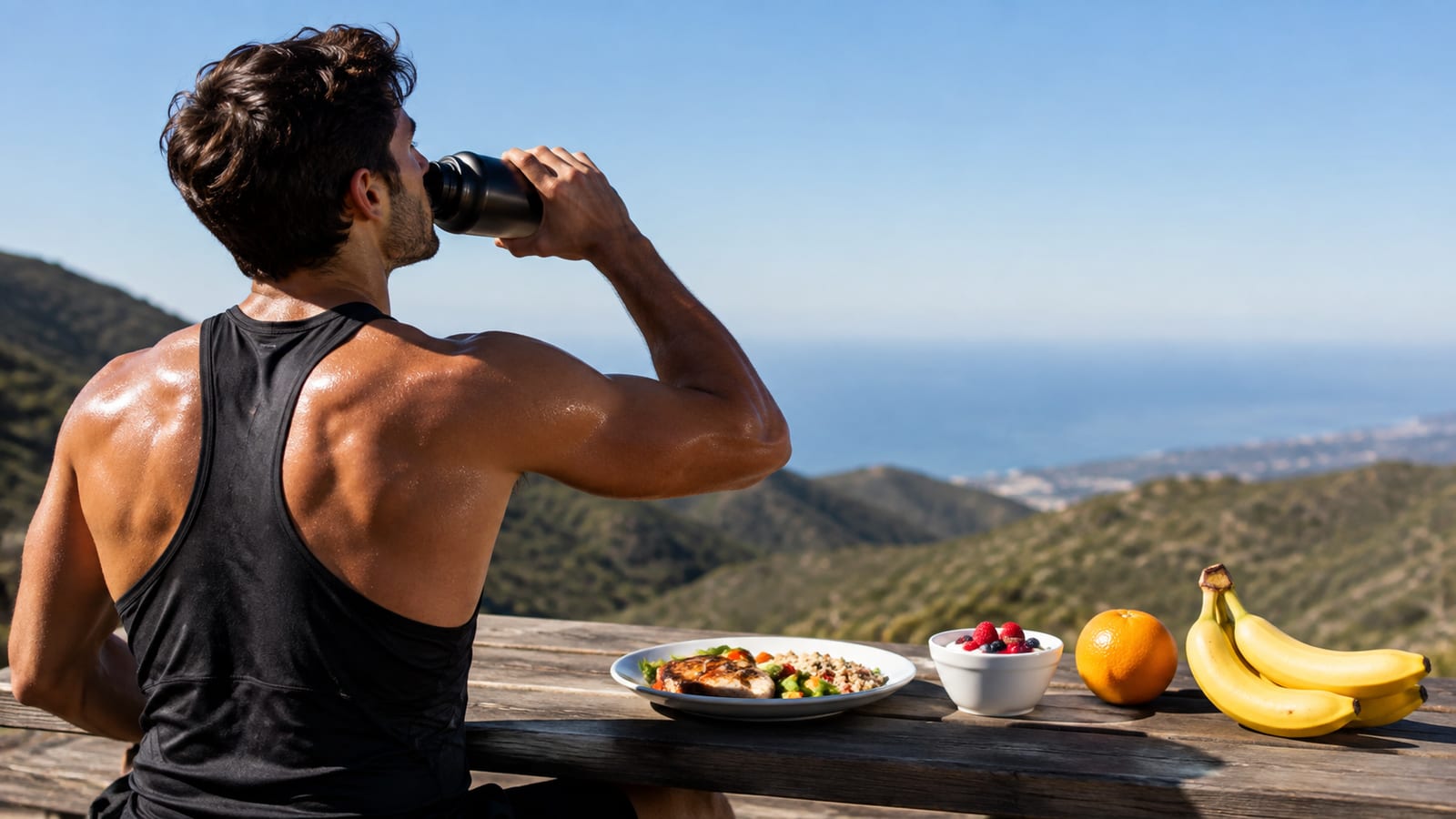
Drink regularly through the day and bring fluids to practice. Water works well for many shorter sessions.
A sports drink can help during long or hard training, hot conditions, heavy sweating, or back-to-back games. It supplies fluid and carbohydrate together. It is not required for every workout.
Electrolytes are minerals lost in sweat, including sodium. Your needs depend on sweat rate, heat, session length, and the amount you drink. A sports drink may help during a long tournament, while water and a normal meal may cover an easy session.
Common mistakes that cost athletes energy
Eating too many vegetables and too little food
A large salad may look like a complete meal. It often lacks enough carbohydrate and protein for an athlete. Add grains, beans, tofu, eggs, cheese, or bread.
Treating protein as the only priority
Protein matters, but training also needs carbohydrate. A diet built around protein bars and vegetables can leave you flat during practice.
Relying on supplements first
Powders can help with convenience. They cannot replace a missed lunch or a diet that lacks enough total food. Build the meals first, then use supplements for a clear reason.
Making every meal from scratch
This is how meal plans collapse during exam weeks, travel, and long workdays. Use frozen vegetables, canned beans, microwave rice, yogurt, eggs, and prewashed produce. Preparation should reduce stress.
Ignoring food tolerance
Beans, dairy, high-fat foods, and large amounts of fiber affect people differently. Keep a simple food log during training if symptoms keep interrupting practice. Persistent pain, vomiting, bloody stool, or symptoms that limit training deserve medical advice.
A practical shopping list
Keep these foods available:
- Oats, cereal, rice, pasta, potatoes, bread, tortillas, and bagels
- Canned beans, lentils, chickpeas, tofu, tempeh, and edamame
- Eggs, Greek yogurt, milk, cheese, and cottage cheese
- Fortified soy milk and fortified plant-based yogurt
- Bananas, apples, oranges, berries, and dried fruit
- Frozen vegetables, leafy greens, tomatoes, and peppers
- Peanut butter, nuts, seeds, avocado, olive oil, and tahini
- Pretzels, granola bars, applesauce, and jam for portable fuel
If you’re feeding a teenager, the vegetarian diet tips for teen athletes cover the schedule and appetite problems that adults often miss. Young athletes need enough food across the day, not a strict food spreadsheet.
Who should use this plan carefully?
This plan is a starting point for healthy athletes. It should be adjusted with professional help if you have diabetes, kidney disease, celiac disease, food allergies, a history of an eating disorder, or unexplained weight loss.
Young athletes also need adult support. Parents should focus on regular meals, water, practical snacks, and growth. Restrictive rules and fear around food can create more problems than a missed vegetable serving.
Endurance athletes, athletes trying to gain muscle, and athletes with very high training loads may need more food than this sample day provides. Use hunger, recovery, training quality, and medical guidance to decide what to add.
FAQ
Can a vegetarian athlete get enough protein without protein powder?
Yes. Tofu, tempeh, beans, lentils, eggs, dairy foods, soy milk, seitan, nuts, and seeds can cover protein needs. Powder is useful when travel or appetite makes a full meal difficult, but it is optional.
Should vegetarian athletes take iron automatically?
No. Iron supplements can cause side effects and may be unsafe in excess. Ask a clinician about a blood test and use the result, symptoms, diet, and training demands to guide treatment.
Is soy safe for athletes?
For most people, normal servings of tofu, tempeh, edamame, and fortified soy milk are reasonable foods. Choose products you tolerate and rotate them with beans, lentils, eggs, or dairy if those foods fit your diet.
How can I follow this plan while traveling?
Pack foods that travel well, such as bagels, pretzels, nut butter, cereal, dried fruit, shelf-stable soy milk, and protein bars. At restaurants, look for rice, pasta, potatoes, beans, eggs, tofu, yogurt, and fruit.
Can a vegetarian meal plan support weight loss?
It can, but athletes should avoid cutting food so far that training energy and recovery fall. If performance drops, sleep worsens, or hunger becomes constant, the plan needs more fuel and professional review.