

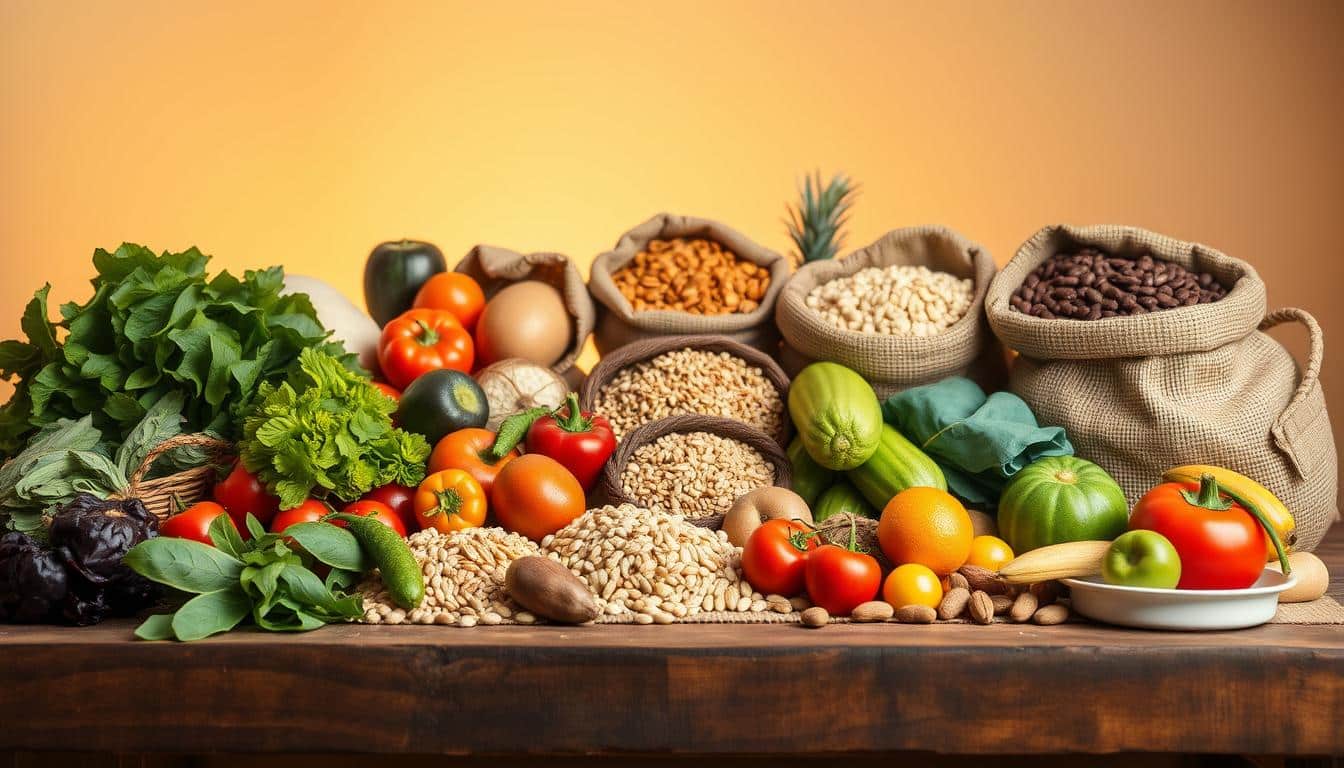
plant based athlete grocery list that actually fuels hard workouts starts with a handful of smart choices you’ll repeat each week.
Think whole foods, fortified options, and quick staples that save time and money. You’ll cover protein, iron, calcium, zinc, vitamin B12, vitamin D, and omega-3s without overcomplicating meals.
We focus on items that store well and cook fast. Stock pantry staples, fridge picks, and freezer backups so you always have a meal ready after training. Read labels for true whole grains and pick unsweetened, fortified milk and yogurt for stronger bones and muscles.
Use this grocery list to support training, recovery, and daily health. Plan a weekly shopping trip to cut waste and keep you fueled for workouts.
How this plant based athlete grocery list fuels training and recovery
Build meals that give steady energy and speed recovery so you hit workouts hard. Complex carbs like oats, brown rice, and sweet potatoes keep your engine running longer.
Protein staples such as lentils, tofu, tempeh, and quinoa support muscle repair and growth. Pair them across meals to meet daily needs without guesswork.
Healthy fats from avocado, nuts, seeds, and olive oil aid vitamin absorption and help control inflammation. That supports training output and day-to-day recovery.
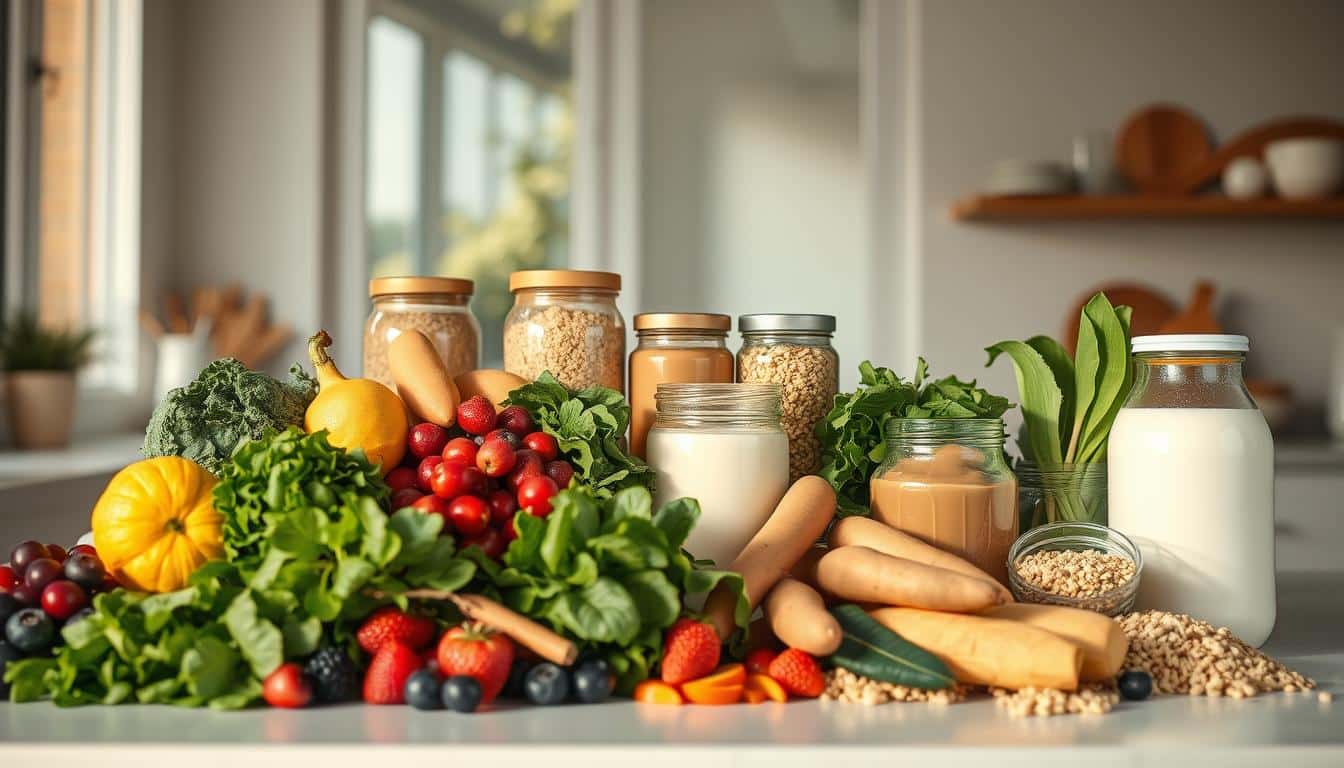
- You’ll get steady energy from complex carb foods before long workouts.
- You’ll meet protein needs with legumes, soy foods, and complete grains to support muscle repair.
- You’ll plan hydration with water first, coconut water for electrolytes, and added sodium for long efforts.
- You’ll include tart cherry juice to reduce soreness and speed recovery.
Pack iron, vitamin C, calcium, magnesium, zinc, and B vitamins into meals by mixing greens, fortified milks, and nuts. Then align your diet with training days to back peak efforts.
High-protein staples for muscle support
Pick versatile proteins you can cook once and use all week in bowls, wraps, or shakes. These choices make recovery simple and keep meals varied.
Legumes and soy options
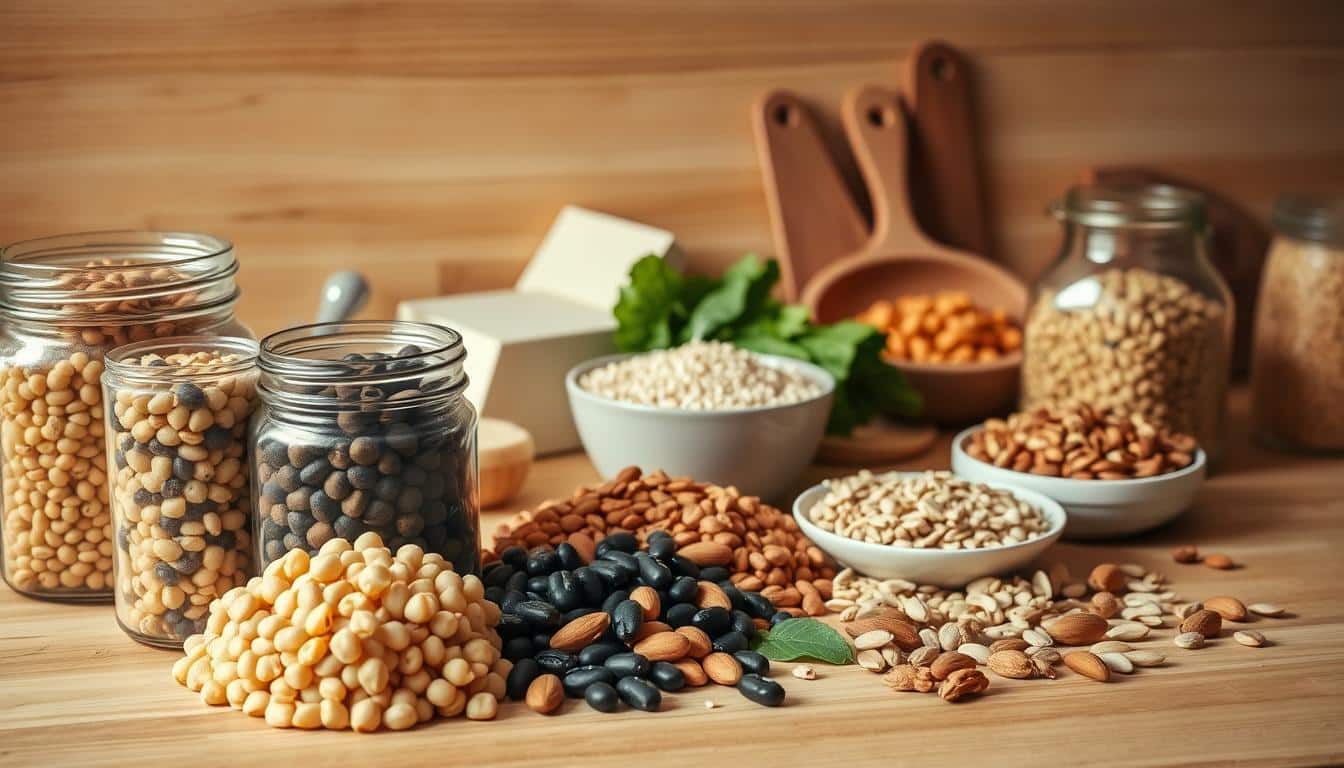
Legumes like lentils, beans, and chickpeas give protein, fiber, iron, and zinc. Batch-cook them for bowls, soups, and tacos.
Rotate firm tofu and tempeh for stir-fries and sandwiches. Keep frozen edamame for quick snacks and salad toppers.
Complete and complementary proteins
Quinoa and amaranth supply all nine essential amino acids. Use them in grain bowls when you want a single complete source.
Fortified pea or soy milks work well in shakes to boost daily intake.
Nuts and seeds
Nuts add calories and protein; seeds add omega-3s and texture. Sprinkle hemp, chia, or ground flax on oats and salads.
- Plan 20–40 grams of protein per meal for muscle recovery.
- Combine legumes with grains to round out amino acids across the day.
- Stock hummus, almonds, and peanut choices for fast energy and satiety.
| Product | Protein (per serving) | Key benefits | Best use |
|---|---|---|---|
| Lentils (cooked) | 9g | Fiber, iron, zinc | Bowls, soups |
| Tofu / Tempeh | 10–19g | Complete protein | Stir-fries, grills |
| Quinoa / Amaranth | 8g | All essential amino acids | Grain bowls |
| Hemp seeds / Almonds | 6–10g | Healthy fats, quick calories | Snacks, toppings |
Complex carbohydrates for sustained energy
Carbs are your engine during long sessions — choose slow-burning sources that keep energy steady.
Whole grains give B vitamins, minerals, and fiber to support long efforts and gut health. Oats add soluble fiber and heart benefits. Brown rice and farro keep you full and fuel training.
Starchy vegetables like sweet potatoes supply vitamins A and C plus potassium. That helps muscle function and recovery. Potatoes and beets also make portable, calorie-dense servings.
Everyday boosters such as bananas and berries add fast carbs and antioxidants. Bananas are an easy way to get quick sugar and potassium before or during a session.
Whole grain and starch options to rotate
- You’ll use oats and whole-grain pasta to build pre-workout meal options that digest well.
- You’ll cook brown rice or farro in batches to simplify weeknight meal prep.
- You’ll bake sweet potatoes for portable carb servings with potassium.
- You’ll carry bananas for fast fuel before or during training.
- You’ll mix berries into oats or yogurt for carbs and antioxidants.
- You’ll rotate barley, millet, and teff to increase nutrient variety.
- You’ll choose sprouted breads for easy digestion before early sessions.
- You’ll time higher-carb meals in the hours before key workouts.
- You’ll pair carbs with a bit of protein to steady energy release.
- You’ll adjust carb portions based on training load and the way your body responds.
Healthy fats and omega-3 fatty acids
Include a few reliable fat sources so meals stay satisfying and aid performance. Fats help energy, nutrient absorption, and recovery when you use them smartly around workouts.
Monounsaturated options like avocado and olive oil supply heart-friendly fatty acids and keep you full at lunch or after training. Use olive oil for dressings and roasting to add flavor without heaviness.
ALA-rich seeds and nuts
Flax, chia, walnuts, and hemp seeds are good ALA sources that may reduce inflammation. Grind flax or soak chia for better absorption and toss them into oats or smoothies for an easy boost.
- You’ll include avocado at lunch for satiety and heart-supporting fats.
- You’ll add ground flax or chia to oats to raise omega-3 intake.
- You’ll keep walnuts and hemp seeds handy for quick ALA boosts.
- You’ll store nuts and seeds in cool, dark places to protect oils.
Cooking and energy options
Coconut oil supplies MCTs that convert to quick energy and works well for high-heat cooking or recipes that need a distinct flavor. Use it selectively rather than as your main oil.
| Source | Main benefit | Best use |
|---|---|---|
| Avocado | Monounsaturated fatty acids, satiety | Sandwiches, bowls, spreads |
| Olive oil | Heart-healthy fatty acids, versatile | Dressings, roasting, low-heat sauté |
| Flax / Chia / Hemp | ALA omega-3 fatty acids | Oats, smoothies, toppings |
| Walnuts | Quick ALA boost and texture | Snacks, trail mixes, yogurt |
| Coconut oil | MCTs for fast energy | High-heat cooking, specific recipes |
Balance fats with carbs around workouts to fuel performance without GI distress. For more on how omega-3s aid endurance, check omega-3s for endurance.
Iron-rich foods for oxygen delivery
Iron powers your miles by helping blood carry oxygen to working muscles. For endurance, focus on consistent sources and smart pairings so non-heme iron is absorbed well.
Top sources and simple swaps
Primary sources: lentils, chickpeas, tofu, quinoa, spinach, and kale are reliable. Add them to bowls, soups, and smoothies for steady intake.
Boost absorption with vitamin C
Pair iron-rich meals with bell peppers, oranges, or strawberries. Vitamin C converts non-heme iron into a form your body absorbs more easily.
- You’ll add lentils and chickpeas to lunches during heavy training.
- You’ll pair tofu or quinoa with bell peppers to raise iron absorption.
- You’ll include spinach or kale in grain bowls and smoothies for extra iron.
- You’ll add orange segments or strawberries to salads to boost iron uptake.
- You’ll cook in cast iron when appropriate to raise iron content slightly.
- You’ll space coffee or tea away from iron-rich meals to avoid reduced absorption.
- You’ll monitor fatigue during high-volume phases and adjust iron-rich foods.
- You’ll consider fortified cereals if intake lags during travel weeks.
- You’ll plan iron checks with your clinician if you’re a high-mileage vegan athlete.
| Iron source | Good vitamin C pairing | Best use |
|---|---|---|
| Lentils | Bell pepper | Warm bowls, soups |
| Tofu / Quinoa | Orange segments | Salads, grain bowls |
| Spinach / Kale | Strawberries | Smoothies, salads |
Tip: Track iron foods across the week and discuss lab checks with your clinician to keep performance and health on point.
Calcium and vitamin D picks for bone health
Small swaps—like fortified milk and a tahini dressing—make a big difference for bone health. Pick products that deliver calcium and vitamin D reliably so you don’t have to track every meal.
Fortified milks and yogurts: soy, pea, oat options
Choose unsweetened, fortified milks and yogurts with about 5 g or more protein per serving. These give calcium and vitamin D in one convenient pour.
Read labels for “calcium (mg)” and vitamin D (IU). Prefer short ingredient lists and live cultures in yogurts.
Whole-food sources: tahini, almonds, leafy greens
Use tahini in dressings to boost calcium at dinner. Snack on almonds for calcium and vitamin E. Add spinach or kale to bowls and scrambles for extra mineral support.
- You’ll choose fortified soy or pea milk for reliable calcium and vitamin D.
- You’ll pick unsweetened plant yogurts with protein and live cultures.
- You’ll read labels to confirm fortification levels and protein content.
- You’ll rotate milks to match taste, budget, and travel needs.
- You’ll align calcium timing with vitamin D intake for better utilization.
| Source | Key benefit | Best use |
|---|---|---|
| Fortified soy/pea milk | Calcium & vitamin D, ~5g protein | Smoothies, cereal, coffee |
| Unsweetened plant yogurt | Live cultures + fortification | Snacks, bowls, parfaits |
| Tahini / Almonds / Leafy greens | Whole-food calcium and nutrients | Dressings, snacks, sides |
Magnesium, zinc, and B vitamins for performance
Micronutrients quietly power your training; a few targeted swaps keep you strong and sore-free.
Magnesium helps muscle recovery and reduces cramps. Add pumpkin seeds, almonds, whole grains, and leafy greens to snacks and dinners. You’ll often notice fewer cramps once needs are met.
Zinc supports immune function and cell growth. Eat legumes, nuts, seeds, and oats regularly to protect immune health during race season.
B vitamins and practical choices
Nutritional yeast is a tasty, savory source of B vitamins. Check labels to confirm B12 fortification. Fortified milks and cereals are reliable options if you need an extra boost.
- You’ll add pumpkin seeds and almonds to snacks to raise magnesium intake.
- You’ll include whole grains at dinner to support overnight recovery.
- You’ll eat legumes and oats to maintain zinc status during hard training.
- You’ll use nutritional yeast for B vitamins and a savory flavor boost.
- You’ll check labels to confirm B12 fortification in nutritional yeast.
- You’ll select fortified milks and cereals to cover vitamin B12 if needed.
- You’ll track micronutrient intake when training volume increases.
- You’ll keep a simple nutrition log to spot gaps early.
| Micronutrient | Good food source | Performance benefit |
|---|---|---|
| Magnesium | Pumpkin seeds, almonds, whole grains | Less cramping, faster recovery |
| Zinc | Legumes, seeds, oats | Immune protection, cell repair |
| B vitamins | Nutritional yeast, fortified milks, cereals | Energy metabolism, B12 for nerve & blood health |
These small nutrition moves fit any training diet and help a vegan athlete stay resilient. For meal ideas that pull these sources together, see our complete vegetarian meal plan. Keep it simple, log your intake, and tweak based on how your body responds—your performance will thank you.
Hydration and recovery aids for athletes
How you sip before, during, and after sessions changes how you feel the next day. Use a simple, steady approach so fluid balance supports training and recovery.
Coconut water and electrolyte choices
Coconut water is a natural source of potassium, magnesium, sodium, and calcium. It’s a light option for heat or medium-length efforts.
When needs rise, use electrolyte tablets or low-sugar sports drinks as other options. Test products in practice, not on race day.
Tart cherry juice for soreness and recovery
Tart cherry juice contains antioxidants that may lower muscle soreness and help sleep. Try a small glass in the evening after a hard session to aid recovery.
Water-first strategy with added sodium for long sessions
Start with water all day. Add a small pinch of salt to bottles for long or hot sessions to preserve sodium and prevent cramps.
- You’ll sip water across the day, not just around workouts.
- You’ll use coconut water or electrolyte tablets in long runs or hot weather.
- You’ll weigh yourself pre/post long sessions to track fluid loss.
- You’ll combine carbs with fluids during efforts over 60–90 minutes.
- You’ll test new products in training and avoid them on race day.
- You’ll track urine color as a quick hydration check and set reminders to sip.
| Drink | Main electrolytes | Best use |
|---|---|---|
| Coconut water | Potassium, magnesium, sodium, calcium | Short to mid sessions; heat recovery |
| Electrolyte tablets | Custom sodium & minerals | Long runs, hot races, tailored dosing |
| Tart cherry juice | Antioxidants (polyphenols) | Evening use to reduce soreness and aid sleep |
Vegetables to anchor meals
Start meals with a big serving of veggies to lock in vitamins, fiber, and antioxidants that support training and recovery. Vegetables add volume and keep you full without heavy calories.
Leafy greens: spinach, kale, romaine
Rotate quick greens like spinach and kale for iron, calcium, and vitamin K. Toss them into bowls, smoothies, or scrambles to make absorption easier and meals more nutrient-dense.
Crucifers and colorful picks: broccoli, cauliflower, beets, bell peppers
Cruciferous veggies bring fiber and phytochemicals that aid recovery. Beets supply dietary nitrates that can support oxygen efficiency and lower perceived effort during tough sessions.
Bell peppers boost vitamin C, which helps your body absorb non-heme iron from other foods.
- You’ll fill half the plate with vegetables to raise fiber and micronutrients.
- You’ll rotate leafy greens like spinach and kale for iron and calcium.
- You’ll include cruciferous veggies for fiber and phytochemicals.
- You’ll roast mixed veggies in bulk for fast weeknight builds.
- You’ll add beets before key workouts for nitrate benefits.
- You’ll use bell peppers to boost vitamin C and support iron uptake.
- You’ll keep pre-washed salad mixes for busy days.
- You’ll choose frozen vegetables to save prep time without losing nutrients.
- You’ll aim for color variety to broaden nutrient coverage.
- You’ll fold veggies into pastas, grain bowls, and wraps for easy wins.
Fruits for antioxidants and quick carbs
Right-sized fruit servings offer quick carbs, potassium, and a vitamin boost around training. Use them to top a bowl, fuel a warm-up, or speed recovery after a hard session.
Daily staples and travel-friendly picks
Bananas give fast carbohydrates and potassium—perfect before a workout for steady energy and easy digestion.
Apples and grapes travel well. Toss them in a tote for work or a long day of training.
High-antioxidant options and post-workout uses
Berries and cherries pack antioxidants that may cut inflammation and shorten soreness. Blend them into smoothies or add tart cherry juice after heavy sessions.
Citrus supplies vitamin C, which helps your body absorb iron from other foods. Add orange slices to post-workout bowls.
- You’ll grab bananas for pre-workout fuel and easy digestion.
- You’ll freeze grapes or berries for cool-down snacks in hot weather.
- You’ll pair fruit with nuts or yogurt for balanced snacks after training.
- You’ll rotate seasonal fruit to save money and boost freshness.
| Fruit | Main benefit | Best use |
|---|---|---|
| Banana | Quick carbs, potassium | Pre-workout snack |
| Berries / Cherries | Antioxidants, anti-inflammatory | Smoothies, post-workout |
| Orange / Citrus | Vitamin C for iron uptake | Recovery bowls, salads |
Pantry essentials to save time
A well-organized pantry lets you turn a few minutes into a balanced meal. Keep staples that cook fast or need no cooking at all.
Canned goods: Choose low-sodium or no-salt-added canned beans and peas. Rinse them before use to cut sodium further. Stock canned tomatoes for soups, chilis, and quick sauces.
- You’ll keep low-sodium canned beans for 5-minute protein bowls.
- You’ll stock canned tomatoes for soups, chilis, and sauces.
- You’ll buy oats, rice, and quinoa in bulk for better value and speed.
- You’ll choose whole-grain pasta for fast weeknight carbs.
- You’ll add tahini and peanut butter for quick sauces and energy.
- You’ll use nutritional yeast to boost B vitamins and flavor; check labels.
- You’ll rotate spices to keep meals interesting without extra sodium.
- You’ll build a master shopping list that restocks staples before they run out.
- You’ll store dry goods in airtight containers to extend shelf life.
- You’ll group pantry items by meal type to cut prep time.
| Category | Key products | Quick use |
|---|---|---|
| Low-sodium cans | Beans, peas, tomatoes | 5-minute bowls, sauces |
| Whole-grain dry goods | Oats, brown rice, quinoa, whole-grain pasta | Batch cook, bowls, sides |
| Condiments & boosts | Tahini, peanut butter, nutritional yeast | Dressings, shakes, savory flavor |
Label tips:Pick nut and seed butters with short ingredient lists. Look for nutritional yeast that lists B12 if you want added coverage. When shopping, favor bulk packages for staples to save money and time.
Freezer and refrigerated items for convenience
Frozen and refrigerated picks give you options that save time without sacrificing nutrition. Keep a small rotation of easy-to-use items so you can build a solid meal in minutes.
Frozen produce
Frozen mixed vegetables are usually pre-washed and pre-chopped, which cuts waste and prep time. They thaw quickly for stir-fries, soups, or a simple side.
Frozen berries keep smoothies and oatmeal bright year-round. Avoid fruit packed in syrups or creamy sauces to cut added sugar.
Protein options
Frozen edamame is a fast, high-protein side or snack. Steam and season for 5 minutes.
Store tofu and tempeh in the fridge for ready proteins. Use them in wraps, bowls, and quick sautés.
Occasional convenience products
Frozen entrees can be handy on busy nights. Check sodium and aim for meals with less than 30% of your daily sodium per serving.
Use breakfast products like JUST Egg sparingly. Build most meals from whole foods and use packaged options as a backup.
- You’ll buy frozen mixed vegetables to speed weeknight stir-fries.
- You’ll keep frozen berries for smoothies and oatmeal toppers.
- You’ll stock frozen edamame for a quick protein side or snack.
- You’ll store tofu and tempeh in the fridge for ready proteins.
- You’ll choose occasional frozen entrees with moderate sodium and solid protein.
- You’ll avoid fruits and vegetables packed in syrup or creamy sauces.
- You’ll use the freezer to portion cooked grains and beans for busy weeks.
- You’ll label containers with dates to rotate items the right way.
- You’ll keep a short list on the freezer door to track what you have.
| Item | Main advantage | Best use |
|---|---|---|
| Frozen mixed vegetables | Pre-washed, low waste | Stir-fries, soups, quick sides |
| Frozen berries | Year-round antioxidants | Smoothies, oatmeal toppings |
| Frozen edamame | Fast protein | Snacks, salad toppers |
Smart shopping tips for a plant-based diet
A few label-checking habits save time and steer you to higher-quality products on every trip. Read ingredient panels and nutrition facts like a quick checklist. That small routine pays off in meals that fuel training and recovery.
Read grain wording and stamps
Look for “whole” before a grain in the first ingredient. The Whole Grains Stamp is a fast shortcut when you’re scanning shelves.
Pick milks and yogurts with protein
Choose unsweetened, plain milk and yogurt options with about 5 g or more protein per serving. Compare protein per serving on the Nutrition Facts panel.
Choose better nuts and nut butter
Favor dry-roasted or raw nuts. For nut butter, avoid added sugar and palm oil—short ingredient lists win.
- You’ll check for “whole” in the first ingredient and the Whole Grains Stamp.
- You’ll compare protein per serving on plant milk and yogurt and pick unsweetened.
- You’ll avoid nut butter with added sugar and palm oil to improve quality.
- You’ll choose dry-roasted or raw nuts to avoid excess oils and sodium.
- You’ll scan sodium on canned goods and aim for low or no salt added.
- You’ll compare per-serving protein and fiber to guide value picks.
- You’ll favor shorter ingredient lists for everyday products.
- You’ll buy store brands when nutrition facts match national brands.
- You’ll use unit pricing to spot the best bulk deals on grains and beans.
- You’ll keep a running list to avoid impulse buys that don’t support goals.
| Product | Label to check | What to prefer | Quick tip |
|---|---|---|---|
| Whole grains | First ingredient | “Whole” listed before grain, Whole Grains Stamp | Skip “enriched” if whole is absent |
| Plant milk / yogurt | Protein per serving | Unsweetened, ≥5 g protein | Compare brands by protein and sugar |
| Nuts & nut butter | Ingredient list | Dry-roasted/raw; no sugar or palm oil | Short lists mean fewer additives |
Plant based athlete grocery list: build fast meals and snacks
Stack familiar foods into smart meals and snacks you can make in minutes. These quick builds save time and keep fuel ready for sessions and recovery.
Pre-workout ideas
Grab a banana with peanut butter 45–60 minutes before you head out. It gives quick carbs plus a touch of fat to slow digestion.
Make oats with berries and chia seeds for steady energy on longer efforts. Prep overnight oats the night before to save time in the morning.
Post-workout ideas
Pair quinoa and black beans with avocado and salsa for a balanced meal that refuels glycogen and adds protein for muscle repair.
Blend fortified soy milk with hemp seeds, banana, and spinach for a fast shake. The milk adds calcium and protein to support recovery.
On-the-go snacks
- Pack hummus with sliced veggies for a crunchy, portable snack.
- Mix trail mix with nuts, seeds, and dried fruit for long days.
- Keep seaweed snacks or whole-grain wraps for quick, salty cravings.
| When | Example | Why it works |
|---|---|---|
| Pre-workout | Banana + peanut butter | Fast carbs + a bit of fat for steady energy |
| Post-workout | Quinoa + black beans + avocado | Carbs + protein to aid muscle recovery |
| On-the-go | Hummus & veggies / trail mix | Portable foods that keep hunger at bay |
Conclusion
A small core of versatile foods makes healthy meals easy no matter how busy your week gets.
Keep a short list of core groups: beans, tofu and tempeh for protein, oats and brown rice for grains, and frozen vegetables and fruit for quick wins. Add nuts, hemp, and chia seeds to raise healthy fats and protein without fuss.
Choose fortified products for calcium, vitamin D, and B12. Favor whole-food items over ultra-processed options to protect long-term health and control added sodium and calories.
Shop with simple goals. Tweak one item each trip. Track what fuels your recovery and muscle gains, and build meals that fit your training and time.