


You don’t need to eat immediately after training, but you should plan protein, carbohydrates, and fluids around the session when recovery, performance, or your next workout matters. Should You Eat Right After Training? Usually, eating within an hour is a sensible target after demanding exercise. Still, a recent meal, low hunger, and an easy workout can make waiting perfectly reasonable.
Last updated: 2026-08-27
The short answer: eat when recovery requires it
Post-workout food matters most after a hard, long, or repeated session. It also matters if you trained without much food beforehand or need to perform again soon.
A short, easy workout doesn’t create the same demand. If you ate a balanced meal before training and your next session is far away, you can wait until your normal meal. Your body doesn’t stop recovering because you missed an arbitrary deadline.
Generally, eat within an hour after exercising, then eat again within two to four hours. Use that as a practical schedule, not a command to swallow a shake while still in the gym.
Your first choice after a demanding workout should be a balanced meal with:
- A reliable protein source
- Carbohydrates
- Fluids
- Fruit or vegetables when practical
If a full meal won’t happen soon, use a portable snack and eat a proper meal later.
What post-workout nutrition actually does
Training creates several jobs for food and fluid. The right choice depends on what you did, what you ate beforehand, and what your schedule demands next.
Muscle repair
Exercise places stress on muscle tissue. Protein supplies amino acids, which your body uses to repair and maintain that tissue.
This doesn’t mean you need a special recovery product. Eggs, milk, yogurt, chicken, fish, tofu, beans, lentils, and soy foods can all contribute protein. A meal works just as well as a supplement if it provides enough total food.
Glycogen restoration
Your muscles store carbohydrate as glycogen, which helps fuel hard exercise. Long runs, intense intervals, demanding practices, and repeated games use more of those stores than an easy mobility session.
Carbohydrates after training help replace that stored fuel. This matters most if you’ll train again soon or need to perform at a high level the next day.
A small 2024 study found that trained male athletes who consumed carbohydrates shortly after exercise sustained higher-intensity athletic performance the next day than those who waited three hours. The study was small, so it doesn’t create a rule for everyone. It does support the practical choice to prioritize carbohydrates after demanding training.
Hydration
You lose fluid through sweat, breathing, and heat. Water helps replace routine fluid losses and usually covers ordinary workouts.
Electrolytes are minerals such as sodium that help regulate fluid balance and nerve and muscle function. You may need more sodium after prolonged exercise, heavy sweating, hot conditions, or repeated sessions.
Post-workout hydration also helps you feel better later. Waiting until you have a headache, dark urine, or strong thirst means you’ve already fallen behind.
Appetite management
Hard training can suppress hunger for a while. If you wait too long, that hunger may return when you’re tired, busy, and willing to eat anything available.
A small snack can bridge that gap. It gives you a starting point without forcing down a large meal when your stomach isn’t ready.
Readiness for future training
Recovery food prepares you for the next session. It helps replace used energy, supports muscle repair, and gives you a chance to drink before the day gets away from you.
This is why post-workout nutrition matters more for an athlete with practice tomorrow than for someone who took an easy walk and has no demanding session ahead.
Should You Eat Right After Training?
You should usually eat within an hour after hard, long, or repeated training. You don’t need to eat the moment exercise ends, and you don’t need to force a full meal if your stomach is unsettled.
Your timing should reflect five things:
- What you ate before training
- How hard and long the workout was
- How much you sweated
- When you’ll train again
- How hungry you feel
If you ate a full meal shortly before training, you may have less urgency afterward. If you trained early after an overnight fast, a snack or breakfast deserves more attention.
The next session sets the deadline. An athlete training again later the same day needs a faster recovery plan than someone who has a rest day ahead.
For more detail on combining these nutrients, see this guide to the carbohydrate-protein ratio after training.
Protein supports muscle repair
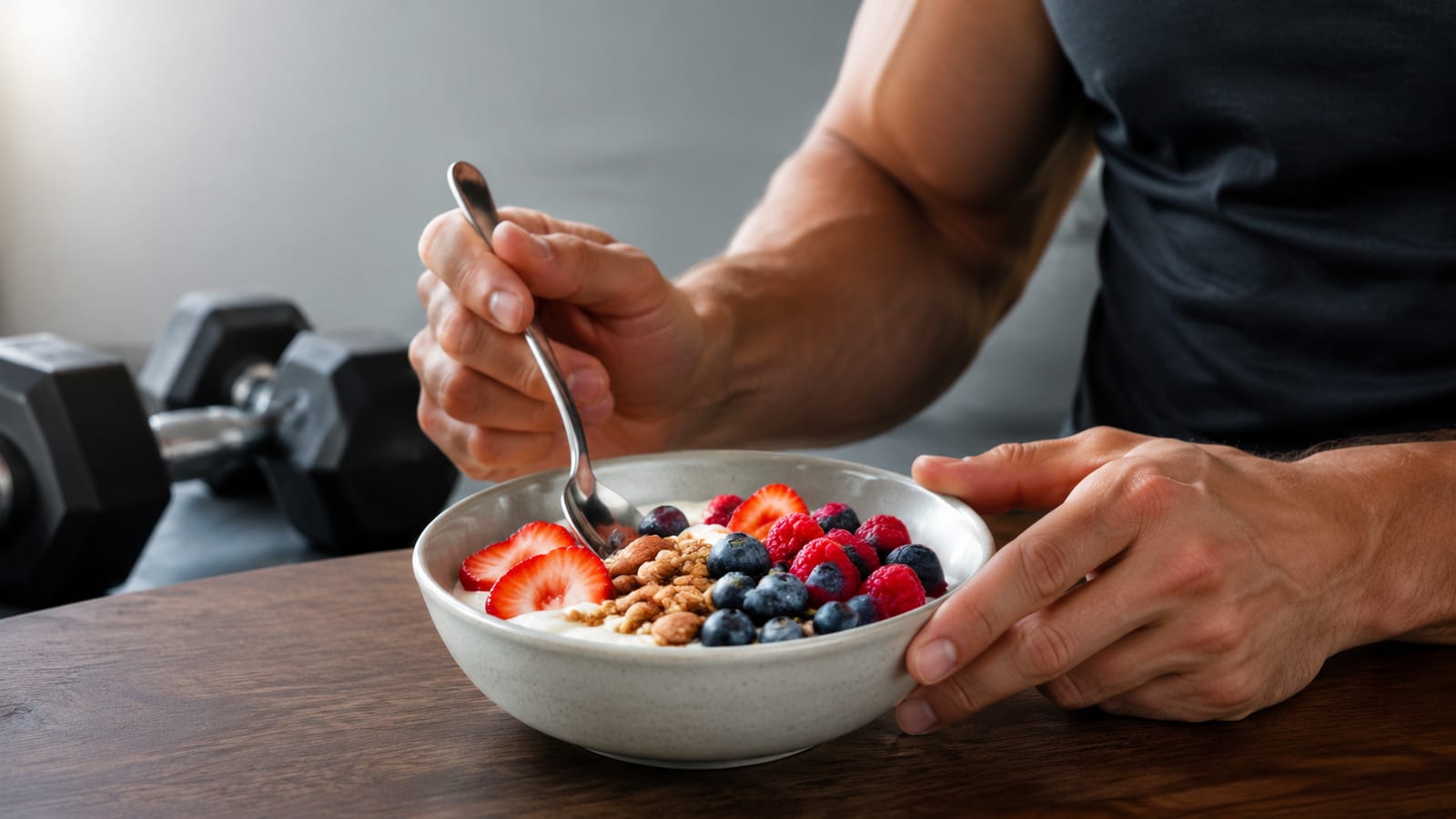
Include a useful serving of protein in your first meal or snack after training. You don’t need to weigh every ingredient or buy a powder.
Good options include:
- Greek yogurt with fruit and cereal
- Eggs on toast
- Milk with a bagel
- Chicken in a rice bowl
- Tuna on crackers
- Tofu with noodles
- Lentil pasta with cheese
- Beans in a burrito
- Soy yogurt with a banana
The best option is the one you’ll eat consistently and digest comfortably. A supplement can help if you’re stuck without a kitchen, but it is not a requirement for muscle repair.
Also, don’t turn the post-workout serving into your only protein for the day. Muscle repair continues beyond one snack. Regular meals across the day do more work than one oversized recovery drink.
Carbohydrates restore glycogen
Choose a carbohydrate-forward meal after long, hard, or repeated training. This is especially useful for endurance sessions, tournaments, two-a-day schedules, and practices with repeated sprints.
Useful carbohydrate foods include:
- Rice
- Potatoes
- Pasta
- Bread
- Oats
- Cereal
- Fruit
- Pretzels
- Tortillas
- Beans and lentils
Pair carbohydrates with protein instead of treating them as a reward or a problem. Rice with eggs, pasta with chicken, yogurt with cereal, and a bean burrito all support recovery in ordinary ways.
A lower-carbohydrate meal can be reasonable after an easy workout when your next session is distant. You still need enough total food, and you shouldn’t remove carbohydrates simply because the workout ended.
That restriction often backfires. You may feel fine at dinner, then start the next workout under-fueled.
Hydration and electrolytes after exercise

Water is the default for most ordinary workouts. Drink with your meal and continue drinking through the rest of the day.
An electrolyte drink earns its place after:
- Heavy sweating
- Prolonged exercise
- Hot or humid conditions
- Back-to-back games
- Training sessions where water alone leaves you feeling depleted
You don’t need a sports drink after every short workout. The drink adds fluid and often carbohydrate, but it is not automatically a better recovery choice.
If you’re unsure about signs of dehydration or repeated fluid problems, use the guidance from MedlinePlus on dehydration. Persistent dizziness, fainting, confusion, or an inability to keep fluids down needs medical attention.
Post-workout meals for real schedules
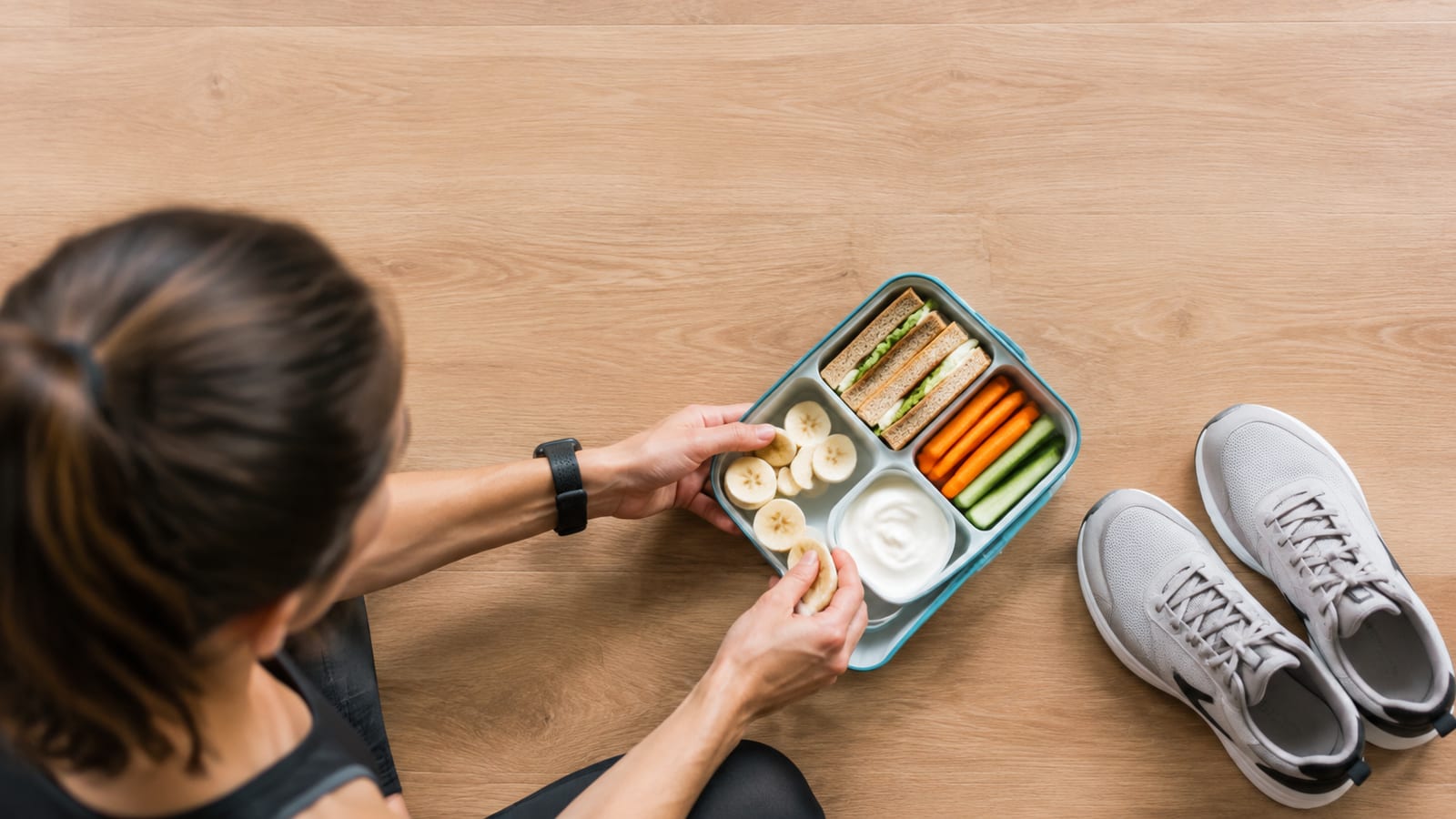
The balanced meal
Verdict: Make this your default after a demanding session.
Build the meal from protein, carbohydrates, fluids, and whatever produce is practical. Try:
- Salmon, potatoes, and fruit
- Chicken, rice, and vegetables
- Tofu stir-fry with noodles
- Lentil pasta with tomato sauce
- A bean burrito with salsa
- Eggs, toast, yogurt, and a banana
This meal supports several recovery needs at once. It also costs less than assembling separate powders, capsules, and specialty drinks.
The protein-and-carbohydrate snack
Verdict: Choose this when a full meal is inconvenient or your appetite is low.
Try:
- Chocolate milk and a bagel
- Yogurt with cereal
- A turkey sandwich and fruit
- A banana with milk
- Cheese and crackers
- Soy yogurt with applesauce
- A peanut butter sandwich
A snack buys you time. If your next meal is still several hours away, make the snack substantial enough to prevent a long gap.
The portable option
Verdict: Pack it before training, because good intentions don’t fit in an empty gym bag.
Portable choices include:
- A jam sandwich
- Pretzels and a milk carton
- A bagel with peanut butter
- A shelf-stable milk drink
- A turkey wrap
- Applesauce and jerky
- Low-fiber cereal in a container
Keep cold foods in an insulated bag with an ice pack. Food safety is part of recovery nutrition. A warm dairy product is not a clever test of your digestive tolerance.
The low-appetite option
Verdict: Start small and liquid if your stomach needs a gentler entry.
Try a smoothie with milk or soy milk, banana, oats, and yogurt. A drinkable yogurt with toast also works.
Avoid forcing down a giant meal after intense exercise. Start with fluids and a modest snack, then eat more when your stomach settles.
The budget option
Verdict: Use supermarket basics before buying sports products.
Rice, oats, potatoes, beans, eggs, milk, bananas, bread, peanut butter, and canned fish can cover most recovery needs. Frozen vegetables and fruit also reduce waste and preparation time.
A recovery meal doesn’t need an impressive label. It needs enough food to match the training you completed.
Pre-workout versus post-workout eating
Pre-workout food sets up the session. Post-workout food helps you recover from it.
A solid meal before training can reduce the urgency of eating immediately afterward. You’ve already supplied some energy, and your body may not need a large refill right away.
Still, pre-workout eating doesn’t erase post-workout needs. After a demanding session, you’ll still benefit from protein, carbohydrates, and fluids. The difference is that you can often eat at your normal meal time instead of rushing for a snack.
Use both opportunities based on your schedule:
| Situation | Better focus |
|---|---|
| You ate a balanced meal before training | Hydrate, then eat your next normal meal |
| You trained after a small snack | Plan a more complete meal afterward |
| You trained fasted | Prioritize a snack or breakfast soon |
| You have another session later | Refuel promptly with carbohydrates and protein |
| You have a rest day next | Eat normally and follow your appetite |
If morning sessions cause long gaps before breakfast, these recovery meals after morning workouts can keep the plan simple.
Match recovery nutrition to workout intensity
Easy workouts
After easy mobility work, light cycling, or a relaxed walk, you usually don’t need a special recovery meal. Drink water and eat your next normal meal.
If you’re hungry, use a regular snack. There’s no benefit in adding a large recovery product to a workout that created little recovery demand.
Moderate workouts
After a moderate strength session or steady practice, include protein and carbohydrates in your next meal. A sandwich with fruit, yogurt with oats, or rice with tofu can cover the basics.
You don’t need to chase fast digestion if you feel comfortable and have no second session soon.
Hard workouts
Hard intervals, heavy lifting, intense team practice, and competitive games deserve more planning. Eat within an hour when possible, especially if you trained with little food beforehand.
Choose a complete meal or a protein-and-carbohydrate snack followed by a meal. Also replace fluids before you move on with your day.
Long workouts
Long endurance sessions use more stored carbohydrate and create more fluid loss. Make carbohydrates and fluids a clear part of the recovery plan.
A bowl of rice with chicken, pasta with tofu, or potatoes with eggs is a better fit than a tiny salad. The meal needs to replace what the session used.
Multiple daily sessions
Two workouts in one day create the strongest case for prompt recovery food. After the first session, eat carbohydrates and protein before the next one rather than waiting for hunger to make the decision.
Pack the food before the day begins. The second session will expose a missed meal faster than the first.
When waiting to eat is perfectly fine
Waiting is practical after a short, easy workout when you’ve eaten recently and feel comfortable. You can also wait if your next demanding session is far away and your normal meal is coming soon.
Low hunger is another reason to delay a full meal. Start with water, then eat a smaller snack if the appetite problem lasts.
Waiting becomes a poor plan when you’re training again soon, sweating heavily, or finishing a demanding session after a long gap without food. In those cases, a simple snack is usually easier than trying to catch up later.
The goal is enough recovery support across the day. Immediate eating is only one way to achieve it.
Common post-workout nutrition mistakes
Following a rigid countdown
The so-called recovery clock is not a reason to panic. Timing matters, but the last meal and next workout matter more than a made-up deadline.
Use the general within-an-hour target after demanding exercise. Adjust it when your stomach, schedule, and training load call for a different plan.
Eating an oversized recovery meal
A huge meal can leave you sluggish, bloated, and less willing to train again. Start with a reasonable serving, then eat again later if you still need food.
Recovery is easier when digestion is part of the plan.
Buying supplements you don’t need
Protein powder, recovery drinks, and electrolyte products can be convenient. They are not automatically better than food.
Use them when access, appetite, or travel makes real food difficult. Otherwise, milk, yogurt, sandwiches, rice bowls, and burritos are dependable choices.
Cutting carbohydrates after every workout
Carbohydrates are useful training fuel. Removing them after a hard or repeated session can leave you short for the next practice.
Choose the amount based on the workout and your next demand. A lower-carbohydrate meal may suit an easy day, but it makes less sense after a long tournament.
Ignoring digestion
A nutritious meal can still be a poor post-workout choice if it causes stomach trouble. Large amounts of fat, fiber, or spicy food may feel rough when your appetite is low.
Use familiar foods after important training. Test new meals on ordinary days, not before a competition or another hard session.
Treating hunger as a failure
Hunger after training is useful information. It often means the session created a larger food need than your earlier meal covered.
Respond with a planned meal or snack. Trying to ignore it usually makes the next food choice harder.
A simple post-workout decision rule
Use this checklist after training:
- Rate the workout demand. Was it easy, moderate, hard, long, or repeated?
- Check the last meal. Did you eat enough beforehand, or did you train after a long gap?
- Check the next session. Are you training again soon, tomorrow, or much later?
- Check your appetite. Can you handle a full meal, or do you need something small?
- Check your fluids. Did you sweat heavily, train in heat, or finish unusually thirsty?
- Choose the smallest plan that covers the need. Use a meal when possible and a snack when necessary.
Here’s the practical version:
- Easy workout, recent meal, distant next session: Drink water and eat normally.
- Demanding workout, no urgent next session: Eat a balanced meal within an hour when practical.
- Low appetite or no kitchen: Choose a portable protein-and-carbohydrate snack.
- Long, hot, sweaty, or repeated training: Prioritize carbohydrates, fluids, and electrolytes.
- Another workout later: Refuel promptly, then eat again within two to four hours.
Should You Eat Right After Training? Yes, if the session created a real recovery demand. No, if you’re treating a short easy workout like a professional training camp.
FAQ
Does eating after training cause weight gain?
Eating after training does not automatically cause weight gain. Your overall food intake, training load, and body goals matter more than the clock.
A normal recovery meal can fit weight management, muscle gain, or general fitness. The mistake is skipping needed food after hard training, then overeating later because you’re exhausted and ravenous.
Is it okay to train in the morning and wait until lunch to eat?
It can be okay after easy training if you feel well and have no second session soon. After hard or long morning exercise, waiting that long makes recovery harder and may leave you low on energy.
Use a small breakfast if a full meal feels unpleasant. Milk and toast, yogurt and fruit, or a banana with a sandwich later can bridge the gap.
Do you need protein after cardio?
Protein can support recovery after cardio, especially after long, hard, or repeated sessions. You don’t need a separate protein drink if your next meal includes foods such as eggs, dairy, poultry, fish, tofu, beans, or lentils.
The longer and more demanding the session, the more useful it becomes to plan that meal instead of leaving it to chance.
What should you do if food makes you nauseous after exercise?
Start with small sips of fluid and a modest, familiar snack. Toast, a banana, pretzels, applesauce, or a drinkable yogurt may be easier than a full plate.
If nausea keeps limiting training, or you have vomiting, severe pain, or other concerning symptoms, speak with a qualified clinician. Randomly switching foods won’t solve a problem that needs assessment.