

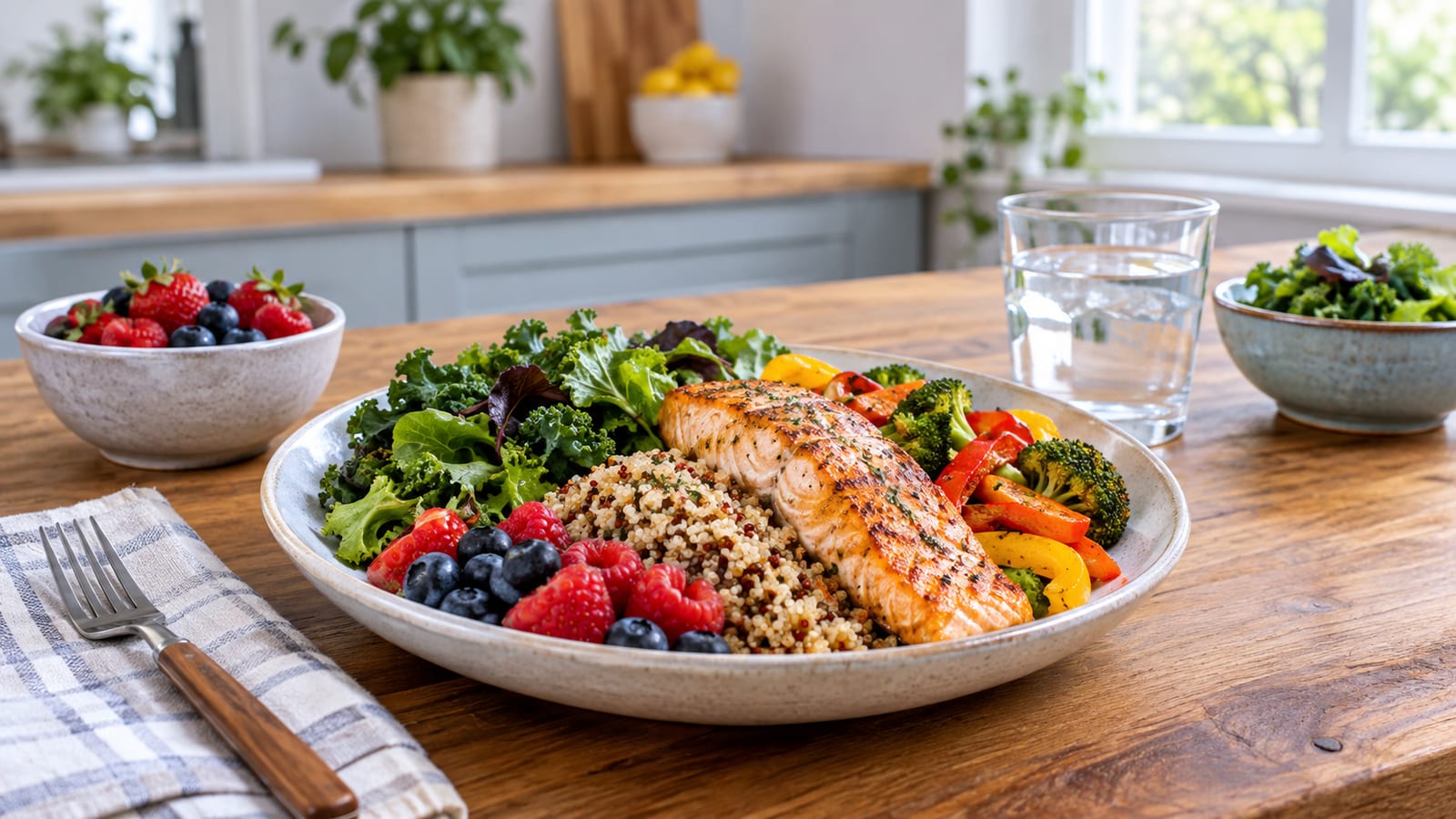
Choose anti-inflammatory recipes that support training: a salmon bowl with rice and vegetables, a chicken stir-fry with turmeric and ginger, a tart cherry smoothie, or a berry yogurt bowl. These meals provide carbohydrates, protein, fluids, colorful plants, and fats that fit busy schedules.
They can support recovery, but they won’t fix poor sleep, under-fueling, or a training plan that never gives your body room to recover.
Inflammation is part of training. Your body uses it to respond to stress and repair tissue after exercise. Trouble starts when high training load, poor recovery, low energy intake, illness, and daily stress keep piling up. These meals cover the food side of that problem.
What makes a recipe useful for an athlete?
A useful anti-inflammatory meal still has to do the work of sports nutrition. Build it around enough carbohydrates for training, enough protein for muscle repair, fluids to replace sweat losses, and ingredients you can digest.
The right choice depends on the session ahead:
| Training situation | Recipe priority | What to emphasize |
|---|---|---|
| Hard session or competition day | Fast, familiar fuel | Carbohydrates, fluids, moderate protein |
| Strength training day | Recovery and steady energy | Carbohydrates, protein, colorful produce |
| Easy day | Full meals without excess fuss | Protein, vegetables, carbohydrates to match your load |
| Back-to-back sessions | Quick refueling | Easy carbohydrates, drinkable fluids, portable protein |
| Sensitive stomach | Lower fiber and lower fat near training | Rice, potatoes, bananas, yogurt, cooked vegetables |
You don’t need every recipe on the same day. Choose the meal that matches your next training demand and your stomach’s tolerance.
For more ingredient ideas, see this guide to anti-inflammatory foods for athletes. This article turns those foods into meals you can actually schedule.
1. Omega-3 Salmon Recovery Bowl
Choose this bowl after a demanding workout or later in the day when you need a complete meal. Salmon provides omega-3 fats, while rice or potatoes replace carbohydrate used during training. Add cooked vegetables, lemon, and a fluid-rich side so the meal does more than deliver protein.
Build one with salmon, rice or roasted potatoes, steamed broccoli, carrots, or green beans, and a small amount of avocado or olive oil. Plain yogurt with herbs makes a simple sauce. Water or milk alongside the bowl helps you finish the meal with fluids.
Bake, pan-cook, or air-fry the salmon until it flakes easily. Keep the fat moderate if you’re eating soon before another session. Salmon is nutritious, but a large fatty meal can sit heavily when your next workout is close.
Omega-3-rich fish can fit a recovery diet, but food should come before fish oil. The National Institutes of Health guidance on omega-3 fatty acids explains the different types and their food sources. For most athletes, the first move is adding suitable foods they can eat consistently.
2. Antioxidant Veggie Power Salad
A salad can support an athlete, but a bowl of leaves alone is a poor recovery meal. Add a carbohydrate, a protein source, fruit, and enough dressing to make lunch or dinner satisfying.
Start with mixed greens, then add roasted sweet potato or cooked quinoa. Chicken, tofu, eggs, beans, or lentils cover the protein. Blueberries, oranges, or sliced strawberries bring sweetness and color, while bell peppers, tomatoes, pumpkin seeds, walnuts, olive oil, and lemon round out the meal.
Build the salad around the carbohydrate and protein first. Add vegetables and fruit afterward, then use seeds or nuts in a modest amount for texture and fat.
Choose cooked vegetables instead of a large pile of raw produce if your stomach feels unsettled after training. Beans, lentils, large salads, and heavy dressings can cause trouble before running, jumping, or hard intervals. They may be healthy foods, but timing still matters.
This meal fits an easy training day, a lunch away from practice, or dinner after a session with plenty of time before bed. If you need more energy, add bread, a pita, or extra potatoes.
3. Turmeric Ginger Chicken Stir-Fry
Make this stir-fry for a complete dinner, not because turmeric turns an ordinary meal into treatment. The useful training support comes from the whole plate: chicken for protein, rice for carbohydrates, vegetables for fiber and micronutrients, and sauce for taste.
Cook chicken breast or thigh with rice and vegetables such as bell peppers, carrots, snow peas, or broccoli. Add fresh ginger, ground turmeric, garlic, low-sodium soy sauce or tamari, and a small amount of sesame oil.
Cook the chicken thoroughly, then stir-fry the vegetables until tender. Serve everything over rice and adjust the carbohydrate portion to match your training load.
Use less oil and sauce if you’re eating this close to practice. Add more rice after a long or intense session. The same recipe can support different needs by changing the carbohydrate portion, which is more practical than creating a separate meal for every workout.
Turmeric is widely used in food, but concentrated supplements have different risks and doses. The National Center for Complementary and Integrative Health information on turmeric covers the limits of current evidence and possible side effects. Food amounts are easier to include safely, especially for young athletes.
4. Tart Cherry Recovery Smoothie
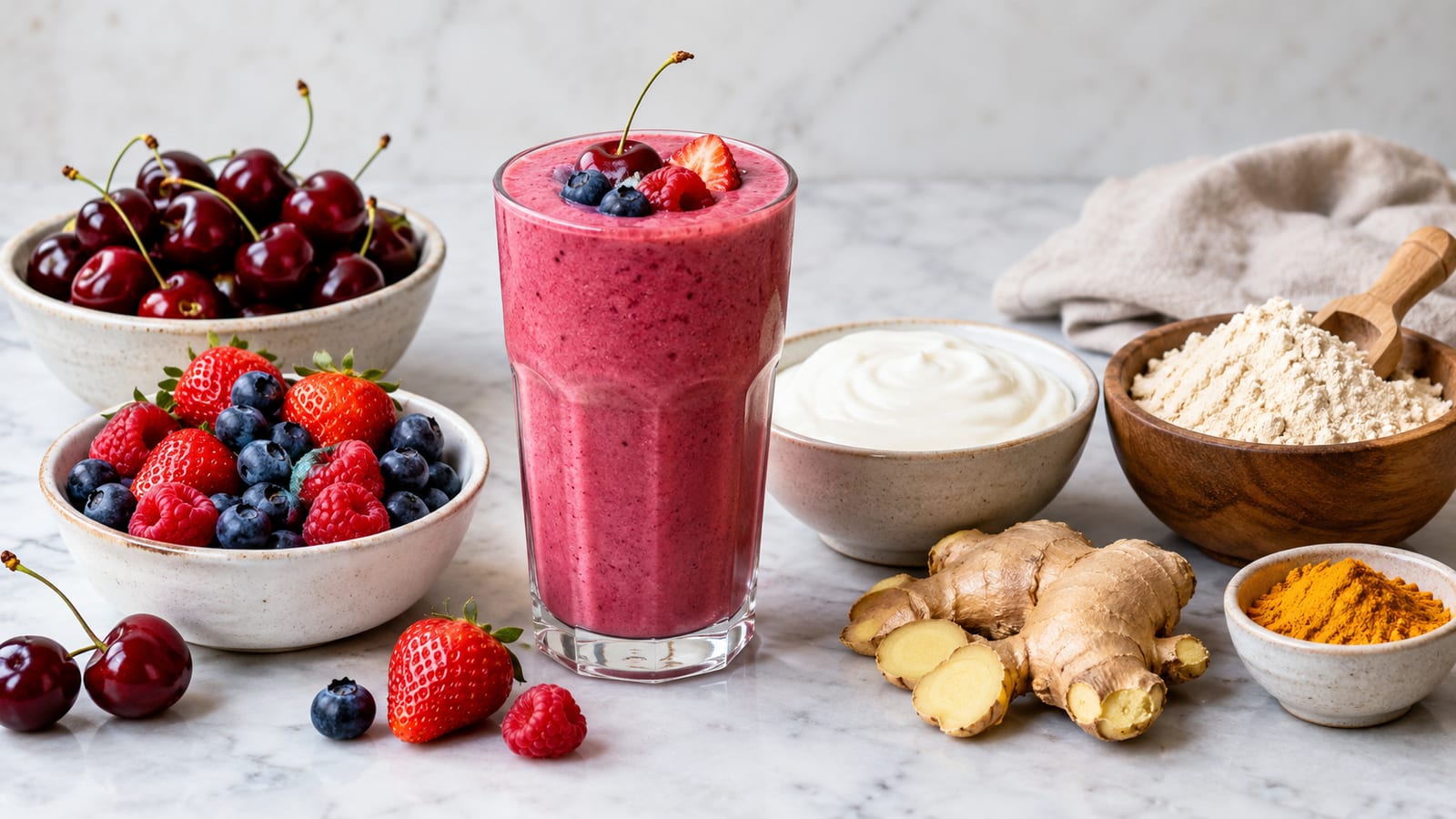
Use a tart cherry smoothie when you need portable recovery food after training. It supplies carbohydrates and fluid, and yogurt or milk adds protein so the drink does more than taste sharp and look athletic.
Blend tart cherry juice with frozen berries, a banana, Greek yogurt or soy yogurt, milk or fortified soy milk, and ice. Add oats if you need a more filling drink and tolerate them well.
This works after practice, during a long drive home, or when solid food feels unappealing. It should not replace every meal. Liquid calories often feel easy at first, but they may leave you hungry later if your overall intake is low.
Tart cherry products have been studied for recovery and soreness, but results vary by product, dose, and athlete. Don’t promise yourself faster healing from one smoothie. Use it as one convenient option within a day that also includes normal meals, sleep, and enough total food.
5. Berry Anti-Inflammatory Bowl
Choose this bowl before an easy workout, after a short session, or as a snack between meals. It gives you carbohydrates from fruit and grains, with protein added so you stay fueled longer.
Combine oats or whole-grain cereal with Greek yogurt, cottage cheese, or soy yogurt. Add blueberries, strawberries, or blackberries, then finish with a banana, a small amount of chia seeds or ground flax, and honey or maple syrup. Add milk if the mixture is too thick.
Keep the seed and fiber portions modest before running or competition. A bowl packed with berries, oats, and seeds may look impressive, but it can digest slowly for an athlete with a sensitive stomach. Before hard training, choose more yogurt, banana, and cereal while saving the heavier version for afterward.
For a higher training load, add toast, a bagel, or another carbohydrate source. The bowl is a base, not a fixed prescription.
6. Ginger-Turmeric Budget Stir-Fry
You don’t need salmon, specialty powders, or a blender for a useful meal. This inexpensive stir-fry uses ordinary ingredients and works well for meal prep.
Cook eggs, tofu, chicken, or canned beans with rice and frozen mixed vegetables. Add fresh or ground ginger, turmeric, garlic, soy sauce or tamari, and a small amount of canola or olive oil.
Cook the rice while the vegetables heat in a pan. Add the protein, ginger, turmeric, garlic, and sauce. Divide the meal into containers and chill it promptly if you’re saving portions for later.
Use eggs or tofu when meat costs more than your budget allows. Choose canned beans if you tolerate them well, but don’t make them your pre-workout protein when they usually cause stomach trouble.
This meal does not need a special cleansing step. Your liver and kidneys already handle waste removal. The useful job of this meal is simpler: it gives you carbohydrates, protein, vegetables, and a repeatable dinner without demanding a large grocery bill.
7. Post-Workout Anti-Inflammatory Protein Bowl
Use this bowl after training when you need to replace energy and begin muscle repair. It combines a substantial carbohydrate source with protein, produce, and enough fluid to make recovery easier.
Build it with quinoa, rice, potatoes, or whole-grain pasta. Add chicken, salmon, tofu, eggs, or lentils, then include spinach, broccoli, or roasted vegetables. Orange, berries, or kiwi add fruit, while avocado, olive oil, yogurt sauce, or hummus adds a moderate amount of fat and flavor.
Eat this as soon as practical after a hard session if your next meal is far away. If dinner is already ready and training was light, you don’t need a separate recovery bowl and snack piled on top of it. One complete meal can cover the job.
After competition, appetite and digestion may be unreliable. A smaller bowl plus milk, yogurt, or fruit may work better than forcing down a large plate. See these recovery foods for busy competition schedules for more portable options.
Timing matters more than the label
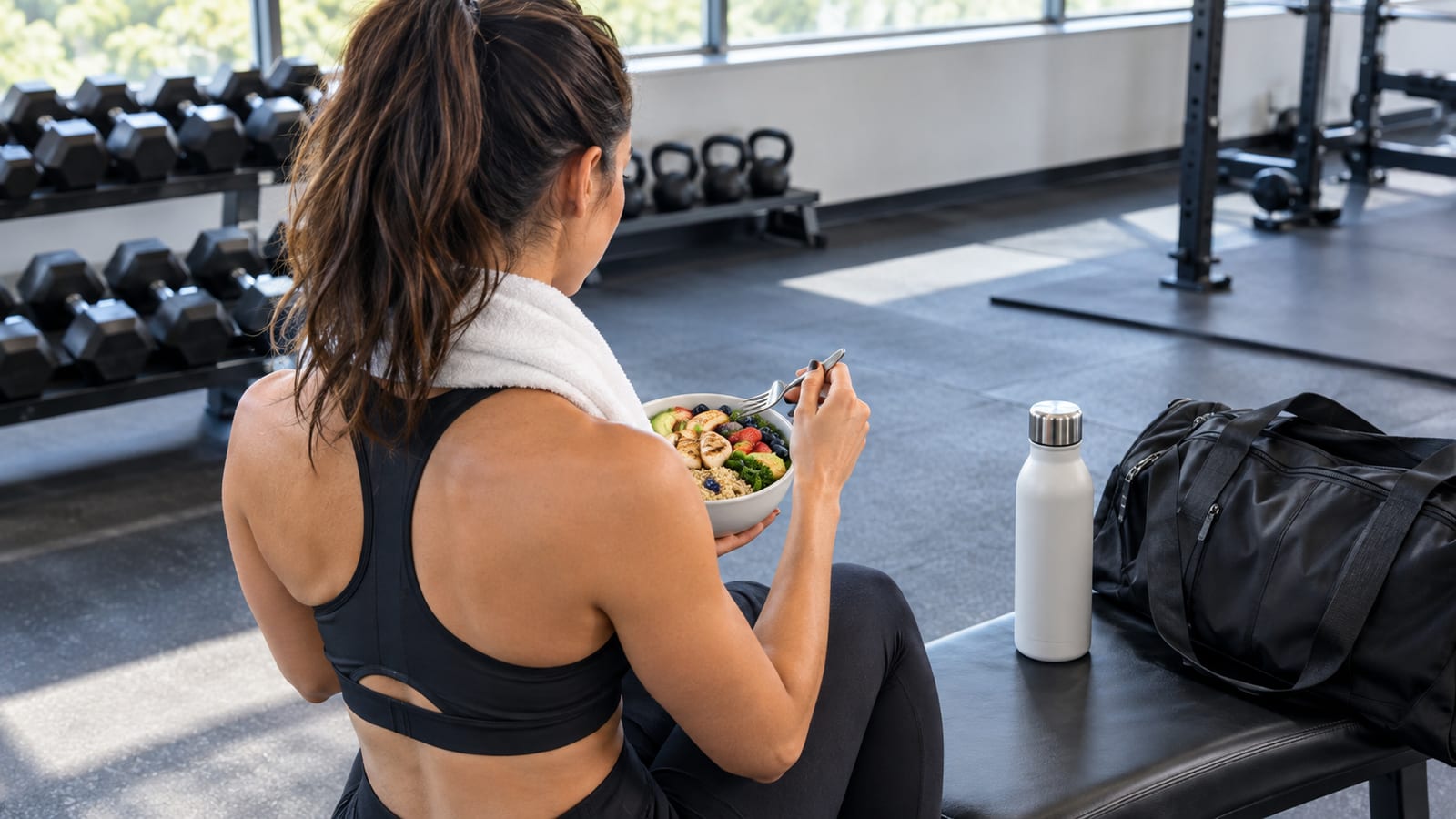
An anti-inflammatory meal eaten at the wrong time can still cause problems. High-fiber foods, large servings of fat, spicy sauces, and unfamiliar ingredients are common troublemakers before intense exercise.
Use this simple schedule:
- Several hours before training: Eat a normal meal with carbohydrates, moderate protein, vegetables you tolerate, and fluids.
- Closer to training: Choose easier carbohydrates such as a banana, toast, applesauce, cereal, or a small yogurt.
- After training: Pair carbohydrates with protein and drink steadily.
- Before bed after a hard day: A normal meal or snack with protein can help you finish the day’s intake.
You don’t need to avoid vegetables before every workout. Match fiber and fat to the time available for digestion. A cooked vegetable bowl may work well before practice, while a large raw salad may not.
Hydration belongs with the meal plan. Water is usually enough for a normal session, while longer, hotter, or repeated sessions may call for fluid and carbohydrate together. A sports drink is a tool matched to the work in front of you.
Foods that can make recovery harder
No single food causes chronic inflammation in an otherwise healthy athlete. The bigger issue is a repeated pattern of low-quality meals, too little total food, poor sleep, heavy alcohol intake, and frequent training without enough recovery.
Still, some choices commonly cause practical problems:
- Fried meals before training can sit heavily.
- Large amounts of alcohol can interfere with sleep, hydration, and recovery.
- Sugary drinks can crowd out more useful food when they are consumed all day.
- Very low-carbohydrate eating can leave hard-training athletes short on fuel.
- Restrictive “clean” food rules can make it harder to eat enough.
- High-dose supplements can interact with medicines or upset your stomach.
You don’t need to fear an occasional dessert or takeout meal. You do need a plan for regular fueling. Athletes often blame one ingredient for soreness when the real problem is that lunch was too small and practice ran long.
Who should use these recipes?
These meals suit athletes who want more fish, vegetables, fruit, herbs, and simple protein sources without giving up carbohydrates. They also work for plant-based athletes when chicken, fish, yogurt, and eggs are replaced with tofu, tempeh, beans, lentils, or fortified soy products.
Young athletes need extra care. They are still growing, so restrictive anti-inflammatory plans can do more harm than a normal family meal. Parents should focus on regular meals, snacks, water, and enough food across the day. Supplements deserve review with a qualified sports dietitian or clinician.
Athletes with inflammatory disease, ongoing joint swelling, unexplained fatigue, repeated illness, or stomach symptoms should seek medical advice. Food can support training, but it cannot diagnose or treat a medical condition.
FAQ
Can anti-inflammatory recipes reduce muscle soreness?
They may support recovery by providing carbohydrates, protein, fluids, and foods that fit a balanced eating pattern. Soreness also depends on training load, sleep, hydration, and whether the session was new. No recipe can guarantee that your muscles won’t hurt after unfamiliar work.
Should I avoid nightshade vegetables such as tomatoes and peppers?
Most athletes don’t need to avoid them. Tomatoes and peppers provide useful nutrients and carbohydrates in many meals. Remove a food only when you have a clear, repeatable reaction and a qualified professional has helped you check the pattern.
Are anti-inflammatory supplements better than these meals?
Usually, food is the better starting point because it supplies several nutrients at once and supports total energy intake. Supplements can have side effects, contamination risks, and uncertain benefits. Ask a sports dietitian or clinician before using concentrated turmeric, fish oil, or tart cherry products.
Can I eat these recipes before competition?
Choose familiar meals and allow enough time for digestion. Before competition, reduce the fiber, fat, spice, and portion size if those ingredients bother your stomach. Save any new recipe for practice, not game day.
What if I don’t eat fish?
Use tofu, tempeh, eggs, beans, lentils, walnuts, or ground flax in the meals that suit you. You’ll still need enough carbohydrates and protein for training. A plant-based plan can support performance, but it should be planned around total food and key nutrients rather than built from vegetables alone.