
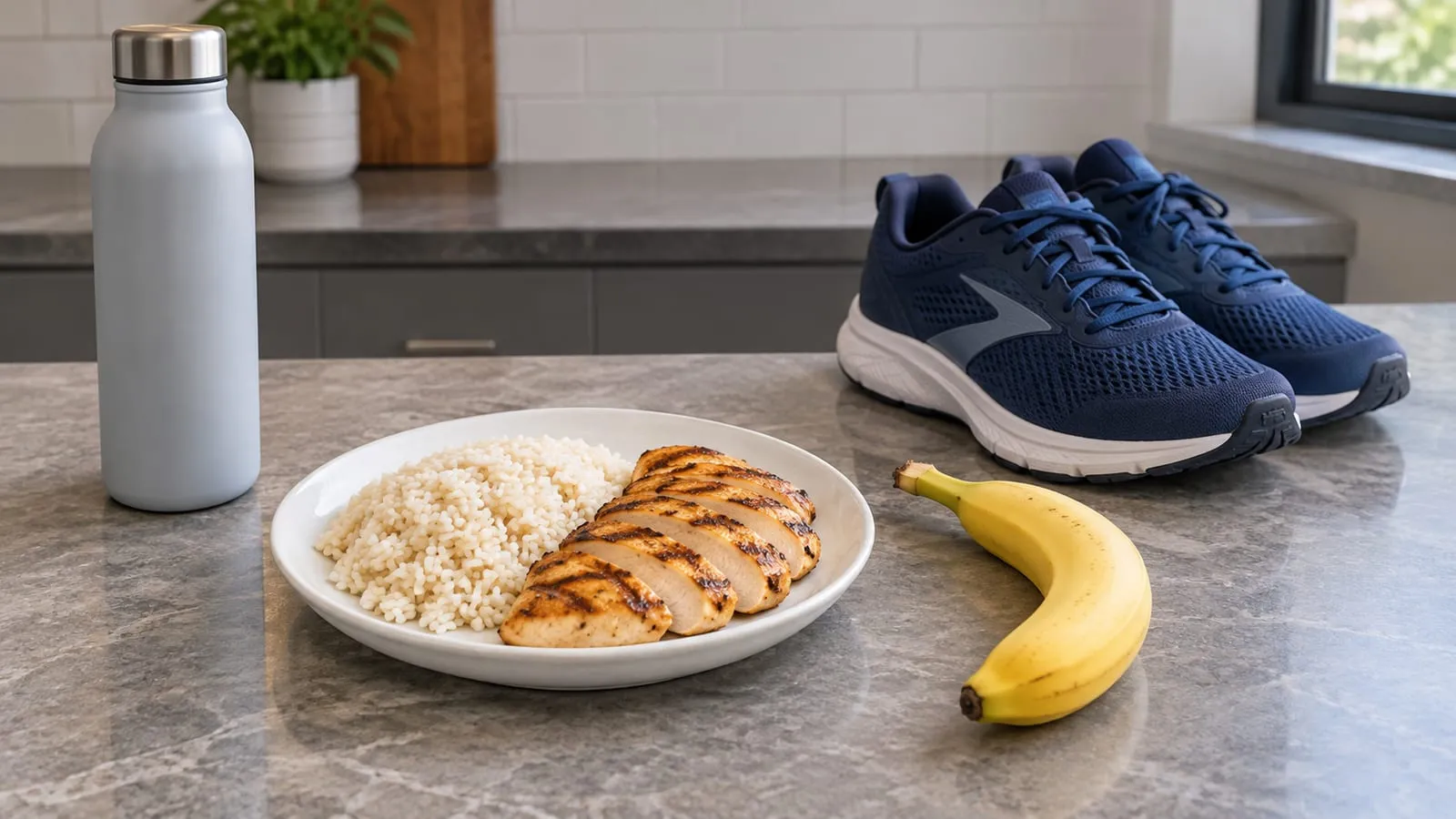
A late game steals the hours you'd normally spend recovering, so keep the routine short. Here's how to recover after a late-night game: drink enough to replace what you sweated out, eat a small carbohydrate-and-protein meal you can digest, calm your body down, and get to bed fast. That plan does more for tomorrow than a supplement stack, a giant greasy feast, or an hour of scrolling and stretching.
How do you recover after a late-night game?
Work in this order: fluids, food, then sleep. Each step sets up the next. Fluids and a snack start replacing what the game burned. Sleep is when your body does much of its repair.
Late games make the clock the real opponent. Every extra recovery ritual pushes bedtime later. Adults aged 18 to 60 need at least 7 hours of sleep a night. The American Academy of Sleep Medicine recommends 8 to 10 hours for teens.
So a long ice bath, a full foam-rolling session, and a film review can cost you more than they give back. They trade your best recovery tool for weaker ones. For more on how the two work together, see how sleep and nutrition affect athletic recovery.
A realistic routine takes well under an hour from the final whistle to lights out, travel aside. If yours takes longer, cut steps before you cut sleep.
Start with a fast postgame triage
The first stretch after the game sets up your whole night. Treat it like a checklist. Don't make it a second workout.
- Drink before you leave the bench. Sip water or a sports drink while you cool down and talk with your coach.
- Eat a small snack early. A banana, chocolate milk, pretzels, or a granola bar keeps you from walking in the door starving.
- Get out of wet gear. Change into dry clothes. Shower at the venue if you can, or plan a warm one at home.
- Keep the cool-down light. A short walk and a few easy stretches are plenty. Save extra sprints or lifting for another day.
- Leave on time. An hour of hanging around the parking lot is an hour of sleep gone.
- Know your meal before you get home. Have leftovers in the fridge, a simple recipe ready, or one decision made about takeout.
Pack the snack and the drink before the game, not after. Concession stands close, and gas stations rarely have what you want. A small cooler bag with a sandwich, fruit, and a drink costs little and saves the night.
Rehydrate without overdrinking
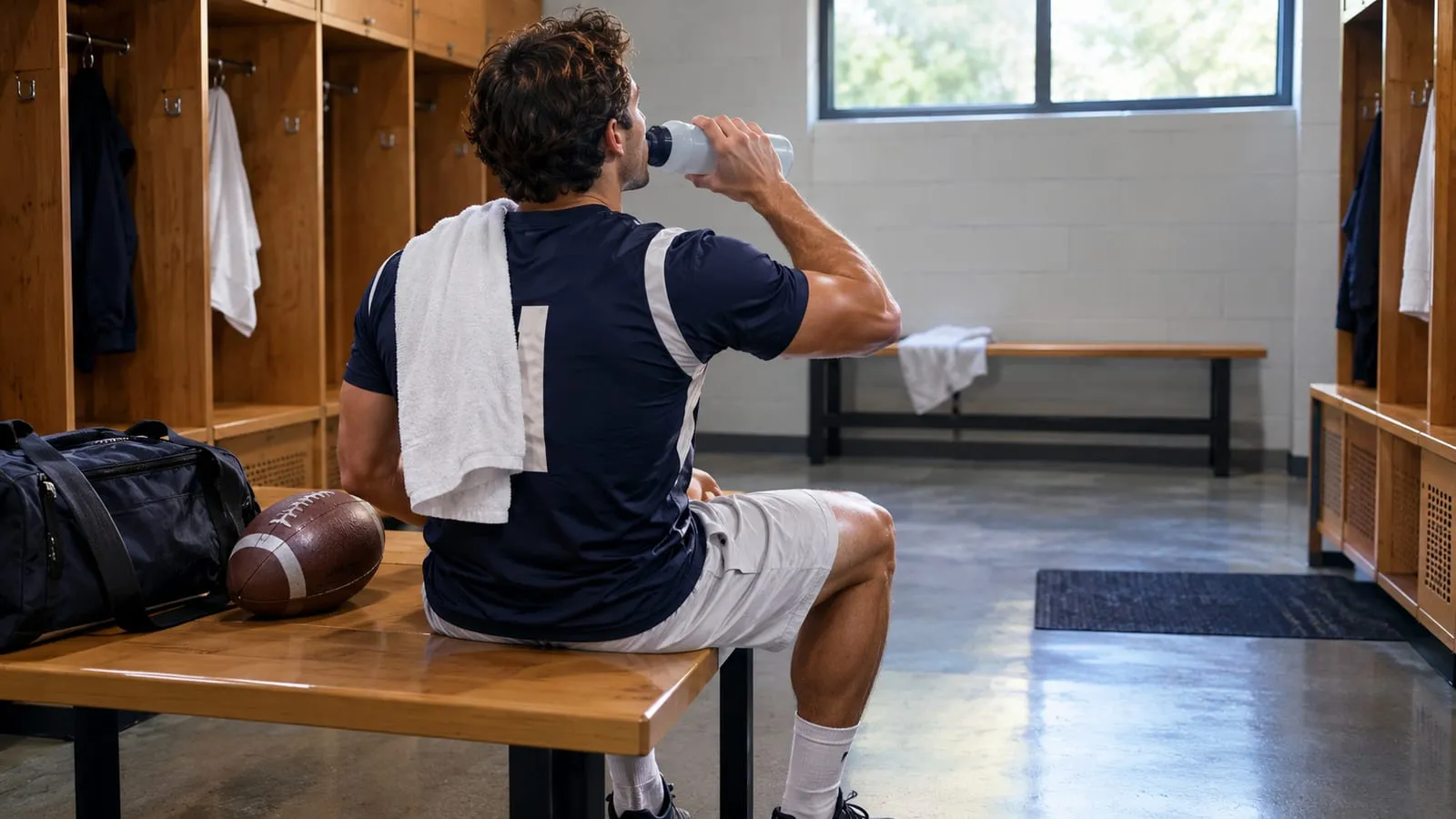
Start with two simple checks: thirst and urine color. If you're thirsty and your urine is dark, you have catching up to do. Pale yellow urine by the next morning means you're in good shape.
Weighing yourself gives a sharper read. Step on a scale before and after the game. Swain County High School's hydration guidance tells athletes to drink 16 to 24 ounces of water for every pound lost during exercise. Spread that over the evening and the next morning instead of downing it all before bed.
Sodium matters too, especially for heavy sweaters. If your shirt or hat dries with white, salty streaks, add an electrolyte drink or salty food. Pretzels, soup, or salted rice all work.
Use this as a quick guide:
| Your game | What to drink |
|---|---|
| Short game, cool gym, light sweating | Water |
| Long or intense game, heavy sweating | Water plus an electrolyte drink or salty food |
| Hot conditions, salty sweat, another game tomorrow | Electrolyte drink first, then water through the evening |
| Barely played, not thirsty | Water with your snack |
Overdrinking is a real problem. Chugging large amounts of plain water can dilute the sodium in your blood, a rare but serious condition. More often, it just means three bathroom trips that break up your sleep. Drink steadily and stop once you're no longer thirsty and your urine is lightening.
Eat carbohydrates and protein without wrecking sleep
Carbohydrates refill glycogen, the fuel your muscles store for sprints, cuts, and jumps. Protein gives muscles what they need to repair. You want both tonight, in a portion that won't sit in your stomach at midnight.
The Gatorade Sports Science Institute's guidance for endurance athletes recommends 1.0 to 1.2 grams of carbohydrate per kilogram of body weight per hour for the first 4 hours after exercise. For a 60-kilogram player, that works out to roughly 60 to 72 grams an hour. That target was built for endurance athletes who need to refuel fast.
After a late game, you won't eat on that schedule for four hours, and you shouldn't. Take the first serving tonight with your meal or snack. Then let breakfast finish the job.
For protein, add a solid serving to whatever carbohydrates you choose. Milk, yogurt, eggs, turkey, chicken, tofu, or cottage cheese all count. Scale the whole plate to your situation:
- Bigger athletes and heavy minutes: eat more of both.
- Limited minutes or a light game: a snack may cover it.
- Another game or hard session tomorrow: lean toward a proper meal with extra carbohydrates.
- Rest day tomorrow: a moderate snack is enough. You have time to catch up.
Choose the smallest meal that does the job
Most athletes need less food after a late game than they think. They also need more than nothing. The trick is matching the meal to the night you had.
A snack is enough when you ate a solid pregame meal, played limited minutes, and have a rest day tomorrow. A proper meal makes sense when you played heavy minutes or skipped dinner before the game. It also fits when you have another game or a hard practice soon. Growing teens who are hungry should eat a real meal, full stop.
Budget food does this well. Rice, eggs, bread, peanut butter, bananas, milk, cereal, frozen vegetables, and canned beans cover most of it. Cook a pot of rice and some chicken or tofu on the weekend, and your postgame meal takes five minutes to reheat. For more ideas, see what to eat after a late workout.
Keep fiber and fat moderate this late. A big bean chili or a pile of raw vegetables is nutritious. However, it can feel heavy when you lie down an hour later.
Easy-to-digest late-night snack ideas
These options mix carbohydrates and protein and settle easily for most people:
- Cereal and milk. Choose a lower-fiber cereal if your stomach is touchy.
- Greek yogurt with fruit and a drizzle of honey or a handful of granola.
- Turkey sandwich on regular bread with a piece of fruit.
- Rice and scrambled eggs, with a little soy sauce or salt.
- Smoothie made with milk, a banana, frozen berries, and yogurt.
- Chocolate milk and a bagel. This one is portable enough to eat on the bus.
- Peanut butter toast and a banana.
- Leftover pasta with chicken, kept to a normal portion.
Adjust for your appetite and tolerance. If you can't face solid food, drink it: a smoothie or chocolate milk goes down easier when your stomach is still wound up. For lactose trouble, swap in lactose-free milk, soy milk, or soy yogurt.
Plant-based athletes can use a tofu rice bowl, soy milk smoothie, or hummus wrap. For nut allergies, sunflower-seed spread replaces peanut butter cleanly.
What should you skip after a late game?
Some popular postgame habits push sleep later or leave you worse off tomorrow. Skip these:
- Alcohol. It worsens sleep quality, adds to fluid loss, and slows recovery. For teens it's off the table entirely.
- Oversized high-fat meals. A huge plate of fried food digests slowly and can bring on heartburn once you lie down.
- Unfamiliar supplements. No recovery powder beats a turkey sandwich and milk. Products can be mislabeled, and young athletes should skip them unless a doctor or dietitian advises otherwise.
- Caffeine late at night. Energy drinks, pre-workout, and cola can keep you staring at the ceiling.
- Chugging fluids right before bed. Front-load your drinking earlier in the evening instead.
The supplement aisle sells recovery in a tub. Food, fluids, and sleep already do that job for a lot less money.
Bring postgame adrenaline down before bed

A close game leaves your body revved up. Your heart rate stays high, stress hormones like adrenaline and cortisol hang around, and your brain keeps replaying plays. That's normal, and you can speed up the cool-down.
Try this short wind-down once you're home and fed:
- Take a warm shower. It helps you relax and marks the end of the game.
- Dim the lights in your room and the rest of the house.
- Breathe slowly for a few minutes. Make each exhale longer than each inhale.
- Set a stopping point for the game. Write down one thing you did well and one thing to fix. Then close the notebook.
- Get in bed even if you don't feel sleepy yet.
That fourth step matters more than it sounds. Replaying a missed shot at midnight changes nothing. Writing it down tells your brain it's handled until tomorrow.
Where foam rolling and meditation fit
A few minutes of gentle foam rolling can help you settle. Pair it with slow breathing and roll lightly over tight spots. This late, skip hard, painful pressure on sore muscles.
Meditation works the same way. A short guided body scan or breathing track can quiet a busy mind. Some athletes find it helps them fall asleep sooner, and others find it frustrating. Both reactions are fine.
Treat these as short downshifts, not mandatory treatment. None of them replaces food, fluids, or sleep. If foam rolling turns into a long session that pushes bedtime back, drop it.
Protect the sleep window from screens
Your phone is the biggest threat to sleep after a late game. The bright screen and the constant stimulation both delay sleep. Highlights, comments, and team chat keep your brain in game mode.
Set a few simple boundaries:
- Charge your phone across the room or outside your bedroom.
- Pick a cutoff for team chat. Recaps can wait until morning.
- Skip ranked gaming. Competitive games restart the adrenaline you just worked to lower.
- Watch highlights tomorrow. They'll still be there.
- On the bus or in the car, eat your snack, then use headphones and an eye mask instead of scrolling.
If you must use a screen, turn the brightness down and use night mode. Parents can help younger athletes with a family rule, such as a basket where every phone goes at a set time.
Adjust for tomorrow's actual workload
Tomorrow's schedule should decide how much you eat and how hard you protect sleep tonight. Match the night to what's coming:
| Tomorrow | Tonight's food and fluids | Sleep priority |
|---|---|---|
| Another game | Full meal, steady fluids, electrolytes if you sweated heavily | Highest. Get to bed as fast as possible |
| Hard practice or training session | Proper meal with extra carbohydrates | High. Keep the wind-down short |
| Rest day | A snack may be enough | Sleep in if you can |
| Early school or work start | Prepped snack, quick bedtime, breakfast you can grab | High. Cut screens first |
Back-to-back competition is where poor preparation shows up fastest. Plan both nights' food before the first game. For more detail, see recovery meals for back-to-back games.
An early class or shift is the trickiest case. You can't sleep in, so every minute you save tonight counts. Lay out breakfast and your bag before the game so the morning runs on autopilot.
What should you do the next morning?
Eat breakfast with carbohydrates and protein, even if you're not hungry yet. Oatmeal with milk and a banana, eggs and toast, or yogurt with cereal all work. This is where you finish the refueling you started last night.
Keep drinking through the morning and check your urine color. Then move lightly with a walk, an easy bike ride, or some mobility work. Gentle movement often eases stiffness better than lying on the couch.
Watch for signs that you need a lighter day:
- Soreness that changes how you walk, run, or jump
- Heavy legs and unusual fatigue that don't lift after breakfast
- Headache, dizziness, or dark urine despite drinking
- Poor sleep for several nights in a row
If you notice these, train lighter and tell your coach. Pain that keeps getting worse, or symptoms that limit how you train, deserve a visit with an athletic trainer or clinician.
FAQ
Should I lift weights after a late game?
Most athletes should skip it. The game already loaded your muscles, and a late lift delays food and sleep. If your program calls for strength work, move it to the next day or keep it to a brief, light session.
Is melatonin a good idea after night games?
Fix the routine first: dim light, no phone, a set bedtime. Melatonin won't cancel out an hour of scrolling. Teens and parents should talk with a doctor before trying any sleep aid, because dosing and long-term use aren't simple questions.
What should I order if fast food is the only option on the drive home?
Pick a grilled chicken sandwich, a plain burger, or a rice bowl. Add milk, fruit, or a small fries if you're hungry. Avoid stacking a large fried meal with a milkshake. That combination tends to sit heavily when you lie down soon after.
Will one short night ruin my next performance?
Rarely. A single rough night usually costs less than athletes fear. Several short nights in a row are what drag down speed, focus, and mood. If you slept poorly, eat well, keep fluids steady, and take a short early-afternoon nap if your schedule allows.