

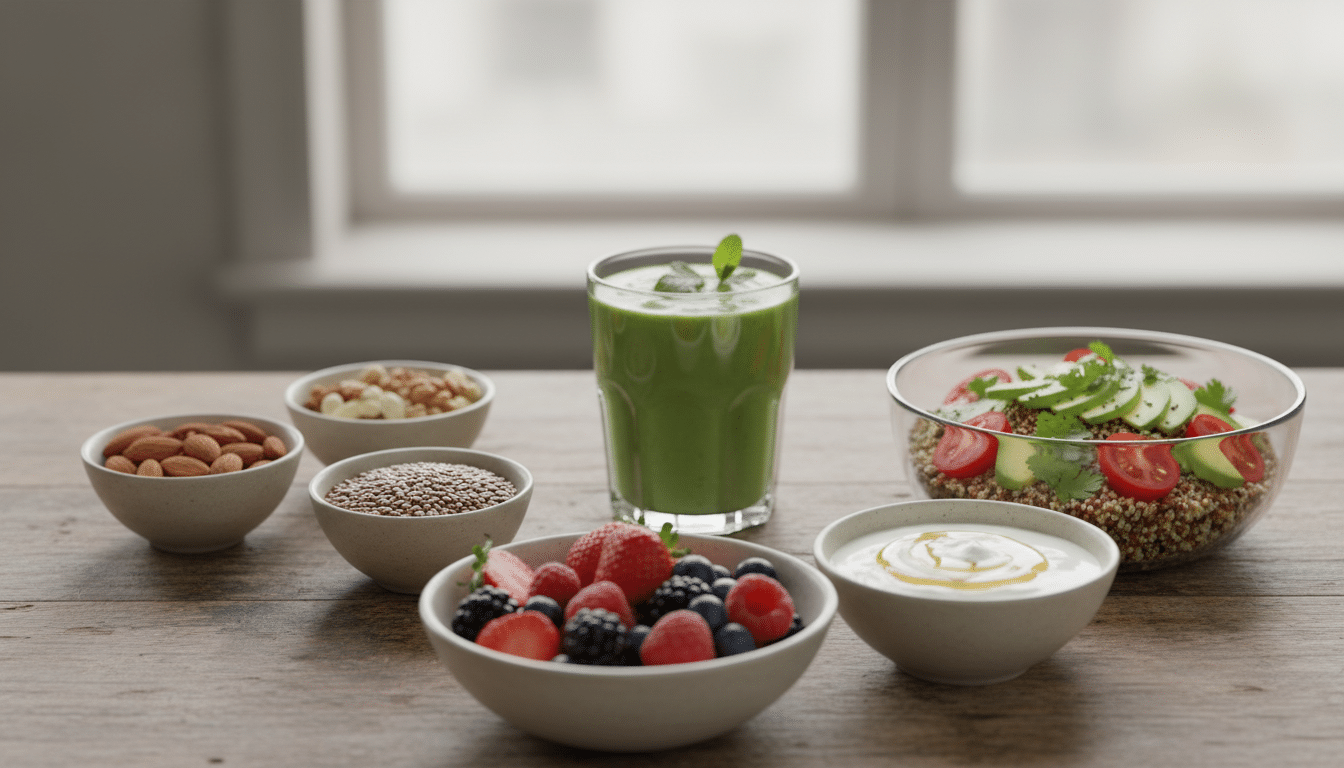
What if the secret to feeling strong tomorrow isn’t just how hard you trained today, but what you put on your plate tonight?
You know the drill. You give your all during a game or race. Later, your muscles feel heavy and tender. For active people, this is a common signal.
Science tells us that intense physical exertion can cause a significant spike in your body’s internal stress markers. This is a normal part of getting stronger. But when it’s too high for too long, it slows down your healing process.
Your next meal is a powerful chance to change that course. The right nutritional choices are a direct investment in your comeback. They provide the raw materials your system needs to repair micro-tears, ease stiffness, and restore energy.
This guide is your straightforward playbook. We’ll show you which specific items are champions at calming an overactive stress response. You’ll understand the key nutrients for tissue repair and how to schedule your eating for maximum benefit. This knowledge helps you stay consistent and lowers your chance of setbacks.
True recovery is built with smart fuel. Let’s get you back to 100%.
Essential Anti-Inflammatory Foods for Athletes
Certain ingredients are proven to help your system calm down and heal faster after you push your limits.
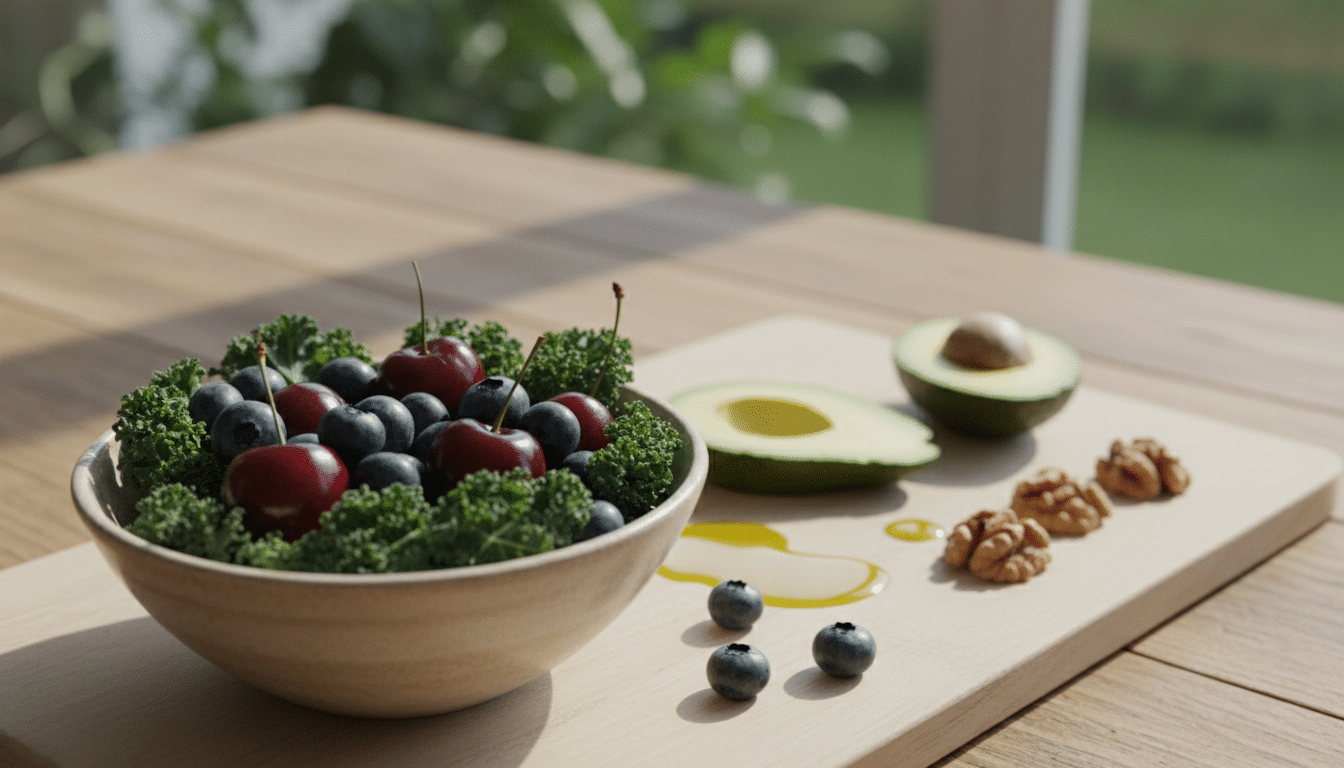
These items provide specific compounds that lower your body’s stress markers. They supply the raw materials for repair.
Fatty Fish, Berries, and Leafy Greens
Fatty fish like salmon and mackerel are packed with omega-3 fatty acids. A 4-ounce serving of wild salmon gives you 2.3 grams. These fats are known to reduce joint pain and support muscle recovery.
Berries are rich antioxidants. Blueberries and strawberries can cut oxidative stress significantly. They fight free radicals to help with soreness.
Leafy greens such as spinach and kale deliver vitamins A, C, and K. These nutrients aid tissue repair and boost immunity.
Turmeric, Ginger, Nuts, and Seeds
Turmeric contains curcumin. Ginger has gingerols. Both are natural compounds that fight swelling.
Almonds, walnuts, and chia seeds offer healthy fats and plant protein. Studies show they can reduce discomfort by 20-35%. They also give you steady energy.
Including these items in your routine is straightforward. Add salmon twice a week. Toss berries into a morning smoothie. Sprinkle seeds on salads.
Inflammation Foods After Competition
Timing is everything when it comes to post-competition nutrition. The first 30 minutes are critical.
Your muscles absorb nutrients best during this window. This maximizes your healing.
Post-Workout Meal Ideas
A solid post-event meal combines protein and carbohydrates. This duo repairs tissue and restores energy.
For example, grilled salmon with brown rice and spinach salad delivers omega-3s, complex carbs, and leafy greens. It’s a complete anti-inflammatory meal.
| Meal Type | Key Components | Benefits | Prep Time |
|---|---|---|---|
| Grilled Salmon Bowl | Salmon, brown rice, spinach | Reduces swelling, repairs muscle | 20 min |
| Berry Yogurt Smoothie | Greek yogurt, berries, chia seeds | Fights soreness, provides protein | 2 min |
| Tart Cherry Juice | 100% tart cherry juice | Cuts inflammation, speeds recovery | 1 min |
Quick Recovery Snacks
When you can’t eat a full meal, a quick snack works. Blend berries, chia seeds, and Greek yogurt into a smoothie.
This combo gives you protein for muscle repair and antioxidants to reduce soreness. It takes two minutes to make.
Tart cherry juice is another excellent option. Drink 8-12 ounces post-workout to cut inflammation.
Nutrients That Boost Recovery
The science of bouncing back fast hinges on a powerful trio: protein, complex carbs, and good fats. Think of these nutrients as your body’s essential repair crew. They actively rebuild tissue and refuel your system.
Protein, Whole Grains, and Healthy Fats
Your protein needs jump when you train hard. Aim for 1.2 to 2.0 grams per kilogram of body weight daily. This intake repairs your muscles and prevents breakdown. Lean sources like chicken, fish, and Greek yogurt deliver the amino acids you need.
Whole grains like oats and brown rice provide steady energy. They won’t spike your blood sugar. Quinoa is a standout—one cup offers 8 grams of protein and 5 grams of fiber. These complex carbs supply fiber and vitamins your body craves.
Healthy fats from nuts, olive oil, and seeds fight inflammation and offer long-lasting fuel. Pumpkin seeds, for example, pack over half your daily magnesium. This mineral is crucial for producing energy and fighting fatigue.
Combine these three nutrients in your meals. The benefits for muscle recovery stack up. You’ll support consistent training and faster recovery.
Smart Meal Planning for Athletic Recovery
Eating with intention around your workouts is a simple strategy with powerful results. Smart meal planning means syncing your nutrition with your training schedule.
This approach fuels your body when it needs energy most. It also delivers repair materials right when muscles are ready to absorb them.
Pre-Workout and Post-Workout Nutrition Tips
Your pre-workout meal should come 60 to 90 minutes before you start. Focus on complex carbohydrates like oatmeal or whole-grain toast.
Include a moderate protein source, such as nuts or almond butter. This combo provides sustained performance energy without stomach discomfort.
After your session, prioritize protein within 30 minutes. This fast action jump-starts the repair process. Lean sources like grilled chicken, fish, or beans are perfect.
Build a complete plate for your next big meal. Fill half with colorful vegetables and fruits. Add a lean protein and a whole grain like quinoa or brown rice.
This creates a balanced, anti-inflammatory meal that supports recovery. Using olive oil for cooking adds healthy fats. Spices like turmeric and ginger boost flavor and benefits.
Athletes who plan ahead save time and stress. Batch-cook proteins and prep smoothies on rest days. Always have recovery-friendly foods ready to go.
Your diet directly impacts how well you bounce back. Consistent nutrition keeps energy high for your next training block.
Combining Exercise and Nutrition for Better Performance
Your workout creates the demand for change, but your meals supply the tools to make it happen. You can’t out-train a poor diet. True athletic progress is built when smart nutrition and consistent exercise work as one team.
This powerful combination directly fuels your performance. It also protects your long-term health.
The Role of Antioxidants and Omega-3 Fatty Acids
Hard training creates oxidative stress in your muscles. Antioxidants are your defense. Foods rich antioxidants, like berries and green tea, neutralize this damage.
Green tea delivers polyphenols. Drinking 1-2 cups daily helps reduce muscle stress. Omega-3 fatty acids are another key player. They support joint health and improve how your nerves talk to your muscles.
Get these fatty acids from salmon, walnuts, and chia seeds. Together, these nutrients help your body recover efficiently.
Hydration and Energy Restoration
Water is the foundation of every process in your body. Proper hydration delivers nutrients to working muscles. It also flushes out waste products.
This keeps your energy levels stable. It’s essential for both peak performance and daily recovery. Don’t wait until you’re thirsty. Sip water consistently throughout your day.
The benefits of linking exercise and nutrition are clear. You build fitness faster and feel stronger every day.
Avoiding Foods That Increase Inflammation
Your post-workout plate isn’t just about what you add—it’s also about what you leave out. Some everyday items can trigger your body’s stress response. This slows down healing and increases muscle stiffness.
Cutting these from your diet is a direct step toward faster recovery. It protects your long-term health and performance.
Processed Foods and Refined Sugars
Highly processed products are common culprits. They often contain refined sugars and unhealthy fats. These ingredients spike blood sugar and promote cellular damage.
This reaction increases overall swelling and delays repair. Athletes who consume them regularly report more soreness. They also face a higher risk of injury.
| Food Type | Why It’s Harmful | Healthier Swap |
|---|---|---|
| Refined Sugars (cereals, ice cream) | Spikes blood sugar, promotes inflammation | Fresh fruit or berries |
| Trans Fats (margarine, processed oils) | Damages cells, increases systemic inflammation | Olive oil or avocado oil |
| Processed Meats (sausages, deli meat) | High in sodium and preservatives, little nutrition | Grilled chicken or fish |
| High-Sodium Foods (canned soups, frozen dinners) | Causes water retention and inflammation | Homemade soups with fresh veggies |
Excessive alcohol and white bread have similar effects. They digest quickly, leaving you hungry. This can start a cycle of poor choices.
Your goal is to reduce inflammation, not add to it. Focus on whole, minimally processed foods. This simple shift supports your diet and helps you bounce back stronger.
Customized Diet Plans for Athletes>
Generic meal plans are like off-the-rack suits. They might cover the basics but rarely deliver a perfect fit for an athlete.
Your body reacts uniquely to what you eat. A diet built for your sport, schedule, and goals delivers superior results.
This is where professional guidance makes a major difference. An expert tailors your nutrition to your specific needs.
Consulting with Nutrition Professionals
A qualified nutritionist takes the guesswork out of eating. They design a plan that matches your training demands and personal preferences.
This helps you identify the best foods for your body. It also spots any foods like dairy that might cause issues.
| Factor | Generic Plan | Customized Plan |
|---|---|---|
| Focus | General guidelines | Your sport, body, & goals |
| Food Selection | Standard “healthy” foods | Personal tolerances & favorites |
| Schedule Fit | Rigid timing | Adapts to your life & training |
| Primary Results | Basic nutrition | Enhanced performance & faster recovery |
Athletes who follow personalized plans see real benefits. They report fewer injuries and better muscle repair.
This approach supplies the right vitamins and lowers inflammation. It’s a smart investment in your long-term performance and health.
Conclusion
True strength isn’t just forged in the gym—it’s crafted in the kitchen.
Your food choices directly control your recovery speed. For athletes, this means better performance and less downtime. Smart nutrition supports your body‘s natural repair processes.
Simple swaps make a huge difference. Add salmon twice a week. Eat berries daily. Choose whole grains over processed carbs. These anti-inflammatory foods reduce muscle soreness and speed up recovery.
You don’t need expensive supplements. Basic items like Greek yogurt, leafy greens, and nuts offer everything your muscles need. They support long-term health and steady energy.
Start with one change today. Your diet is a powerful tool to reduce inflammation and keep you strong. Consistent choices lead to lasting health and better recovery.
FAQ
What should I eat right after a tough event to help my muscles?
Which foods are best for reducing soreness and speeding up healing?
Can you give me an example of a quick, anti-inflammatory snack?
Why are omega-3s so important for an athlete’s diet?
How does meal timing affect my recovery?
Should I avoid any specific foods after competing?
Is it worth talking to a nutritionist about my plan?
Related: Anti Inflammatory Recipes for Athletes: What to Know First