

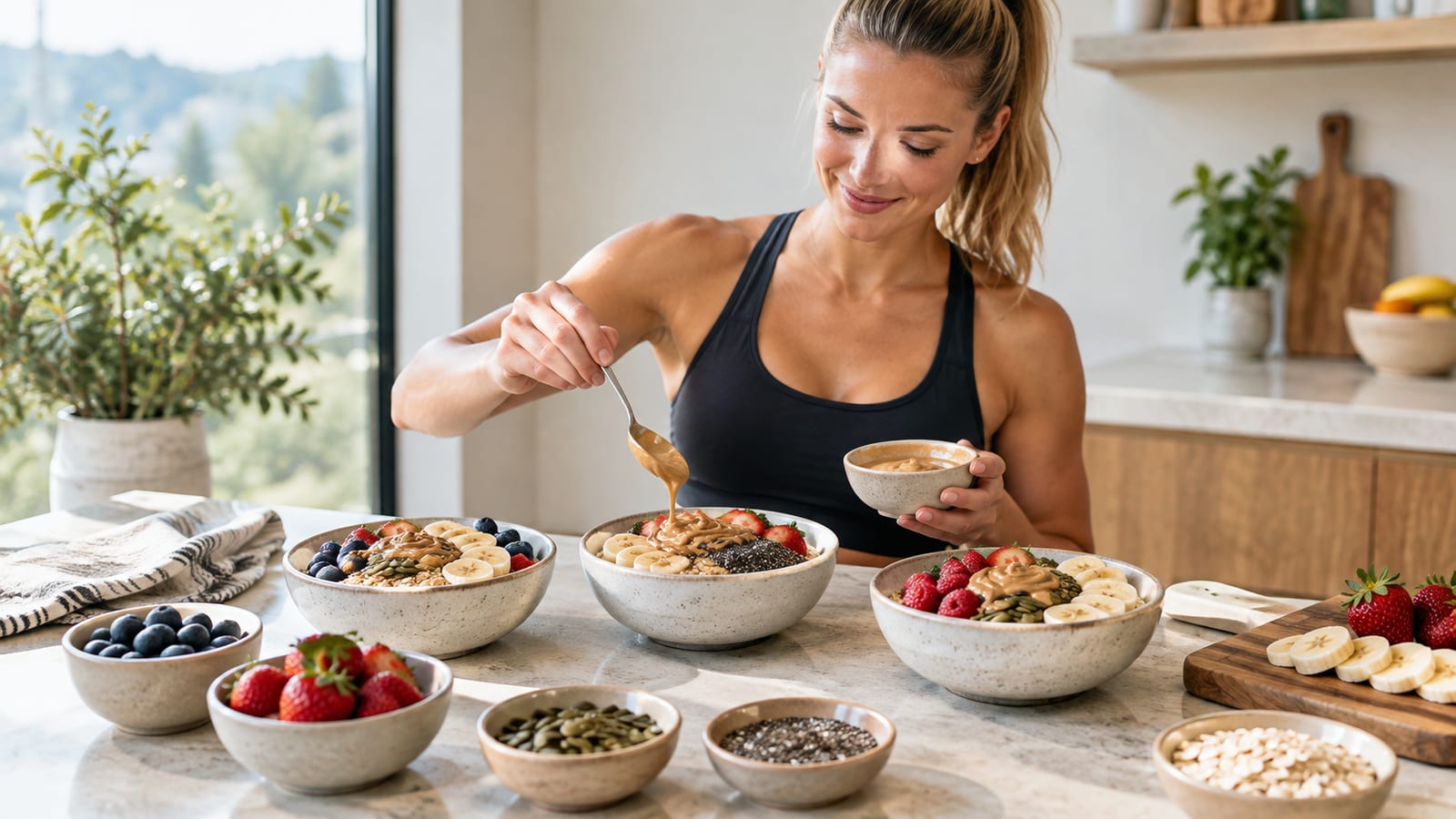
Start with raw food recipes for athletes that deliver easy carbohydrates, fluids, and enough food for the session ahead. Fruit, smoothies, soaked oats, dates, nut or seed butter, and blended drinks can work well before training or during long events. Raw meals become harder after demanding sessions because large amounts of produce and seeds may leave you full before you replace enough energy or protein.
The useful question is not whether a recipe is raw. It’s whether you can digest it, carry it, and eat enough of it for your training load.
What raw food means for athletes
Raw food usually means food that hasn’t been cooked or heavily heated. Common ingredients include:
- Fresh fruit
- Dried fruit
- Leafy greens
- Raw vegetables
- Nuts and seeds
- Nut and seed butters
- Avocado
- Coconut
- Sprouted grains or legumes
- Soaked oats
- Plant-based milk
- Water and ice
A raw vegan recipe also leaves out meat, dairy, eggs, and other animal foods. However, people use the term differently. Some include soaked or sprouted foods. Others avoid anything heated. Check the recipe details before you plan it for training.
For athletes, raw food works best as a flexible tool. Fruit can provide fast carbohydrates and fluid. A smoothie can be easier to drink than a full meal. Nut and seed ingredients can add energy in a small package.
The limits show up when you need concentrated recovery food. Raw vegetables provide volume but little training energy. Nuts and seeds provide energy and some protein, but they can also digest slowly. A large raw meal may look impressive in a bowl and still leave you short on carbohydrates.
Which raw food recipes for athletes work best?
Choose the recipe based on the job it needs to do. A snack before an easy run has different demands from food between tournament games or after a long ride.
| Training need | Better raw or no-cook options | Main concern |
|---|---|---|
| Quick fuel before training | Banana, dates, applesauce, fruit smoothie, small energy bites | Keep fat and fiber modest |
| Longer pre-workout meal | Smoothie with fruit, oats, soy yogurt, or nut butter | Test the portion before hard sessions |
| Fuel during training | Dates, banana pieces, applesauce, fruit puree, homemade drink | Pack food you can open while moving |
| Recovery after training | Smoothie with fruit and soy milk, soaked oats with soy yogurt, blended tofu and fruit | Raw meals may need extra protein |
| Hot-weather training | Water-rich fruit, diluted fruit drink, coconut water, salty foods elsewhere | Fruit alone may not replace enough sodium |
Applesauce, tofu, soy milk, and soy yogurt are cooked during manufacture, so they suit a no-cook plan rather than a strict raw one.
That table gives you the starting point. Next, adjust for your stomach, access to a cooler, and the length of the session.
Raw recipes for pre-workout fuel
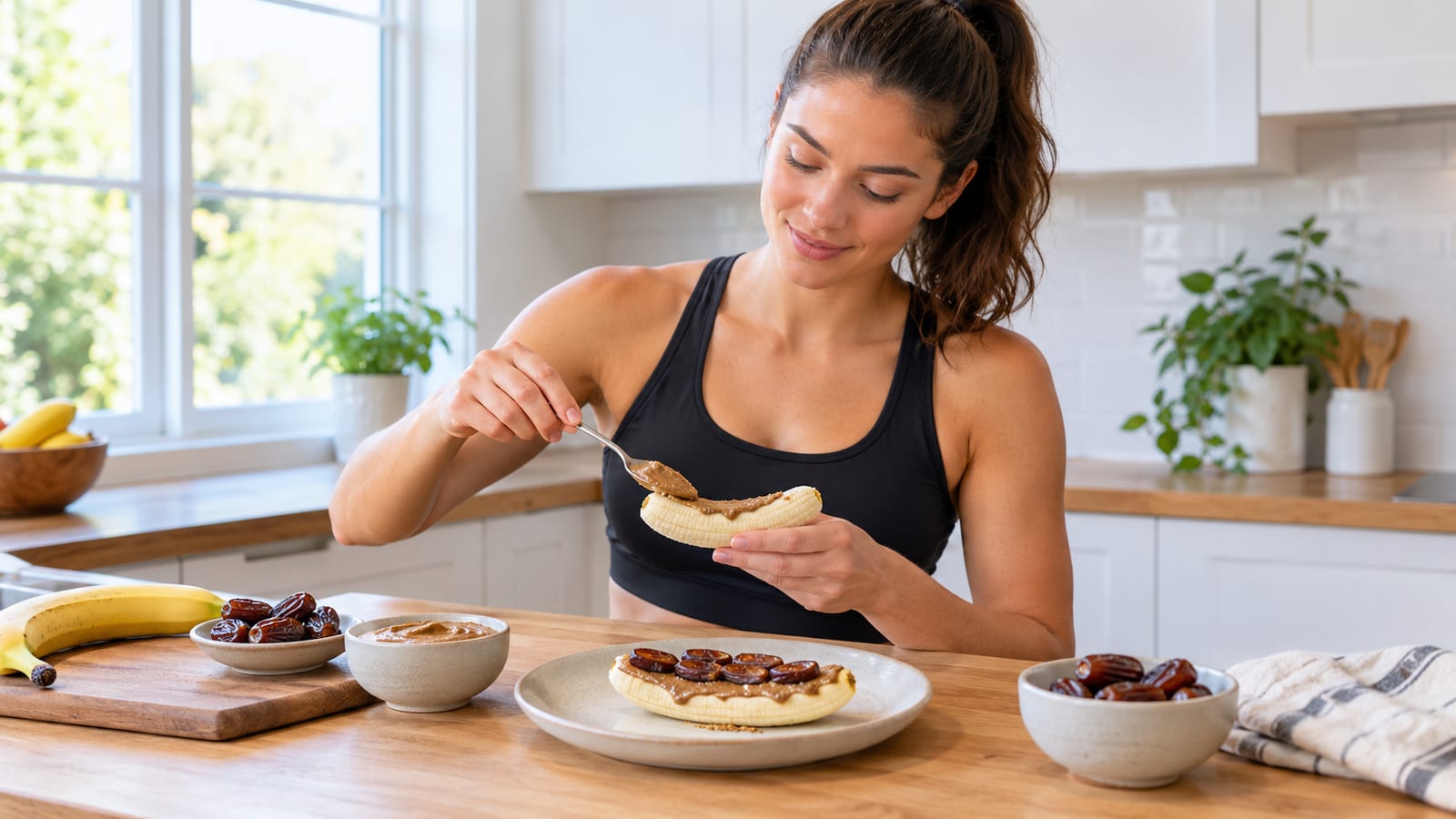
Before training, use easy carbohydrates and keep the meal familiar. A large amount of fat, fiber, or rough vegetable matter can sit heavily during running, jumping, and hard intervals.
Banana-date smoothie
Blend:
- Banana
- Pitted dates
- Soy milk or another milk you tolerate
- Oats that have been soaked until soft
- Cinnamon
- Ice
Use less seed or nut butter before intense training. It adds energy, but the extra fat may slow digestion. Add more of it after training if you need a fuller meal.
This smoothie suits a longer gap before practice. For an early session, use a smaller serving and keep the rest for afterward.
Applesauce and date pouch
Pack unsweetened applesauce with soft dates or a banana. This is plain food, which is exactly why it works. You can eat it quickly without chewing through a salad or handling a leaking container.
Use this option before a short workout or as a top-up when your last meal was light. It won’t cover a full recovery meal.
Soaked oats with fruit
Combine soaked oats with:
- Mashed banana
- Berries
- Soy yogurt
- Maple syrup or another sweetener
- A small amount of nut or seed butter
Soaked oats are softer than dry oats and easier to eat cold. Still, they contain more fiber than a simple fruit snack. Test them during practice before using them before competition.
Fruit and sunflower-seed spread sandwich
A sandwich isn’t technically raw if you use ordinary bread. However, it may be the more useful choice for an athlete who needs portable carbohydrates and a dependable texture. Spread sunflower-seed butter on bread and add banana or jam.
Raw food rules shouldn’t push you toward a worse training decision. If you need bread to eat enough, include bread.
Portable raw foods for training and competition
During exercise, choose food that opens quickly, tastes familiar, and doesn’t demand much chewing. Soft fruit and fruit puree usually beat dry, crumbly snacks when you’re breathing hard.
Pack a mix of:
- Banana pieces
- Dates
- Applesauce pouches
- Grapes
- Orange segments
- Soft dried mango
- Fruit puree in a reusable pouch
- Small homemade fruit bars
- Coconut water
- A homemade fruit drink
Dates and dried fruit are compact. Fresh fruit provides more fluid but takes more space and can bruise. Make the swap based on your bag, the weather, and the length of the event.
Raw foods can also fail because of heat. Cut fruit spoils faster in a warm car or sports bag. Use an insulated container when needed, and wash fresh produce before packing it. Food safety still applies even when the recipe has no stove.
Homemade raw fruit gel
Blend soft dates with fruit puree and a little water. Add a small pinch of salt if the taste works for you. Store it in a clean soft flask or reusable pouch.
Keep the texture thin enough to squeeze out while moving. A thick paste can become difficult to swallow, especially during hard efforts. Practice with the same container you’ll use at an event.
This gel provides carbohydrate. It does not automatically replace all the fluid or electrolytes you lose. Pair it with a drinking plan that fits the heat and your sweat rate.
Raw energy bites
A simple energy bite can include:
- Dates
- Oats
- Cocoa powder
- Nut or seed butter
- Ground flax or chia
- Shredded coconut
- A pinch of salt
Blend the mixture until it sticks together, then roll it into small bites. Keep the texture soft. Hard, dry balls are harder to eat during a long session.
Before training, use more fruit and less fat. For hiking, easy rides, or general snacks, the nut or seed butter can make the bites more filling.
Running on Real Food's no-bake granola bars list 10 g of protein per serving (1 bar). The site’s Vegan No-Bake Hemp Protein Bars are another no-bake vegan option. These recipes make more sense as snacks or recovery add-ons than as quick fuel during hard exercise.
Minimalist Baker's 5-Ingredient Peanut Butter Cup Energy Bites list 92 calories per serving. That can suit a small pre-workout bite, but one small bite may not cover the needs of a long session.
For another homemade option, see these pre-workout energy balls. Adjust the ingredients if nuts, seeds, or high-fiber foods bother your stomach.
Raw smoothies that support training
Smoothies are useful because drinking can feel easier than chewing after practice. They also let you combine carbohydrates, protein, and fluids in one container.
Build a training smoothie with:
- A generous fruit base
- Soy milk or soy yogurt
- Soaked oats
- Silken tofu, if you tolerate it
- Nut or seed butter
- Water or ice
- Cocoa, cinnamon, or vanilla for flavor
Use soy milk, soy yogurt, or tofu when protein matters. A fruit-and-water smoothie may refresh you, but it won’t provide much protein for muscle repair.
A post-workout smoothie should have enough total food to match the session. If you finished a long practice, a thin green drink may be too light. Add oats, a sandwich, or a proper meal instead of pretending the blender solved the whole problem.
Running on Real Food's No-Bake Brownies (Vegan) list 5 g of protein per serving. They can work as a sweet snack, but that amount is not a complete recovery plan after demanding training.
You can also pair a smoothie with the practical ideas in these no-cook post-workout meals. Raw food doesn’t have to carry the entire meal by itself.
Hydration and electrolytes

Fruit contains water, but fruit is not a complete hydration strategy for every athlete. Long sessions, hot conditions, and heavy sweating can increase your need for fluids and sodium.
A simple homemade drink can include:
- Water
- Fruit juice or blended fruit
- A pinch of salt
- Lemon or lime
- Ice
Keep the flavor mild enough to drink steadily. A syrupy drink may become unpleasant during exercise, while a drink with too little carbohydrate may leave you relying on food alone.
Coconut water can add fluid and some electrolytes, but it may not provide enough sodium for a heavy sweater. Use salty foods elsewhere in the day, or choose a sports drink when the session demands a more reliable mix.
Match the drink to the work, heat, and sweat loss.
Recovery is where raw diets often fall short
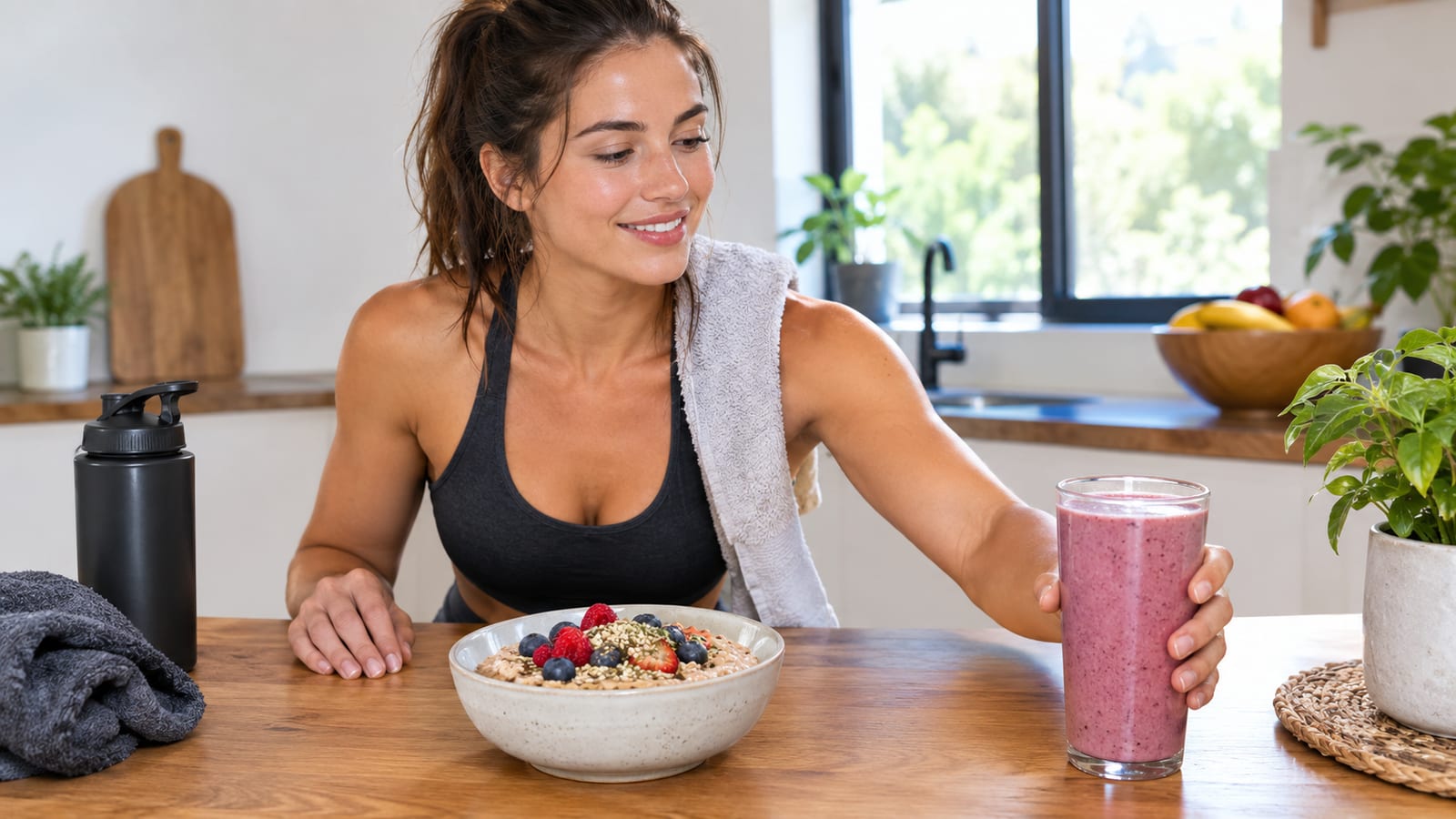
After training, you need enough carbohydrates to replace used energy and enough protein to support repair. You also need enough total food across the day. A bowl of raw vegetables with a few nuts misses all three for many athletes.
Useful raw or mostly raw recovery combinations include:
- Fruit smoothie with soy milk, oats, and tofu
- Soaked oats with soy yogurt, banana, and nut butter
- Banana, dates, and a soy protein drink
- Fruit blended with silken tofu and cocoa
- Avocado and bean spread with bread or crackers
- A raw snack followed by a cooked meal later
The last option is often the most realistic. Have fruit and a smoothie soon after practice, then eat rice, potatoes, pasta, beans, tofu, or another substantial meal when you get home.
Athletes who train again soon need a more deliberate recovery plan. Raw snacks can start the process, but they may not replace enough carbohydrate or protein on their own.
For broader plant-based meal ideas, use this plant-based athlete meal guide.
Who should limit raw foods?
Raw recipes may be a poor fit if you struggle with bloating, loose stools, reflux, or early fullness. Large servings of raw fruit, vegetables, seeds, and dried fruit can create problems even when each ingredient is nutritious.
Young athletes also need enough food for growth and training. A strict raw vegan diet can make that harder because it removes convenient sources of energy and protein. Parents should focus on regular meals, variety, and adequate intake rather than enforcing a food rule.
You should also be careful during heavy training blocks. Endurance athletes, swimmers, cyclists, and athletes playing multiple games may need more concentrated food than raw produce can provide comfortably.
A raw recipe is worth keeping if it helps you eat. Drop it if it leaves you bloated, hungry, or unable to meet your training needs.
How to test raw food before race day
Practice new foods during ordinary training. Race day is a poor time to learn that a large date bar, raw brownie, or high-fiber smoothie does not agree with you.
Use this process:
- Pick one recipe.
- Try a modest serving before an easy session.
- Record how your stomach feels.
- Test it again during a harder session.
- Pack the same food and container for a longer workout.
- Keep it out of competition until it has worked repeatedly.
Change one ingredient at a time. Otherwise, you won’t know whether the problem came from dates, nut butter, seeds, the heat, or the amount you ate.
Also practice opening packages, chewing while moving, and drinking with the food. A recipe that works at your kitchen table may fail when you’re racing up a hill or rushing between games.
A practical raw-food training plan
You don’t need to eat raw foods all day. Use them where they solve a real problem.
Before training
Choose fruit, a smoothie, soaked oats, or a small energy bite. Keep the meal lower in fat and fiber if the session includes running or hard intervals.
During training
Use soft fruit, dates, applesauce, fruit puree, or a thin homemade gel. Add fluids and electrolytes when the session is long, hot, or sweaty.
After training
Start with a smoothie or portable snack if you can’t eat a meal right away. Then include a more substantial carbohydrate and protein meal, cooked if that makes it easier.
On rest days
Raw meals can add fruit, vegetables, and variety. However, you still need enough total energy and protein. Rest days are not a reason to under-fuel.
FAQ
Can raw food provide enough protein for athletes?
It can, but the plan takes more thought. Soy milk, soy yogurt, tofu, hemp, seeds, nuts, and legumes can help, yet raw meals may be bulky or filling before you reach your protein needs. A qualified sports dietitian can help if you follow a strict raw vegan diet.
Are raw foods better than cooked foods for performance?
No single cooking style improves performance by itself. Raw foods can offer convenient carbohydrates and fluids, while cooked foods often make it easier to eat enough energy and protein. Use the form that supports digestion and your schedule.
Can you eat raw food before a marathon?
You can use tested raw carbohydrate foods before and during a marathon. Bananas, dates, applesauce, and fruit puree may work well for some runners. Practice first, because high fiber, concentrated dried fruit, and large servings can cause stomach trouble.
Do raw recipes need refrigeration?
Many fresh recipes do. Smoothies, cut fruit, tofu, and plant-based yogurt can spoil when left warm. Pack them in an insulated container and follow safe food-handling practices.
Is a raw brownie a good recovery food?
A raw brownie can add carbohydrate and energy, but it may not provide enough protein for recovery by itself. Pair it with soy milk, soy yogurt, tofu, or a full meal when the workout was demanding.