

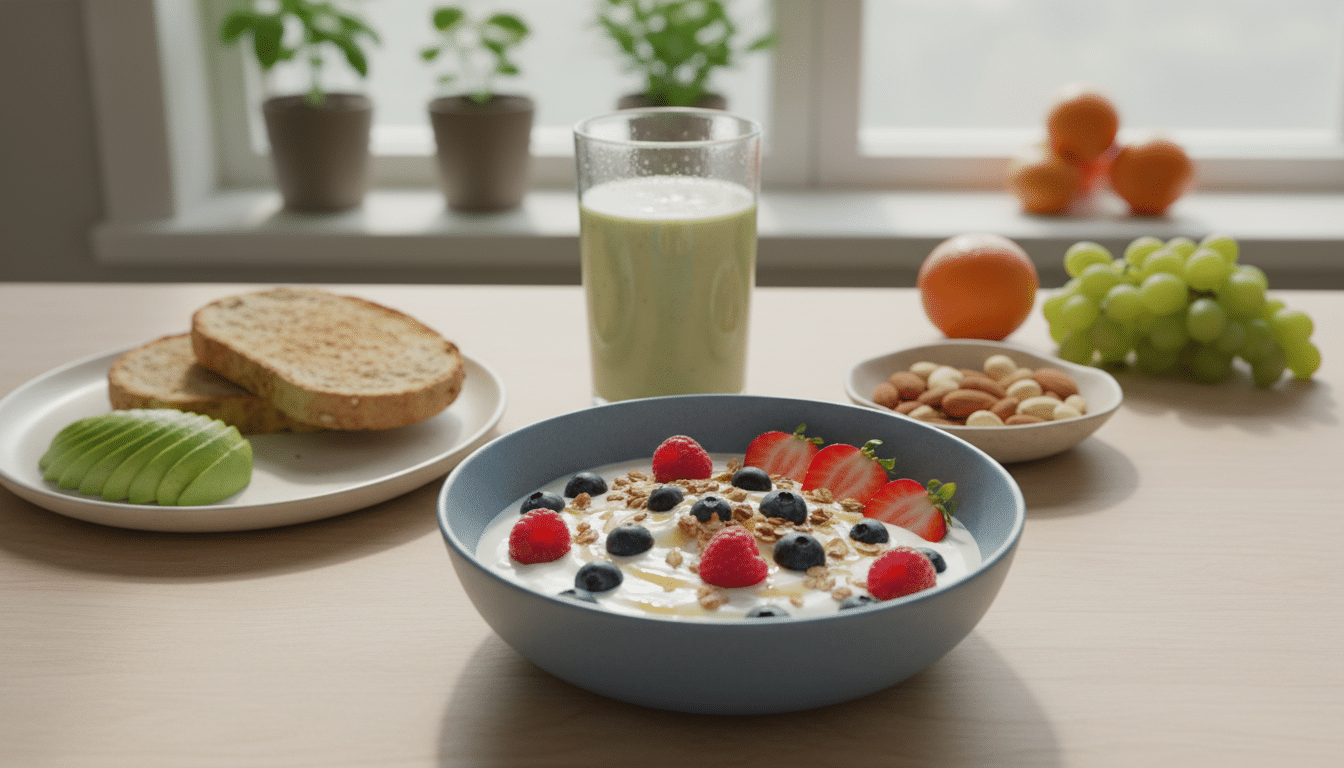
What if you could skip the kitchen entirely and still fuel your muscles perfectly after training?
You just finished a hard session. Your muscles are asking for protein and carbs, right now. But you don’t have time to cook.
Here’s the science. During exercise, your body burns through stored glycogen. It also starts breaking down muscle fibers.
After you finish, there’s a critical 30 to 60 minute window. Your system is primed to absorb nutrients for repair.
This is when you need to act. No-cook options solve the timing problem. They deliver quick protein and carbohydrates fast, with zero stove time.
Think sandwiches, salads, smoothies, or wraps. These choices require minimal preparation—often just five minutes.
You get what your muscles need: protein to rebuild, carbs to refuel. All without a long kitchen stop.
This guide covers practical, portable food that fits a busy schedule. It supports your recovery so you can train consistently and feel strong.
Understanding the Benefits of Quick, No-Cook Recovery Meals
Your muscles are most ready to accept fuel in the first hour after you finish training. This isn’t just a suggestion—it’s based on how your system works.
During a session, your body burns through stored glycogen for energy. After you stop, protein levels in muscle tissue begin to drop. Fibers start breaking down.
For about 30 to 60 minutes, your system is primed to refuel. It absorbs carbohydrates and protein more efficiently than at other times. Hitting this window is key.
| Quick Action (Within 30-60 Minutes) | Delayed Nutrition (After 60 Minutes) |
|---|---|
| Efficient protein absorption for muscle repair | Slower protein synthesis, prolonged soreness |
| Rapid glycogen replenishment for energy | Lagging energy stores, fatigue |
| Optimal recovery, ready for next session | Reduced performance in subsequent training |
| Simple food choices work effectively | May require more complex meals later |
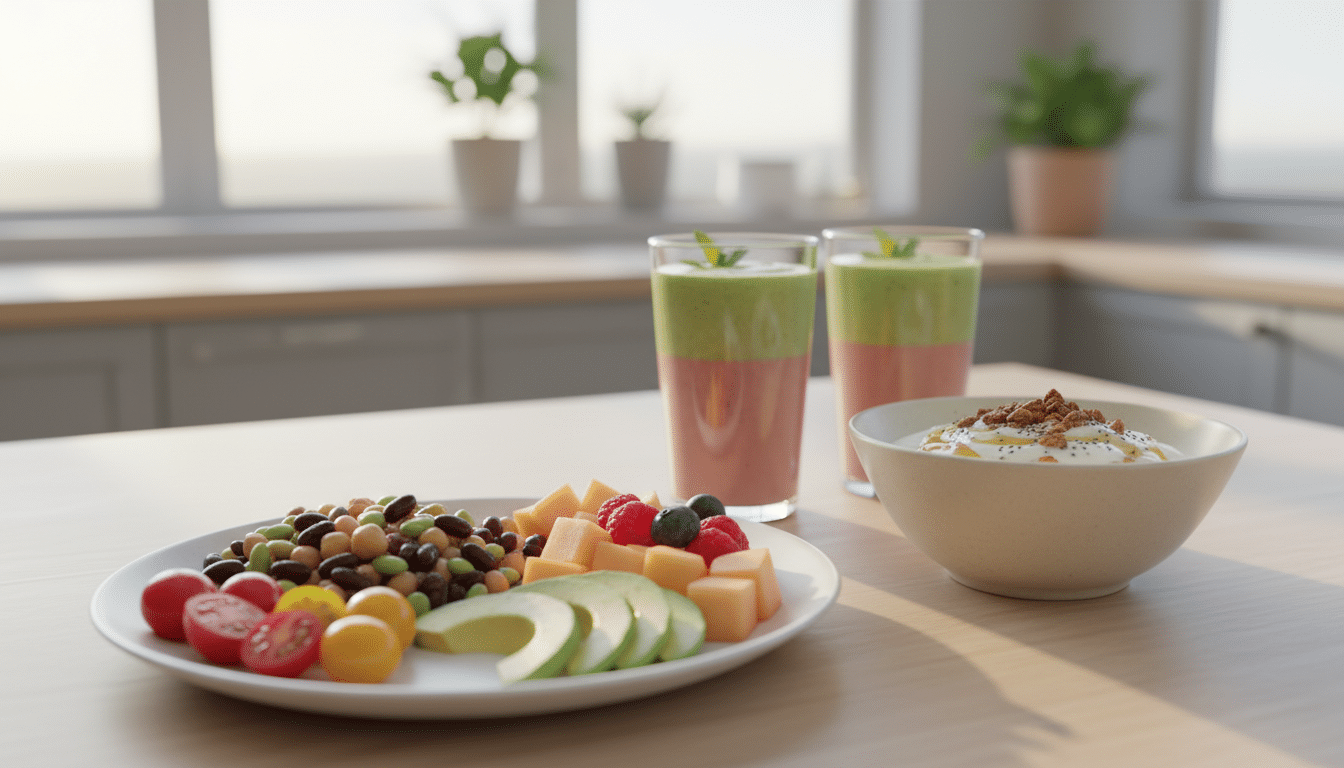
Quick options eliminate prep time. You can eat within minutes of finishing. Your body gets what it needs: protein to repair fibers and carbs to restore energy stores.
Skipping this nutrition can slow recovery. It may increase soreness and hurt your next session. Simple, ready-to-eat food provides the same benefits as cooked meals when it has adequate protein and carbs.
You don’t need complicated recipes. Support proper muscle recovery with straightforward choices.
Exploring Post Workout Meals Without Cooking
Imagine finishing a tough training session and having your recovery fuel ready in under five minutes. That’s the power of planning with no-cook choices. They eliminate the barrier of preparation when you’re tired and hungry.
Benefits of No-Cook Options
These foods save significant time—often 20 to 30 minutes compared to cooking. You can prepare them in advance and store them in your gym bag. Cold options are also easier to eat when your appetite is low after intense effort.
Portability is a major advantage. Eat in your car, at the gym, or on your way to work. This consistency removes a common hurdle to proper nutrition.
| Aspect | No-Cook Option | Traditional Cooked Meal |
|---|---|---|
| Preparation Time | Under 5 minutes | 20-40 minutes |
| Portability | High (bag-friendly) | Low (often requires plates) |
| Appeal Post-Exercise | Cool, refreshing, easy to digest | Can be heavy, less appealing |
| Nutritional Content | Complete with protein & carbs | Complete with protein & carbs |
How They Support Muscle Recovery
The protein in these foods triggers muscle protein synthesis. This process repairs and builds tissue directly after exercise.
Carbohydrates restore glycogen, your body’s primary energy store. Together, they provide everything needed for repair and refueling.
You get the same recovery benefits as cooked meals when you choose nutrient-dense ingredients. The key is the protein content and timing.
These simple foods make it easy to eat right, every single time. That consistency is what leads to better performance and less soreness.
Quick Salad Recipes for Recovery
Building a nutrient-packed salad takes just minutes. It delivers everything your body needs to repair and refuel.
These recipes are cool, refreshing, and easy to digest. They combine protein for muscle repair with carbs and fiber for lasting energy.
Mixed Greens with Protein Boost
Start with a base of mixed greens or kale. Add a high-quality protein source like grilled chicken, canned tuna, or hard-boiled eggs.
This delivers 20 to 26 grams of protein per serving. For the fastest option, use a pre-washed salad kit. It has greens, toppings, and dressing in one bag.
Rotisserie chicken from the store adds instant protein without any cooking. A power salad with kale offers about 8 grams of fiber.
Pro tip: toss your dressing with the kale and let it sit. This softens the greens nicely.
Seasonal Veggie Salad Variations
Change your salad with the seasons. Use fresh veggies like bell peppers, tomatoes, or cucumbers.
For a flavor boost, try a Caribbean-style salad. It combines grilled chicken with fresh fruits and a sweet orange vinaigrette.
Leftover cooked chicken is perfect for a quick chopped salad. Add chickpeas or black beans for plant-based protein and extra fiber.
Store-bought dressings work, but a simple vinaigrette takes one minute. Mix olive oil, vinegar, and a pinch of salt.
These recipes keep your recovery nutrition interesting and effective.
Protein-Packed Sandwich Ideas
Turn lunch into a powerful recovery tool with protein-packed sandwich ideas ready in minutes. A well-built sandwich delivers 15 to 25 grams of protein when you use quality ingredients.
Try a Caprese sandwich with fresh mozzarella, tomatoes, and basil on crusty ciabatta bread. It takes five minutes to assemble. Layer basil leaves on the bread and toast it to prevent sogginess if you’re prepping ahead.
For a creamy spread, mash avocado instead of mayo in a chicken sandwich. Use rotisserie chicken or canned tuna to skip cooking entirely. A turkey BLT adds extra protein compared to regular bacon—perfect for a filling lunch.
Cheese adds 6 to 8 grams of protein per slice, making sandwiches more satisfying. Choose whole grain or sprouted grain bread for additional fiber and sustained energy.
Pack your sandwich in a container with an ice pack if you’ll eat it later. These simple meals are reliable top picks for muscle recovery that fit any schedule.
No-Cook Smoothies and Shakes for Fuel
Smoothies and shakes provide a refreshing, portable solution for post-exercise needs. They blend in five minutes or less for immediate nutrient delivery.
Fruit and Dairy Combinations
Combine milk or yogurt with fruit for a classic protein shake. Kefir adds probiotics for gut health.
Try a peanut butter banana smoothie. Spinach blends in without changing the flavor. It delivers hidden vegetables.
Plant-Based Power Shakes
Use almond milk or coconut milk as a dairy-free base. Add red lentils for a plant-based protein boost.
Frozen banana and avocado create a creamy texture. This provides healthy fats for sustained energy.
| Base Ingredient | Protein Content | Key Benefit | Best Use |
|---|---|---|---|
| Cow’s Milk | 8g per cup | Complete protein, calcium | Dairy-based shakes |
| Greek Yogurt | 10g per ½ cup | Probiotics, thick texture | Creamy smoothies |
| Almond Milk | 1g per cup | Low-calorie, nutty taste | Plant-based blends |
| Coconut Milk | 0g per cup | Rich texture, healthy fats | Tropical flavors |
| Kefir | 9g per cup | Probiotics, tangy flavor | Gut health focus |
These liquid options are perfect when you need quick fuel. They support muscle repair and energy replenishment.
Energy Boosting Snacks and Bars
For immediate fuel on the go, nothing beats the convenience of energy-boosting snacks and protein bars. These portable foods deliver a mix of protein and carbohydrates to support recovery. They are designed for busy schedules—grab them from your bag and eat within minutes.
Protein Bars vs. Homemade Energy Bites
You have two great choices: store-bought bars or homemade bites. Each offers unique benefits.
| Option | Protein Content | Key Benefit | Prep Time |
|---|---|---|---|
| Store-Bought Protein Bar | 15g+ per bar | Instant, no prep needed | 0 minutes |
| Homemade Energy Bites | 4-9g per serving | Control over ingredients | 10 minutes (batch) |
| Homemade Protein Bars | 10g+ per bar | Natural sweetness, no additives | 15 minutes (batch) |
Homemade energy bites combine nut butter, oats, seeds, and protein powder. Roll them into balls—no baking required. A pumpkin spice recipe with dates offers about 9 grams of protein.
Matcha bites with pecans deliver 4 grams of protein plus antioxidants. Make a batch during meal prep for the week.
For bars, try a raw chocolate version with oats, almond butter, and protein powder. You control the sugar content.
Smart Snack Pairings
Pair a protein bar with a piece of fruit. This adds carbohydrates for glycogen replenishment.
These snacks travel easily in your gym bag. They don’t need refrigeration for several hours. Nuts and seeds add healthy fats for sustained energy.
Keep these snacks handy. They are perfect for a quick boost without any fuss.
Ready-to-Eat Meals with Minimal Preparation
Your next high-protein lunch can be ready before you’ve even finished showering.
These ready-to-eat options require zero cooking. Just assemble pre-cooked or fresh ingredients in five minutes or less.
Each meal delivers at least 15 grams of protein to support muscle recovery effectively. That makes them satisfying and energizing.
Think bistro-style boxes. Combine hard-boiled eggs, edamame, tuna, and crackers in one portable container. You get over 20 grams of protein in a single lunch.
Use rotisserie chicken, canned fish, and pre-washed greens as your base ingredients. Prep these meals the night before and grab them from the fridge.
Combine simple precooked items into a one-dish meal. Aim for high fiber and plenty of protein for lasting fullness.
Store everything in divided containers. This keeps items fresh and prevents sogginess.
Ready-to-eat options are perfect when you train away from home. Eat in your car or at work in just a few minutes. This simple recipe for success makes your lunch effortless.
Incorporating Dairy and Plant-Based Proteins
A single container of Greek yogurt packs more protein than many cooked snacks. One serving delivers about 16 grams. This high protein content makes it more filling and excellent for muscle support.
Cottage cheese is another powerful choice. A half-cup gives you 14 grams of protein. It also provides calcium for strong bones.
For plant-based options, look to chickpeas. A half-cup has 7 grams of protein and 6 grams of fiber. Roast them with spices for a crunchy snack.
Edamame beans are also great. One cup offers 13 grams of protein. Both dairy and plant sources work perfectly for your recovery needs.
Delicious Options Featuring Fresh Ingredients
Think beyond basic assembly. Strategic pairings of fresh ingredients create meals that are both delicious and effective.
Vibrant colors and crisp textures make your fuel more appealing. They also deliver a wide range of vitamins and minerals.
Simple Ingredient Pairings
The best recipes often have just a few components. Focus on high-quality ingredients.
Fresh veggies like tomatoes, cucumbers, and bell peppers add crunch and nutrients. Pre-cut options from the store save time.
Sun-dried tomatoes deepen flavor in wraps. Salty feta cheese keeps things satisfying without heavy sauces.
For a decadent twist, try burrata on avocado toast. It’s a protein-rich choice perfect for any time of day.
| Pairing | Key Fresh Ingredients | Protein Source | Flavor Boost |
|---|---|---|---|
| Chicken Avocado Wrap | Bell peppers, spinach | Rotisserie chicken | Fresh cilantro |
| Tuna Tomato Salad | Cherry tomatoes, cucumber | Canned tuna | Lemon juice, parsley |
| Burrata Avocado Toast | Avocado, microgreens | Burrata cheese | Red pepper flakes |
| Veggie Feta Wrap | Mixed veggies, olives | Feta cheese | Sun-dried tomatoes |
Use your favorite tortilla as a base. Whole grain or sprouted grain varieties work well.
These simple combinations cover multiple nutrient needs. They make your recovery nutrition something you genuinely enjoy.
Healthy Fat and Fiber Options for Athletes
Healthy fats and fiber aren’t just for heart health. They’re key players in your recovery nutrition.
These nutrients slow digestion. This helps you feel full longer after you eat. It also provides sustained energy for hours.
Smart choices like almonds, pumpkin seeds, and chia seeds are powerful. A one-ounce serving of almonds gives you 6 grams of protein and healthy fats.
Regular almond consumption supports gut health. It may also lower risk factors for heart disease.
Pumpkin seeds are another excellent option. They deliver 8.5 grams of protein per ounce. You also get a good amount of fiber, magnesium, and zinc.
Chia seeds contain 4 grams of protein per ounce. Their high omega-3 fatty acid content is notable. It may help lower triglyceride levels.
Add them to yogurt or a smoothie for extra fiber. They blend in without changing the flavor.
| Option | Protein & Fiber Content | Key Benefits |
|---|---|---|
| Almonds (1 oz) | 6g protein, 3.5g fiber | Supports gut microbiome, heart health |
| Pumpkin Seeds (1 oz) | 8.5g protein, 1.7g fiber | Rich in magnesium, zinc, antioxidants |
| Chia Seeds (1 oz) | 4g protein, 10g fiber | High omega-3s, may lower triglycerides |
| Avocado (½ medium) | 2g protein, 5g fiber | Heart-healthy monounsaturated fats |
Avocado provides monounsaturated fats. These reduce inflammation in the body.
Coconut and coconut oil contain medium-chain triglycerides. They offer quick energy without heavy digestion.
Pair these fiber-rich nuts and seeds with a protein source. This creates balanced meals that keep you going strong.
Global Flavors in Quick Recovery Meals
Add international flair to your post-exercise fuel with simple, ready-to-eat options. Global tastes keep your nutrition interesting and effective.
Mexican and Mediterranean Inspirations
Mexican-inspired recipes often feature black beans, corn, and avocado. These ingredients provide complete protein and satisfying flavor combinations.
Try three-ingredient chicken salad tostadas. Use a premade salad kit for everything in one bag. Swap in canned black beans for chicken to make it vegetarian.
Mediterranean flavors create refreshing meals. Think feta cheese, olives, tomatoes, and cucumbers. These are perfect after hot-weather training.
Caribbean-style salads combine grilled chicken with tropical fruits. They include fresh veggies and a sweet orange vinaigrette.
Black bean and quinoa combinations deliver complete plant-based protein. They contain all essential amino acids.
Microwave a sweet potato for a Mexican-style meal. Top it with black bean and corn salsa, plus cheese and avocado crema.
Use premade salsas and hummus for authentic tastes. Mediterranean wraps with hummus take just five minutes to assemble.
These global recipes make recovery nutrition something you genuinely enjoy. Variety prevents boredom and supports consistency.
Tips for Enhancing Post-Workout Meal Nutrient Content
Small tweaks to your plate can significantly boost muscle repair and energy. You don’t need special recipes.
Focus on balancing key nutrients and adding smart ingredients. This approach upgrades any food quickly.
| Addition | Primary Benefit | How to Use | Protein/Fiber Boost |
|---|---|---|---|
| Almonds or Pistachios | Add protein & healthy fats | Mix into trail mix or yogurt | 6g protein per ounce |
| Protein Powder | Increase protein content | Blend into smoothies or energy bites | 15-25g per serving |
| Chia Seeds | Boost fiber & omega-3s | Stir into yogurt or shakes | 10g fiber per ounce |
| Granola | Add carbs & crunch | Layer in a yogurt parfait | Varies, often 3-5g protein per ½ cup |
Balancing Protein, Carbs, and Fats
Aim for a 3:1 or 4:1 ratio of carbohydrates to protein. This supports glycogen replenishment and muscle repair.
Include a source of healthy fat in every meal. It aids hormone production and reduces inflammation.
For example, create a Greek yogurt parfait. Layer yogurt with granola and berries. This balances all three macros beautifully.
Smart Additions for Extra Fiber
Boost fiber content easily. Add chia seeds, flaxseed meal, or hemp seeds to smoothies and yogurt bowls.
These ingredients blend in without changing flavor. They also provide extra nutrients like omega-3 fatty acids.
This supports digestion and sustained energy. It’s a simple way to enhance your food.
Simple Meal Prep Techniques for Busy Schedules
Spending a single hour on your day off can set you up for success all week long. This investment saves you valuable minutes every single day.
Batch preparation is the smart way to handle nutrition. Make a large batch of yogurt dip or homemade vinaigrette ahead of time. Portion them into small containers for daily use.
Focus on preparing versatile components. This strategy turns hectic evenings into smooth routines. Your future self will thank you.
Use this table as a quick guide for efficient planning.
| Prep Task | Time Investment | Weekly Benefit |
|---|---|---|
| Hard-boil a dozen eggs | 15 minutes | Grab-and-go protein for 5-6 days |
| Make a batch of yogurt dip | 5 minutes | Pre-portioned snacks ready instantly |
| Prep energy bites (no bake) | 10 minutes | 7 days of snacks stored in the fridge |
| Portion trail mix & nuts | 5 minutes | Exact serving sizes prevent overeating |
Wash and chop vegetables during your prep session. Store them in divided containers to keep items crisp. This prevents sogginess in salads and wraps.
For more inspiration, check out these 5-ingredient high-protein recipes. They align perfectly with this efficient approach.
Label everything with dates. This ensures optimal freshness and food safety. A little planning makes healthy eating effortless.
Customer-Approved Recipes and Success Stories
Discover which no-cook recipes athletes are actually using and loving. Real feedback shows what works for recovery and busy schedules.
User Favorites from Trusted Sources
The Caprese Sandwich from EatingWell is a top choice. It takes five minutes and delivers fresh flavor. Users save this recipe to their free MyRecipes box for easy access.
Three-Ingredient Chicken Salad Tostadas get high ratings. They use a premade salad kit for maximum convenience. This simple recipe is perfect for a quick lunch.
Power salads with 26 grams of protein keep athletes full for hours. Blackberry smoothies earn praise for their fresh berry taste. Both are favorites for fast preparation.
One-Pan Mexican Quinoa is another winner. It uses inexpensive ingredients like corn, black beans, and tomatoes. Homemade bistro boxes save money and provide high-protein convenience.
Tuna-based recipes receive consistent positive feedback. They offer shelf-stable options for travel. The most successful meals have five ingredients or fewer and take under ten minutes.
Common Mistakes to Avoid with No-Cook Meals
Even the best nutrition plan can fail if you make simple errors with your recovery food. Knowing what to skip helps you get the most from your effort.
One major error is skimping on protein. Your body needs enough to repair muscle tissue. Aim for at least 15 grams per serving after intense training.
Don’t eat only carbohydrates. You require both protein and carbs to refuel properly. Protein alone won’t replenish energy stores.
Timing matters a lot. Don’t wait more than 60 to 90 minutes after your session to eat. Nutrient absorption is most effective soon after you finish.
Skipping your recovery nutrition entirely is a big mistake. Consistent eating throughout the day matters more than occasional perfect meals.
Relying solely on protein shakes isn’t ideal. Whole foods provide additional nutrients that shakes can’t match.
Avoid convenience snacks with lots of added sugar. They spike blood sugar and leave you hungry within hours.
Not preparing ahead leads to poor choices when you’re tired. Prep your lunch or snacks in advance to save time.
Don’t eat the same thing every day. Variety ensures you get different nutrients and prevents boredom.
Include healthy fats for anti-inflammatory benefits. They also help you feel full longer after you eat.
Conclusion
You now have all the tools to master your post-exercise nutrition without ever turning on the stove.
These quick foods deliver the protein and carbs your body needs. They fit into any schedule.
Eating soon after training gives your muscles the best boost. Aim for 20 to 30 grams of protein each time.
Prepping on your day off makes grabbing a good meal easy throughout the day. This saves you time and energy.
Start with a few recipes you enjoy. Rotate them to keep things interesting.
Your nutrition directly affects how you feel and perform. Consistent choices lead to strong results.
This way of eating removes the old barriers. It supports your goals in a simple, effective way.