

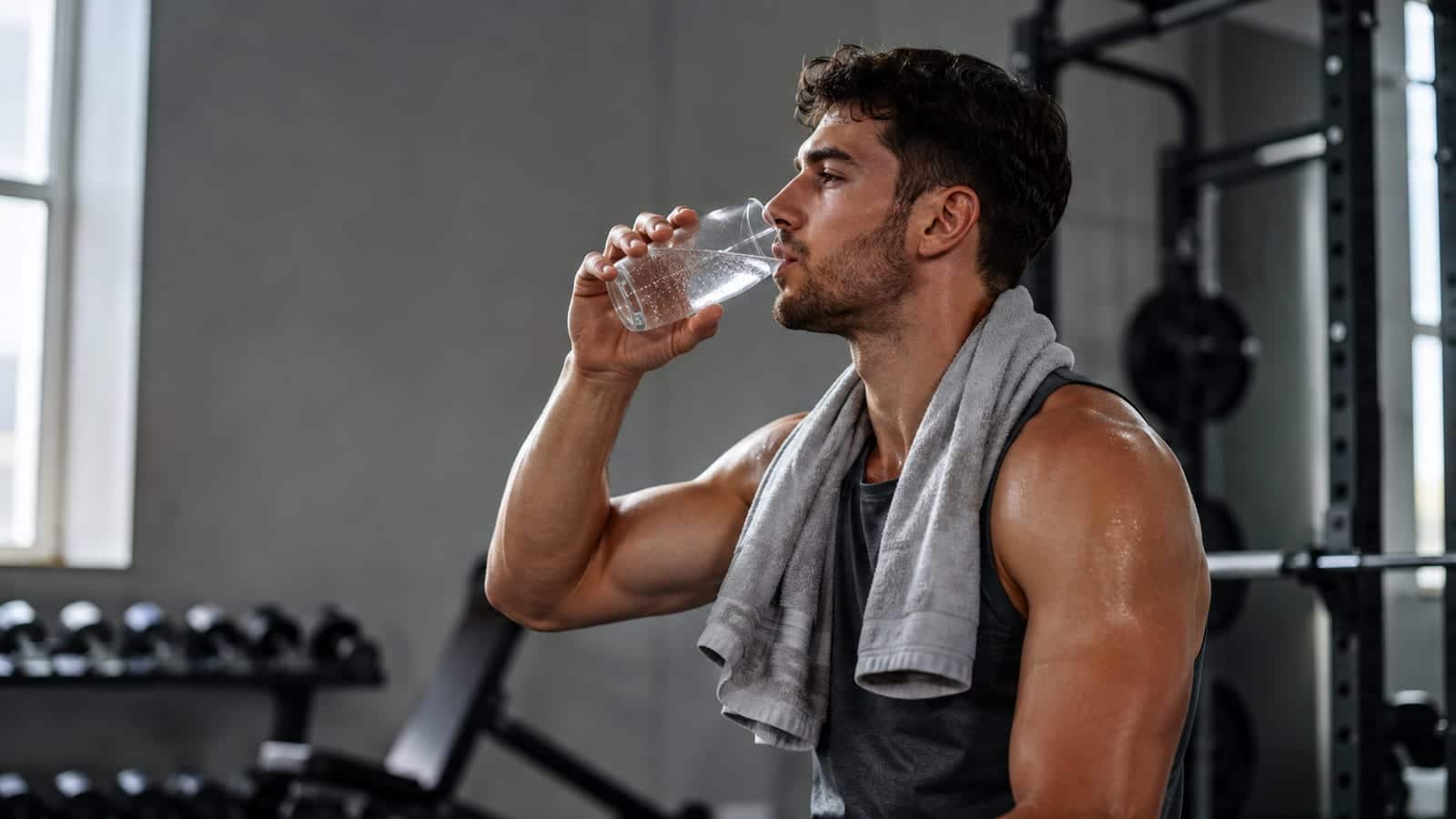
Plain, unsweetened sparkling water is fine for hydration. Seltzer, mineral water, and club soda provide fluid about as well as still water. Still water may be easier around hard training, while sugary or caffeinated fizzy drinks bring extra trade-offs. Choose what you tolerate and will drink steadily.
Last updated: 2026-09-04
Does sparkling water hydrate as well as still water?
Plain sparkling water hydrates about as well as still water. A controlled study found no meaningful difference in hydration status between carbonated water and still water. Another study found carbonated beverages were as effective as non-carbonated beverages for rapid fluid replacement and recovery after dehydration.
Carbonation did not affect blood volume or electrolyte concentrations compared with the other conditions.
The Beverage Hydration Index, or BHI, compares how much fluid different drinks help your body retain. Sparkling water had the same Beverage Hydration Index as still water: BHI 1.
Your body can use the fluid in plain sparkling water.
Still, the best drink depends on the work ahead. Bubbles can make some people feel full sooner. That matters during long practices, hot competition, or any session where you need to drink steadily. Use still water if carbonation makes it harder to take in enough fluid.
For a normal day, choose the kind you’ll actually drink. For training, match the drink to your fluid and fuel needs. How much water should athletes really drink? covers the larger hydration plan.
Carbonation can make drinking easier
Carbonation can make water more appealing. Some people prefer the bite and texture of bubbles, especially when plain still water feels dull. If sparkling water helps you reach for a drink instead of skipping fluids, it has a useful place in your routine.
Fizz isn’t a superior hydration tool, though. It doesn’t give your body a special advantage over still water. The benefit comes from making fluid easier to choose and more enjoyable to drink.
Try sparkling water:
- With lunch when you want more flavor
- At your desk when you forget to drink
- After practice when you want something cold
- As a swap for soda or sweet tea
- Between meals when you’re tired of still water
Flavored sparkling water can work too, provided the label shows no added sugar and no meaningful calorie load. A squeeze of citrus or a few mint leaves gives you more flavor without turning the drink into a soft drink.
Where the bubbles fall short
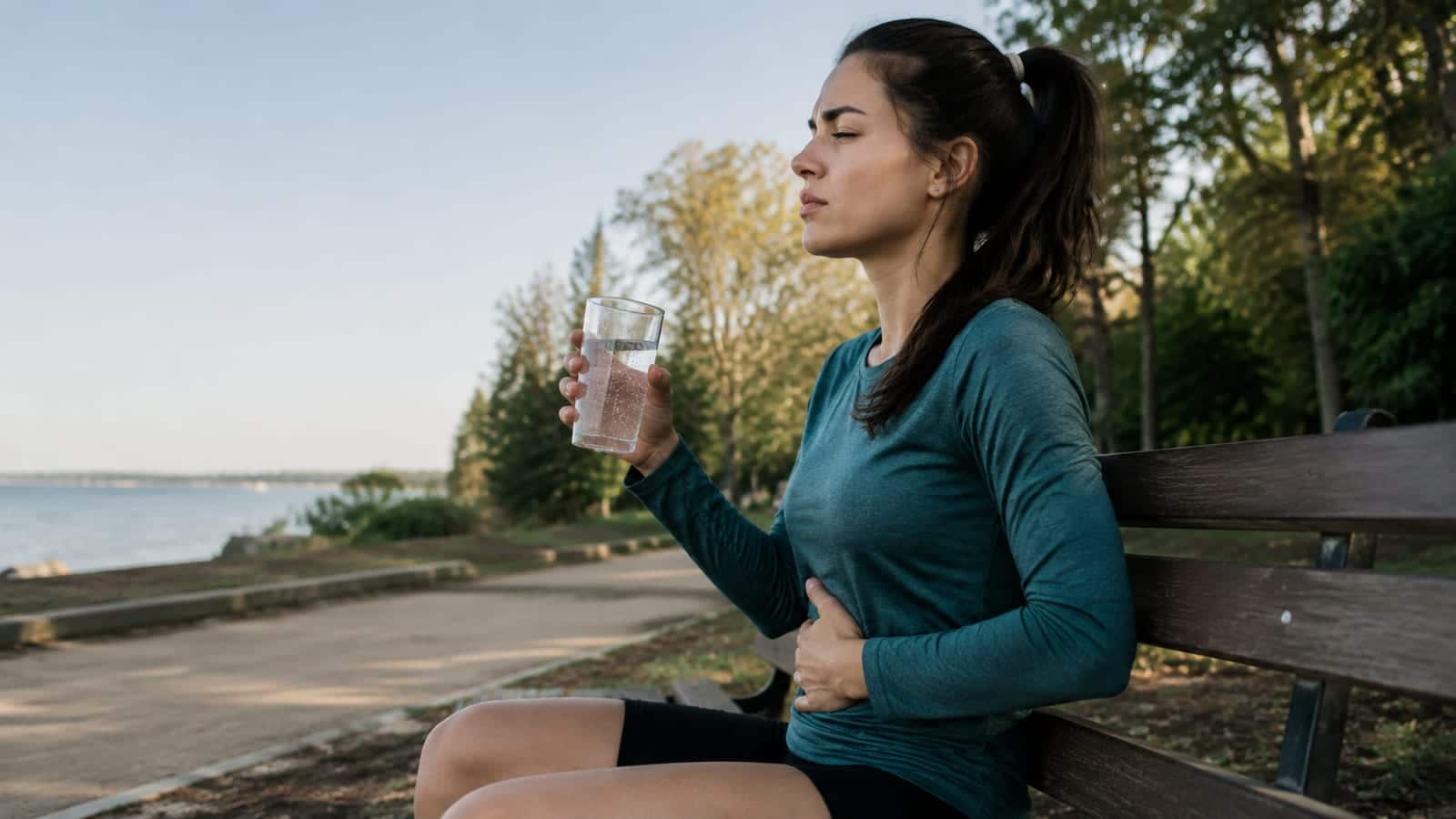
Carbonation can cause fullness, belching, or stomach discomfort. Some people notice it right away. Others only have trouble when they drink a large amount quickly or pair it with a hard workout.
That makes timing useful. Sparkling water may fit well with meals, desk work, and easy daily drinking. Still water usually works better before or during intense training, especially if running, jumping, or repeated hard efforts already upset your stomach.
Test your tolerance during an ordinary practice. Don’t make a new fizzy drink your game-day plan if you haven’t used it during training.
Choose still water before a session if sparkling water causes:
- Burping while you run
- A tight or full stomach
- Side discomfort
- Reflux symptoms
- Trouble drinking enough
You don’t need to avoid bubbles just because someone else does. Your stomach gets the final vote. If discomfort keeps happening even with still fluids, discuss it with a qualified clinician instead of guessing at food and drink changes.
Dental concerns depend on the label
Plain sparkling water carries a relatively low dental risk. Carbonation creates carbonic acid, which gives the drink its sharp taste. Commercially available unflavored sparkling waters measured from pH 4.18 to 5.87. That acidity explains the tangy taste.
The acidity is weaker than what you’ll find in many soft drinks and fruit drinks. However, flavored versions may contain added acids that create more concern for tooth enamel. Added sugar raises the risk further by giving mouth bacteria fuel.
Use a few simple habits:
- Choose plain or unsweetened sparkling water
- Check the ingredient list for added acids
- Drink it with a meal rather than sipping it all day
- Don’t swish it around your mouth
- Follow it with plain water if you’re concerned
- Keep brushing and flossing as usual
You don’t need to panic over a can of plain seltzer. Constant exposure is the habit worth changing. The label still matters more than the bubbles alone.
Sugar and calories change the decision
Sugar and calories can turn the drink into a sugary beverage. Sweetened sparkling waters, sodas, and tonic water still provide fluid, but they may add energy you didn’t plan to drink.
That doesn’t make every sweet drink forbidden. However, it makes one a poor default for all-day hydration. A sugary fizzy drink may help in a narrow training situation if it provides needed carbohydrate. Most everyday drinking doesn’t require that approach.
Check the label for:
- Added sugar
- Total calories
- Juice concentrates
- Syrups
- Sweeteners you know upset your stomach
- Serving sizes that don’t match the container
Plain sparkling water is the simplest choice if you want bubbles without extra energy. If you’re replacing soda, an unsweetened version is a practical swap. If you need carbohydrate during prolonged exercise, choose a drink based on the session. Don’t assume every fizzy drink serves the same job.
Caffeinated fizzy drinks are a separate choice
A caffeinated sparkling drink still contains fluid. You can count it toward hydration, but it may bring sweeteners, acids, or a stimulant dose that doesn’t suit your training day.
Caffeine affects people differently. It may feel useful before some sessions, while it can cause jitters, stomach trouble, or poor sleep for others. Poor sleep then makes recovery and training energy harder the next day.
For daily hydration, plain sparkling water or still water is the better starting point. Treat a caffeinated fizzy drink as a caffeine choice, not as your main water plan.
Be more careful with young athletes. They usually need regular meals, water, and enough total food. A stimulant drink is rarely the first answer for normal practice.
Sodium depends on the training load
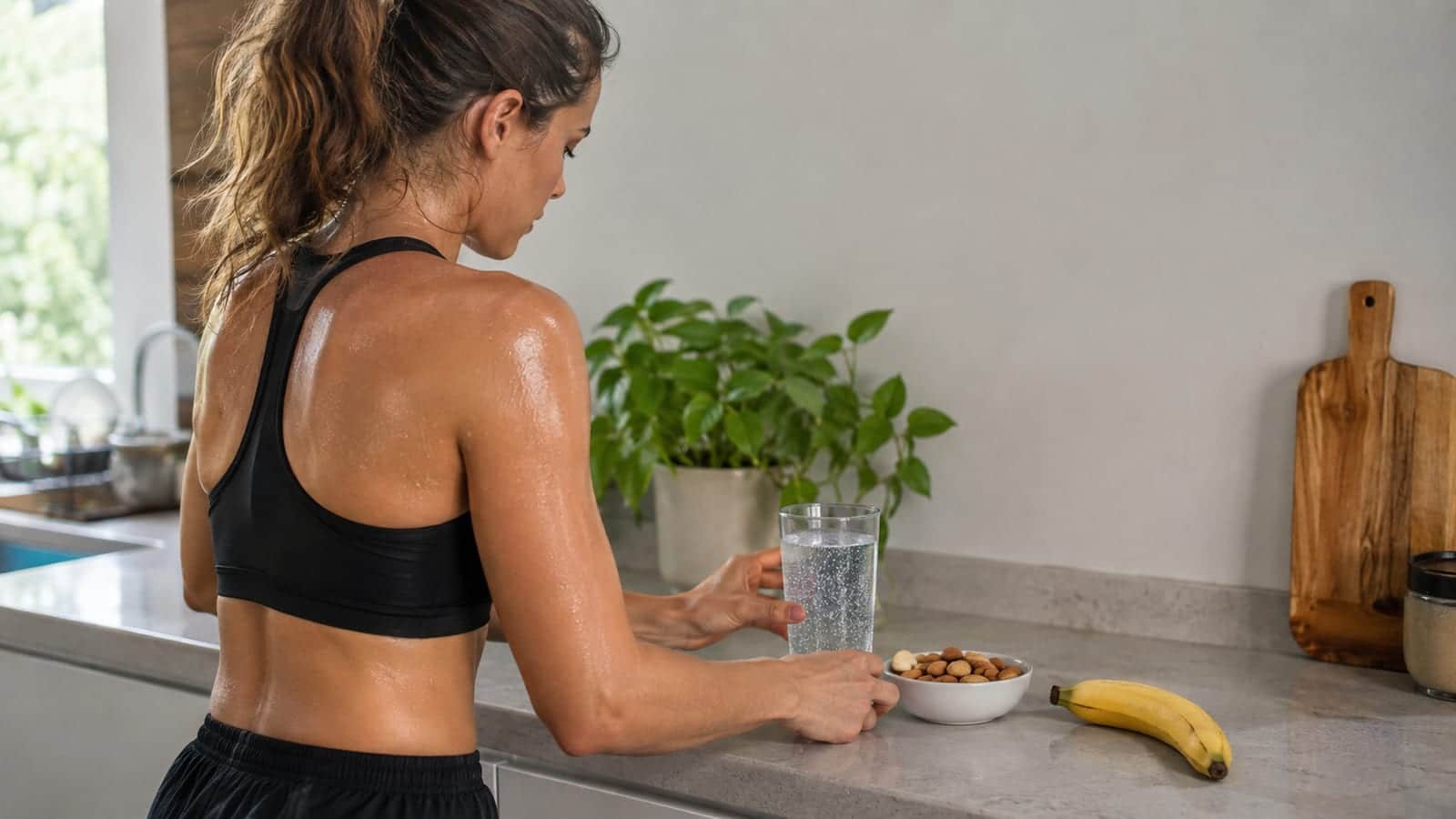
Some sparkling waters contain minerals and sodium. Others contain almost none. The label tells you which one you’re getting.
For everyday drinking, sodium in sparkling water usually doesn’t matter much. You get sodium from meals, and ordinary daily hydration doesn’t require a mineral water with a specific sodium level.
The situation changes during prolonged, sweaty exercise. Sodium can help replace losses during long training sessions, hot conditions, or repeated games. However, the sodium in a random bottle of sparkling water may be too low for that need. Carbonation may also make it harder to drink enough.
Look at the full training plan:
- Easy practice: still or sparkling water may be enough
- Long, hot, or highly sweaty sessions: consider fluids and electrolytes together
- Back-to-back games: include a reliable carbohydrate and fluid plan
- High blood pressure or a sodium-sensitive condition: review higher-sodium drinks with a clinician
Sports drinks and sodium explains why sodium needs depend on the work, sweat, and rest of the day. Don’t choose a mineral water for its marketing language alone.
The label matters more than the bubbles
Start with the smallest label that fits your needs. Plain water, carbonation, and perhaps natural flavor are enough for most people.
Use this checklist:
| Check the label | What to do |
|---|---|
| Added sugar | Choose none for everyday hydration |
| Calories | Choose a calorie-free option if you want water, not extra fuel |
| Caffeine | Skip it as your default if stimulants affect sleep or digestion |
| Sodium | Match it to your diet and training demands |
| Flavor | Pick one you’ll drink without stomach trouble |
| Carbonation | Choose light fizz or still water if bubbles feel too filling |
| Cost | Buy the option you can keep stocked without straining your budget |
Seltzer, mineral water, and club soda can all fit. Their mineral and sodium content differs, so read the ingredients and nutrition panel. Tonic water belongs in a different category because it usually contains sweeteners.
For athletes, keep still water available even if you like bubbles. That gives you an easy option before hard work, during long sessions, and whenever your stomach feels full.
Athletes need a flexible drink plan
Sparkling water works best as a daily drink, meal beverage, or recovery fluid when you tolerate it. It can also replace soda during a busy schedule without adding sugar.
Still water deserves priority around demanding training. You need to replace fluid losses, and carbonation can get in the way for some athletes. During long or sweaty sessions, you may also need carbohydrates and electrolytes. Sparkling water alone doesn’t cover those needs.
A practical setup looks like this:
- Keep still water in your training bag
- Use sparkling water with meals or at work
- Test flavored options during practice
- Bring familiar fluids to competition
- Add carbohydrate and electrolytes when the session calls for them
- Stop using a fizzy drink if it causes stomach symptoms
The right hydration plan fits your schedule, digestion, budget, and training load. Bubbles are optional. Enough fluid is the part that matters.
FAQ
Does sparkling water count toward daily fluid intake?
Yes. Plain sparkling water contributes fluid just as still water does. Count it as part of your regular intake if you tolerate the carbonation and choose a drink without added sugar.
Is sparkling water a good choice after sweating?
It can help replace fluid, but it may not provide enough sodium or carbohydrate for prolonged, heavy sweating. After a demanding session, pair it with a meal or snack that replaces energy and includes protein.
Can children drink sparkling water?
Plain sparkling water can fit a child’s routine if it doesn’t cause discomfort. Still water should remain easy to access. Sweetened or caffeinated fizzy drinks shouldn’t replace regular meals and water.
Is sparkling water safe before bed?
It can be, but carbonation may worsen fullness or reflux when you lie down. Choose still water if fizzy drinks make your stomach uncomfortable at night.
Can you drink sparkling water every day?
Most people can drink plain sparkling water daily. Rotate in still water when you need larger volumes, during hard training, or whenever the bubbles make drinking uncomfortable.