


A serious athlete should bulk with a modest calorie surplus, enough protein, plenty of carbohydrates, and meals that fit training and digestion. A good bulking plan should help you train hard, recover between sessions, and gain body weight gradually without turning every meal into a heavy shake or fried-food contest. Start with ordinary home foods, adjust portions from your weekly progress, and keep the plan practical enough to follow on busy days.
Last updated: 2026-10-07
What should an athlete's bulking plan do?
A useful bulking plan has four jobs:
- Provide enough energy for training and daily activity.
- Supply protein for muscle repair and growth.
- Bring in carbohydrates for hard sessions and recovery.
- Support gradual weight gain without making digestion miserable.
You need more food than you burn to gain weight. However, a huge surplus usually adds more body fat, digestive trouble, and sluggish training than useful muscle. Serious athletes also need to run, practice, lift, travel, and compete. A plan that looks impressive on paper but leaves you too full for practice has failed.
Your sport changes the balance. A strength athlete may tolerate more calorie-dense meals and lower food volume. An endurance athlete may need more carbohydrates and fluids. A field-sport athlete often needs both, especially during long practices, tournaments, or double-session days.
This approach is different from eating everything in sight. It gives you enough food to support the work while leaving room to adjust.
Calorie surplus and macronutrient targets
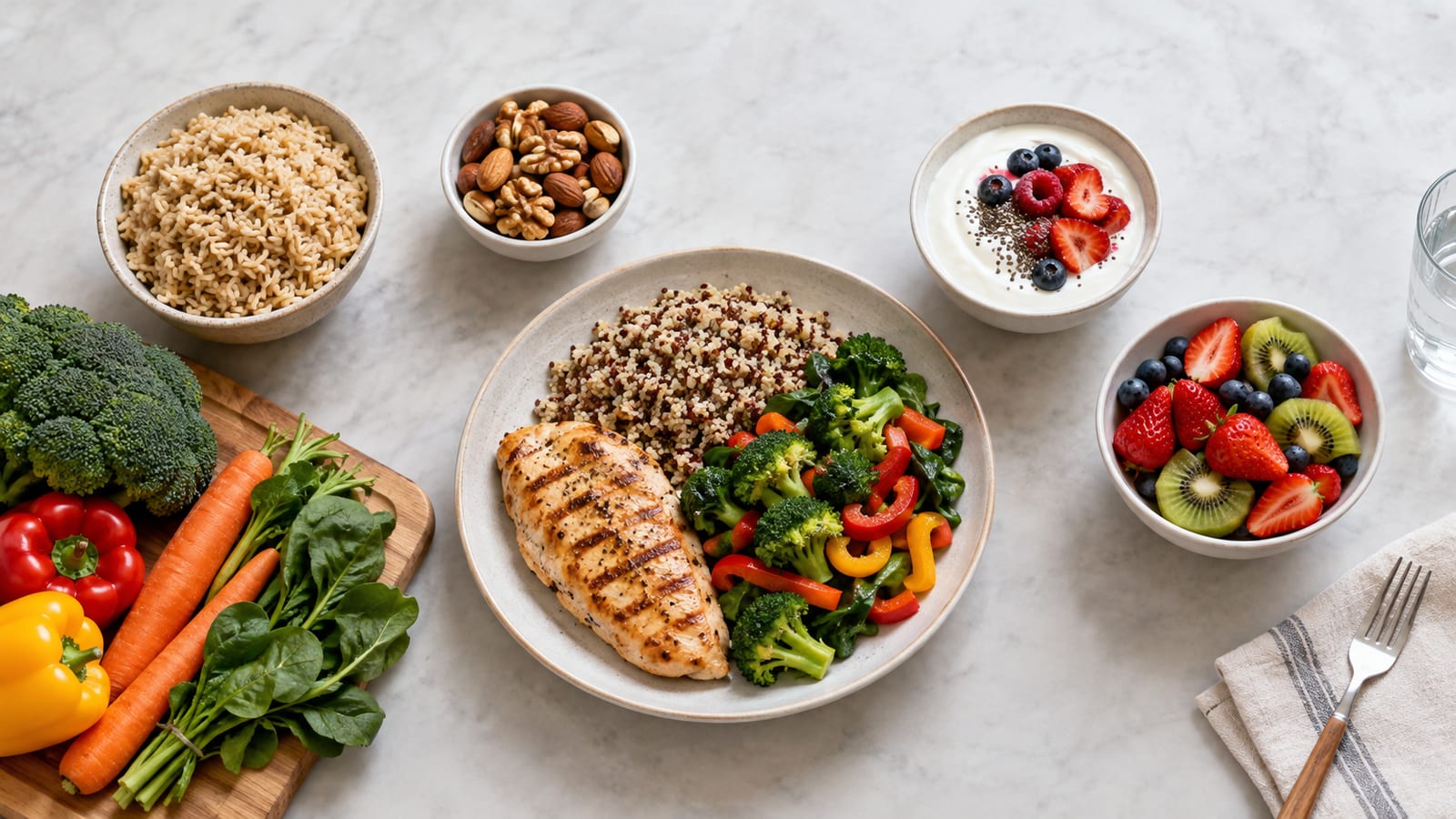
Start with your usual intake and add food gradually. You don't need to guess a perfect maintenance number before beginning. Track your body weight, training quality, hunger, recovery, and digestion for a short stretch, then adjust the portions.
Your body-weight trend matters more than a single morning reading. Water, stored carbohydrate, sodium, and the timing of your last meal can all change the scale. Look for the direction over several weigh-ins.
Use these targets as a starting framework:
| Nutrient | Practical starting point | Main job |
|---|---|---|
| Protein | About 1.4–2.0 grams per kilogram of body weight each day | Muscle repair and growth |
| Carbohydrates | Build most meals around a generous carbohydrate source | Training energy and recovery |
| Fat | About 20–35% of energy in the Acceptable Macronutrient Distribution Range | Energy, health, and calorie density |
| Fluids | Drink steadily across the day and around training | Performance and recovery |
The International Society of Sports Nutrition says exercising individuals need approximately 1.4–2.0 grams of protein per kilogram of body weight per day. That amount depends on the mode and intensity of exercise, protein quality, and the athlete's energy and carbohydrate intake. Read the International Society of Sports Nutrition position stand for the full research discussion.
Protein is not a substitute for enough food. If you raise protein while leaving carbohydrates and total energy too low, hard training can still feel flat.
The Acceptable Macronutrient Distribution Range is a calculated range for how much energy from carbohydrate, fat, and protein supports a healthy diet. Its range for dietary fat in adults is 20–35% of total daily calories, and carbohydrate and protein fill the rest. This is a broad planning range, not a command to force every day into exact percentages.
The Dietary Reference Intake standards apply to generally healthy people in the United States and Canada. People with specific health conditions may need different nutrient targets. If you have kidney disease, diabetes, a history of disordered eating, or another medical concern, get individual guidance before pushing food intake higher.
Protein servings across the day
The International Society of Sports Nutrition gives a general recommendation of 0.25 grams of high-quality protein per kilogram of body weight per serving, or an absolute dose of 20–40 grams. Protein doses should ideally be distributed every 3–4 hours across the day.
That doesn't mean you need six alarms and a container of chicken in every room. Three meals and one or two snacks can work if they provide enough total protein and fit your schedule. The point is to avoid eating almost all your protein at dinner after under-fueling all day.
Useful protein servings include:
- Eggs with toast and fruit.
- Greek yogurt with oats or cereal.
- Milk with a sandwich.
- Chicken, fish, lean meat, tofu, or beans with rice or potatoes.
- Cottage cheese with fruit and crackers.
- A protein shake when access to food is limited.
Protein doses should also contain enough high-quality amino acids. The same position stand says acute protein doses should aim for 700–3000 milligrams of leucine, along with a balanced range of essential amino acids. You don't need to calculate leucine at every meal. Dairy, eggs, meat, fish, soy, and mixed meals with legumes can cover this practical need.
Simple home foods make weight gain easier
A healthy weight-gain diet for athletes starts with foods you can buy, cook, pack, and eat again tomorrow. Expensive powders and specialty products aren't required.
Build most meals from these groups:
- Carbohydrates: rice, potatoes, oats, pasta, bread, cereal, tortillas, fruit, and beans.
- Protein: eggs, milk, yogurt, cottage cheese, chicken, lean meat, fish, tofu, lentils, and beans.
- Fats: olive oil, peanut butter, nuts, seeds, avocado, cheese, and tahini.
- Produce: bananas, berries, apples, frozen vegetables, peppers, carrots, spinach, and tomatoes.
- Fluids: water, milk, and sports drinks when the session demands both carbohydrate and fluid.
Rice, oats, potatoes, and pasta are useful because they provide training energy without requiring a large amount of chewing. Beans and lentils bring carbohydrates, protein, and fiber, but their fiber can be uncomfortable close to hard running or competition.
You can also increase calories without doubling meal size. Add olive oil to rice, peanut butter to toast, cheese to eggs, milk to oats, or nuts to yogurt. These additions help athletes with small appetites, but they may sit heavily before training.
Frozen vegetables and canned beans are good planning tools. They reduce cooking time and cost without turning the plan into a supplement program. Rinse canned beans if sodium or digestion is a concern, then test them away from your hardest sessions.
For more plant-based options, use the vegan bulking meal plan as a companion. Plant-based athletes still need enough total food, protein, carbohydrates, and fluids. Removing animal foods without replacing their energy is how an ambitious plan becomes an under-fueled plan.
Meal frequency should fit your schedule
Meal frequency can support muscle gain, but it doesn't create muscle by itself. Total calories and daily protein matter more than forcing six small meals when three larger meals would suit you better.
Three to six protein-containing meals can work. Choose the pattern that helps you eat consistently:
- Three meals: Best for athletes with strong appetites and predictable schedules.
- Four meals: Useful for spreading food around practice and work.
- Five or six feedings: Helpful when large meals cause discomfort or daily energy needs are high.
- Meals plus portable snacks: Practical for school, travel, tournaments, and long shifts.
The research-based protein approach favors doses every 3–4 hours across the day. Use that as a planning guide, not a reason to wake up at night for a snack.
A typical schedule might include:
- Breakfast with carbohydrates and protein.
- A midmorning snack or lunch.
- A pre-training meal or snack.
- A post-training meal.
- Dinner.
- An optional evening snack if you still need food.
The best schedule is the one that gets food into you before you become ravenous. Waiting until late evening often leads to a giant meal, poor sleep, and a stomach that is still working when you want to rest.
A practical plan for busy training days

A busy athlete needs food in a bag, not just a menu that assumes a quiet kitchen. Pack at least one carbohydrate food and one protein food before leaving home.
Before training
Two to three hours before training, eat a meal with carbohydrates, a moderate protein serving, and a small amount of fat. Good options include:
- Rice with chicken and cooked vegetables.
- Pasta with lean meat and tomato sauce.
- A turkey sandwich with fruit.
- Oats with yogurt and a banana.
- Potatoes with eggs and toast.
If you have less time, use a smaller snack:
- Banana and toast.
- Applesauce and a yogurt drink.
- Pretzels with milk.
- A bagel with a thin spread of peanut butter.
- Cereal with milk.
Lower-fiber and lower-fat foods often digest better before running, jumping, or repeated sprinting. Keep large salads, fried meals, and unfamiliar foods away from your hardest sessions. They may be nutritious, but practice is a poor place to discover that your stomach disagrees.
After training
Eat a meal or snack with carbohydrates and protein after training. You don't need a special recovery window or a complicated powder.
Try:
- Chocolate milk with a bagel.
- Rice with eggs.
- A chicken burrito.
- Yogurt with cereal and fruit.
- A tuna sandwich with potatoes.
- Tofu stir-fry with rice.
If dinner is soon, that meal can handle recovery. If dinner is delayed, use a portable snack first, then eat a full meal later.
Portable choices
Pack foods that survive your commute and don't require perfect conditions:
- Peanut butter sandwich.
- Turkey or cheese wrap.
- Milk or a yogurt drink in a cold bag.
- Banana, apple, or dried fruit.
- Pretzels, cereal, or crackers.
- Jerky with bread or fruit.
- Homemade oat bars.
- A shaker with protein powder for emergencies.
A protein shake is useful when you can't carry a meal. It is less useful when it replaces every meal and leaves you short on carbohydrates, fiber, and food satisfaction.
Three-day bulking meal plan with home foods
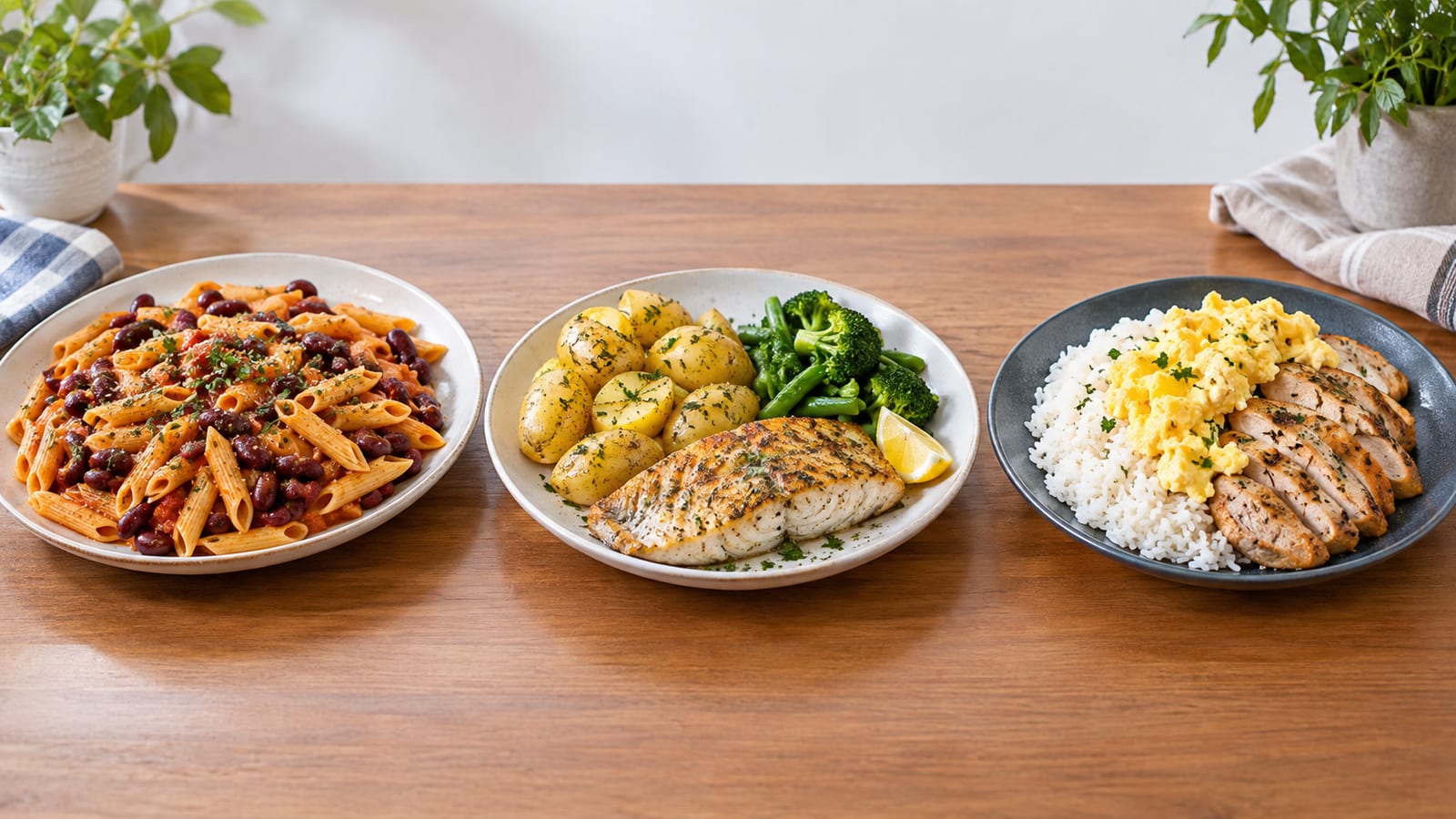
This three-day bulking meal plan uses repeatable ingredients and flexible portions. Increase or reduce the serving size based on your appetite, body size, sport, and weight trend. The meals are not a test you pass by following them exactly.
Day one: rice, eggs, and chicken
Breakfast
- Oats cooked with milk.
- Banana and peanut butter.
- Eggs on toast.
Midmorning snack
- Greek yogurt with cereal and berries.
- A handful of nuts if you need more energy.
Lunch
- Chicken with rice.
- Cooked peppers and spinach.
- Olive oil mixed into the rice or vegetables.
- Fruit.
Pre-training snack
- Bagel with a small amount of peanut butter.
- Water.
Post-training
- Chocolate milk.
- Pretzels or a banana.
Dinner
- Lean beef with potatoes.
- Green beans or carrots.
- Bread with olive oil or avocado.
Evening snack
- Cottage cheese with fruit.
- Crackers if you still need food.
This day works well for a strength athlete or field-sport athlete because it spreads carbohydrates across the day. If the full plan feels too large, remove the evening snack first. If weight stays flat, add olive oil, another slice of bread, or more rice to a main meal.
Day two: pasta, dairy, and beans
Breakfast
- Whole-grain cereal with milk.
- Yogurt and fruit.
- Toast with eggs.
Midmorning snack
- Cheese and crackers.
- An apple or banana.
Lunch
- Pasta with tomato sauce and turkey or tofu.
- Cooked vegetables.
- Parmesan or olive oil for extra energy.
Pre-training snack
- Applesauce.
- Toast with honey or jam.
- A yogurt drink if you tolerate dairy before exercise.
Post-training
- A turkey sandwich.
- Milk or a sports drink if the session was long and sweaty.
Dinner
- Bean and cheese burrito.
- Rice.
- Avocado and salsa.
- Fruit.
Evening snack
- Oats mixed with yogurt.
- Peanut butter toast if your appetite is strong.
Beans are a useful budget food, but they bring fiber. If they cause gas before training, move them to dinner or use tofu, eggs, dairy, or meat closer to practice.
Day three: potatoes, fish, and portable meals
Breakfast
- Breakfast burrito with eggs, potatoes, and cheese.
- Fruit.
- Milk.
Midmorning snack
- Oat bar.
- Yogurt or a protein shake.
Lunch
- Salmon or canned fish with potatoes.
- Bread.
- Cooked vegetables.
- Olive oil-based dressing.
Pre-training snack
- Banana and pretzels.
- Water.
Post-training
- Bagel with turkey.
- Milk or yogurt.
Dinner
- Chicken or tofu stir-fry.
- Rice or noodles.
- Mixed vegetables.
- Sesame seeds or olive oil.
Evening snack
- Cottage cheese with berries.
- Cereal or toast if you need a larger snack.
Fish can cost more than eggs or beans, so use canned fish, frozen fish, or replace it with chicken, tofu, or lentils. The meal's structure matters more than one premium ingredient.
Adjust the surplus without rebuilding the plan
A weight-gain meal plan should change when your body and training change. Keep the meals familiar and adjust one part at a time.
If your weekly weight trend is flat, add a compact food to one or two meals:
- More rice, pasta, oats, potatoes, or bread.
- Olive oil added to a main meal.
- Peanut butter on toast.
- Nuts mixed into yogurt.
- Milk added to oats or a smoothie.
- An extra sandwich after training.
If weight rises faster than you want, remove the easiest extra first. That might be the added oil, large evening snack, or second shake. Keep carbohydrates around training and keep protein steady. Cutting the pre-training meal often damages practice before it solves the calorie problem.
If your stomach feels full all day, spread food across more feedings. Choose softer foods, liquid calories, lower-fiber carbohydrates, and smaller portions near training. If your appetite is poor, eating more fat can help raise energy without adding much volume, but don't place a heavy fat-rich meal right before practice.
If you feel weak, irritable, cold, or unable to recover, the issue may be low total energy rather than low protein. Add carbohydrates around training and review whether your meals are large enough.
If your budget is tight, start with oats, rice, potatoes, pasta, eggs, beans, milk, peanut butter, frozen vegetables, and canned fish. Chicken and specialty protein products can help, but they don't need to carry the entire plan.
A men's bulking plan needs individual targets
A bulking meal plan for men should not assume every man needs the same calories or the same food volume. A larger athlete may need more total food, but body size alone doesn't determine the plan.
Training load, sport, daily movement, appetite, sleep, and current body weight all matter. A smaller male endurance athlete may need more carbohydrates than a larger recreational lifter with shorter sessions. A man training twice daily will also need a different schedule from someone lifting after work.
Use body size to set the protein range, then adjust total food from performance and weight trends. Keep the food pattern the same:
- Protein at regular meals.
- Carbohydrates before and after hard training.
- Fats in meals away from the most demanding sessions.
- Fluids across the day.
- Portable food for long schedules.
A men's template should never become an excuse to force down a giant breakfast or a mass-gainer shake. Bigger targets still need to be digestible.
High-protein meals that digest well
High-protein food can cause trouble when the serving is too large, too fatty, or too close to training. Keep the protein, then change the form or timing.
Good everyday options include:
- Yogurt with oats and fruit.
- Milk with cereal or a sandwich.
- Eggs with toast and potatoes.
- Chicken with rice.
- Fish with bread or potatoes.
- Tofu with noodles.
- Lentils with rice.
- Cottage cheese with fruit.
- Turkey in a wrap.
- A smoothie with milk, yogurt, oats, and fruit.
Around training, lower-fiber and lower-fat combinations often feel easier. Use rice, bread, cereal, bananas, applesauce, yogurt, eggs, or lean meat if beans, large salads, or fried foods cause trouble.
A smoothie can help athletes with low appetite. Blend milk or yogurt with oats, banana, and peanut butter. Start with a smaller serving and test it away from competition. A drink that works at home may feel different during a hard run.
If you have ongoing pain, vomiting, bloody stool, or symptoms that limit training, speak with a qualified clinician. Randomly removing more foods is not a sound digestion plan.
Carbohydrates, fluids, and electrolytes support hard training
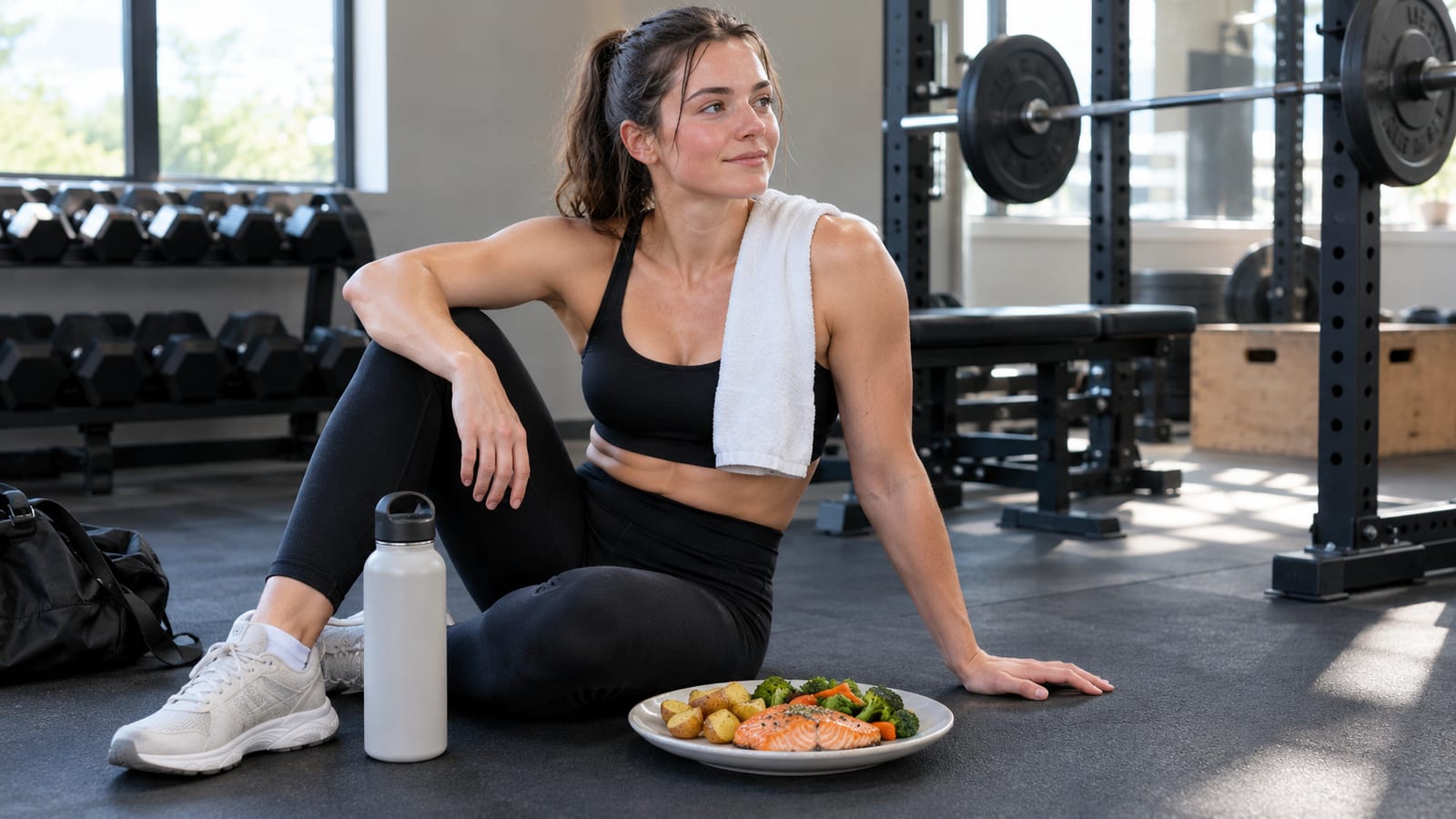
Carbohydrates are the main training fuel in this plan. Put them in every meal when your sport includes lifting, running, repeated sprinting, long practices, or competition.
Choose the amount and form based on the session:
- Short, easy training may need only your normal meals.
- Long or hard sessions call for more carbohydrate before and after.
- Back-to-back games require food that is quick to digest between sessions.
- Hot conditions and heavy sweating raise fluid and sodium needs.
- Endurance sessions may need carbohydrate and fluid during training.
Water is usually enough for ordinary sessions. A sports drink can make sense during long, hot, or repeated sessions because it provides fluid and carbohydrate together. It is a tool for the workload, not a badge of serious training.
Drink steadily instead of waiting until you feel terrible. Include fluids with meals and carry a bottle when you train away from home. Athletes who sweat heavily may need sodium from food or an electrolyte drink, especially during long sessions in heat.
Don't copy another athlete's fluid plan. Sweat rate, climate, clothing, body size, and sport all change the need. A high-volume runner and a lifter in an air-conditioned gym don't have the same problem to solve.
Supplements have a small role
Food should carry the plan. Supplements can solve convenience problems, but they cannot repair a low-calorie diet or poor meal timing.
A protein powder is useful when you can't carry a meal or tolerate solid food after training. Choose one with a clear ingredient list and test it before an important session. Young athletes should involve a parent, sports dietitian, or clinician before using supplements.
Creatine monohydrate has stronger evidence than most muscle-building products. The International Society of Sports Nutrition position statement says 3–5 grams per day can maintain elevated muscle creatine stores after stores have been raised. You don't need a loading plan to begin, and creatine does not replace carbohydrates or total food.
Caffeine may help some adult athletes focus, but it can damage sleep and increase jitters. That trade-off matters because poor sleep makes recovery harder. Young athletes should be especially cautious and seek qualified guidance.
Avoid products promising rapid muscle gain, hormone changes, or effortless results. The label may be loud because the evidence is not.
Monitor the bulk and fix the weak points
Review the plan regularly using more than the scale. Track:
- Weekly body-weight direction.
- Strength, speed, or endurance in training.
- Recovery between sessions.
- Hunger and appetite.
- Bloating, reflux, or bowel changes.
- Sleep quality.
- Food cost.
- Packing and cooking time.
- Whether meals fit school, work, travel, and practice.
Make one change at a time. Add food if weight and performance stay flat. Move fiber and fat away from training if digestion is poor. Reduce an extra calorie-dense addition if weight rises too quickly. Keep the core meals in place while you test the adjustment.
Don't chase a rigid transformation timeline. Muscle gain depends on training quality, sleep, experience, genetics, and energy intake. A slower plan that you can follow through a full season beats an aggressive plan that collapses during travel or competition.
For a broader weekly structure, use this athlete meal plan and adjust its portions around your training load. If your sport combines endurance and strength, the hybrid athlete diet offers another useful planning framework.
FAQ
Can I bulk without eating processed foods?
Yes. Rice, potatoes, oats, pasta, bread, eggs, dairy, beans, meat, fish, fruit, vegetables, nuts, and olive oil can provide the structure. You don't need to ban convenient foods, but relying on shakes, fried meals, or sweets for most of your surplus usually makes digestion and recovery harder.
Should I use a mass gainer to gain weight?
Use one only if ordinary food is difficult to eat or carry. A homemade smoothie with milk, yogurt, oats, fruit, and peanut butter can serve the same practical purpose. Check how it affects your stomach before using it near training.
Can athletes with food allergies follow this plan?
Yes, but substitutions should protect both protein and energy intake. Use soy yogurt, tofu, sunflower-seed spread, or another safe option when dairy, nuts, or other foods are off the table. A registered dietitian can help if several food groups are restricted.
Is bulking appropriate during competition season?
Sometimes, but the goal may shift toward maintaining weight and fueling performance. A large surplus can make athletes feel heavy or uncomfortable during competition. During the season, add food carefully and prioritize carbohydrates, fluids, recovery, and meals you already tolerate.