

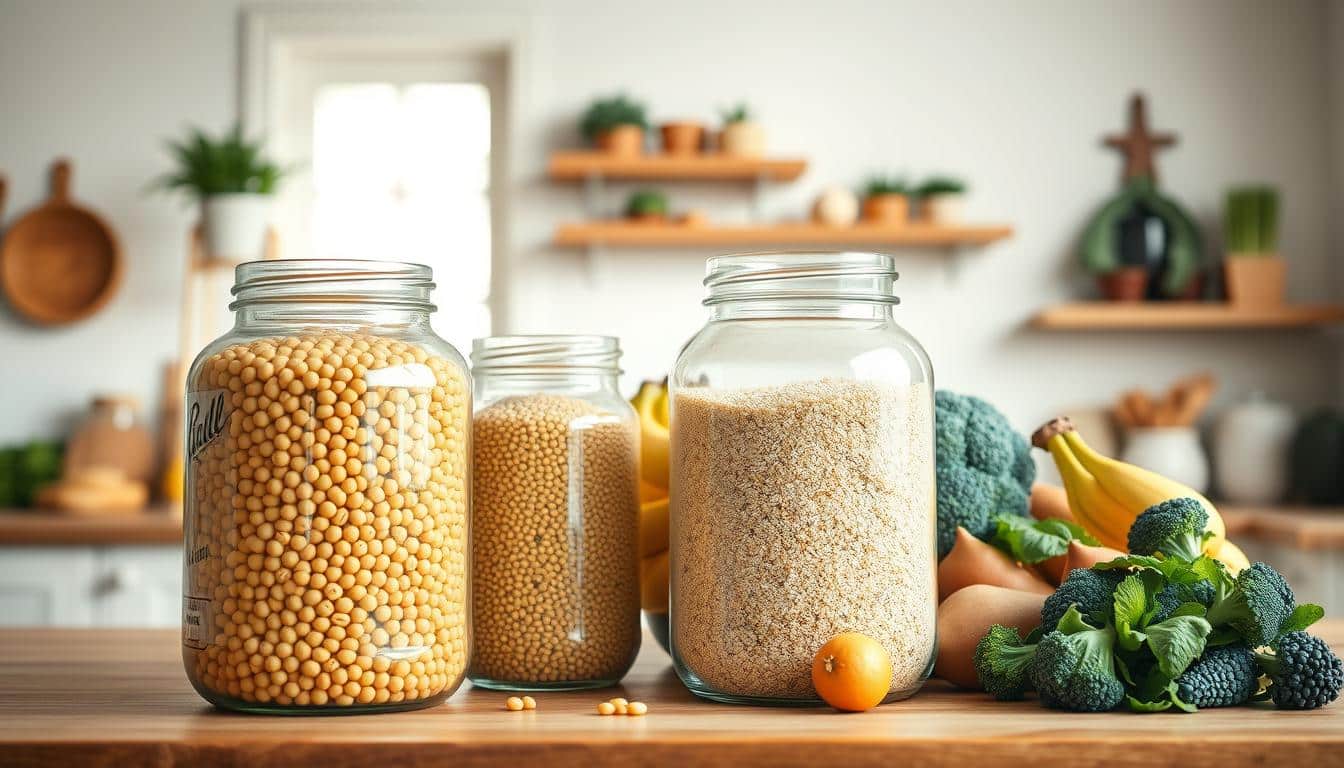
The vegan bulk meal plan works when you treat protein and calories like the non-negotiables they are.
I’ve seen athletes add 250–500 calories to start, track scale trends, and hit 0.7–1.0 grams of protein per pound to push steady weight and muscle gains.
Focus on 20–40 grams of protein at each meal and use reliable foods like oats, soy products, rice, seeds, and protein powder to stay consistent on training days.
Practical tweaks—smoothies, energy balls, peanut butter sandwiches—raise calories without wrecking your appetite. A 3,000-calorie day can deliver roughly 180+ grams of protein with smart choices.
We’ll also cover small but key supplements such as vitamin B12, creatine, algae DHA, and D3 so your nutrition supports recovery, energy, and long-term gains.
Set clear bulking goals for strength and muscle growth
Start your bulk by setting clear, measurable targets for weight and strength. Pick a steady gain pace of about 0.5–1.0 pound per week. This helps you add muscle and limit fat.
Align the extra calories with your workouts. Add 250–500 calories per day on training weeks so you fuel hard lifts and recover faster.
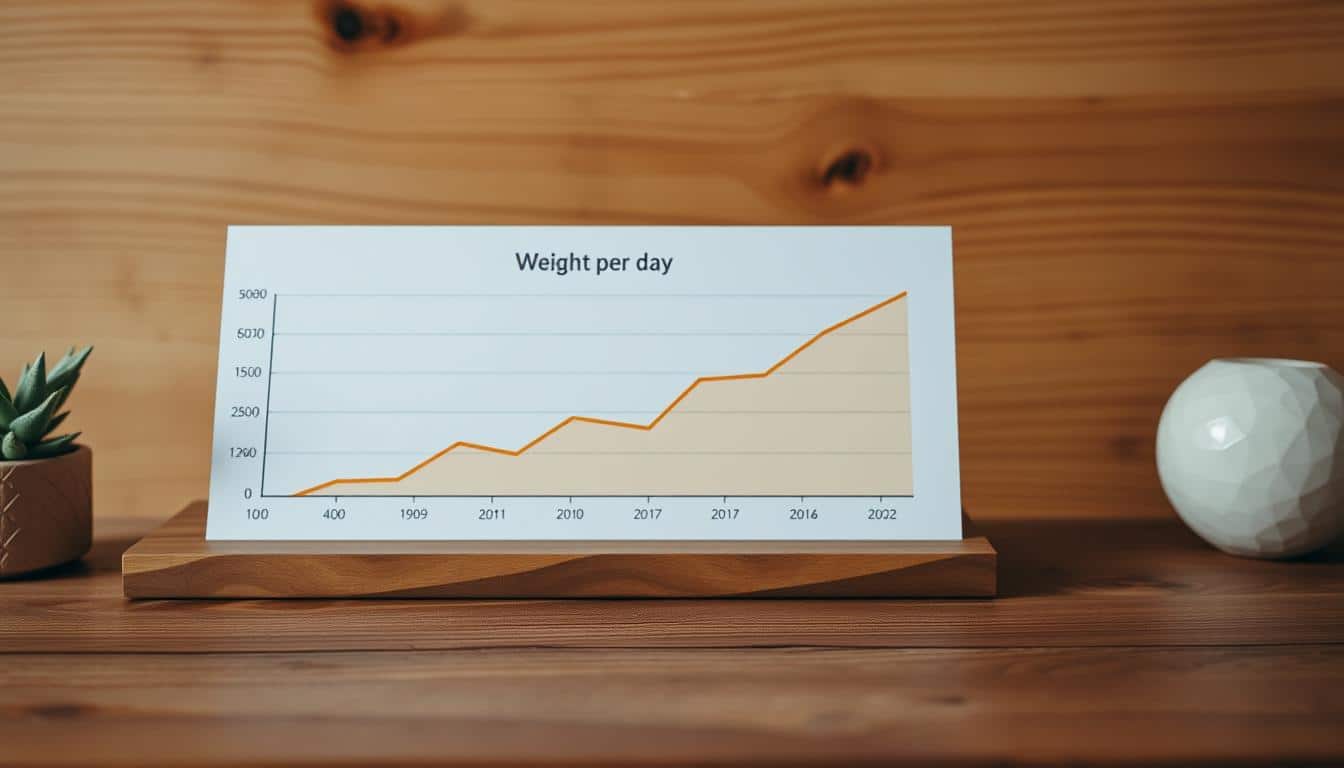
Track progress with weekly checkpoints. Weigh in the same day and time each week. Use the scale, tape measurements (chest, waist, hips, arms, thighs), photos, and gym numbers.
- Set a protein per day target and hit 20–40 grams per meal.
- Log workouts so strength trends mirror weight trends.
- If gains stall for two weeks, add 200–300 calories.
- Rely on weekly averages when daily weight per day fluctuates due to water or sodium.
Keep goals realistic for your body and schedule. Small, steady wins beat big, unsustainable jumps.
Calculate your calories for a lean bulk
Find maintenance and add 250–500 calories
Find the calories that keep your weight steady for two weeks. Track what you eat and weigh the same day each week. That average is your maintenance number.
Add 250–500 calories per day to that baseline to start gaining weight. Aim for the lower end if you want a leaner gain. Use energy-dense foods and smoothies so you hit targets without feeling stuffed.
Adjust every two weeks based on scale trends
Check your weekly average weight and look at the trend. If the scale stays flat for two weeks, raise intake by 200–300 calories.
- Estimate maintenance from a stable two-week baseline.
- Eat on a consistent daily schedule so calories and protein stay predictable.
- Distribute calories across 3–5 meals per day to manage hunger and energy.
- Track meals for 1–2 weeks to confirm intake matches your target.
- If weight climbs too fast, reduce the surplus to slow gains.
Keep protein steady while you tweak calories so training and recovery stay consistent. This way you preserve muscle gains and control fat gain.
Dial in daily protein by body weight per day
Set a simple protein target per pound of body weight and stick to it each day. Aim for 0.7–1.0 grams per pound to support muscle repair and growth. Track this number for a week to see real trends.
Split the total into 3–5 eating times. Hit 20–40 grams per meal to maximize synthesis. Anchor higher protein at breakfast and after training.
Practical protein targets and tips
- Set protein at 0.7–1.0 g per pound per day.
- Distribute 20–40 g protein per meal across 3–5 meals.
- Use plant-based protein like legumes, soy foods, seitan, and whole grains at each eating time.
- Add a scoop of protein powder when a meal falls short of 20 grams.
- Keep body weight per targets steady even as calories and weight change during the bulk.
Pair protein with carbs at workouts for better performance and recovery. Verify totals with a simple tracker for one week, then make it a habit. Raise protein slightly during hard training blocks if recovery lags.
Optimize macros with high carbs, moderate protein, and smart fats
Make starchy carbs and whole grains your go-to for training energy and steady gains.
Prioritize carbs for sessions, keep protein steady, and use fats strategically.
Carb and protein anchors to use
- Center your diet on whole grains, potatoes, rice, and fruit as carb anchors.
- Distribute protein across the day to hit your target without large portions.
- Match carbs to training days so you feel strong during lifts.
Smart fats to raise calories without volume
When appetite lags, add a spoon of olive oil to bowls, pasta, or chili. Nuts and seeds give dense calories and minerals in a small bite.
| Macro | Good choices | When to use |
|---|---|---|
| Carbs | Oats, rice, potatoes, bread | Pre- and post-workout for energy |
| Protein | Legumes, soy, protein powder | Evenly across 3–5 meals for recovery |
| Fats | Olive oil, nuts, seeds | Add when you need extra calories with less bulk |
Keep fiber moderate before training and higher at night. Watch weekly weight trends and tweak carbs or fats first. Use a simple, repeatable plan you can follow every day.
Build your vegan bulk meal plan pantry
Build a kitchen that turns basic ingredients into high-protein, calorie-dense eats fast. A tidy pantry saves time and keeps training days simple.
- Whole grains: oats, rice, quinoa, and whole-grain bread for quick base carbs.
- Legumes: lentils, black beans, and chickpeas for steady protein and fiber.
- Soy foods: tofu, tempeh, and edamame to boost protein and minerals.
- Seitan and a reliable protein powder to close gaps on busy days.
- Fats and extras: peanut butter, tahini, olive oil, nuts, and seeds for easy calories.
Label bins and rotate rice, quinoa, and bread so lunches and dinners stay fresh. Mix grains, legumes, and a sauce you like to build meals fast.
| Category | Examples | Use |
|---|---|---|
| Grains | Oats, rice, quinoa, whole-grain bread | Base for breakfasts and bowls |
| Protein sources | Legumes, soy (tofu/tempeh), seitan, powder | Evenly across 3–5 eats for recovery |
| Fats & extras | Peanut butter, tahini, olive oil, nuts, seeds | Add calories and flavor with little volume |
Best plant-based protein sources for muscle growth
Picking the right plant proteins gives you the building blocks for steady muscle growth. I like to keep choices simple and repeatable so you actually hit targets every day.
Legumes and soy foods for complete amino coverage
Beans, lentils, and chickpeas are reliable anchors. A cup of cooked lentils has about 18 grams of protein and brings carbs and fiber too.
Tofu and tempeh give concentrated protein and minerals. A 4‑oz serving of firm tofu nets ~10–12 grams; tempeh gives ~16–20 grams per 3 ounces.
Include soy milk at breakfast for extra protein and calcium. Fortified plant milks typically add 7–10 grams per cup.
Seitan, quinoa, and fortified plant milks as flexible options
Seitan is great for stir‑fries and sandwiches. A 3‑oz portion can offer 20+ grams of protein, making it a high-protein swap for many recipes.
Quinoa works as a grain that boosts protein. One cup cooked provides about 8 grams and adds iron and magnesium.
- Blend a scoop of pea protein into smoothies for leucine support.
- Use rice protein to complement methionine and cysteine when needed.
- Aim for 20–40 grams of protein from these sources per eating occasion.
- Rotate legumes, soy, seitan, and grains so people get variety in texture and nutrients.
| Source | Typical protein per serving | Best use |
|---|---|---|
| Lentils/Beans | 15–18 g / cup cooked | Bowls, soups, salads |
| Tofu/Tempeh | 10–20 g / 3–4 oz | Stir‑fries, sandwiches |
| Seitan | 20+ g / 3 oz | Grilled, sauteed, wraps |
| Quinoa | 8 g / cup cooked | Base grain, bowls |
| Pea/Rice powder | 20–25 g / scoop | Smoothies, shakes |
If a plate falls short, use a powder serving to keep totals on track. Mix legumes, soy, and grains across the day to balance amino intake and support muscle recovery.
Protein powder choices for vegans
A smart powder can simplify hitting protein targets after training or on busy days.
Pea and rice blends give a near-complete amino profile. Pea protein is rich in leucine, which helps trigger muscle protein synthesis. Rice protein supplies methionine and cysteine to round out the profile.
Use a pea + rice protein powder when you want reliable mixing and balanced amino coverage. It tastes neutral and mixes well with water or plant milk.
- Pick a pea and rice blend for complete amino coverage and smooth texture.
- Choose pea protein when you need extra leucine to drive recovery.
- Add rice protein to cover methionine and cysteine with little flavor change.
- Soy builds muscle effectively; many coaches suggest limiting soy to about one serving per day if your diet already includes other soy foods.
- Look for 20–30 grams of protein per scoop and minimal added sugar.
- Use powder after lifting or with low-protein meals to keep daily totals on target.
| Type | Key amino strengths | Best use |
|---|---|---|
| Pea protein | High leucine, good BCAAs | Post-workout shakes, smoothies |
| Rice protein | Rich in methionine/cysteine | Blend with pea for balance |
| Soy protein | Complete amino profile | Daily use in moderation; one serving common |
Smart calorie boosters that keep digestion comfortable
Small, dense snacks can add big calories without wrecking your digestion. Use drinks and compact bites to raise daily energy while keeping meals comfortable.
- Blend soy milk, a banana, frozen berries, seeds, nut butter, and a scoop of powder for a ~500-calorie smoothie with about 40 g protein.
- Keep energy balls in the fridge; one ball ≈250 calories and 10+ g protein. Two to three cover 500–750 calories on busy days.
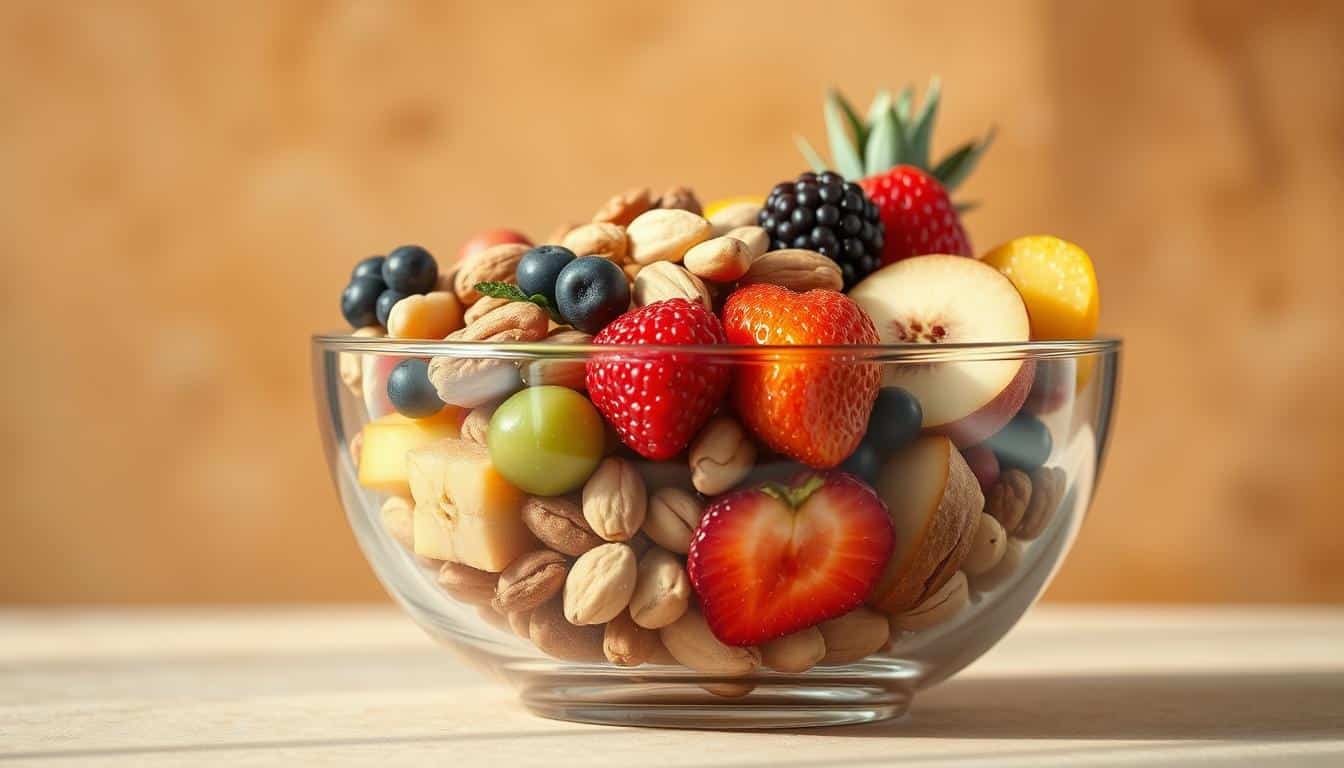
- Carry trail mix of peanuts, soy crisps, and dried fruit for compact calories and quick protein between meetings.
- Make a peanut butter sandwich on whole-grain bread and sip oat or soy milk for added calories with minimal chewing.
Use small add-ons like a tablespoon of nut butter to add fats and 100+ calories with little volume. Limit smoothie ingredients to normal portions so digestion stays easy.
| Booster | Approx. calories | Best time to use |
|---|---|---|
| Protein smoothie (soy + powder) | ~500 kcal, ~40 g protein | Post-workout or between meals |
| Energy balls (2–3) | 500–750 kcal, 20–30 g protein | Busy days, travel, quick carbs |
| Trail mix (handful) | 200–350 kcal, 6–12 g protein | On-the-go snack, between meetings |
| Peanut butter sandwich + milk | 400–600 kcal, 15–30 g protein | Breakfast or quick refuel |
Eat these boosters between main meals or after training to keep appetite steady for full plates. Track which foods sit best for you and repeat them on heavy training days. Rotate flavors so the diet stays enjoyable and consistent.
Sample 3,000-calorie day with macros and protein per meal
Use this 3,000-calorie example to see how protein per meal and carbs line up across a busy day. I built it to be easy to follow and simple to scale.
Bodybuilder oatmeal & green smoothie
Breakfast: Oats cooked with 1.5 cups soy milk, 1 scoop protein powder, 1 cup berries, and cinnamon. ~650 kcal, ~45 g protein.
Second breakfast: Green smoothie with 1 banana, 1/2 cup frozen berries, 1 tbsp seeds, 1 scoop powder, and 8 oz oat milk. ~450 kcal, ~30 g protein.
Peanut butter sandwich with soy milk
Lunch: Two slices whole-grain bread, 3 tbsp peanut butter, and 1.5 cups soy milk on the side. ~700 kcal, ~35 g protein.
Energy balls and red lentil stew
Snack: Two energy balls (dates, nuts, protein powder). ~500 kcal, ~20 g protein.
Dinner: Red lentil stew with 1 cup cooked rice. ~700 kcal, ~52 g protein.
Daily totals (approx): 3,000 calories, 182 g protein, 415 g carbs (~46%), 95 g fats (~30%), 65 g fiber. This supports training recovery and steady weight gain.
- Scale calories by adding soy milk or an extra energy ball.
- Keep protein per meal above 20 g to support synthesis.
- Prep stew and energy balls in bulk so the day stays easy.
| Time | Item | Calories | Protein |
|---|---|---|---|
| Breakfast | Bodybuilder oatmeal (soy + powder + fruit) | 650 | 45 g |
| Mid-morning | Green smoothie (banana, berries, seeds, powder) | 450 | 30 g |
| Lunch | Peanut butter sandwich + 1.5 cups soy milk | 700 | 35 g |
| Snack | 2 Energy balls | 500 | 20 g |
| Dinner | Red lentil stew + rice | 700 | 52 g |
Seven-day vegan bulking meal structure
Design a seven-day rhythm that balances high-protein breakfasts with recovery-focused dinners. I keep each day to 4–6 eating occasions so hitting protein targets stays simple.
High-protein breakfasts
Start each day with a protein-rich breakfast like a tofu scramble, oats with a scoop of powder, or protein pancakes. These set the tone for hitting daily totals.
Balanced lunches
Pack lunches as bowls with quinoa or rice, lentils or tempeh, greens, and a sauce you enjoy. Rotate grains and legumes across the week for variety and full amino coverage.
Dinners for recovery
Cook dinners that aid recovery: chili with beans, coconut curry with tofu, stir-fries, or pasta with seitan. Aim to combine carbs and protein after training.
Snacks to keep the surplus
Add snacks like nuts, seeds, shakes, or hummus with pita. These small bites keep calories up without heavy plates. Keep one backup quick dish for busy nights.
- Keep protein above 20 g per eating occasion.
- Use varied protein sources—legumes, soy, seitan, and powder—across the week.
- Raise carbs on heavy training days and keep fats steady for consistent calories.
| Day | Breakfast | Lunch | Dinner |
|---|---|---|---|
| Mon | Tofu scramble + toast | Quinoa bowl, lentils, greens | Chili with rice |
| Wed | Oats + protein powder | Tempeh wrap, salad | Curry with tofu and rice |
| Fri | Protein pancakes + fruit | Rice bowl, beans, veggies | Stir-fry with seitan and noodles |
Meal prep strategy for athletes
Set aside one solid prep session each week to protect training days and keep your fridge stocked. A little time on a Sunday saves hours and keeps your nutrition focused during heavy workouts.
Cook proteins and grains in bulk
Batch-cook lentils, beans, rice, and quinoa in one pot session. Roast or pan-sear tofu and tempeh for flexible protein that reheats well.
Portion and freeze for post-workout refueling
Portion stews, chili, and curries into clear containers. Freeze extras so a hot, high-protein meal is ready after a hard session.
Pre-measure snacks and powder for busy days
Pre-roll energy balls and bag single servings of seeds and nuts. Scoop protein powder into small jars so shakes take under a minute.
- Label containers with grams of protein and calories.
- Keep a simple rotation to reduce decision fatigue.
- Place ready meals at eye level to stay on your diet.
- Weigh and track weekly—adjust portions if weight or energy dips.
| Prep Task | Frequency | Why it helps |
|---|---|---|
| Cook grains & legumes | Once per week | Saves time; reliable carbs for workouts |
| Cook & portion proteins | Weekly | Fast post-workout protein; supports bodybuilding recovery |
| Freeze extras | As cooked | Instant meals to protect weight and progress |
Nutrients of concern and practical supplementation
For strength gains, a few specific nutrients deserve your attention and a simple supplement routine. These close common gaps in a plant-focused diet and help you recover after heavy sets.
Core daily additions
- Vitamin B12: methylcobalamin or cyanocobalamin, daily or weekly as labeled. Take regularly—foods rarely suffice on a vegan diet.
- Creatine monohydrate: 3–5 g per day to support strength and muscle.
- DHA: algae oil, 200–300 mg/day; D3: lichen-derived, dose per bloodwork or 1000–2000 IU daily in winter.
- Iodine: iodized salt or a low-dose supplement if you use non-iodized salts.
Mineral and performance strategies
Get calcium from fortified plant milks, calcium-set tofu, seeds (chia, sesame), and leafy greens. Pair iron-rich foods with vitamin C to boost absorption and monitor ferritin.
| Need | Form | Practical sources |
|---|---|---|
| Zinc | Diet + supplement if low | Legumes, nuts, seeds, fortified foods |
| Calcium | Food-first | Fortified plant milk, tofu, sesame, kale |
| Beta-alanine | Optional | 3–5 g/day during high-intensity blocks |
Tip: Keep soy intake varied and rotate plant-based protein sources. Recheck labs with your physician to confirm needs and to keep weight and performance on track.
Nutrient timing and workout days
Eating at the right times makes the most of your training. Keep rules simple so you can repeat them every week.
Pre-workout carbs and post-workout protein
Eat carbs 1–2 hours before lifting to top up energy without a heavy stomach. Choose low-fiber carbs if you’re sensitive—white rice, toast, or a banana work well.
After training, aim for 20–40 grams of protein within 30–90 minutes to support muscle repair. A shake is fine after late sessions when a full meal isn’t practical.
Even protein spread across 3–5 eating times
Keep protein even across the day to maintain an anabolic signal. Shoot for at least 20 grams per meal and hit your per day target consistently.
Match portion sizes to session length and intensity. If you train hard, add carbs after to refill glycogen for the next session.
- Track how your body feels and lock in the routine that fits you best.
- Protect sleep by scheduling earlier refueling after evening sessions when possible.
- Keep total protein steady so timing builds on a solid daily base.
| Window | What to eat | Serving guidance |
|---|---|---|
| Pre-workout (1–2 hr) | Low-fiber carbs + small protein | 1 cup rice or 2 slices toast; 10–20 g protein |
| Immediate post (30–90 min) | Protein + carbs | 20–40 g protein; 30–60 g carbs (rice, banana, oat drink) |
| Between meals | Even protein distribution | 3–5 eats per day; ≥20 g protein each |
| Late session option | Shake or small plate | 1 scoop protein + 1 cup plant milk or fruit |
Food swaps and substitutions to hit calories and protein
A handful of smart substitutions lets you match carbs and protein to training days. Small swaps make it easier to hit your targets without overthinking food every day.
Oats and rice swaps for carb targets
Swap oats with rice or quinoa when you want lower fiber and easier pre-lift carbs. White rice or instant quinoa digests faster before a session.
Trade rice for pasta or bread when you need a faster meal with similar carbs. These swaps save time and keep energy steady.
Soy, peas, seitan, and lentils for protein rotation
Rotate soy, pea protein, seitan, and lentils across the week to balance amino acids and micronutrients.
If a plate falls short, add a scoop of powder or a serving of peas to shore up protein. Use nuts or seeds to nudge fats and calories when appetite is low.
- Batch-cook grains or grab microwaveable options on busy nights.
- Replace dense sauces with an olive oil drizzle to add calories the easy way.
- Keep two swap options per meal on your fridge so choices take seconds.
| Swap need | Quick swap | Why it works |
|---|---|---|
| Lower fiber pre-workout | Oats → white rice | Faster digestion, steady carbs for lifting |
| Fast meal | Rice → pasta or bread | Quicker prep, similar carb totals |
| Protein variety | Soy → seitan / lentils / pea protein | Balances amino acids and micronutrients |
| Raise calories | Add nuts, seeds, or olive oil | Easy fats that boost kcal without volume |
Troubleshooting weight gain and appetite
If the scale stalls, don’t panic — act with small, precise fixes. I use simple tweaks that raise calories without forcing larger plates. These keep training strong while you add steady weight.
Increase liquid calories and reduce meal volume
When big plates kill your appetite, use liquids. Smoothies add 300–600 calories and are easy to sip between sessions.
Keep protein steady — add a scoop to your drink so muscle stays the priority while you raise energy.
Add 200–300 calories when weight stalls
- Use soy milk + one scoop powder for an easy 250–350 calorie bump per day.
- Add olive oil to bowls or soups: ~120 calories per tablespoon with minimal fullness.
- Move snacks between meals if large dinners hurt next‑day intake.
- If weight stalls for two weeks, add 200–300 calories and reassess after another two weeks.
- Shift veggies to blended forms or dinner if salads blunt appetite in the morning.
| Fix | Calories added | Best time |
|---|---|---|
| Smoothie (milk + powder) | 300–600 kcal | Between meals / post-workout |
| Olive oil drizzle | ~120 kcal / tbsp | Bowls, soups |
| Snack timing swap | 100–300 kcal | Shift to when appetite is better |
| Softer foods (stews, curries) | 200–400 kcal | Evening or low-appetite days |
Conclusion
Breathe easy — a simple, repeatable eating routine is the fastest way to turn consistent training into steady weight and strength gains.
Set a calorie target and hit 0.7–1.0 g of protein per pound each day. Build a one-week meal plan you can repeat and tweak by 200–300 kcal when needed.
Prep on Sunday: cook proteins and grains so weekdays stay easy. Use a shake, energy balls, or a peanut butter sandwich to bridge busy stretches.
Add vitamin B12, creatine, DHA, and D3 to support recovery and overall health. Track weekly with scale checks, tape, photos, and top lifts to stay on course.
Follow this plan, keep it simple, and you’ll see steady progress. This article shows the steps — now make the day-to-day routine yours.
FAQ
How many calories should I add to my maintenance to gain lean weight?
How much protein do I need per pound of body weight?
What are the best plant-based protein sources for muscle?
Which protein powders work well for someone avoiding animal products?
How should I distribute carbs, protein, and fats for training energy?
What are easy calorie boosters that don’t upset digestion?
How can I structure a 3,000-calorie day with solid protein per meal?
What should I stock in my pantry for consistent progress?
How do I plan meals for a full week without losing variety?
Which micronutrients should I monitor and consider supplementing?
How should I time food around workouts for best results?
What swaps help hit calories and protein without extra bulk?
I’m not gaining weight—what quick fixes can I try?
Are there digestive tips for handling higher food volume during a surplus?
Can I build muscle without supplements?
Related: How to Build a High-Protein Vegan Smoothie
Related: How Athletes Can Bulk Without Slowing Training
Related: Protein Powder Supports Muscle Gain With Training and Diet