
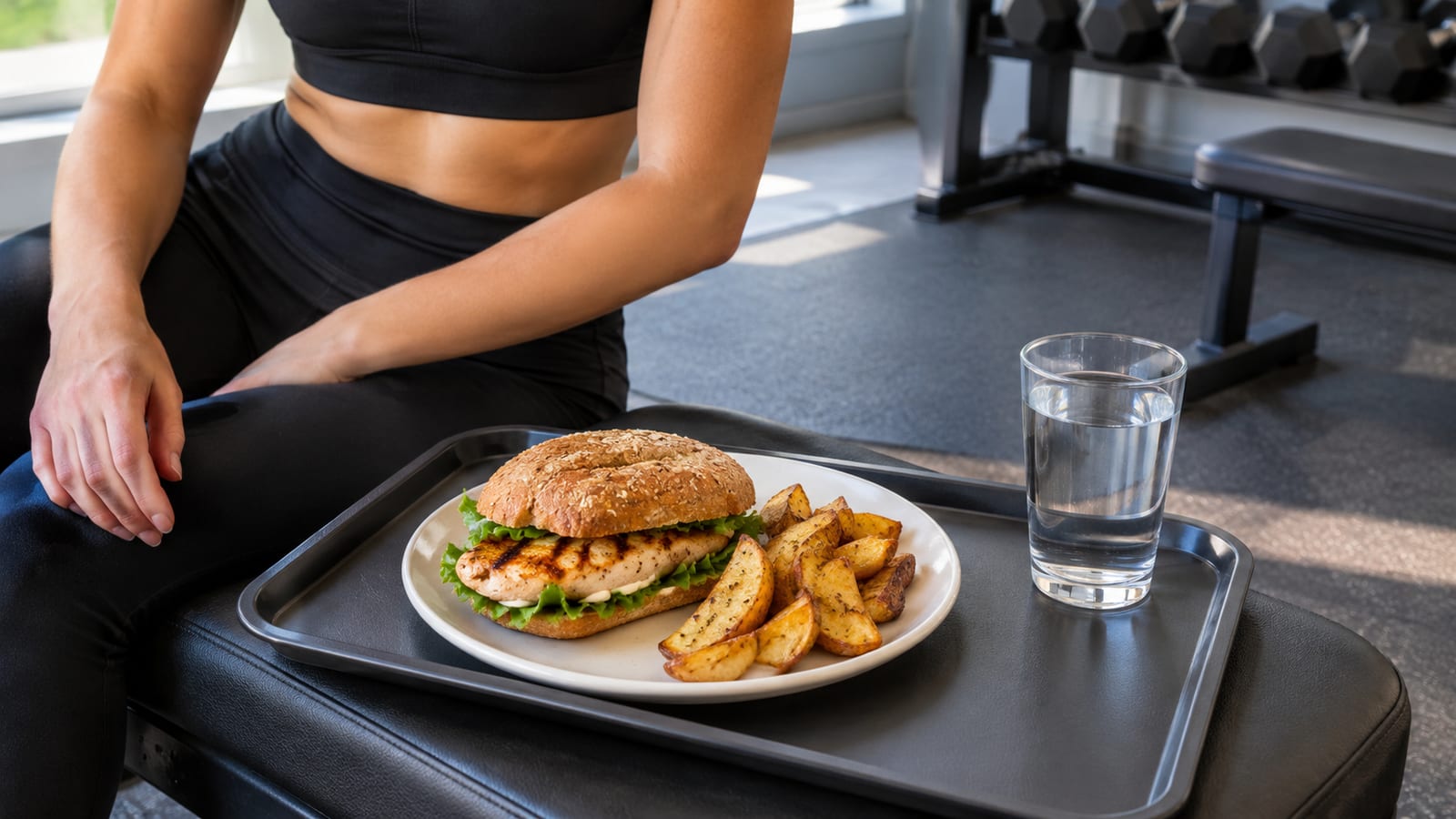
Fast food can work after training, and for many athletes the drive-through is the only realistic stop after a late practice. Good post workout fast food gives you a solid serving of protein, enough carbohydrates for your next hard session, and calories that fit your goal. So order the simplest meal you can digest and afford. Skip both the stripped-down "healthy" build that leaves you hungry and the greasy reward combo that sits in your stomach all night.
Is Post-Workout Fast Food a Good Recovery Meal?
Yes, as long as the order covers the basics of recovery. After training, you need protein to repair muscle, carbohydrates to refill stored energy, fluids to replace sweat, and enough total food for the next session. Your muscles respond to what's in the meal. Where you bought it barely matters.
For example, a chicken burrito bowl with rice and beans does the same recovery job as a home-cooked rice bowl. The trouble starts when the order misses the basics. A side salad after a long practice leaves you short on fuel. Meanwhile, a double bacon burger, large fries, and a giant soda leave you heavy, thirsty, and sluggish the next morning.
Repeatability counts too. The best recovery meal is one you can order again next week without draining your budget or upsetting your stomach. On a busy schedule, a dependable go-to order is a real strategy.
The Simple Target: Protein First, Carbs Scaled to the Next Session
Lock in protein first, then size the carbohydrates to how hard you trained and how soon you train again. Protein repairs and builds muscle. Carbohydrates restore training energy, so they matter more the closer your next demanding session is.
For protein, the Chick-fil-A Grilled Chicken Sandwich makes a handy benchmark at 28 grams. That's a sensible single recovery serving for most adults. Larger athletes and anyone in a heavy strength block can go a bit higher. In food terms, look for a full portion of chicken, turkey, steak, or eggs, or a plant base like beans with cheese or tofu.
Carbohydrates move more with your schedule:
- Light session or rest day: a modest serving, such as a bun or a small side.
- Hard session, training again tomorrow: a full serving, such as a full scoop of rice, a sub roll, or a sandwich plus fruit or a potato.
- Two sessions in one day or a tournament: carbs come first. Add a second carb source and eat soon.
Body size shifts both targets. A big lineman needs a larger order than a small gymnast after the same practice. As a result, scale portions to your body and your hunger rather than copying a teammate's tray.
Why Most Recovery Orders Need Carbs
Keep the bread, rice, potatoes, and fruit if you train hard again within a day. Your muscles store carbohydrate as glycogen, a ready-to-use energy reserve. Hard practices, conditioning, and long runs drain it. Refilling it is what lets tomorrow's session feel normal.
Fast-food menus are full of easy carbohydrates: buns, tortillas, rice, baked potatoes, oatmeal, fruit cups, and fries. Fries count, but they bring a lot of fat along with the carbs. So a small order fits better than a large one. Fruit, a baked potato, or a plain bun digest faster for most people.
The common wrong turn is ordering low-carb every time because fast food feels like something to minimize. That habit trims calories, and it also trims the fuel your next practice needs. Athletes who do this for weeks often blame their fitness when the problem is an empty tank.
The Best Post-Workout Fast-Food Orders
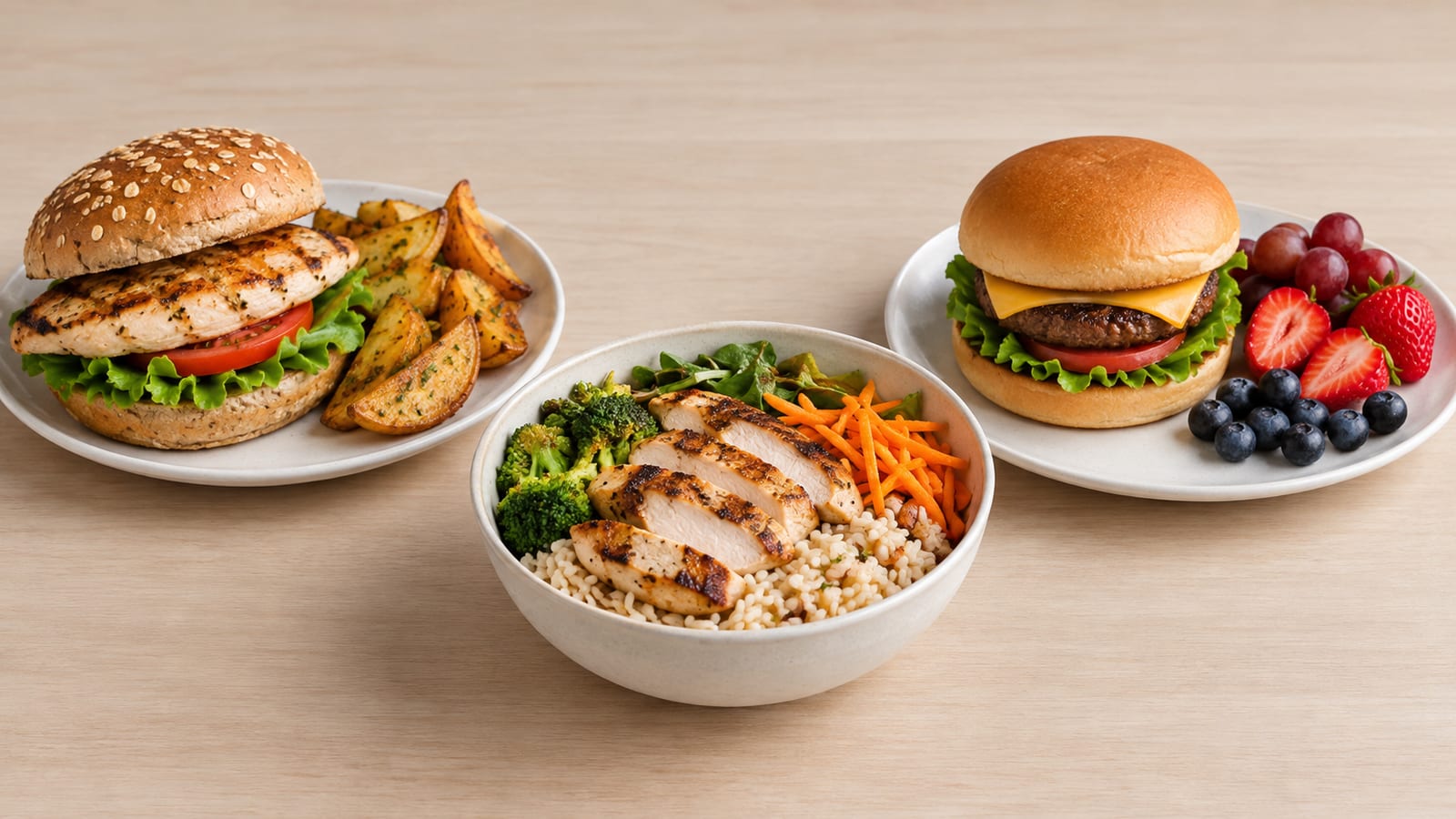
These six orders cover most situations, from a full refuel after a brutal practice to a cheap breakfast after an early lift. Choose by what tomorrow's training asks of you, and treat each one as a base you can adjust at the counter. Menus change and vary by location, so check the chain's app or nutrition page before you settle on a regular order.
| Order | Protein | Carbs | Best for | Watch out for |
|---|---|---|---|---|
| Chipotle chicken burrito bowl with rice, beans, salsa, vegetables | High | High | Hard training, next session soon | Cheese, sour cream, and queso add fat |
| Subway footlong turkey or rotisserie-style chicken, extra meat | High | High | Long gap before your next meal | Creamy sauces |
| Chick-fil-A Grilled Chicken Sandwich with fruit cup or fries | Moderate-high | Moderate | Moderate-calorie recovery | Fries add fat |
| Wendy's grilled chicken wrap or sandwich with baked potato | Moderate | Moderate-high | More fuel than a salad, lighter than a combo | Loaded potato toppings |
| McDonald's Egg McMuffin, extra egg, Fruit & Maple Oatmeal | Moderate | Moderate | Budget breakfast after morning training | Small for big athletes |
| Taco Bell Cantina Chicken Bowl with extra chicken and rice | Moderate-high | High | Value protein | Sodium and spicy sauces |
Full refuel orders
The Chipotle burrito bowl with chicken, rice, beans, salsa, and vegetables is the best all-around order after hard training. It brings a real serving of protein and a big dose of carbohydrates, and you control every scoop. Need more fuel? Ask for extra rice. For a lighter meal, go half rice and skip the cheese and sour cream. If your stomach is touchy after conditioning, go easy on the beans.
A Subway footlong with turkey or rotisserie-style chicken and extra meat suits a long gap before your next meal. The roll supplies carbohydrates, the double meat supplies protein, and the vegetables add crunch without weight. Build it with mustard or a light sauce, because mayo-based sauces pile on fat fast. It's also portable, so eat half now and save half for later if your appetite is low.
Moderate meals
The Chick-fil-A Grilled Chicken Sandwich is a practical moderate choice. It lists 390 calories and about 765 milligrams of sodium, and its protein already hits the benchmark above. In other words, you don't need double meat. Add a fruit cup on a lighter day, or fries after a hard practice when you need more carbs.
A Wendy's grilled chicken wrap or chicken sandwich with a baked potato gives you more recovery fuel than a salad. It also skips the weight of a big burger combo. The potato is the smart add: plenty of carbohydrates, little fat, and easy to digest if you skip the heavy toppings. Pick the sandwich for a bigger meal and the wrap for a smaller one.
Budget and early-morning orders
The McDonald's Egg McMuffin with an extra egg plus the Fruit & Maple Oatmeal works well after early training. It's cheap, warm, and small enough to eat while your stomach is still waking up. The extra egg lifts the protein, and the oatmeal adds carbohydrates. Still, bigger athletes after a hard session may need a second sandwich. For more ideas, see our guide to recovery meals after morning workouts.
The Taco Bell Cantina Chicken Bowl with extra chicken and rice is a strong value pick. A standard taco meal runs light on protein, and the bowl fixes that for less money than most bowl chains. The catch is sodium and sauce. Ask for mild sauce, or sauce on the side, if you're eating right after hard conditioning.
Adding Protein Without Overshooting
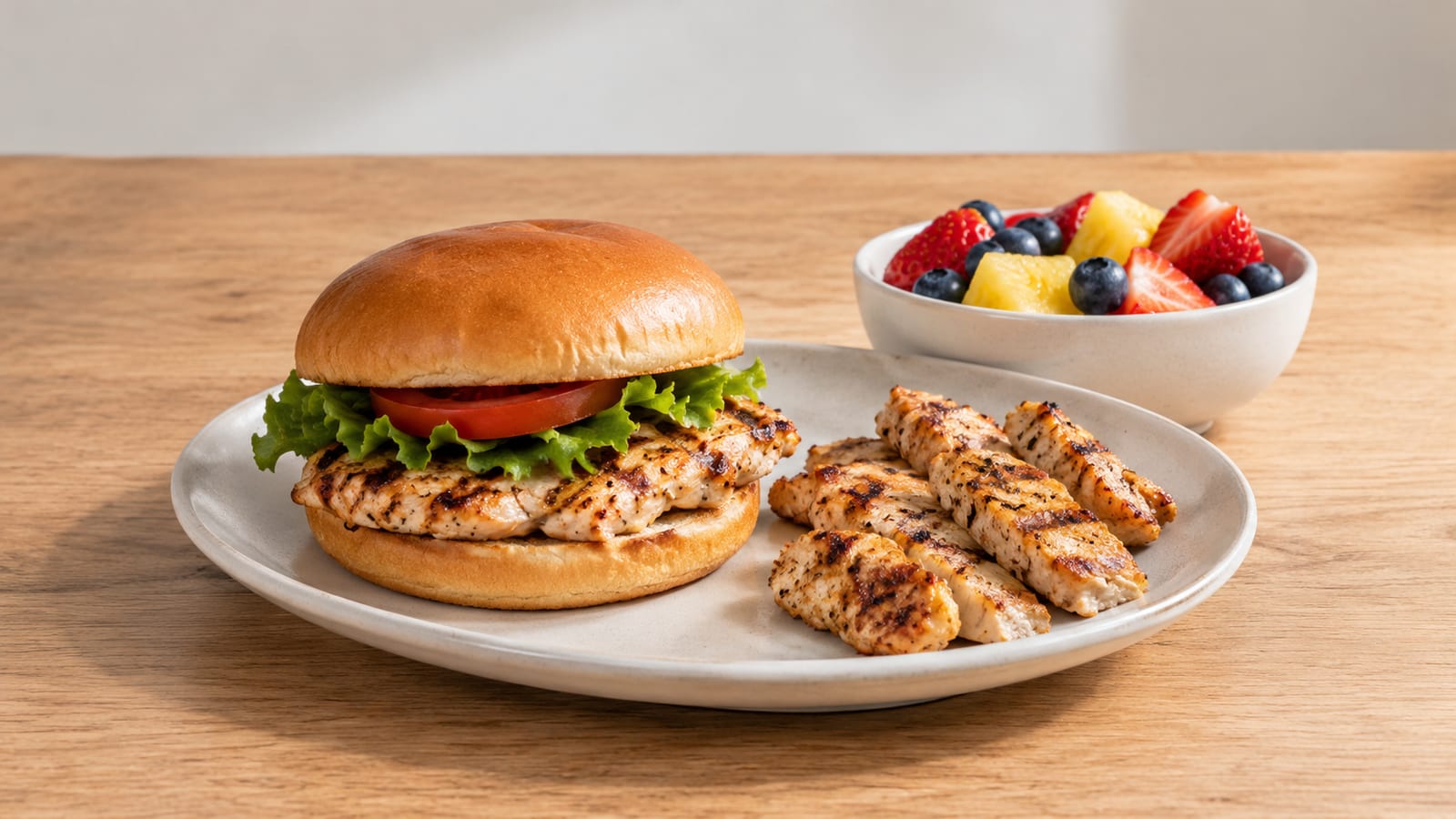
Add a second protein serving only when the base order is light, you're a large athlete, or your next meal is a long way off. In those cases, extra chicken on a bowl, extra meat on a sub, or an extra egg on a breakfast sandwich all make sense.
Once the meal already has a full serving, double protein stops helping. Your body can only use so much for muscle repair at one sitting. The rest just becomes extra calories and a bigger bill. If you're eating again in a few hours, that money does more as rice, fruit, or a drink.
When you do want more protein, these adds usually cost less than double meat and do the job just as well:
- Black or pinto beans, which bring carbohydrates along too
- An extra egg on a breakfast sandwich
- Milk or chocolate milk, which also counts toward fluids
- A yogurt parfait, where the menu has one
- A little cheese, kept small if your stomach is touchy
For more high-protein ideas beyond the drive-through, see our list of post-workout meals for muscle growth.
Bowls, Sandwich Shops, and Drive-Throughs Do Different Jobs
Pick the restaurant type by the job you need it to do. Each one handles recovery a little differently:
- Bowl chains: best for a full refueling meal after hard training. You can scale the rice, beans, and protein scoop by scoop. Toppings add up quickly, though, and a dinner-rush line can cost you the time you were trying to save.
- Sandwich shops: best for a portable, moderate meal you can eat in the car. Bread gives you built-in carbs, and a wrapped sub survives a gym bag. Creamy sauces and extra cheese are the usual traps.
- Drive-throughs: best for a cheap, fast protein stop. Grilled chicken, breakfast sandwiches, and baked potatoes cover the basics. Combos, however, steer you toward fried sides and a large soda by default, so order items one at a time.
Most athletes do fine rotating among all three. What matters is whether the order delivers protein and carbs at a portion you can handle.
When Does a Low-Carb Order Make Sense?
A bunless burger, a grilled chicken salad, or a protein bowl without rice fits a few situations. Choose it on a rest day, after a light lift or easy walk, or while cutting calories during a low-volume training phase. It also works if a carb-heavy dinner is coming soon anyway.
As a default after hard work, though, it falls short. Team practices, interval sessions, long runs, and tournaments drain stored carbohydrate, and a salad can't refill much of it. If you train hard tomorrow, put the bun back on or add a baked potato. That one simple swap does more for your next session than any topping choice.
Menu Labels Can Mislead You
Words like grilled, fresh, wrap, and bowl sell an image. They don't tell you whether the meal will help you recover. For example, a crispy chicken salad with creamy dressing can carry more fat than a plain burger and still leave you short on carbohydrates.
Wraps aren't automatically lighter than buns, because large tortillas hold plenty of calories. Grilled chicken trims fat, which helps. Still, a grilled item with no carb side won't refuel a hard session. Bowls range from balanced to enormous depending on what goes on top.
Before you settle on a regular order, check five things on the chain's nutrition page:
- Protein: Is it a full serving, or a sprinkle of chicken on a pile of lettuce?
- Carbohydrates: Is there enough to fuel tomorrow's training?
- Fat: A very high count slows digestion and can leave you uncomfortable well into the night.
- Fiber: Some is good, but a lot right after hard work can upset your stomach.
- Total calories: Does the meal fit your goal and your training load?
Sodium deserves a glance too. Some salt helps replace sweat losses after a hot practice. However, fast-food meals stack up quickly across a day. The Dietary Guidelines for Americans give general sodium guidance if you eat out often.
Order for Your Stomach After Hard Conditioning
Right after sprints, conditioning, or a hot practice, your gut often moves slowly and your appetite drops. That's when a big order backfires. So pick plainer foods first and let the heavier ones wait.
These are the foods most likely to cause trouble right after hard work:
- Large fat loads: fried chicken, bacon, cheese sauces
- Spicy sauces: hot salsa, spicy mayo, chili oils
- Piles of fiber: double beans, big raw salads
- Carbonation: soda fizz on top of a big meal
- Huge portions eaten fast: the whole combo finished before you leave the parking lot
Start with a drink and the plain part of the meal, such as the bun and chicken or the rice and protein. Then eat the rest later if you're still hungry. If hunger disappears after hard sessions, our guide on what to eat when appetite is low after training has easier options.
How Soon Do You Need to Eat?
For most people who train once a day, a normal meal within a few hours is enough. You don't need to race a countdown clock to the drive-through. Your total food across the day carries more weight than the exact minute you eat.
Timing gets tighter in three cases: a second session the same day, a tournament with games stacked close together, or a long ride home with no food. In those cases, get protein and carbohydrates in soon, even if it's only a sandwich and milk. Then eat a fuller meal later.
The backup plan belongs in your bag. If the nearest restaurant is far away or closes early, pack chocolate milk, a banana, or a peanut butter sandwich. Our no-cook post-workout meals list more options that survive a gym bag.
Budget Orders Win Over the Long Run
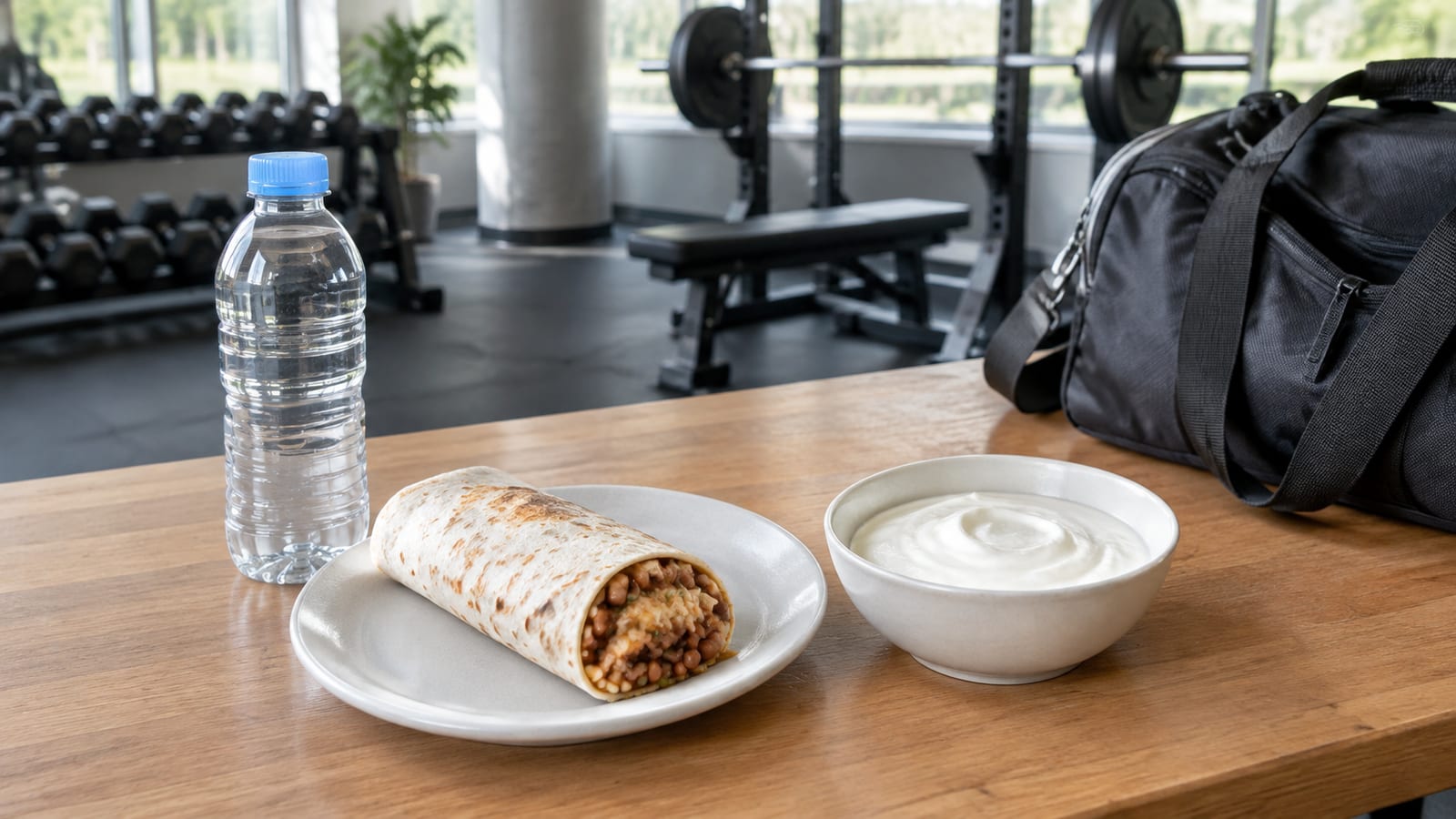
An affordable order you repeat every week does more for recovery than a premium build you buy once. Recovery is a habit, and habits have to fit your money.
Use this framework to keep costs down:
- Start with a base item and add one thing: extra rice, beans, or an egg.
- Use the app: most chains post their best deals and rewards there, and the savings add up over a season.
- Lean on cheap carbs: rice, beans, potatoes, and buns cost little and carry real fuel.
- Skip extras that don't help recovery: premium toppings, large sodas, and dessert add-ons raise the bill without refueling you.
- Keep two or three go-to orders: then you aren't scrolling a menu while tired and starving in the drive-through line.
If extra meat strains the budget, add beans or a carton of milk instead. Both bring protein for far less money.
Match the Order to Your Goal and Your Day
Use these quick rules to build post workout fast food around what you're actually training for:
- Muscle gain: full protein, full carbs, and milk or a second sandwich if you're still hungry. Try the Chipotle bowl with extra rice or a Subway footlong.
- Fat loss: keep protein high, match carbs to your training, and trim sauces, cheese, and fried sides. A grilled chicken sandwich with a fruit cup fits well. Cutting carbs before a hard practice usually costs you more in performance than it saves in calories.
- Endurance or team-sport refueling: carbs come first. Go for a bowl with full rice or a sandwich plus a baked potato.
- Strength training: protein anchors the meal, with moderate carbs. A grilled chicken sandwich with fries or a potato covers it.
- Rest days: a normal meal works fine. This is where a lighter, lower-carb order makes sense.
When two goals pull against each other, keep the protein steady and let tomorrow's training decide how many carbs go on the tray.
FAQ
Is a milkshake a good post-workout choice?
Occasionally, and mostly when solid food won't go down after a hard session. A shake brings calories and some protein, but the sugar and fat make it slow to settle, and a large one can cost as much as a meal. Chocolate milk covers carbohydrates, protein, and fluids with far less weight in your stomach. Make that the regular order and save the shake for the rare night nothing else appeals.
Can teen athletes eat fast food after games?
Yes, as one meal in a normal week of home food. A growing athlete who plays a late game needs a real dinner, and a chicken sandwich with milk on the drive home beats skipping food to wait for something homemade. Keep energy drinks and protein powders off the tray. Teens get what they need from regular meals, and supplements add risk without a clear payoff at that age.
What should vegetarian athletes order?
Start at a bowl chain, because that's where plant protein is easiest to stack. Build on rice, beans, and tofu where the menu offers it, then add cheese if you eat dairy. A bean burrito with cheese is a portable backup, and egg breakfast sandwiches cover vegetarians who eat eggs. On a sensitive-stomach night, go lighter on beans and lean on the tofu and rice.
Do I need a protein shake on top of the meal?
Usually not. Stacking a shake on a bowl that already has a full portion of chicken mostly adds to the receipt. It earns its place when the only thing open was fries and a fruit cup, or when real food is still hours away.