
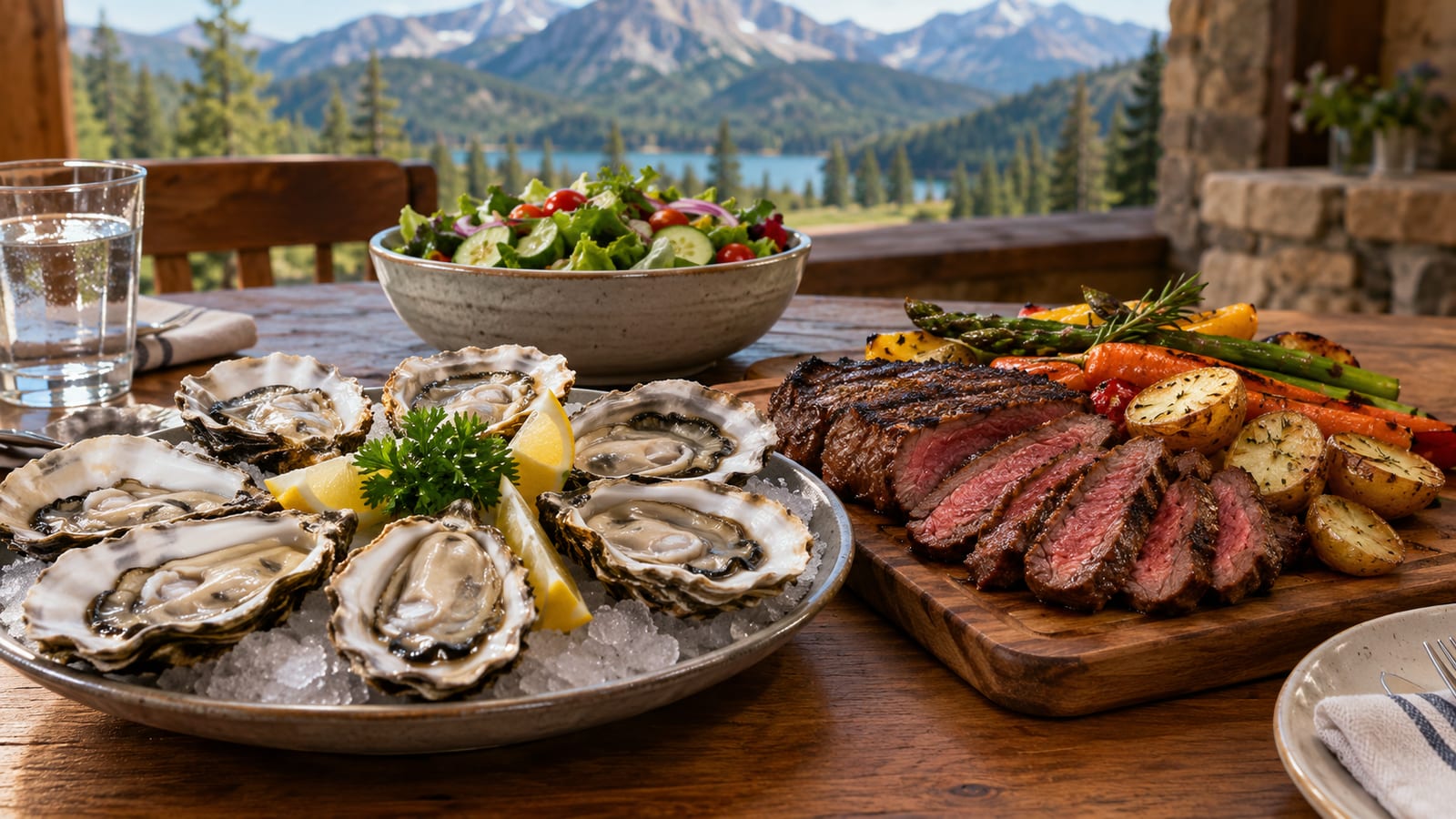
Oysters are the food with the most zinc, and it isn't close. One serving covers more than a full day's needs for most adults, so if you like them, they're the fastest way to top up. Most athletes won't eat oysters every week, though. Lean beef is the high-zinc food you'll actually eat several times a week. Plant eaters can get there too, but they need to combine beans, seeds, and grains on purpose, because plant zinc absorbs less well.
What Food Has the Most Zinc?
Oysters offer more zinc than any other food, including beef. A standard serving, whether fresh, cooked, or canned, delivers more than an adult man or woman needs in a day. That makes oysters the champion on paper. Still, they work best as an occasional bonus.
The reasons are practical. Oysters cost more than most proteins, and plenty of people don't enjoy them. Raw oysters also carry a real food-safety risk. Kids, pregnant athletes, and anyone with a weakened immune system should eat them cooked or skip them.
Lean beef is the better everyday choice for most active people. It brings well-absorbed zinc, a solid hit of protein, and iron in one food. You also already know how to cook it: tacos, rice bowls, pasta sauce, and stir-fries.
So keep oysters for the occasional meal. Make beef, or another reliable source on the list below, your regular zinc anchor.
The Top Sources, Ranked by Serving
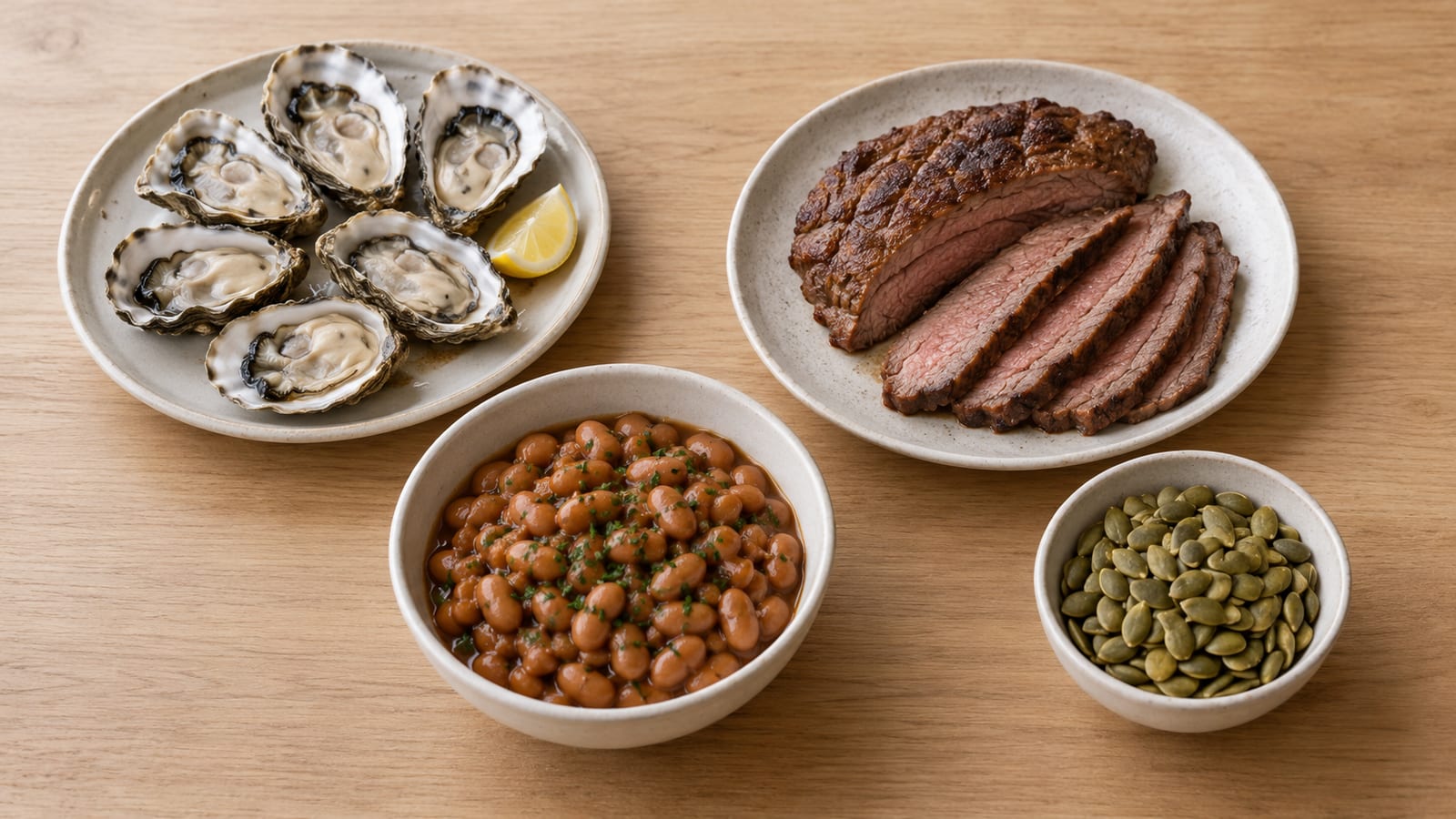
The table groups common foods into tiers based on a typical serving, not a 100-gram lab sample. That matters, because nobody eats a cup of pumpkin seeds before practice. Fortified cereals swing widely by brand, so check the Nutrition Facts panel before you count one as a zinc source.
| Tier | Foods (typical serving) | Practical note |
|---|---|---|
| Very high | Oysters (fresh, cooked, or canned) | Covers the day in one serving; eat occasionally |
| High | Lean beef, beef liver, crab, lobster, mussels | Beef is the cheapest, easiest regular pick |
| High (varies) | Fortified breakfast cereals | Some brands add a big share of daily zinc |
| Moderate | Pork loin, dark-meat chicken and turkey, yogurt, cheese, milk | Easy to stack across a day |
| Moderate (lower absorption) | Pumpkin seeds, hemp seeds, cashews, chickpeas, lentils, baked beans, tofu, tempeh, oats | Phytates reduce how much you take in |
| Lower | Eggs, white-meat chicken, salmon, sardines, whole wheat bread, almonds, rice | Helpful contributors, not anchors |
Canned seafood deserves its own note because it's shelf-stable and cheap. Canned oysters stay far higher in zinc than canned sardines. Sardines still earn their place for protein and omega-3 fats, but they won't do the zinc job alone.
Pumpkin seeds are the strongest convenient plant pick. A handful on oatmeal or yogurt adds up over a week. Treat them as one piece of a varied diet, though, since their zinc isn't fully absorbed.
The Label Number Isn't What You Absorb
Two foods can list similar zinc and deliver different amounts to your muscles and immune system. The difference is absorption.
Beans, whole grains, nuts, and seeds contain phytic acid, also called phytate. It's a natural compound that binds to zinc in your gut and carries some of it out unused. Meat and seafood have no phytate. Animal protein also seems to help zinc absorb.
As a result, vegetarians and vegans need noticeably more zinc on paper to absorb the same amount. Plant foods are still a good choice. The label number just overstates what you'll get from a lentil bowl compared with a beef bowl.
Meat and Seafood Fit Heavy Training More Easily
When your training load is high, the question becomes how much food you can comfortably eat. Animal zinc sources win here because they pack absorbable zinc, protein, and calories into a small portion.
Matching a modest beef portion with only beans, whole grains, and seeds takes a much bigger pile of food. That pile is high in fiber, so it sits heavy and digests slowly. Two-a-days make this harder, and so do early sessions or the low appetite after a brutal workout.
For example, a ground beef and rice bowl before an evening session digests fairly predictably. A huge bean-and-grain salad with seeds might hit the same zinc number. However, it may leave you bloated during sprints.
None of this means you must eat meat. It does mean plant-based athletes training hard have to plan their fuel and timing more carefully.
Plant-Based Athletes Need a Plan
Vegetarian and vegan athletes can meet zinc needs, but not by accident. These habits make a real difference:
- Soak and sprout. Soaking dried beans and lentils, then draining the water, lowers phytate. Sprouted grains and legumes work the same way.
- Choose fermented foods. Tempeh, miso, and sourdough go through fermentation, which breaks down some phytate.
- Pick leavened bread. Yeast-raised bread releases more zinc than crackers or flatbreads made without yeast.
- Rotate sources. Mix pumpkin seeds, cashews, tofu, chickpeas, oats, and fortified cereal across the day so no single food carries the load.
- Keep dairy and eggs if you eat them. For vegetarians, a yogurt cup or a slice of cheese adds well-absorbed zinc with no cooking at all.
The biggest wrong turn is under-eating. A plant-based athlete who skips meals or keeps portions small will come up short on zinc, protein, and training energy all at once. Enough total food fixes more than any single trick.
For a shopping starting point, use this grocery list for plant-based athletes. Parents of younger athletes should also read these vegetarian diet tips for teen athletes, because growing kids have less room for error.
How Much Zinc Do You Need Each Day?
The recommended daily allowance for adults 19 and older is 11 mg for men and 8 mg for women. Needs rise during pregnancy and breastfeeding. Children and teens have their own age-based targets, set through the Dietary Reference Intakes system.
Some athletes deserve a closer look: heavy sweaters, since sweat carries off some zinc, and anyone in a very high training load. Restrictive eaters belong here too, whether vegan, cutting for a weight class, or simply eating too little.
A closer look starts with your meals, well before any high-dose supplement. Most athletes who eat enough food, with a few zinc-rich choices each week, land in a healthy range.
What This Mineral Does for Training and Health
Your body uses zinc for a long list of jobs. These matter most to an active person:
- Immune function. Zinc helps your immune cells do their job, which counts during heavy blocks when hard training leaves you more prone to colds.
- Wound healing. It supports skin repair after scrapes, blisters, and turf burn.
- Building protein and DNA. Your body needs zinc to make new tissue, including the repair work of recovery.
- Taste and smell. Low zinc can dull both, which can quietly cut your appetite.
- Reproductive health. Zinc supports normal hormone function and fertility.
Here's the part supplement ads skip. Getting enough zinc supports your health and training. Taking extra has no solid evidence behind it for making you faster, stronger, or more powerful.
For a deeper look at recovery and immunity, see how zinc supports training, recovery, and immunity.
Signs You May Be Running Low
Low zinc rarely announces itself. It tends to look like poor recovery, frequent illness, or appetite problems you blame on something else.
Common signs include:
- Catching colds often or taking a long time to shake them
- Cuts and blisters that heal slowly
- Poor appetite or food tasting bland, which makes eating enough even harder
- Hair thinning or skin rashes
- Slow growth in children and teens
Several groups face higher risk. Vegans and vegetarians are one. Athletes who chronically under-eat are another, especially in weight-class or appearance-focused sports. So are people with gut conditions like Crohn's disease or celiac disease, heavy drinkers, and pregnant athletes.
If symptoms persist, talk with a doctor or registered dietitian. Blood tests for zinc aren't perfect, so a clinician will look at your diet and symptoms together. Self-diagnosing and stacking supplements is how people end up with the next problem.
Don't Chase Zinc Into a Copper Problem
More zinc is not automatically better. The tolerable upper intake level for adults is 40 mg a day. That's the most you can take regularly without likely harm. For infants, children, and teens, the limit ranges from 4 to 34 mg, depending on age.
Food alone rarely pushes you over that line. Supplements are another story. Stack a zinc pill with a multivitamin, cold lozenges, and an immune powder, and you can blow past the limit without noticing.
Too much at once can cause nausea, vomiting, and stomach cramps. Chronic excess causes a sneakier problem. High zinc blocks copper absorption, and copper deficiency can lead to anemia, low white blood cell counts, and nerve problems.
So food comes first. Young athletes shouldn't take zinc supplements unless a clinician recommends them, given their lower limits. Adults with a diagnosed shortfall should use the dose their clinician sets and stop when told.
Meals You Can Repeat Every Week
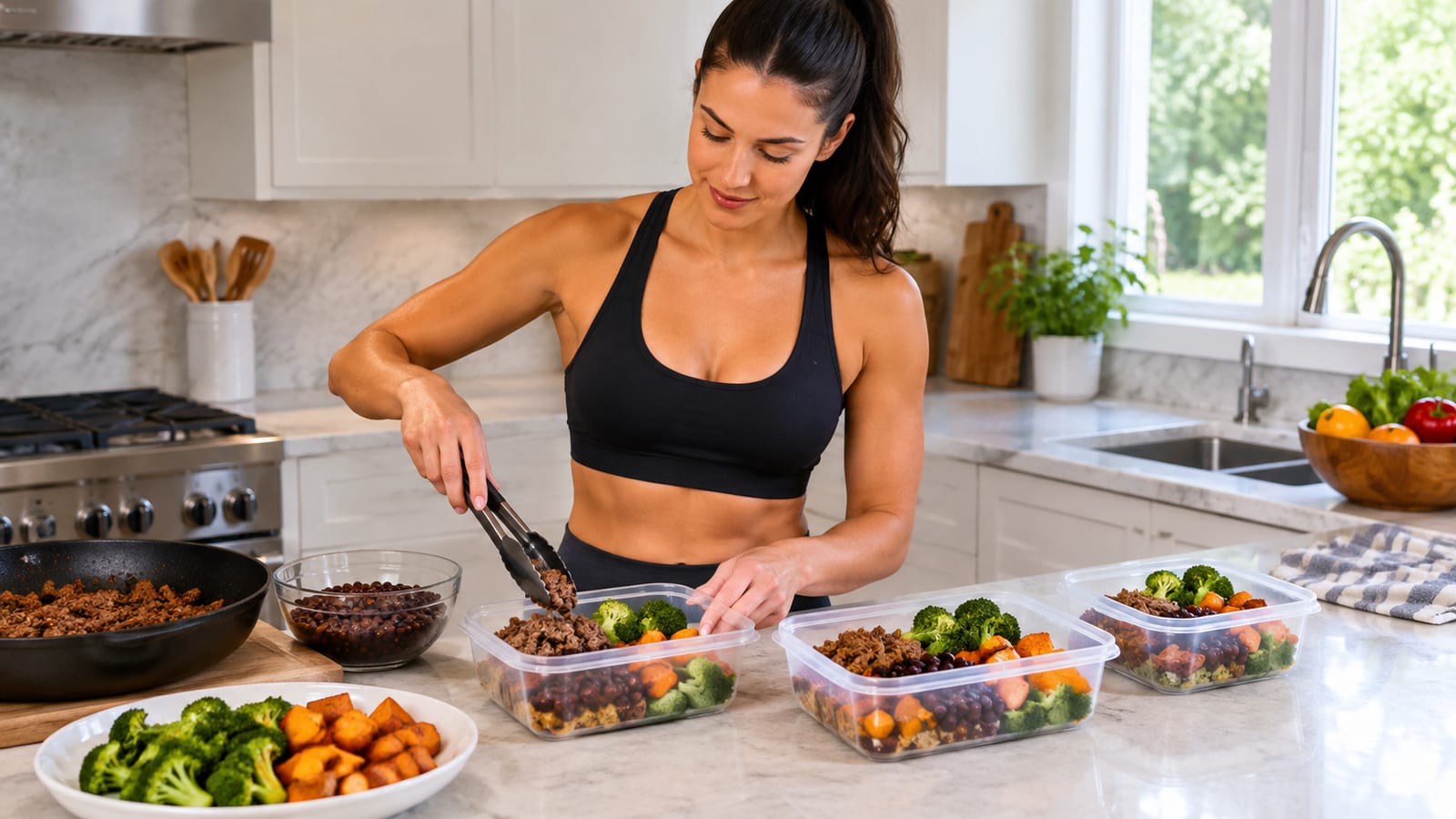
The best zinc plan is the one you'll eat again next week. Build a few dependable meals and rotate them.
Budget and batch-friendly
- Beef and bean chili with rice
- Ground beef taco bowls with cheese and salsa
- Lentil pasta with lean ground beef in tomato sauce
All three cook in one big pot or pan and reheat well for lunches. For more cheap protein ideas, see these budget-friendly protein sources that work.
Busy schedule, minimal cooking
- Overnight oats with Greek yogurt and pumpkin seeds
- Canned oysters or sardines on toast with fruit
- Fortified cereal with milk as a fast breakfast or late snack
Plant-based rotation
- Tofu stir-fry with cashews over rice
- Tempeh and chickpea grain bowls
- Sourdough toast with hummus and a side of yogurt or soy yogurt
Timing matters for digestion. Keep high-fiber options like chili, beans, and seed-heavy bowls for meals a few hours before training or after it. Close to practice, choose lower-fiber fuel and save the zinc-rich dinner for your recovery meal.
FAQ
Does cooking destroy zinc in food?
No, so cook your beef and beans however you like. Zinc is a mineral, and heat doesn't break it down the way it damages some vitamins. A little can leach into the water when you boil beans or grains. Simmer them in a soup or stew instead, and that liquid stays on your plate.
Should I take zinc lozenges when I feel a cold coming on?
They're an optional short-term experiment at best. The research is mixed, and results depend heavily on the product and dose, though some people may get over a cold slightly faster. If you try them, follow the label, stop once the cold clears, and count every lozenge toward your daily total. Skip zinc nasal sprays entirely, because they've been linked to loss of smell.
Does a multivitamin cover my zinc needs?
Often it covers a good chunk. Many multivitamins include zinc, sometimes a meaningful share of the daily target, which helps a picky eater or an athlete living out of a gym bag. The catch is doubling up. Read the zinc line on the multivitamin label before adding a separate zinc product, so the combined amount stays under the upper limit.
Is dark chocolate a good zinc source?
Not a useful one. Dark chocolate has some zinc, but you'd need to eat a lot of it to move your daily total, along with plenty of sugar and fat. Enjoy a couple of squares because you like them, and let beef, dairy, seafood, seeds, and legumes do the real work.