


Ever push through a grueling session, only to find your stomach silent when it should be roaring?
This common experience puzzles many active people. You just burned significant energy, yet you feel zero hunger.
It’s a normal biological response. Intense physical activity triggers your body to release hormones that temporarily quiet hunger signals.
Levels of the hunger hormone ghrelin drop. Meanwhile, peptide YY—a hormone that promotes feelings of fullness—increases.
Vigorous exercise may also boost a molecule called lac-phe. This compound helps reduce the drive to eat.
So, not feeling hungry after a tough gym session is typical. It happens to beginners and seasoned athletes alike.
Even if you’re not hungry, refueling is crucial for recovery. Knowing when and what to eat is key.
For ideas, check out these protein snacks every gym-goer should try.
The intensity and type of your training directly influence this effect. High-intensity efforts suppress appetite more than low-key movement.
Understanding this helps you make smarter choices for your health and performance.
The Science of Appetite Regulation After Exercise
Research reveals that how hard you train determines the strength of your body’s natural hunger-blocking response.
This is an intensity-dependent effect. The more you push, the more your drive to eat is quieted.
Impact of Exercise Intensity on Hunger
High-intensity efforts like HIIT or tough cardio create the strongest effect. Your system is under significant stress.
Early morning sessions done fasted or training in heat can amplify this. Your body focuses on cooling and recovery, not digestion.
In contrast, gentle movement like a relaxed jog or yoga typically leaves your hunger levels unchanged.
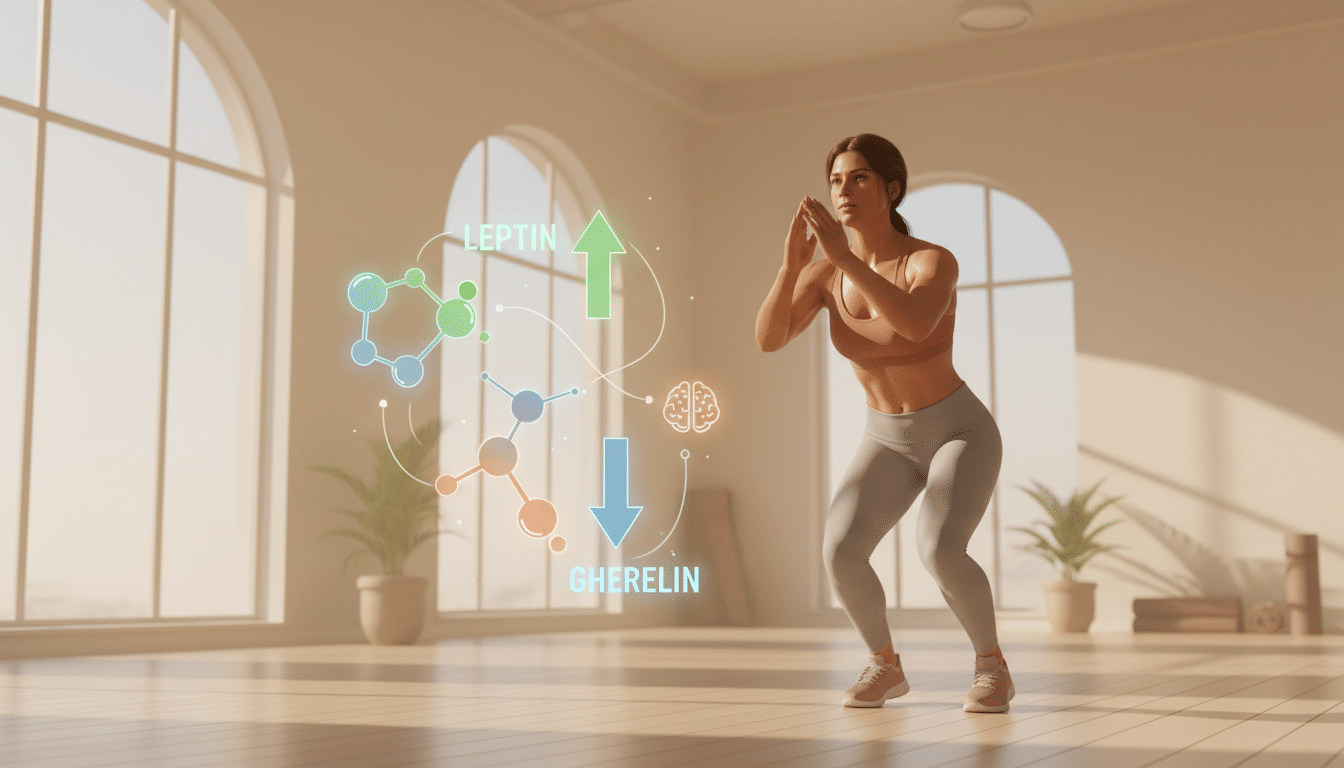
Biological Signals and Hormone Changes
Your body regulates the desire to eat through key hormones. Ghrelin, your primary hunger signal, drops after intense activity.
At the same time, peptide YY increases. This hormone promotes feelings of fullness and satisfaction.
Hard efforts also make your muscles produce energy without oxygen. This raises blood lactate—linked to that familiar burning sensation.
These chemical shifts work together. They temporarily reduce your interest in food.
Remember, this response is personal. Your reaction may differ from someone else doing the same routine.
Post Workout Appetite Suppression: Key Mechanisms
A groundbreaking discovery reveals a key molecule that mutes your desire to eat after tough training.
Scientists identified a compound called Lac-Phe. It directly suppresses appetite following intense exercise.
Role of Lac-Phe in Reducing Hunger
Lac-Phe forms in your body during hard exercise. It links lactate with the amino acid phenylalanine.
Lactate builds up in your muscles when you produce energy without oxygen. This happens during sprints or heavy lifting.
Research from Stanford and Baylor universities shows the pattern. More strenuous exercise creates more Lac-Phe.
Studies in humans, mice, and racehorses confirm this. Mice given Lac-Phe ate significantly less food.
This molecule is responsible for about 25% of exercise’s weight management benefits.
Enzyme Activity and Molecular Pathways
An enzyme called CNDP2 catalyzes the reaction. It joins lactate and phenylalanine to make Lac-Phe.
This enzyme is active in immune cells and other tissues throughout your body.
Lac-Phe then travels through your bloodstream to your brain. There, it quiets hunger signals.
When scientists blocked this enzyme in mice, they gained more weight even with exercise access.
The harder you train, the more this natural pathway activates. It’s a built-in biological brake.
Practical Tips for Post-Exercise Refueling
Your refueling strategy should match your training goals and intensity. There’s no one-size-fits-all approach.
Competitive athletes need to eat within 30 to 60 minutes after finishing. This timing supports high training loads.
If you train for general health and fitness, you can wait 2-3 hours. Just have a solid meal later.
Liquid Calories for Quick Refueling
Liquid calories are your best option when your stomach can’t handle solid food. Start sipping even with zero hunger.
Sports drinks replace electrolytes and provide quick carbs. Broth or V8 juice offers savory sodium.
A protein smoothie is a top choice. It delivers carbs, protein, and fluids for optimal recovery.
Use Greek yogurt, milk, or protein-fortified plant milk as a base. Chocolate milk is an athlete favorite.
Choose savory options if sweet drinks sound unappealing after a session.
Small Snacks and Balanced Meals
Small snacks bridge the gap when your appetite starts returning. They provide energy without overwhelming you.
Try a handful of pretzels or toast with nut butter. These are easy for your system to process.
Board-certified sports dietitians like Dana Horton and Roxana Ehsani recommend these strategies. Waiting too long to refuel means playing catch-up with your nutrition for the day.
Skipping this intake risks decreased energy and increased muscle soreness. Smart refueling supports your performance and health.
Choosing Fuel: Liquid and Solid Options
Selecting the right fuel after training is crucial for optimal recovery and performance. Your body needs specific nutrients to repair itself and restore energy.
Think about both liquid and solid choices. Each has a place in your nutrition plan.
Protein, Carbohydrates, and Healthy Fats
An effective refueling meal combines three key parts. You need carbohydrates, protein, and healthy fats.
Carbs replace the glycogen your muscles used for energy. Protein gives amino acids to fix muscle tissue. Healthy fats from sources like avocado or nuts help you feel satisfied.
| Option Type | Key Components | Example | Best For |
|---|---|---|---|
| Liquid Fuel | Fast carbs, protein, fluids | Protein smoothie with Greek yogurt and fruit | Quick absorption when solid food is unappealing |
| Solid Fuel | Complex carbs, protein, fats | Scrambled eggs with avocado on whole-grain toast | Lasting energy and satiety when appetite returns |
| Hybrid Option | Mix of simple and complex nutrients | Chocolate milk with a handful of pretzels | Rapid glycogen replenishment plus some protein |
Your daily calorie and protein intake matters as much as timing. Match your food choices to your session’s intensity.
A long, hard effort needs more aggressive refueling than a short, easy one. Always choose nutrient-dense whole foods for the best health and performance results.
Conclusion
Your body’s reaction to intense effort is a smart, built-in system for managing energy.
That quiet stomach is normal. It’s driven by molecules like Lac-Phe and shifts in key hormones.
Competitive athletes must eat within an hour after training. This jumpstarts muscle recovery regardless of hunger levels.
People focused on general health and fitness can wait 2-3 hours for natural cues to return.
Liquid options like smoothies are ideal when solid food feels unappealing.
Always include protein, carbs, and healthy fats in your next meal.
Skipping this fuel creates a calorie deficit that hurts your performance over time.
If your workouts suffer, consult a registered sports dietitian. They tailor nutrition to your goals.
Listen to your body, but fuel strategically. Your long-term fitness depends on it.