

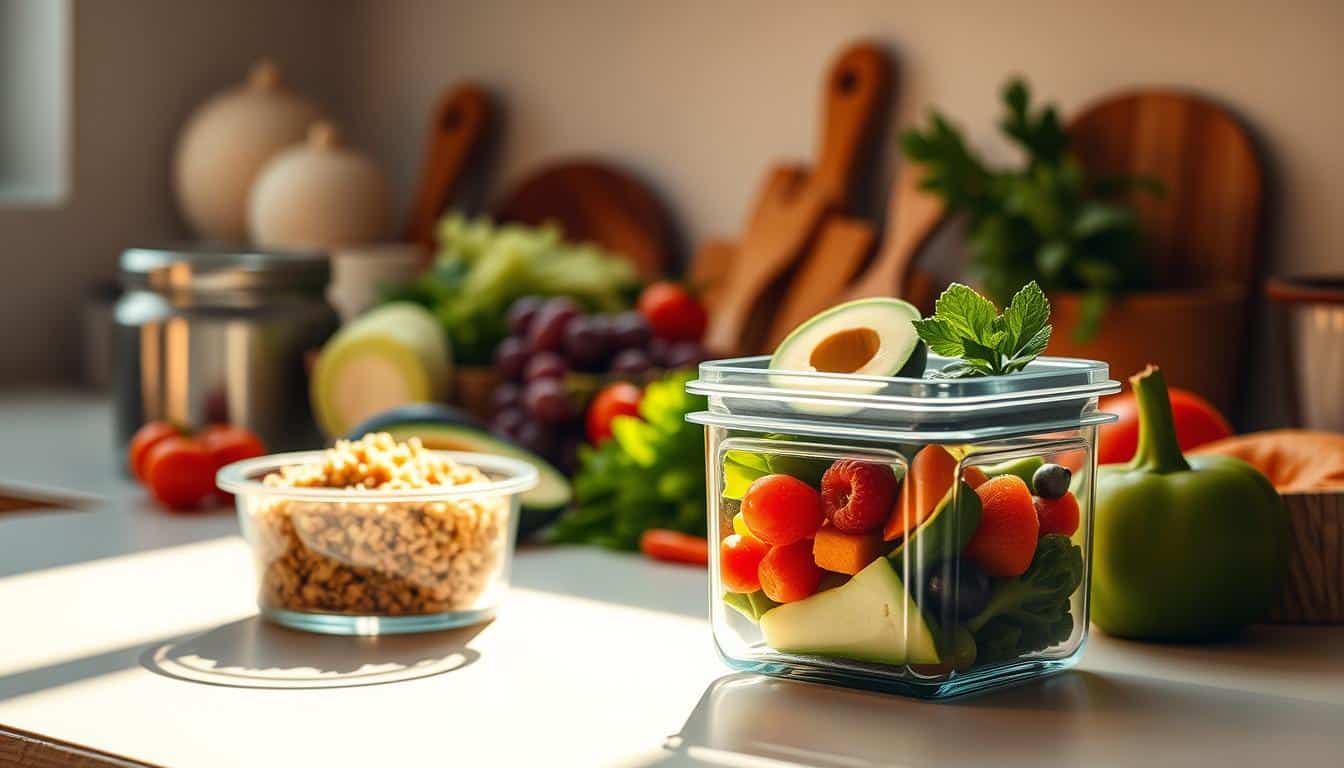
You want food that fuels training and fits a busy schedule, and vegan meal prep for athletes shows you how to do that without stress.
Build a simple plan that leans on seitan, tempeh, tofu, beans, and lentils so protein needs are met with familiar, budget-friendly staples.
Quick wins include dried lentils that cook in under 20 minutes, seitan as a high-protein option, and soy foods that carry heart-healthy benefits. You’ll get a short list of recipes, a weekly shopping list, and a day-by-day rhythm that keeps taste fresh.
Hydrate and refuel with water and a smoothie around workouts, choose pasta or whole grains on heavy days, and add a salad most days to boost fiber and micronutrients.
Set clear performance goals and align your vegan meal plan with training
Start each week by naming one performance goal and let that guide what you eat and when. Pick one primary aim today: build strength, improve endurance, or maintain weight.
Set a protein target per day based on your body weight. Put the biggest servings right after key sessions to help repair muscles and speed recovery.
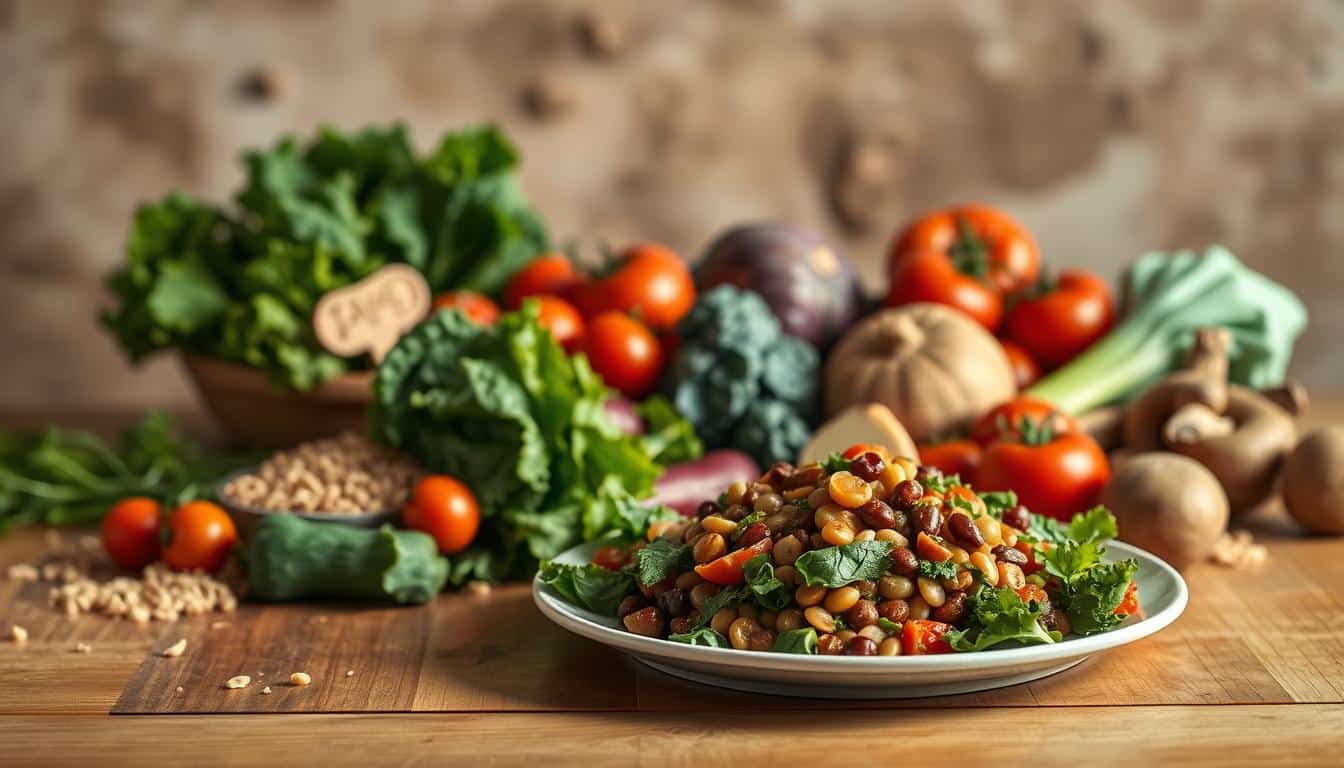
- Match carbs to training: raise grain and bowl portions on hard days; lower them on rest days.
- Set water targets by session length and heat so you start hydrated and finish rehydrated.
- Block prep time on your calendar like a workout so food is ready at the right time.
- Choose one option for each meal slot you can repeat all week to cut decisions and stay consistent.
- Add a salad to lunches or dinners to boost fiber, potassium, and volume with little effort.
- Note which food sits well before workouts and stick with those to protect training quality.
Track simple markers like energy during sessions, sleep, and appetite. Review goals on every training day and make one small change at a time so you don’t get overwhelmed.
Dial in macros, hydration, and timing for athletic performance
Get the right carbs, protein, and water at the right times and you’ll feel it in your workouts. This short guide gives clear rules you can use every day. Follow the steps and adjust to how you feel.
Macro guide for training days and rest days
On training days, raise carbs and keep protein steady at each meal. Aim for a protein source at breakfast and after hard sessions.
- Higher carbs around long efforts to support energy.
- Protein at every meal and snack to aid repair.
- Use soy, tofu, or a scoop of protein powder after tough sessions.
Hydration strategy with water, electrolytes, and smoothie timing
Preload water in the hours before exercise. Sip steadily during the day instead of chugging at night.
- Mix a smoothie with plant milk, fruit, and protein powder within 30 minutes after hard work.
- Include electrolytes on long or hot sessions to replace sodium.
- If solid food sits well, choose a light soup, a pasta side, or a bean and corn bowl a few minutes after training.
Add a small salad with kale and a pinch of salty dressing to help restore sodium. Season with garlic for flavor. Keep the plan simple and repeat what works.
High-protein plant foods that power recovery and strength
A handful of reliable plant foods can deliver the protein you need to rebuild muscle.
Choose one or two staples and rotate them all week. That keeps cooking simple and your plates consistent.
Tofu, tempeh, and quick soy options
Tofu soaks up sauce and works in scrambles, bowls, and stir-fries. It stays flavorful across the week.
Tempeh gives about 19 g protein per 4 oz and has iron and calcium. Pan-sear and glaze for fast servings.
Soy curls rehydrate in water or broth. They offer ~11 g protein per 120 calories and make a fast meat substitute.
Seitan and dense protein choices
Seitan packs about 35 g protein per 4 oz at roughly 180 calories. Use it in stir-fries, wraps, or tacos when you want a meat-like texture.
Beans, lentils, and legume benefits
Dried lentils cook in under 20 minutes. Legumes supply fiber, iron, zinc, folate, potassium, and magnesium.
Combine beans or lentils with tofu or tempeh to improve amino acid balance and raise total protein.
| Food | Protein (per typical serving) | Calories | Best quick use |
|---|---|---|---|
| Seitan | 35 g / 4 oz | ~180 | Stir-fry, wraps, tacos |
| Tempeh | 19 g / 4 oz | ~190 | Skillet glaze, bowls |
| Soy curls | 11 g / 120 kcal | ~120 | Rehydrate + sauté |
| Lentils | ~9 g / cup (cooked) | ~230 | Soups, big pot sides |
- Keep sauces simple so flavor repeats well and prep stays fast.
- Rotate bean types to widen micronutrients with little effort.
- Include soy foods confidently; research links them to heart benefits and safety.
Pantry staples, produce, and tools that speed up vegan meal prep
A small set of staples and a couple of gadgets can cut cooking time dramatically. Keep a clear list so shopping is fast and restocking becomes automatic.
Grocery essentials
Build a core grocery list with beans, lentils, quinoa, pasta, tofu, tempeh, seitan, vegetables, fruit, and bread. Keep frozen fruit for smoothies and frozen vegetable mixes for quick stir-fries when you’re short on time.
Quick wins in the kitchen
- Use a rice cooker or multi-cooker for hands-off grain batches that free you to do other tasks.
- Set a water station on the counter so you refill bottles while you batch-cook and pack meals.
- Grab a big mixing bowl for batch salads and grain bowls that hold up for several days.
- Slice onions and mince garlic once for the week and store them so future cooking takes minutes.
- Bake tofu or tempeh on sheet pans to save time and get even texture for sandwiches and bowls.
- Keep bread, wraps, and tortillas on hand for fast meals when plans change.
- Note prices for staples so you can reorder quickly and keep costs down.
Essential equipment
| Tool | Why it helps | Best use |
|---|---|---|
| Sheet pans | Cook large batches evenly | Tofu, tempeh, roasted vegetable trays |
| Rice cooker / multi-cooker | Hands-off grain and bean prep | Quinoa, rice, stews |
| Blender & storage containers | Fast smoothies and clear storage | Frozen fruit blends; labeled meals |
Dried lentils cook in under 20 minutes and are low-cost. That makes them a reliable, fast protein base for bowls and salads. Keep a simple rhythm and you’ll reclaim time without losing variety.
Step-by-step workflow: prep in minutes, cook in batches, assemble fast
Use a short workflow to move from raw ingredients to labeled boxes in under 90 minutes. Start with clear stations: grains, proteins, and sauces. That helps you stay calm and quick.
Batch cook bases and proteins
Turn water on and set timers for grains so they finish in minutes while you work on proteins. Cook quinoa and lentils together when possible. Open canned beans or simmer dry beans on low heat.
Bake tofu and tempeh on two racks. Season half mild and half spicy. That gives fast flavor variety all week.
Mix bright sauces and a creamy dressing
Blend a quick sauce with lemon, garlic, and onions. Use it on bowls, wraps, and salads.
Make a second dressing that’s creamy or nut-based. Two sauces = two tastes with little effort.
Portion, label, and organize
Portion each box by activity day and label lids. Pack a spare grain and protein portion for travel days.
Stack containers by day in the fridge so you grab the right box without thinking. Log what you cooked and how much you ate to tune next week’s plan.
- Quick start: water on, timers set, pans ready.
- Batch: quinoa, lentils, beans, tofu/tempeh.
- Finish: two sauces (lemon-garlic and creamy nut).
- Store: label, stack, and pack a spare portion.
- Clean: rinse tools and soak pans immediately.
| Task | Time | Why it helps |
|---|---|---|
| Grains (quinoa) | 15–20 minutes | Fast base that holds texture and pairs with proteins |
| Beans & lentils | 20–40 minutes / canned ready | Complete spread of protein and fiber options |
| Baked tofu / tempeh | 25–35 minutes | Two flavors from one bake; high-protein, portable |
Want a full how-to on bulk cooking on a budget? See a quick guide to streamline your shopping and batching: how to bulk cook.
Athlete-friendly meal templates and recipes you can rotate
Use repeatable templates to stay consistent, hit targets, and still enjoy bold flavor. These quick frameworks keep shopping and cooking simple. Pick one option per slot and rotate it twice a week.
Breakfast ideas
Tofu scramble with onions, garlic, and kale. Oats with fruit and a scoop of protein powder. A green smoothie with protein powder for a fast, portable option.
Lunch and portable plates
Make a grain bowl with quinoa, beans, kale, and a lemon-garlic sauce. Rotate a bean and quinoa salad with crunchy vegetables and a creamy dressing.
Pack burritos or tacos with beans, corn, onions, and tempeh for easy lunches on the move.
Dinner choices
Choose pasta tossed with tempeh or tofu and a tomato or pesto sauce. Add a chili, curry, or hearty soup on colder nights and freeze extras. Bread on the side helps on high-volume days.
Smart snacks
- Trail mix or an energy bar
- Shake with protein powder
- Crackers and peanut butter
| Template | Main protein | Best side |
|---|---|---|
| Grain bowl | Beans / lentils | Roasted vegetable |
| Pasta dinner | Tempeh | Simple salad |
| Soup or chili | Beans | Crusty bread |
Sample day for vegan meal prep for athletes
Below is a practical, timed sample day you can use as a template. It shows portions, snack timing, and hydration so you can match intake to heavy training.
Ultra-endurance note and adjustments
Note: this example is a 4,500-calorie plan (~60% carbs, 20% protein, 20% fat). If you’re not doing ultra work, scale portions down.
Pre-workout: 1 energy bar and water.
Breakfast: 1 whole-wheat bagel with 2 tbsp peanut butter and 2 tbsp jelly, scrambled tofu, and 8 oz soy milk.
Mid-morning: smoothie with 4 oz plant milk, 8 oz orange juice, and 1 banana.
Lunch: 1 cup black beans, 1 cup corn, a salad with dressing or 1 cup green vegetables, plus 2 rolls or 2 slices whole-grain bread.
Afternoon snack: baked tempeh or tofu (2 oz), 1 banana, 15 almonds, and 3 tbsp dried fruit.
Dinner: 2 cups chickpeas, 1 cup cubed tofu, 2 cups rice, and 3 slices whole-wheat toast with 1 tbsp jam each. Add 1.5 cups chopped fruit.
Evening snack: 12 crackers with peanut butter and 8 oz soy milk. Add soup or a simple pasta bowl if hunger persists.
- Use this sample day to see portions and timing, then scale calories and carbs up or down based on your training.
- Front-load fuel: start with a bar and water, then breakfast with tofu, soy milk, and bread.
- Blend a smoothie mid-morning for quick carbs without heavy food that can slow you.
- Build lunch with beans, corn, a salad with dressing, and bread to refill glycogen and fiber.
- Snack on baked tofu/tempeh plus fruit and nuts to hit protein and calories between sessions.
- Season with onions and garlic for flavor while keeping prep minutes low. Swap tacos or a substitute entrée if you need a portable option.
- Drink water at each meal and snack so hydration stays steady across the whole day.
Supplements, meal timing, and pro support
Smart supplement use and practical timing can close gaps that food alone sometimes leaves. Work with a registered dietitian who understands sport. They help set protein targets, check labs, and shape a realistic plan around your schedule.
Confirm key nutrients. Ask your RDN to test vitamin B12, vitamin D, iodine, and algae-based omega-3. These are common needs on a plant-based diet.
- Consider creatine monohydrate for high-intensity work. Discuss dosing with a sports RDN.
- Run iron labs if you feel run down. If low, increase beans, kale, and vitamin C foods.
- Time protein doses across the day and take a serving after sessions to aid recovery.
- Keep water and electrolytes handy. Replace sweat losses during and after long sessions.
- Use a light soup or a small side snack when appetite is low but you need calories.
| Support | Typical dose | Why |
|---|---|---|
| Vitamin B12 | As instructed by RDN | Prevents deficiency and supports energy |
| Creatine | 3–5 g/day | Improves high-intensity performance and power |
| Algae omega-3 | 200–500 mg EPA+DHA | Supports recovery and heart health |
Align your plan with events and work hours. Adjust on a weekly timeline so changes can be measured. Meet your sports dietitian to review logs and fix GI or timing issues fast.
Conclusion
A simple rhythm—three recipes, repeated—builds consistency and cuts decision fatigue fast. Pick one recipe for breakfast, one for lunch, and one for dinner and run them all week to save time and sharpen results.
Make a short shopping list with grains, beans, tofu, tempeh, vegetables, bread, and sauces. Batch-cook a grain like pasta or quinoa, then mix a bright sauce with lemon, garlic, and onions for easy bowls and sides.
Pack a bowl with kale, corn, and beans, and keep a smoothie, soup, or tacos as a quick backup. Use a filled water bottle and a glass at each meal to hit hydration without thinking.
Save favorite recipes as cards, note prep minutes, rotate a tofu or tempeh entrée, and tweak one thing at a time. Measure results, refine the plan, and stick with the simple way that works.