

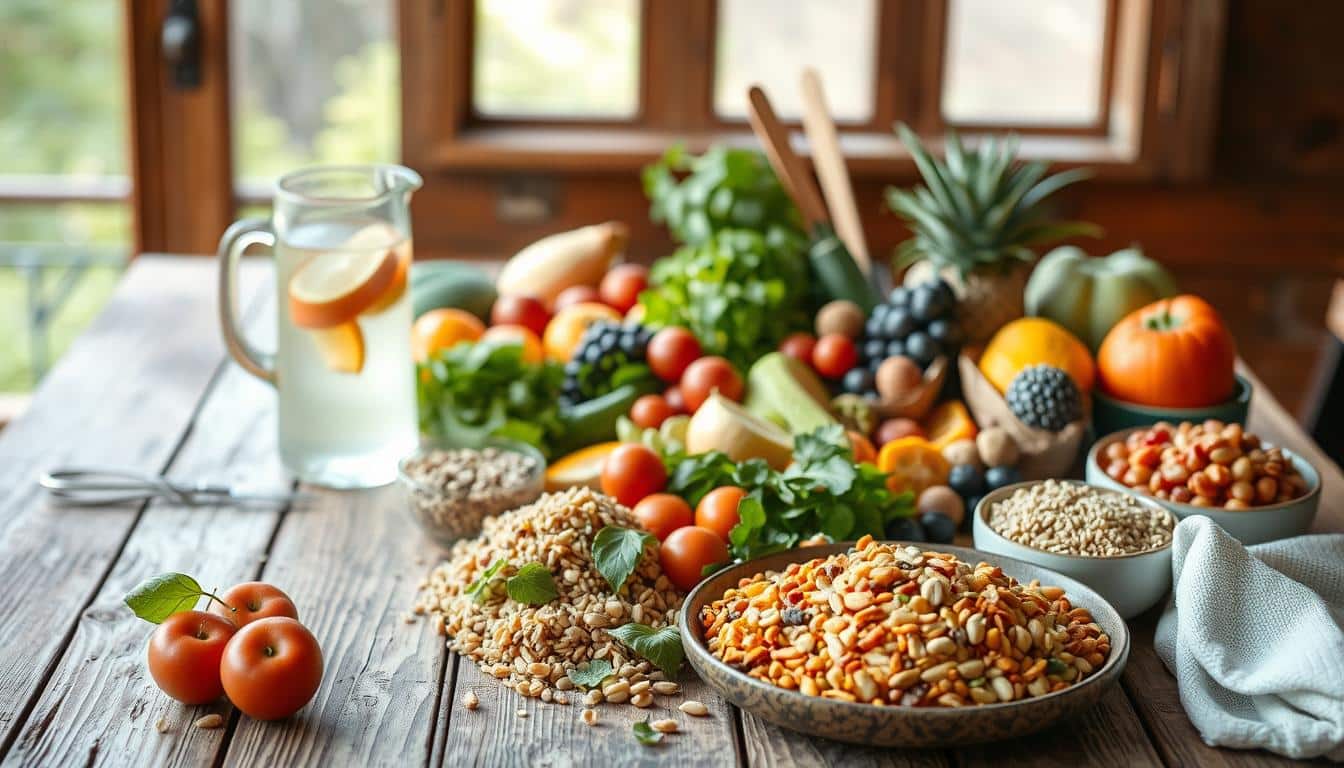
Vegan diet for endurance athletes can power long sessions when planned with care and real food. You’ll notice better recovery and steady energy when the plan matches your training load.
Plant-forward plans link to lower blood pressure and improved cardiometabolic markers, but they need attention to B12, iron, calcium, vitamin D, zinc, iodine, and EPA/DHA. Calories matter too—nuts, grains, potatoes, and gels help you hit targets without feeling stuffed.
Practical nutrition steps will protect performance and support health while you train. You’ll get clear protein targets, fueling ideas for long sessions, and simple fixes to close common nutrient gaps so your body adapts and recovers well.
How a plant-based diet supports endurance performance
Well-planned plant menus support the blood and metabolic markers that back steady aerobic work.
The evidence shows lower BMI, reduced blood pressure, and lower LDL when people shift toward plant-based patterns. These changes help oxygen delivery and overall cardiovascular health.

Health markers that influence aerobic capacity
Lower blood pressure and healthier cholesterol levels can ease strain on the heart during long sessions.
Antioxidant-rich whole grains, fruits, and vegetables help manage exercise-related oxidative stress and speed recovery.
Performance outcomes in well-planned plant-based diets
When energy, carbs, and protein match training needs, studies report similar race and training results compared with meat-inclusive plans.
Attention to B12, vitamin D, calcium, iron, zinc, and iodine keeps performance steady.
- Pair plant iron with vitamin C to boost absorption.
- Use legumes, soy, seitan, and grains to meet protein totals.
- Watch calorie density and adjust portions to protect body weight.
| Marker | Typical change | Impact on exercise | Practical step |
|---|---|---|---|
| Blood pressure | Lower | Better oxygen delivery | Eat more fruits, whole grains |
| LDL cholesterol | Reduced | Improved cardiovascular efficiency | Limit processed meats; choose nuts and oats |
| Iron status | Variable | Affects fatigue and VO2 | Pair beans with citrus; test ferritin |
Set daily energy targets for training load
Set a clear daily calorie goal that matches your weekly training load and recovery needs. This helps you avoid low energy availability and keeps training gains on track.

Calorie needs by volume and intensity
Estimate needs with an app or energy equation over three to seven days. Track food and training to spot gaps.
Use body weight trends as a quick status check. If weight drops unintentionally, increase calories or meal frequency.
High-calorie foods to meet energy demands
Early fullness from high-fiber plants is common. Add energy-dense choices to raise calories without bloating.
- Nuts, nut butters, tahini, and seeds for compact calories.
- Dried fruit, granola, avocado, and olive oil to boost meals.
- Smoothies with soy milk, oats, banana, and protein powder when appetite is low.
- Keep tortillas, rice, potatoes, bread, and gels ready on busy or travel days.
| Situation | Action | Quick options | When to reassess |
|---|---|---|---|
| Long training day | Increase meal frequency and snacks | Smoothie, granola, dried fruit | After 3–7 days of tracking |
| Double-session day | Plan extra carbs and a pre-bed snack | Rice, potatoes, tortilla with nut butter | If weight or recovery declines |
| Low appetite | Use liquid calories and oils | Soy shake with olive oil, avocado toast | When fatigue or frequent illness appears |
| Travel/busy day | Rely on quick, familiar foods | Bagels, energy gels, ready rice cups | Weekly, as training blocks change |
Carbohydrates for long workouts and races
Getting carbs right makes long efforts feel easier and keeps pace steady. Match daily intake to your training load and use simple, low-fiber options before hard sessions.
Daily carb ranges by training load
Lower volume: ~4–6 g/kg per day for light weeks.
Moderate: ~6–8 g/kg per day when you build intensity.
High volume: ~8–12 g/kg per day during heavy training blocks or racing.
Low-fiber vs. high-fiber choices
Use low-fiber starches—white rice, pasta, peeled potatoes, sourdough, and bananas—before intervals or races to cut gut stress.
Save oats, quinoa, lentils, and beans for easy training days and recovery to support overall nutrition.
Fueling during efforts over 90 minutes
Target 30–60 g carbs per hour from gels, chews, sports drinks, soft rice bars, dates, or bananas. Mix glucose and fructose when you aim above ~30 g/hr.
Practice this plan in training. Add sodium on hot days to aid fluid balance and reduce cramps. Keep a pre-session meal 2–3 hours out with 1–4 g/kg carbs and low fat and fiber.
| Situation | Carb target | Sample foods | Notes |
|---|---|---|---|
| Light training day | 4–6 g/kg/day | Oats, quinoa, beans | Higher fiber okay |
| Key workout/race | 6–12 g/kg/day (tapered) | White rice, pasta, sourdough | Lower fiber pre-session |
| During >90 min effort | 30–60 g/hr | Gels, sports drink, bananas | Mix sugars; add sodium if hot |
| Low appetite | Concentrated carbs | Smoothies, energy bars | Use liquids to hit targets |
Protein intake and distribution for recovery
Getting protein right across the day protects lean mass and aids performance during heavy training. Aim for clear, achievable targets and steady timing. Small, simple changes can improve recovery and keep energy steady.
Grams-per-kilogram targets by training phase
Normal training: 1.4–2.0 g/kg per day.
High-volume or body-fat loss: 1.8–2.2 g/kg per day.
Caloric deficit / heavy stress: consider up to 2.0–2.7 g/kg to preserve weight and muscle.
Even spacing to support synthesis
Divide total into 20–35 g servings every 3–4 hours. Anchor breakfast, post-session, and dinner with solid protein portions.
- Use soy foods, tempeh, tofu, seitan, lupini beans, lentils, and edamame to hit targets without relying only on powders.
- Add a 20–40 g pre-bed protein snack when loads are high or daily intake missed.
- Consume post-workout protein within 60 minutes and pair it with carbs to refill glycogen and aid repair.
| Situation | Target | Sample plan |
|---|---|---|
| 70 kg athlete example | ~1.8 g/kg → 126 g/day | 3 meals × 30 g + 2 snacks × 18 g |
| High volume / cut | 1.8–2.2 g/kg | Increase servings or add a shake/snack |
| Low appetite day | Same total, more liquids | Smoothies with soy, oats, nut butter |
Tip: Rotate protein foods to widen amino acid variety and keep meals interesting. Track intake a week to confirm targets and tweak when recovery or performance slips.
Protein quality, amino acids, and complete profiles
Aim for meals that trigger muscle synthesis by focusing on leucine-rich plant foods and smart pairings. Leucine is the key amino acid that sparks muscle protein synthesis. Hitting ~2–3 g leucine per main meal helps recovery and strength gains.
Leucine-rich choices and practical combos
Use soy, quinoa, and buckwheat as core sources. They are complete or near-complete proteins and lift overall quality when you need efficient amino coverage.
Combine grains and legumes across the day. Think rice + beans, quinoa + chickpeas, or pita + hummus. These combos fill lysine and methionine gaps without fuss.
- Aim to rotate protein foods weekly to cover missing acids and keep meals interesting.
- When appetite is low, use a blended plant protein (pea + rice) post-workout for quick amino hits.
- Soak, sprout, or ferment beans and grains to reduce antinutrients and improve amino availability.
| Goal | Sample food | Leucine (approx.) | Why it helps |
|---|---|---|---|
| Main meal leucine target | Tofu + rice | 2.2 g | Triggers synthesis; simple to build meals |
| Complete protein option | Quinoa salad with edamame | 1.8 g | Broad amino profile; easy digestion |
| Quick post-workout | Pea+rice shake | 2.5 g | Fast absorption when food access is limited |
| Shelf-stable pairing | Canned lentils + whole-wheat pita | 1.9 g | Convenient, covers lysine and carbs |
Healthy fats and omega-3 strategies
Healthy fats play a big role in hormone balance, recovery, and steady energy during heavy training. Aim for 20–35% of total calories from fats to support recovery and keep calories practical when appetite is low.
Meeting ALA needs from whole foods
Get ALA from ground flaxseed, chia, hemp seeds, and walnuts. These foods blend easily into oats, smoothies, and bowls.
Use olive oil, avocado, tahini, and nut butters to raise calories without adding fiber. Rotate fats across the week to vary micronutrients and flavor.
Why many add algae-based EPA/DHA
Conversion of ALA to long-chain EPA and DHA is limited in the body. Many athletes use an algae-based DHA/EPA supplement to close that gap.
Also choose fortified products when possible to widen coverage without extra pills. Read labels and avoid excess saturated fats in processed products.
- Tip: Keep fats lower before race-day sessions and add them on easy or lower-intensity days.
- Reassess if body weight or energy drops; adding fats is an efficient calorie fix.
| Goal | Food example | Why it helps | Quick use |
|---|---|---|---|
| ALA source | Ground flax or chia | Provides plant omega-3 acids | Mix into smoothies/oatmeal |
| Calorie boost | Olive oil, tahini | High energy, low fiber | Add to dressings, spreads |
| Direct EPA/DHA | Algae-based supplement | Provides long-chain omega-3s | Daily capsule per label |
Vitamin B12: non-negotiable for vegan endurance athletes
B12 is a small nutrient that makes a big difference in blood, nerves, and training output.
B12 supports red blood cell formation, nerve function, and DNA synthesis. Reliable whole-food sources are rare in a plant-centered diet. Fortified products help, but a supplement gives consistent coverage.
Evidence-based dosing and practical steps
- Common dosing: 250–500 mcg daily or 2,500 mcg once weekly of cyanocobalamin or methylcobalamin.
- Use fortified plant milks, cereals, and nutritional yeast as background sources.
- Pick a tested brand of supplements to match label claims.
- Take your pill with breakfast or your coffee habit to avoid missed doses.
- Store the bottle where you see it near training gear or morning products.
Monitoring blood levels
Check B12 and related labs at least yearly. Test sooner if you feel fatigue, tingling, or cognitive changes. Log doses alongside workouts so you can spot patterns when training or food intake changes.
| Goal | Dosing option | When to test |
|---|---|---|
| Routine maintenance | 250–500 mcg daily | Annual blood test |
| Simpler schedule | 2,500 mcg once weekly | Test after 6–12 months |
| Symptom or heavy load | Consider higher supervised dosing | Test every 3 months until stable |
Iron for oxygen delivery and fatigue prevention
Iron controls how efficiently your muscles get oxygen during long training blocks. That makes it central to steady performance and avoiding tiredness.
Plant iron is non-heme and absorbs less well than the heme iron in meat or other animal products. You can close the gap with smart food pairings and steady intake.
Top plant sources and vitamin C pairing
Eat iron-rich foods daily: lentils, chickpeas, black beans, tofu, tempeh, quinoa, pumpkin seeds, and dark leafy greens.
Pair those foods with a vitamin C source at the same meal—orange, strawberries, bell pepper, or tomato—to boost absorption.
Avoid coffee, tea, and high-calcium foods within an hour of iron meals. Spacing inhibitors helps you get more from the same amounts of food.
When to test ferritin and consider supplements
Test ferritin and a complete blood count at least once or twice a year. Test sooner if you feel persistent fatigue, poor recovery, or unexplained performance drops.
Consider iron supplements only with verified low ferritin or anemia and under medical supervision. Excess iron can cause harm.
- Track symptoms, training load, and labs together to spot trends before a race build.
- Recheck levels after any supplement phase to confirm recovery to target ranges.
- Watch weight and appetite—iron loss can lower intake and complicate recovery.
| Why it matters | Action | Quick examples |
|---|---|---|
| Oxygen delivery & fatigue | Prioritize iron-rich meals + vitamin C | Lentils + orange; tofu stir-fry + bell pepper |
| Reduced absorption | Space inhibitors near iron meals | No coffee within 60 min of iron meals |
| Low ferritin or anemia | Supplement under medical care | Lab-guided dosing; recheck after 8–12 weeks |
Calcium and vitamin D for bone strength and muscle function
Supporting bone density and muscle recovery starts with hitting calcium targets and checking vitamin D levels. Aim for about 1,000–1,300 mg calcium per day, split across meals to boost absorption.
Use fortified products like soy or almond milk and calcium-set tofu as reliable sources. Add leafy greens (kale, bok choy, collards), almonds, tahini, chia, and canned salmon alternatives to build totals.
- Timing: Spread 300–500 mg per meal rather than one large dose.
- Pairing: Include a little fat with calcium foods to aid uptake and keep calories practical.
- Rotate sources: Don’t rely on a single product—mix milks, tofu, seeds, and greens.
Many people use vegan D3 from lichen at about 1,000–2,000 IU daily, then adjust by blood levels and sun exposure. Recheck vitamin levels seasonally, especially after winter or indoor training periods.
| Goal | Example | Why it helps |
|---|---|---|
| Daily calcium | 1,000–1,300 mg split meals | Better absorption and bone maintenance |
| Vitamin D | 1,000–2,000 IU D3 (lichen) | Supports calcium uptake; monitor blood levels |
| Cross-training | Weight-bearing sessions | Mechanical load complements calcium for stronger bones |
Zinc, iodine, and other micronutrients that affect performance
A simple salt swap and a handful of seeds can fill common micronutrient holes. Small changes each day make it easy to hit targets without overthinking meals.
Zinc sources: Build zinc across the week with beans, lentils, chickpeas, whole grains, pumpkin seeds, and cashews. Fortified cereals and some plant-based products add reliable extras when travel shrinks fresh options.
- Pack snacks with nuts and seeds to combine zinc and compact calories.
- Rotate legumes and grains to widen micronutrient coverage naturally.
- Consider a multivitamin-mineral product only if food choices and testing show gaps.
Iodine habits: Use iodized salt in cooking as a simple daily habit. Add nori or dulse in small amounts a few times weekly. Avoid kelp supplements unless guided—kelp can supply very high iodine.
| Need | Practical action | Why it helps |
|---|---|---|
| Zinc coverage | Beans, pumpkin seeds, fortified cereals | Supports recovery, immune function |
| Iodine baseline | Iodized salt; small seaweed portions | Maintains thyroid hormones and energy |
| Variable intake / travel | Check labels; use fortified products | Fills gaps when fresh food is limited |
Check your micronutrient status if fatigue or poor recovery persists despite good sleep and training. Logging weekly patterns helps you confirm coverage and decide if minor supplementation or testing is needed.
Hydration and electrolytes for long-duration efforts
Learning your sweat rate saves guesswork and protects performance. Start sessions well hydrated and stick to a plan that matches losses, not just thirst. That keeps energy steady and the body working efficiently during long exercise.
Use a simple sweat test on a temperate day: weigh before and after one hour with minimal fluid. Each pound lost equals about 16–20 oz (475–590 mL) to replace per hour.
- Fluid target: aim to replace 50–100% of sweat losses during long efforts depending on comfort.
- Sodium: include 300–700 mg sodium per liter in hot conditions; higher sweat rates need more.
- Choose carb‑electrolyte drinks when you need both fuel and fluids—these combine energy and salt in one bottle.
Practice your plan in training. Track pre/post body weight to refine intake and avoid large swings.
| Situation | Fluid guide (per hr) | Sodium guide |
|---|---|---|
| Temperate long ride/run | 400–800 mL | 300–500 mg |
| Hot, humid day | 600–1,000 mL | 500–900 mg |
| Short cool session | 200–400 mL | 100–300 mg |
Make a race checklist so bottles, salts, and backup products are ready. Revisit needs across the season as heat, altitude, and training stress shift your strategy.
Meal timing: before, during, and after key sessions
Smart timing makes your training day more reliable. You get steady energy, fewer stomach problems, and faster recovery when meals and snacks line up with workouts.
Pre-session low-fiber carb meals
Eat 1–4 g/kg carbs 2–3 hours before hard sessions. Keep fiber and fat low to avoid gut distress.
- Examples: rice bowl, pancakes with syrup, bagel + jam, or rice cakes + banana.
- Adjust portions by body size and session intensity.
During-session carb and sodium targets
For efforts >90 minutes aim for 30–60 g carbs per hour and add sodium to replace salts lost in sweat.
- Rotate gels, chews, soft bars, dates, and sports drink to avoid palate fatigue.
- Practice the mix in training so your gut tolerates race-day intake.
Post-session 3:1–4:1 carb-to-protein recovery
Within 30–60 minutes, take a 3:1–4:1 carb:protein meal with 20–35 g protein and fluids.
- Try a smoothie with blended protein (soy or pea+rice), banana, and oats.
- Keep a backup snack in your bag when a full meal isn’t available.
- Space calcium-rich foods away from iron-focused meals to protect absorption.
| Timing | Target | Sample |
|---|---|---|
| Pre (2–3 hr) | 1–4 g/kg carbs | Bagel + jam |
| During (>90 min) | 30–60 g carbs/hr + sodium | Gel + sports drink |
| Post (30–60 min) | 3:1–4:1 carb:protein; 20–35 g protein | Soy shake + fruit |
Training-period nutrition: base, build, and taper
Small, planned changes across training phases cut GI risk and keep energy reliable. Base, build, and taper each need a clear approach to carbs, protein, and gut comfort.
Matching carbs to volume and intensity
In base, set carbs to support steady mileage and nutrient-rich whole foods. Focus on durability and steady weight.
In build, raise carbs toward the upper ranges to power intervals and back-to-back sessions. Keep protein steady to support repair.
In taper, keep carbs high while lowering total volume so glycogen stays topped up and freshness rises.
Managing fiber and gut comfort near race day
Switch to low-fiber swaps in the last 48 hours: white rice, pasta, peeled potatoes. Reduce new foods and heavy fats as race day nears.
Practice your exact breakfast in training so timing, portion, and intake are predictable. Adjust hydration for heat or altitude.
Quick checklist
- Keep protein consistent across phases to aid recovery.
- Track weight and energy to confirm needs.
- Review key nutrient requirements weekly during heavy training.
| Phase | Carb focus | Fiber strategy | Key action |
|---|---|---|---|
| Base | Moderate (4–6 g/kg) | Whole-foods, regular fiber | Build durability; steady meals |
| Build | High (6–10 g/kg) | Moderate fiber; more starchy carbs | Support intervals; increase intake |
| Taper | High (maintain carbs) | Low fiber final 48 hrs | Reduce volume; calm the gut |
Sample day on a vegan diet for endurance athletes
Here’s a practical, day‑long menu that hits carbs, protein, and key vitamins without fuss.
Breakfast and morning
Breakfast: Oatmeal cooked in soy milk with banana, chia, walnuts, and a scoop of plant protein. This gives a strong carb and protein base to start the day.
Mid‑morning: Whole‑grain toast with peanut butter and a glass of B12‑fortified plant milk. It boosts intake and steady energy between meals.
Pre‑workout, during, and recovery
Pre‑workout: Two rice cakes with jam and a banana 60–90 minutes before a session. Low fiber, quick carbs.
During: Bottle with a carb‑electrolyte mix; add a gel if the session exceeds 90 minutes.
Post‑workout: Smoothie with berries, spinach, soy isolate or pea‑rice blend, oats, and ground flaxseed. Aim for a 3:1–4:1 carb:protein ratio to refill glycogen and repair muscle amino acids.
Lunch, afternoon, and dinner
Lunch: Quinoa bowl with chickpeas, roasted sweet potato, kale, tahini, and lemon. The lemon adds vitamin C to enhance iron absorption from plant sources.
Afternoon snack: Roasted edamame or lupini beans with fruit to boost protein and broaden amino profiles.
Dinner: Calcium‑set tofu stir‑fry with jasmine rice, broccoli, carrots, and cashews cooked in olive oil. This supports calcium and healthy fat needs while keeping calories practical for weight maintenance.
Evening and notes
Evening: Fortified yogurt alternative or soy hot cocoa for a light protein and calcium boost before bed.
- Why this works: Meals spread protein across the day (~1.4–2.0 g/kg), include B12‑fortified products and calcium sources, and pair iron foods with vitamin C to aid absorption.
- Use tested products and familiar staples when travel or time is tight; see a short‑burst fueling guide if your sessions vary in intensity: short-burst fueling guide.
| Meal | Key targets | Quick examples |
|---|---|---|
| Breakfast | Carbs + 20–30 g protein | Oats + soy protein |
| Post‑workout | 3:1–4:1 C:P; 20–35 g protein | Smoothie with soy isolate |
| Dinner | Calcium + healthy fats | Tofu stir‑fry + rice |
Evidence-based supplements for endurance performance
Smart use of a few evidence-backed products can boost training quality without complicating your routine. Use supplements as targeted tools alongside solid meals and steady training.
Creatine and beta-alanine: targeted support
Creatine monohydrate helps people who eat little meat reach higher muscle creatine stores. Take 3–5 g daily to support repeat sprint power and better quality in high-intensity blocks. Timing is flexible; take it with a carb-containing meal to make it easy to remember.
Beta-alanine improves muscle buffering by raising carnosine. Use 3–6 g/day in divided doses. Expect mild tingling at higher single doses; split intakes to reduce that sensation.
Foundational supplements and protein powders
Keep B12 on a set schedule. Use vitamin D3 from lichen at 1,000–2,000 IU/day and algae DHA/EPA at 200–300 mg/day. These cover gaps that whole foods may miss.
Choose pea+rice blends when you need a quick protein top-up. Prefer third-party tested products to ensure label accuracy and avoid banned substances in sport.
| Supplement | Daily dose | Primary use-case |
|---|---|---|
| Creatine monohydrate | 3–5 g | Repeat efforts, strength, sprint quality |
| Beta-alanine | 3–6 g (divided) | High-intensity buffering, intervals |
| B12 / D3 / DHA | B12: per label; D3:1,000–2,000 IU; DHA:200–300 mg | Blood, bone, long-chain omega-3 coverage |
Practical stack: B12 year-round, D3 seasonally adjusted, DHA daily, and creatine + beta-alanine during performance phases. Log responses alongside training to confirm real benefits before long-term use.
Monitor status, troubleshoot digestion, and plan on the go
Regular checks keep small problems from turning into big setbacks. Test labs and keep short logs so you can fix issues fast.
Using blood tests and food logs to guide adjustments
Schedule blood tests for ferritin, hemoglobin, vitamin D, and B12 once or twice a year. These markers show if your status meets training needs.
Keep a 3–7 day food log during heavy weeks. Log calories, carbs, protein, and supplements. Compare the log to training notes before goal races.
Fiber ramp-up, low-FODMAP swaps, and travel strategies
Increase fiber slowly over weeks to cut bloating. Move higher-fiber meals away from sessions.
- Low-FODMAP swaps: firm tofu, white rice, sourdough, ripe bananas for GI comfort.
- Pack a travel kit: instant oats, protein powder, nut butter, tortillas, and electrolyte packets.
- Scout grocery stores and menus near your hotel before trips to meet requirements without stress.
- Keep supplements in a labeled pill case and set reminders so daily doses don’t get lost.
| Action | Why it helps | When to reassess |
|---|---|---|
| Monthly review of weight, training, labs | Spots trends early | After 4 weeks of change |
| One change at a time | Shows what actually worked | Wait 2 weeks before next tweak |
| Use 3–7 day food log | Confirms calorie and protein targets | Before heavy training block or race |
If a marker flags, call your care team. Make one change and track results. Small steps win big races.
Conclusion
Consistent fueling and targeted supplements keep training reliable and reduce avoidable setbacks.
When you hit daily calories, carbs, and protein, the body repairs faster and workouts feel steadier. Cover B12, vitamin D3, calcium, iodine, zinc, and long-chain omega‑3s so health and performance stay aligned through the season.
Creatine and beta‑alanine help specific sessions by supporting muscle energetics and acid buffering. Use familiar foods and tested products you can find on travel days to keep plans practical and repeatable.
Monitor labs, practice fueling and hydration, and tweak as training changes. Small, steady nutrition improvements translate into better athletic performance and durable benefits for your body and goals.