

Water still wins most easy workouts. For harder sessions, the best hydration drinks for athletes include Precision Hydration PH 1000 for heavy sweaters, Skratch Labs Sport Hydration Drink Mix for balanced fuel, LMNT for high sodium without sugar, Gatorade for budget-friendly access, and Tailwind Endurance Fuel for long endurance work. The right choice depends on your training load, sweat rate, carbohydrate needs, stomach, and budget.
Last updated: 2026-08-28
The best hydration drink depends on the work ahead
Start with the session, then choose the drink. A short strength workout in a cool gym usually needs water. A long summer practice may need fluid, sodium, and carbohydrates in the same bottle.
Your best option should answer five practical questions:
- How long will you train?
- How hard will you work?
- How much do you sweat?
- Do you need carbohydrates for fuel?
- Will the drink sit well in your stomach?
For extended exercise, sports nutrition guidance commonly recommends approximately 30 to 60 grams of carbohydrate per hour. That target matters during long rides, distance runs, tournaments, and other sessions where your stored fuel starts running low.
Sodium matters more as sweat losses rise. However, many athletes overbuy high-sodium products for ordinary workouts. You don’t need an extreme electrolyte dose because a label uses the word “performance.”
Plain water is enough for most workouts under an hour, especially if you ate a normal meal and trained in moderate conditions. Use a sports drink when the work, heat, sweat, or fueling demand earns it.
How do the top 10 best hydration drinks compare?
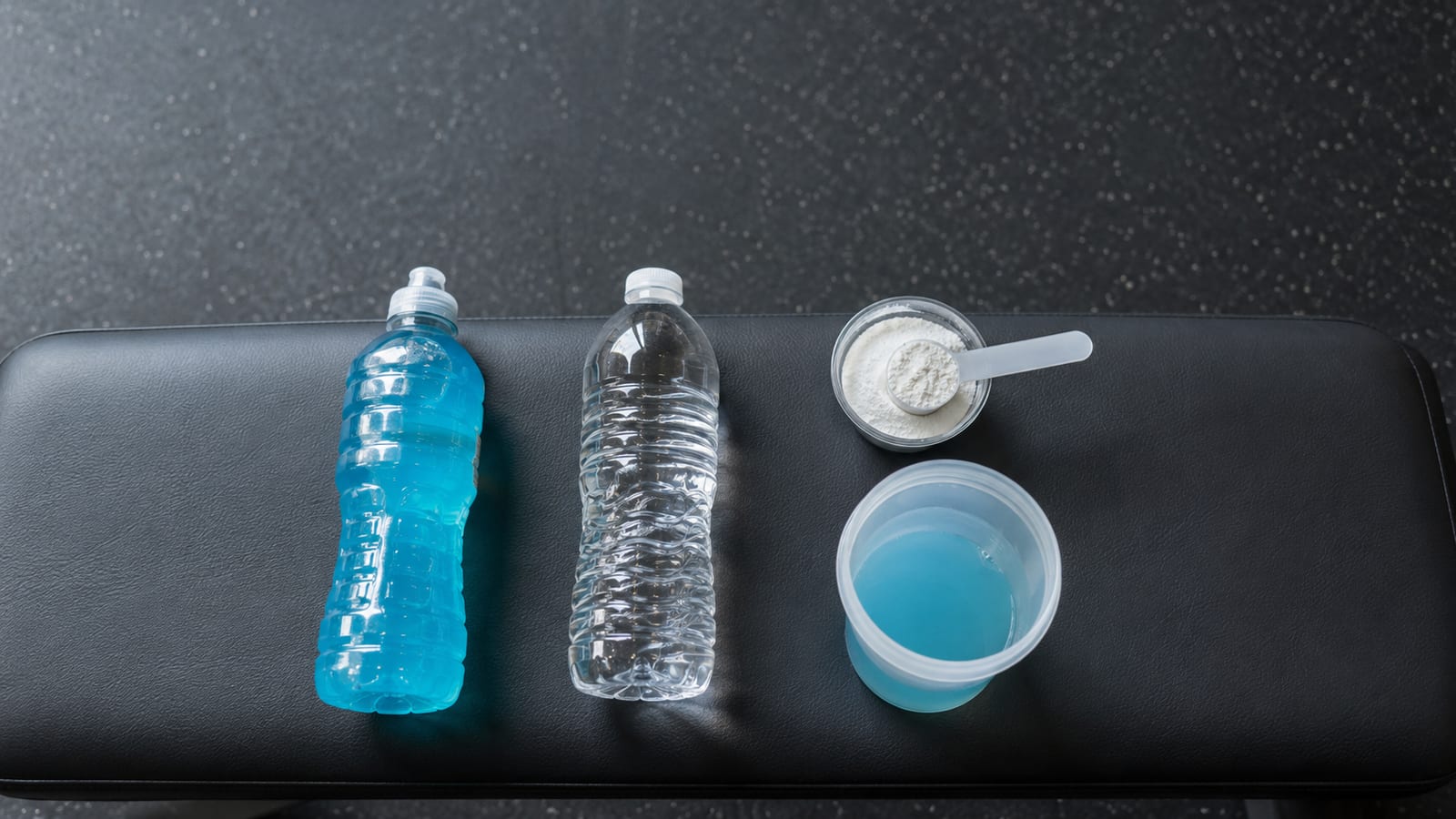
The table gives you the useful distinction between these products. Sodium and carbohydrate levels vary by flavor, serving size, and how much water you use, so check the current label before buying.
| Drink | Sodium approach | Carbohydrates | Format | Best fit | Our verdict |
|---|---|---|---|---|---|
| Precision Hydration PH 1000 | High sodium | Low to moderate | Powdered mix | Hot, long sessions and heavy sweaters | Best for athletes who lose a lot of salt |
| Skratch Labs Sport Hydration Drink Mix | Moderate sodium | Useful carbohydrate | Powdered mix | Regular endurance training | Best balanced everyday sports drink |
| LMNT Electrolyte Drink Mix | Very high sodium | Zero sugar | Single-serve powder | Heavy sweaters and low-carb athletes | Effective, but too salty for casual use |
| Liquid I.V. Hydration Multiplier | Substantial sodium | Substantial carbohydrate | Single-serve powder | Travel and convenient fueling | Handy, but sweet and costly for daily sipping |
| Nuun Sport | Light electrolyte blend | Low calorie | Tablet | Short or moderate training | Good for light hydration, weak for long fueling |
| Gatorade Thirst Quencher | Moderate sodium | Traditional carbohydrate drink | Ready-to-drink bottle or powder | Long training and team sports | Best budget and easy-to-find choice |
| Coca-Cola Powerade Ultra | Moderate electrolyte profile | Lower sugar than a full-strength sports drink | Ready-to-drink bottle | Moderate sessions | Reasonable, but not ideal for heavy sweaters |
| Tailwind Endurance Fuel | Electrolytes plus substantial carbohydrate | High fueling focus | Powdered mix or sachet | Several hours of endurance work | Best all-in-one endurance option |
| DripDrop ORS | Rehydration-focused sodium | Moderate carbohydrate | Powdered mix | Large fluid losses and post-illness recovery | Useful for a narrow job |
| Cure Hydration | Lower sodium | Modest carbohydrate | Powdered mix | Athletes avoiding artificial sweeteners | Pleasant everyday option, limited for hard heat |
Product awards need context. LMNT holding the number-one Amazon Best Sellers rank for its Raspberry Salt, 30-count product shows demand. It doesn’t prove that the formula suits your sweat rate, sport, or stomach.
Precision Hydration PH 1000
Precision Hydration PH 1000 is the strongest overall pick for heavy sweaters and hot, long sessions. Its high sodium content targets the main electrolyte loss without loading the drink with excessive sugar.
Choose it for long runs, summer cycling, outdoor tournaments, and athletes who finish with salt-stained clothing. It’s a poor default for an easy gym session unless you also sweat heavily.
The catch is simple: high sodium can taste aggressive. Start with the label’s suggested mix in practice, then adjust the concentration only if your gut and thirst support it.
Skratch Labs Sport Hydration Drink Mix
Skratch Labs Sport Hydration Drink Mix is the best balanced everyday sports drink for endurance athletes. It combines moderate sodium with useful carbohydrates, and its formula is generally easy to tolerate.
The bag provides 20 servings, with 22 grams per scoop serving. That makes it practical for regular training, especially when you want some fuel without turning every workout into a sugar-heavy event.
Choose Skratch for long practices, steady rides, and runs where water alone feels thin. For several hours of hard endurance work, you may need extra food or a stronger carbohydrate plan.
LMNT Electrolyte Drink Mix
LMNT Electrolyte Drink Mix is the best high-sodium, zero-sugar option for athletes who sweat heavily or train low-carb. Its sodium load can make sense during hot sessions when sweat losses are obvious.
It’s unnecessarily salty for casual workouts. It’s also expensive compared with simpler drink mixes, so the Amazon popularity rank shouldn’t make it your automatic choice.
Use LMNT when sodium is the specific problem. If you need training carbohydrates, add food or choose a drink that supplies them.
Liquid I.V. Hydration Multiplier
Liquid I.V. Hydration Multiplier is convenient when you want substantial sodium and carbohydrates in one stick. The single-serve format travels well and works for athletes who don’t have a kitchen or measuring scoop nearby.
Its sweetness is the main drawback. That taste can become tiring during long sessions, and the cost makes routine sipping hard to justify.
Choose it for travel, tournaments, or a day when you need quick mixing. For regular training, a bulk powder usually gives you more control over strength and cost.
Nuun Sport
Nuun Sport is the best light, low-calorie tablet for shorter or moderate sessions. Drop a tablet into your bottle when electrolytes matter more than fueling.
It cannot replace a carbohydrate drink during prolonged work. A tablet can help you drink more fluid, but it won’t cover the energy demand of a long ride or repeated games.
Nuun suits athletes who dislike sweet drinks and want a portable option for practice. Bring a separate carbohydrate snack when the session runs long.
Gatorade Thirst Quencher
Gatorade Thirst Quencher is the best budget and easy-to-find traditional sports drink. It provides practical carbohydrates and sodium for long training, games, and team settings.
The formula is relatively sugary. That can help during extended exercise, but it becomes unnecessary during a short workout or ordinary daily hydration.
Gatorade earns its place because you can find it at most grocery stores, gas stations, and athletic fields. Its biggest advantage is access, not a special ingredient story.
Coca-Cola Powerade Ultra
Coca-Cola Powerade Ultra is a reasonable lower-sugar mainstream choice for athletes who want electrolytes without a full-strength carbohydrate load. It works for moderate sessions where you want flavor and some electrolyte support.
Its sodium profile is less useful for the heaviest sweaters. You may finish a hot, long workout needing more sodium and carbohydrate than this bottle provides.
Choose it for shorter practices, casual team training, or athletes who find standard sports drinks too sweet. Pair it with food for a long session rather than expecting the bottle to cover everything.
Tailwind Endurance Fuel
Tailwind Endurance Fuel is the best all-in-one endurance mix for athletes who need substantial carbohydrates and electrolytes from one bottle over several hours. It reduces the number of separate products you need to pack.
The listed Tailwind Endurance Fuel six-pack costs $16.50. Another variety pack contains eight items, with the variety pack listed as 16 ounces.
Its ingredients include non-GMO dextrose, non-GMO cane sugar, citric acid, sodium citrate, sea salt, potassium chloride, and flavor. That list is direct and easy to understand, although the sweetness may not suit every stomach.
Choose Tailwind for ultra-distance training, long bike rides, and events where eating solid food becomes difficult. Skip it for easy workouts because the extra carbohydrate has no useful job there.
DripDrop ORS
DripDrop ORS is the best rehydration-focused option for unusually high fluid losses or post-illness recovery. Its clinical-style formula is more than most athletes need during ordinary training.
That distinction matters. A product designed around rehydration after major losses isn’t automatically the best drink for a normal practice.
Use it when illness, heat, or unusually heavy sweating creates a clear need for a stronger rehydration tool. For routine exercise, water or a lighter sports drink usually makes more sense.
Cure Hydration
Cure Hydration is the least artificial-tasting everyday electrolyte pick for athletes who dislike artificial sweeteners. Its flavor profile can make regular drinking easier during light training or busy days.
The lower sodium and modest carbohydrate content limit it during hard, sweaty sessions. It also won’t cover the carbohydrate needs of prolonged endurance work.
Choose Cure for light activity, travel, or athletes who want a simple flavored drink. Pick something stronger for competition in heat.
The best sports drinks for athletes by training demand
A single ranking hides the useful decision. These are the better choices by session.
- Short, easy workouts: Choose water. Nuun Sport or Cure Hydration can help if flavor encourages you to drink.
- Hard sessions under an hour: Use water or a light electrolyte drink. Add carbohydrates only if you trained without eating or have another session soon.
- Long endurance sessions: Choose Skratch Labs or Gatorade when you need moderate carbohydrate and sodium. Tailwind fits athletes who want both in one bottle.
- Hot sessions with heavy sweating: Choose Precision Hydration PH 1000 or LMNT. Pick LMNT only if you also have a plan for carbohydrate.
- Tournament days: Use a drink you’ve already tested, then add easy foods such as bananas, pretzels, bagels, or applesauce.
- Recovery after major fluid loss: DripDrop ORS may fit a narrow rehydration need. It isn’t a routine sports drink.
- Athletes who avoid artificial sweeteners: Try Cure Hydration or a traditional sugar-based drink. “Natural” still doesn’t guarantee good digestion.
For more detail on the water question, read Are Sports Drinks Really Better Than Water?. The answer changes with the session.
Sodium and electrolyte trade-offs matter more than marketing
Sodium helps your body hold fluid and supports normal nerve and muscle function. You lose sodium in sweat, but the amount varies widely between athletes.
Heavy sweaters may notice white salt marks on dark clothing, stinging eyes, or a strong salty taste on their skin. Those clues support testing a sodium-forward drink during long or hot training.
Still, you don’t need to chase the highest number on the shelf. Athletes who sweat lightly and train briefly may get enough sodium from meals.
Magnesium, potassium, and calcium appear in many formulas. They have real roles in the body, but a long ingredient list doesn’t make a drink better. In most training situations, sodium, fluid, and carbohydrate deserve the first look.
LMNT and Precision Hydration make the most sense when sodium loss is the problem. Nuun and Cure fit lighter needs. The right dose depends on your work and response, not the product’s wellness language.
Carbohydrates, sugar, and calories should follow session length
Hydration and fueling are related, but they aren’t the same job. Water replaces fluid. Electrolytes help replace minerals. Carbohydrates provide training energy.
For an easy session, a low-calorie drink may be enough. For long or repeated work, sugar can help you maintain pace and delay the empty feeling that arrives when stored carbohydrate runs low.
Use practical food alongside your bottle:
- Banana
- Pretzels
- Bagel
- Applesauce
- Jam sandwich
- Low-fiber cereal
- Sports chews
A drink with carbohydrates can be easier than chewing during a long run. However, too much sweetness may cause nausea, especially in heat or at high intensity.
If you’re aiming for approximately 30 to 60 grams of carbohydrate per hour during extended exercise, count the drink as part of the plan. Don’t add a full carbohydrate drink to several gels and snacks without checking the total.
Heat and heavy sweating change the recommendation
Heat raises the cost of a missed hydration plan. You may sweat more, lose more sodium, and struggle to eat normally while working hard.
Start with a drink you’ve tolerated in practice. For hot outdoor training, test Precision Hydration PH 1000 or another sodium-forward formula before competition.
Use these practical checks:
- Look for salt marks on clothing after training.
- Compare how thirsty you feel across similar sessions.
- Notice headaches, dizziness, unusual fatigue, or a dry mouth.
- Track whether stronger drinks cause bloating or nausea.
- Test the drink in the same heat and pace you expect on game day.
Don’t force large amounts of fluid. Drinking far beyond thirst can also create problems, especially during long events. If symptoms are severe, persistent, or unusual, speak with a qualified clinician.
See When Sodium Belongs in Your Sports Drink for a closer look at this trade-off.
Digestion and ingredient transparency are performance factors
A drink only helps if you can finish it. Sweeteners, acids, flavor systems, and concentration can all affect your gut during hard exercise.
Test one change at a time. Use a smaller serving first, then check your response during an easy practice before taking the product into competition.
Watch for:
- A drink that tastes too sweet after an hour
- Bloating when mixed too strongly
- Stomach cramps from excess concentration
- Artificial sweeteners that trigger symptoms
- Heavy flavor that makes you avoid drinking
- Ingredients you can’t identify from the label
Transparent ingredients don’t guarantee performance. Tailwind’s straightforward list is useful because you can see the carbohydrate and electrolyte sources. Cure may appeal to athletes who dislike artificial sweeteners, but its lower sodium limits its use in demanding heat.
“Clean” claims don’t replace a useful label. Your stomach cares about concentration, ingredients, and timing.
Powdered mixes versus ready-to-drink bottles
Powder wins for cost, portability, and control. You can pack several servings, adjust the strength, and mix a bottle at the field or trailhead.
Ready-to-drink bottles win for convenience. They’re useful when you forget to prepare, travel without supplies, or need something immediately after practice.
Use this simple comparison:
- Powder: Best for meal prep, regular training, and lower cost.
- Single-serve sticks: Best for travel and tournament bags.
- Tablets: Best for light flavor and low-calorie hydration.
- Bottles: Best for immediate access and team settings.
- Endurance mixes: Best when one bottle needs to supply both fuel and electrolytes.
Storage matters too. Keep powder dry and seal the package well. Mix only what you can carry and drink comfortably during the session.
The format you’ll actually pack beats the product you leave at home. That’s why a decent powder can outperform a stronger formula sitting in a cupboard.
Everyday hydration does not require a sports drink
Water is the default for normal daily hydration and most easy training. Regular meals usually provide the sodium and potassium you need outside demanding exercise.
Sports drinks earn their place when one or more demands rise:
- Training lasts a long time.
- The session is hard or repeated.
- Heat increases sweat losses.
- You sweat heavily.
- You need carbohydrates during exercise.
- Food and water alone are hard to manage.
Flavored water can help athletes who forget to drink plain water. Lemonade mixes can also make flavored water, but they aren’t automatically sports drinks.
A lemonade mix may provide flavor and sometimes sugar. It may not provide enough sodium or the right carbohydrate amount for long exercise. Check the label before using it for competition, then add a separate snack if the drink doesn’t cover your fueling needs.
For more options, Best Flavored Water Options for Athletes covers ways to make water easier to drink without pretending every flavored drink is sports fuel.
A simple hydration plan athletes can actually follow
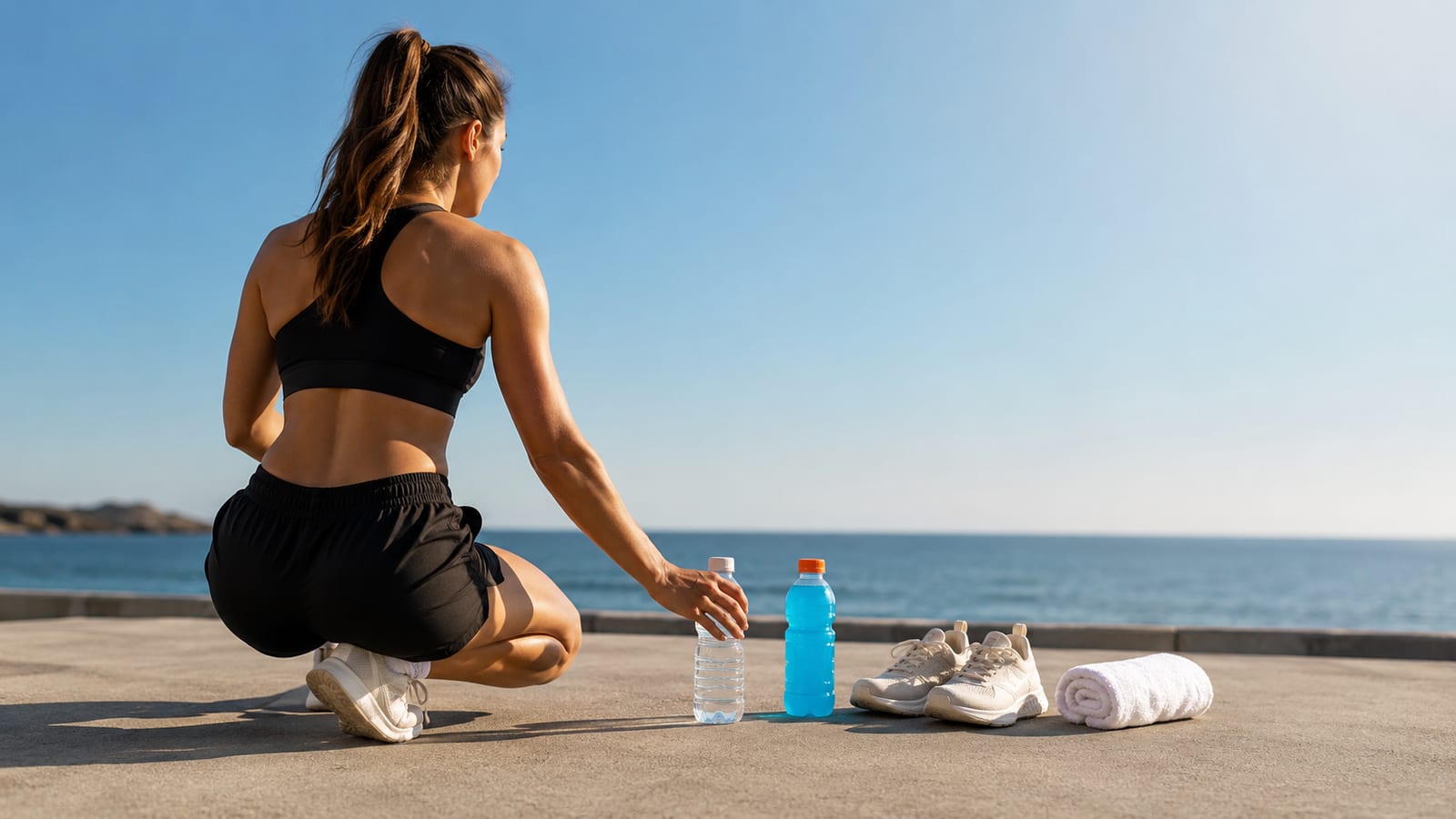
Keep the plan boring enough to repeat.
Before training
Drink water with your normal meal or snack. If you expect heat, heavy sweating, or a long session, prepare your electrolyte drink before leaving.
Eat carbohydrates before demanding work. A bagel, oatmeal, rice, fruit, or a sandwich can provide more useful fuel than an electrolyte drink alone.
During training
Use water for most short, easy sessions. Choose an electrolyte drink for longer work, heat, heavy sweating, or repeated games.
For extended exercise, work toward approximately 30 to 60 grams of carbohydrate per hour when your plan calls for it. Start with small, steady amounts instead of waiting until you feel empty.
After training
Eat a meal or snack with carbohydrates and protein. Drink steadily, especially after a hot session or a second workout later in the day.
Chocolate milk with a bagel, rice with eggs, yogurt with fruit, or a chicken burrito can cover recovery. A special recovery drink is optional if regular food is available.
Test before competition
Try the product during practice. Test the flavor, concentration, timing, and amount.
Don’t introduce a new high-sodium drink, sweetener, or endurance formula on game day. Your stomach should be part of the product review.
The final ranking
The top 10 best hydration drinks for athletes don’t have one universal winner. They have clear jobs.
- Best overall for heavy sweaters: Precision Hydration PH 1000
- Best balanced everyday sports drink: Skratch Labs Sport Hydration Drink Mix
- Best high-sodium, zero-sugar option: LMNT Electrolyte Drink Mix
- Best convenient stick: Liquid I.V. Hydration Multiplier
- Best light tablet: Nuun Sport
- Best budget choice: Gatorade Thirst Quencher
- Best lower-sugar mainstream option: Coca-Cola Powerade Ultra
- Best all-in-one endurance mix: Tailwind Endurance Fuel
- Best for major fluid losses: DripDrop ORS
- Best for athletes avoiding artificial sweeteners: Cure Hydration
For most athletes, the buying decision is smaller than the list suggests. Use water for easy work, a balanced carbohydrate-and-electrolyte drink for long training, and a sodium-forward formula when heat and sweat make fluid replacement harder.
FAQ
Can I use an electrolyte drink every day?
You can, but you usually don’t need one every day. Water and normal meals cover most daily hydration unless you’re sweating heavily, training for long periods, or struggling to eat and drink enough.
Are zero-sugar electrolyte drinks useful during long workouts?
They can replace fluid and sodium, but they don’t provide carbohydrate fuel. During long exercise, pair a zero-sugar drink with foods or another carbohydrate source.
Can lemonade mix replace a sports drink?
Lemonade mix can flavor water and may provide carbohydrate. However, it may contain little sodium, so it may fall short during long, hot, sweaty training.
Should young athletes use high-sodium hydration drinks?
Young athletes usually need regular meals, snacks, and water first. A stronger electrolyte drink may have a place during long events or extreme heat, but parents should avoid treating supplements as a substitute for enough food and rest.
How do I know if a hydration drink is too concentrated?
Bloating, nausea, stomach cramps, or a drink that feels heavy are useful warning signs. Mix it according to the label first, test it in practice, and use a weaker or different option if your gut keeps objecting.