

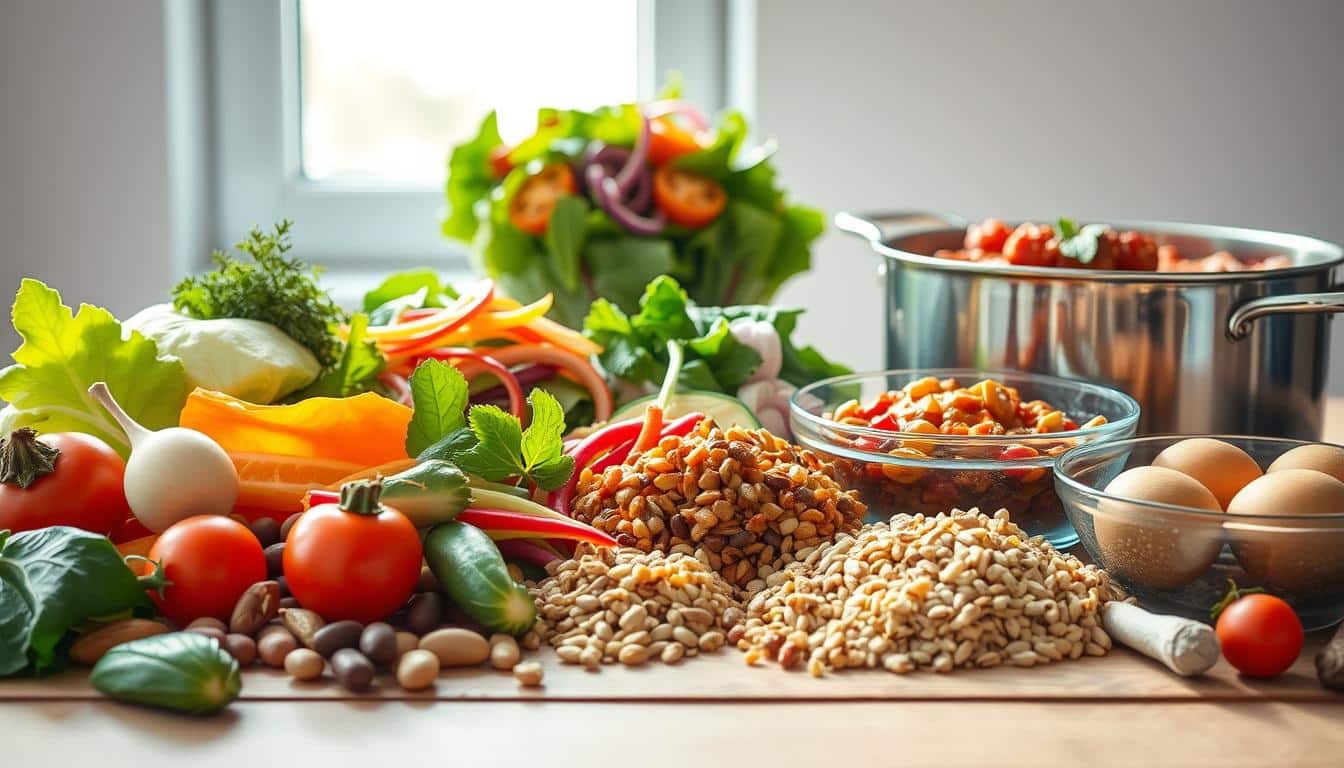
I created a clear soy free vegan athlete meal plan that helps you fuel hard training and recover faster without complicated recipes.
Count on simple, nutrient-dense foods—beans, quinoa, nuts, seeds, veggies, and fruit—to meet your protein and carb needs. You’ll build steady energy, support recovery, and manage hydration with practical tips on water and electrolytes. This guide shows easy swaps and grocery staples like almond butter, oats, and seeds so you can eat well on busy days.
Follow realistic steps to set a schedule that fits goals and budget, and check links like complete vegetarian meal plans for recipes and scaling ideas. You’ll leave with a usable roadmap that keeps soy out while keeping performance in.
What “soy-free vegan” means for athlete meal planning
A soy-free vegan approach centers on whole, simple foods that support training and recovery. You build plates from beans, lentils, peas, whole grains, nuts, seeds, vegetables, fruit, and olive oil. Carbs come from unprocessed plants for steady energy.
Foods to include and why:
- Legumes like lentils and chickpeas for protein and iron.
- Whole grains such as quinoa and brown rice for lasting carbs.
- Nuts, seeds, avocado, and olive oil for healthy fats and vitamin absorption.
- Fresh produce for hydration and electrolytes between sessions.
Foods to avoid:
- Tofu, tempeh, edamame, soy milk, and soy protein isolates.
- Packaged items that list soy lecithin or textured vegetable protein.
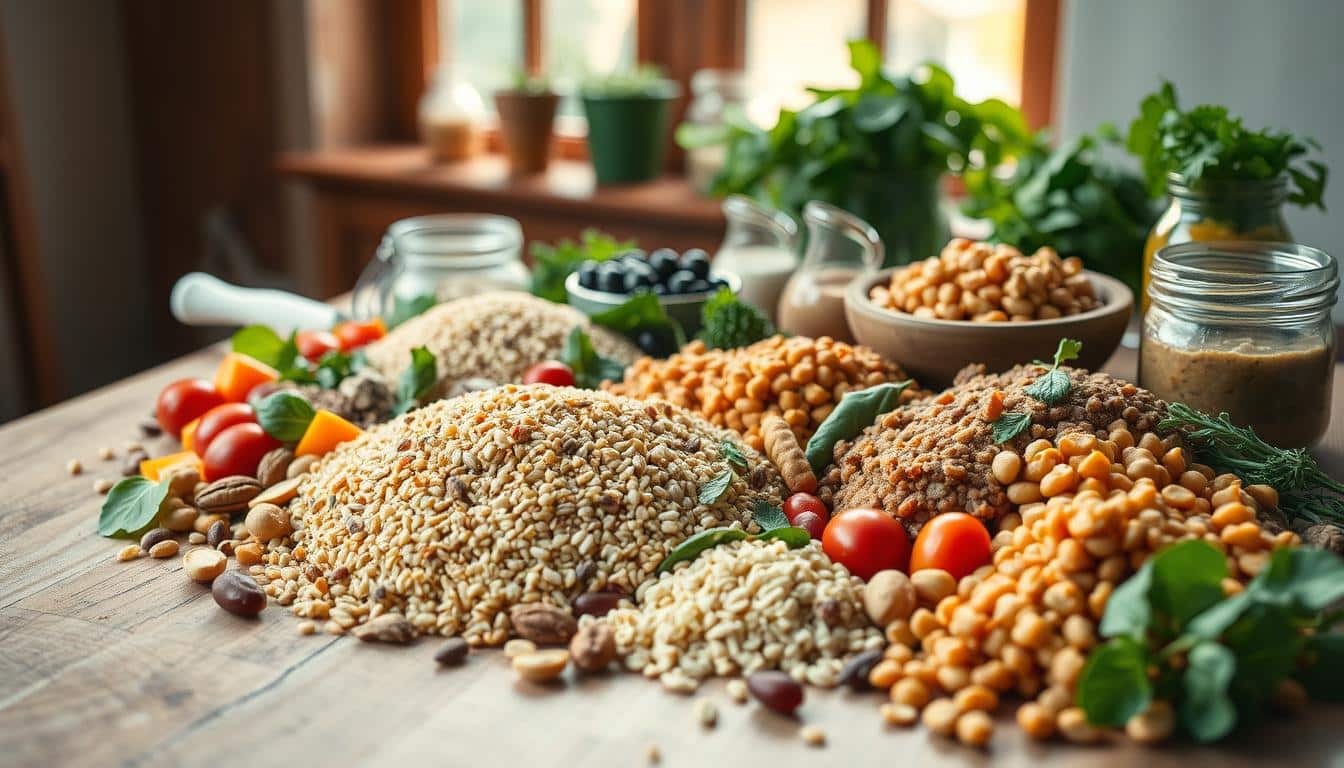
Keep a short grocery list. Make quick salads with greens, beans, seeds, and olive oil. Snack on fruit plus nuts or seeds to stay fueled without soy.
Performance nutrition basics for vegan athletes
Prioritizing the right carbs, proteins, and salts keeps training consistent and progress steady.
Macronutrient targets for training days
Carbohydrates are the main fuel for performance and endurance. Aim for about 60% carbs, 20% protein, and 20% fat on high-volume days, then adjust to your weight and pace.
Hit protein at each meal to support muscle repair and adaptation. Include a source of plant-based protein with every serving.
Micronutrients that matter
- Iron: Eat beans and leafy greens. Pair with vitamin C like citrus or bell pepper to boost absorption.
- Vitamin B12: Take a reliable supplement—plant foods don’t provide enough.
- Calcium & Vitamin D: Use fortified non-soy milks, light-exposed mushrooms, or supplements for bone support.
- Magnesium & Potassium: Found in nuts, seeds, bananas, and greens. They help muscles and reduce cramp risk.
Hydration and electrolytes for workouts and heat
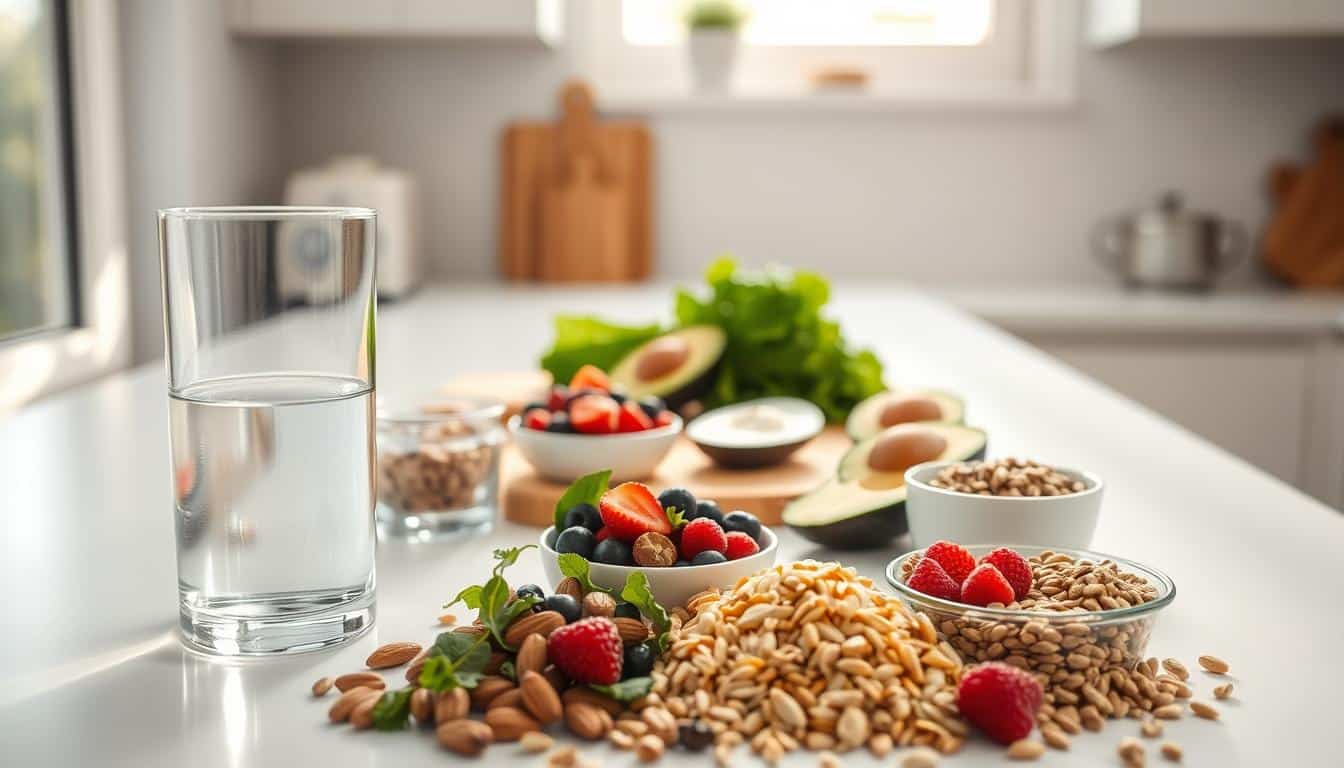
Drink water before, during, and after sessions. Monitor morning weight, urine color, and thirst to check status.
Add salty foods or electrolyte tablets during long sessions to replace sodium and maintain fluid balance. Adapt your meal plan across the season to match training load and recovery goals.
For a sport-specific training day guide, see this short training day meal guide.
High-protein soy-free plant-based protein options
Choose accessible plant proteins that help you recover faster and build muscle without fuss. I prefer foods you can buy anywhere and prep in batches. That keeps nutrition simple on busy training days for athletes.
Legumes and grains
Use lentils, chickpeas, and black beans as your core protein. Pair beans with quinoa or brown rice to improve the amino acid mix.
Quick idea: make a big pot of lentils and quinoa on Sunday for bowls all week.
Seeds and nuts
Add hemp seeds, chia, pumpkin seeds, and almonds to boost protein and minerals. Spoon almond butter into oats or on toast for fast calories and recovery.
Protein powder picks
Pick hemp or pea protein or a blended plant-based protein powder for shakes after hard sessions. Aim for 20–40 grams of protein per meal to support muscle repair.
- Rotate recipes like quinoa-chickpea bowls, black bean chili, and lentil tacos to stay interested.
- Prep beans and whole grains in bulk to save time.
- Avoid tempeh and other soy products and still hit targets with legumes, seeds, and powders.
- Keep simple add-ins—salsa, herbs, olive oil—to boost flavor quickly.
Carbohydrates for energy and recovery
Think of carbs as scheduled energy—stack them early and around workouts to stay strong all day. I keep guidance simple so you can act fast. Use whole, unprocessed sources first.
Whole grains and starches
Base your training fuel on oats, sweet potatoes, whole-grain pasta, and brown rice. Cook big batches on Sunday. Portion them into bowls for quick meals.
Place most carbs earlier in the day or around sessions. That matches energy need and speeds recovery.
Fruit and quick carbs
Use bananas or dates 30–60 minutes before hard efforts for fast energy. Blend frozen berries into smoothies after sessions to add carbs and antioxidants.
If you need a rapid refill after intervals, mix fruit juice into a recovery shake. Keep water at hand with meals so high-fiber carbs digest well.
- Toss leftover grains with beans and vegetables into a warm salad for a quick post-workout meal.
- Track how you feel on long training days and tweak portions to keep energy steady.
- Keep portable carb snacks in your bag for busy days—no tempeh or extra soy required to recover when carbs and protein pair well.
Fats that support training and hormone health
Healthy fats play a quiet but vital role in training, recovery, and long-term hormone balance.
Include omega-3 rich options like flaxseeds, chia seeds, and walnuts to help manage inflammation and speed recovery. Sprinkle them on oats, bowls, or smoothies for an easy boost.
Use avocado, olive oil, and nut butter as everyday fats. These foods support vitamin absorption, joint health, and steady energy between sessions.
Simple habits that work
- Add flax or chia to a carb-plus-protein snack to support recovery and fullness.
- Dress vegetables and grains with a drizzle of olive oil to aid fat-soluble vitamin uptake.
- Put avocado or a spoonful of nut butter on toast or rice to stay satisfied longer.
- Space heavier fats away from intense pre-workout meals to avoid stomach upset.
- Keep a small bottle of olive oil and a jar of nut butter at work for quick upgrades.
- Drink water with higher-fiber fat-rich foods so digestion stays comfortable.
- Track how your body responds and adjust portions to meet macros and calories.
- Choose seed- and nut-based spreads instead of soy dressings to keep soy out of your recipes.
Consistency matters: steady intake of these fats helps hormones and recovery during heavy training. Make small swaps now and you’ll notice better recovery and more stable energy.
Daily meal timing for peak performance
Timing your food well each day gives you predictable energy and faster recovery after hard sessions. Use a simple rhythm: small snack before, full refuel after, steady meals and snacks throughout day.
Pre-workout: light carbs with a bit of protein
Eat 30–90 minutes before training. Aim for 150–250 calories. Try a banana plus one scoop of pea protein in water. Or two dates and a tablespoon of almond butter.
Post-workout recovery: carbs + plant protein within 60 minutes
Target a 3:1 carb-to-protein ratio within an hour. Example: 1 cup cooked rice and 3/4 cup lentils, or a shake with 30–40 g protein and a cup of fruit. This helps refill glycogen and start muscle repair.
Meals and snacks to support muscle and energy
Build three anchors: breakfast, lunch, and dinner. Stack snacks around sessions. Carry bars, dates, or a shake for tight schedules.
- Sip water before, during, and after training; add electrolytes for long or hot sessions.
- Scale evening portions if you train at night; keep fats lighter before work outs.
- Keep soy out of timing snacks by choosing nuts, seeds, fruit, and pea or hemp protein.
Sample soy free vegan athlete meal plan: one training day
This one-day sample shows exactly what to eat around training so you stay energized and recover well.
Breakfast
Cook 1 cup oats with water. Stir in 1 tbsp chia seeds, 1 tbsp almond butter, and 1/2 cup frozen berries. This gives carbs, seeds, and healthy fat to start the day.
Mid-morning
Blend a smoothie with one banana, a handful of greens, and one scoop plant-based protein powder with water. Drink within 60 minutes after hard sessions for fast recovery.
Lunch
Make a quinoa, black bean, and leafy greens salad. Dress with 1 tbsp olive oil, lemon, and herbs. Portion: 1–1.5 cups quinoa, 1 cup beans, generous greens.
Afternoon & Dinner
Snack on two dates with 1 tbsp nut butter or a small trail mix before a second session.
For dinner, plate 1–1.5 cups brown rice with 1 cup chickpeas, roasted vegetables, and half an avocado. Add salt and citrus to taste.
- Evening: add a fruit cup or coconut yogurt if you need extra calories.
- Hydration: drink water with every meal and use an electrolyte tablet after long workouts.
- Prep tip: batch-cook beans and grains on Sunday so these meals take 10–15 minutes to assemble.
- Swap: add extra beans or a second scoop of protein powder to raise protein for heavier training days.
Seven-day soy-free vegan meal plans for different goals
Follow a seven-day outline that adjusts carbs, protein, and fats to fit your training block. Pick the week that matches what you’re chasing: endurance, strength, recovery, or a high-calorie push.
Endurance focus
What it does: raises whole grains and legumes across days to keep glycogen topped up.
- Use brown rice, oats, and beans at most meals.
- Drink water and use electrolytes during long sessions.
- Add quick carbs around long efforts.
Build muscle
What it does: boosts daily protein with beans, lentils, seeds, and plant-based protein shakes.
- Aim for 20–40 grams of protein per meal and a shake after lifting.
- Rotate high protein foods to hit targets without soy products.
Anti-inflammatory week
Load leafy greens, berries, olive oil, and turmeric ginger at most meals. Keep processed items low and use spices for flavor and recovery.
High-calorie week
Eat frequent meals and add nuts, seeds, whole grains, and energy-dense snacks. Carry bars and trail mix so calories stay steady on busy days.
Choose the plan that matches your training block, whether you’re chasing endurance, trying to build muscle, or aiming for faster recovery. Review portions each week and tweak as needed.
Shopping list and meal planning tips
Stocking the right staples makes eating well with a busy training schedule easy and stress-free.
Pantry and fridge basics
- Beans, lentils, and chickpeas — canned and dried for speed and savings.
- Oats, brown rice, quinoa and other whole grains for quick bowls.
- Nuts, seeds, and nut butter for portable calories and added protein.
- Olive oil, spices, vinegar, and citrus for flavor without pre-made sauces.
Produce staples to buy each week
- Leafy greens, sweet potatoes, bananas, and frozen berries for steady carbs and vitamins.
- Onions and mixed vegetables for easy roasting or stir-ins.
- Keep a visible water bottle and electrolyte tablets for long sessions.
Quick prep steps you can check off
- Block 60 minutes for shopping and one 90-minute cook session on the weekend.
- Batch-cook grains and beans into containers for 4–6 days.
- Portion snacks: trail mix, nut butter packets, and fruit in single-serve bags.
- Write a simple vegan meal plan for breakfast, lunch, and dinner with two backups.
- Read labels to avoid hidden soy and choose dressings made from olive oil and herbs.
Tip:Rotate plans every two weeks to keep variety and hit targets without boredom.
| Item | Buy (store example) | Prep step | Use |
|---|---|---|---|
| Beans | Canned black beans, dry lentils | Rinse canned or cook 2 cups dry, portion | Bowls, chili, salads |
| Whole grains | Bob’s Red Mill oats, quinoa | Batch cook 6 cups, fridge or freezer | Breakfast, sides, bowls |
| Seeds & nuts | Raw almonds, hemp, chia, pumpkin seeds | Make snack packs, add to oats | Smoothies, snacks, topping |
| Produce | Fresh greens, sweet potatoes, frozen berries | Wash greens, roast sweet potatoes | Salads, sides, recovery shakes |
Supplements, hydration, and troubleshooting
Pair targeted supplements with a measurable hydration routine to support endurance and strength.
Key supplements
Vitamin B12: take a reliable B12 supplement year-round to protect energy and nerve health.
Vitamin D & calcium: check levels with your doctor and supplement if needed for bone support.
Iron: monitor status. Eat iron-rich beans and greens with vitamin C to boost absorption. Consider supplements if tests show deficiency.
Iodine: discuss with your clinician, especially during heavy training blocks.
Hydration plan
Drink water regularly. Carry a marked bottle and refill it throughout day to track intake.
After long or hot sessions, add electrolyte options to replace sodium, potassium, and magnesium. That protects endurance and power.
Common issues and fixes
- Low energy: add more carbs around hard sessions and an extra shake to support muscle repair.
- Recovery stalls: increase protein at meals and try an evening protein shake for overnight repair.
- Stomach upset: space high-fiber foods and fats away from pre-workout snacks.
- Hidden soy: read labels to avoid soy in bars and sauces if you want strict avoidance.
Conclusion
Build a repeating roster of grains, beans, seeds, and greens to remove decision fatigue. Pick a few favorite recipes and use them across days so cooking stays easy. Repeat breakfasts like oats with almond butter or a smoothie with protein powder for fast starts.
Choose lunch bowls and salad options that stack leafy greens, grains, and legumes. Set dinner plates with roasted vegetables, legumes, and whole grains to support sleep and recovery. Raise protein on lift days with an extra shake or more beans to help build muscle.
Flavor food with turmeric ginger, citrus, and herbs. Carry water and a snack so you’re ready whether you’re at work, school, or the gym. Check labels to skip tempeh and soy isolates, and lean on nut butter and seeds for flexible, high-protein options.