

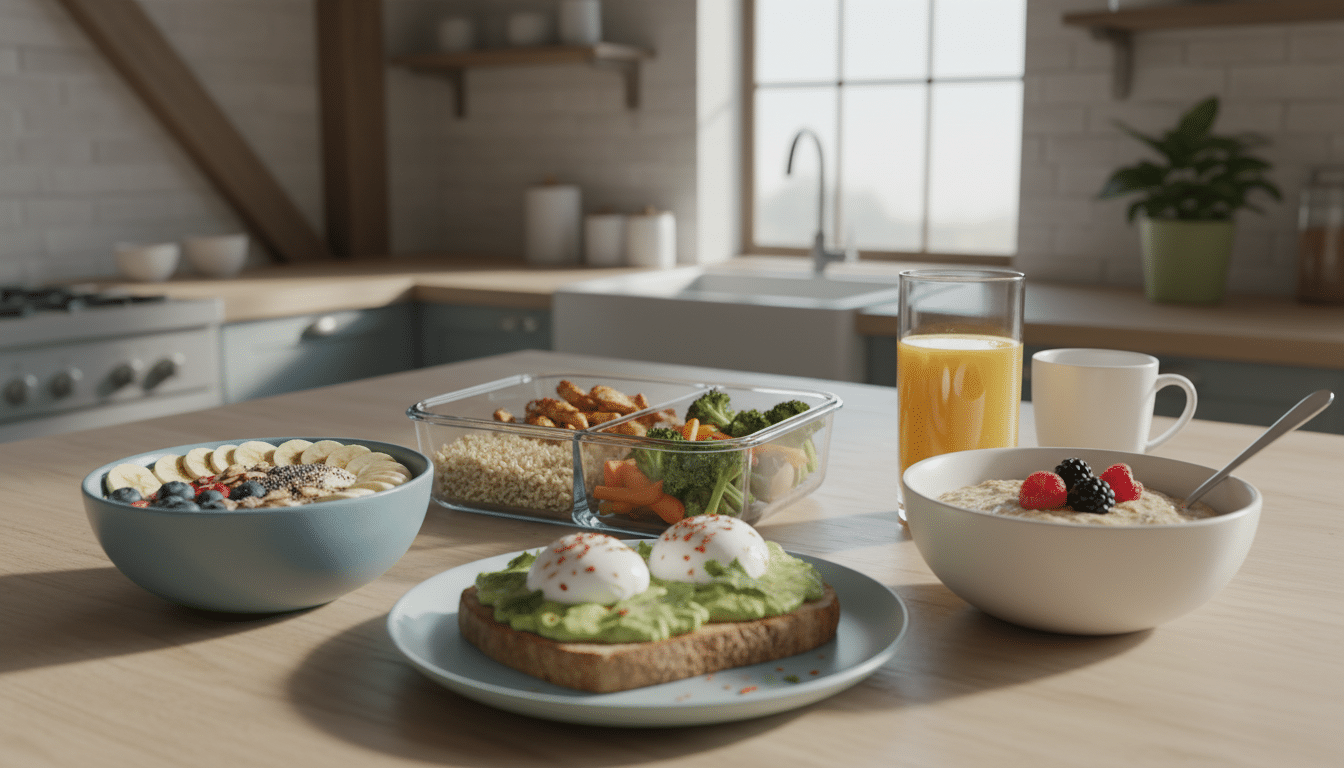
Pre workout meals for early games can be the difference between dragging through warmups and feeling ready at kickoff.
You’ll focus on simple carbs to top up glycogen, a bit of protein to protect muscle, and steady fluids to keep you sharp.
When you wake and head straight to a match, energy is your priority. Aim to show up fueled, not full, so your stomach stays calm during drills and play.
We’ll share rules that fit busy mornings and travel. They use real breakfast foods from any US grocery store, so you can eat with confidence.
Quick wins: match what you eat to your warmup time, pick easy-to-digest carbs, sip water or a light sports drink, and keep portions flexible if nerves or buses cut into your plan.
How early game timing changes your pre-workout meal
Morning starts change what you eat because your body has fasted overnight.
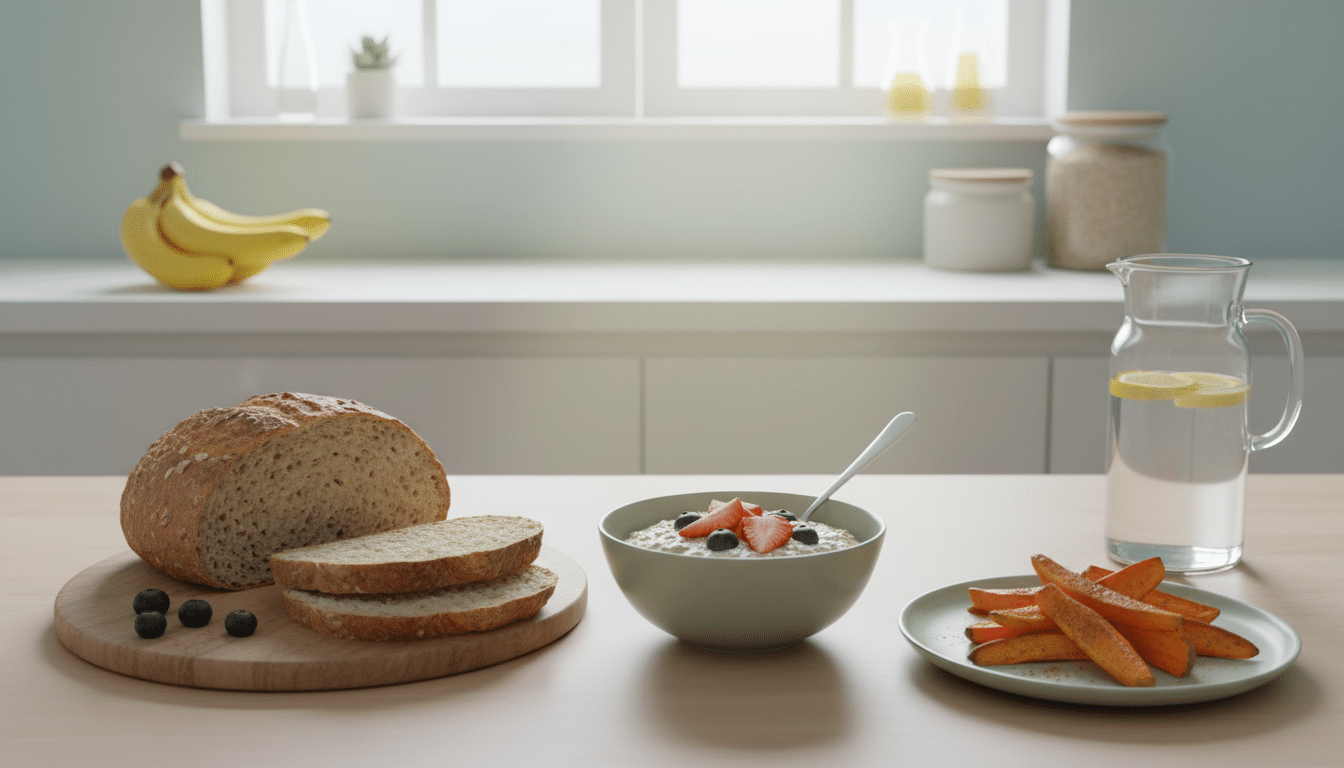
Make carbohydrates the main fuel. Choose simple carbs that digest quickly. Glucose from carbs powers muscle contraction during play.
Use carbs as your main fuel
Carbs give fast energy when you have little time. Aim for a light portion that converts to glucose without weighing you down.
Add enough protein
Include a modest amount of protein to help repair fibers and blunt muscle breakdown. Think 10–20 grams so you support recovery without feeling heavy.
Limit fat and excess fiber
Keep fat low. Fat digests slowly and can feel heavy during play.
Limit high-fiber foods close to start time. Too much fiber can cause gas, bloating, or nausea and distract you on the field.
- Easy combos: toast + Greek yogurt, banana + small peanut butter smear, or a smoothie with fruit and whey.
- For a quick guide to timing and choices, see the best pre-game plan.
Pick your eating window based on start time
Choose a window that fits your arrival, travel, and warmup. That keeps fuel reliable and your stomach calm. Below is a simple timing map to pick the right option fast.
Three to four hours before
This is the best time for a full pre-workout meal. Aim for complex carbs, steady protein, and low fat.
Examples: a bowl of oatmeal with a banana, eggs and toast, or chicken with rice. These give long-lasting energy and time to digest.
One to three hours before
Scale down portion size. Choose easy-to-digest carbs and moderate protein.
Good choices: toast with peanut butter or a small bowl of oats and fruit. These keep energy steady without weighing you down.
Thirty to sixty minutes before
Keep it light and carb-focused to lower digestion risk.
A banana, an energy bar, or a small white toast slice works well. This last-hour snack helps prevent hunger dips during warmups and travel.
- When plans shift: pick the closest window and reduce portion size.
- Nerves and appetite: if you’re not hungry, try a liquid option or a small carb snack to get calories in.
- Need examples and timing tips? See this quick guide on what to eat: what to eat before a basketball.
Pre workout meals for early games that work for most athletes
Choose compact, reliable breakfasts that keep energy steady and let you move with confidence.
Below are easy options using common foods. Each one fits a typical morning window and travels well.
Oatmeal with banana
Oatmeal gives steady carbs that digest well. A sliced banana adds quick glucose and potassium to support muscles.
Toast with peanut butter
White or light-grain toast is fast to digest. A thin smear of peanut butter gives some protein without too much fat.
Eggs and toast
Two eggs with toast balance protein and carbs. This works when you have more time to digest before kickoff.
Chicken and rice
When you can eat earlier, grilled chicken with plain rice supplies longer-lasting energy and lean protein for strength sessions.
Smoothie with fruit and Greek yogurt
A blended smoothie is ideal if chewing feels hard or nerves kill your appetite. Add Greek yogurt or protein powder to boost recovery.
- Quick add-ons: honey, jam, or a small yogurt that won’t upset your stomach.
- Examples for 1–3 hours: oatmeal + banana, or toast + peanut butter.
- Strength options: Greek yogurt with berries, eggs + toast, or chicken + rice.
| Option | Main benefit | Protein (approx.) | When to eat |
|---|---|---|---|
| Oatmeal + banana | Steady carbs, easy digestion | 6–8 g | 1–3 hours |
| Toast + peanut butter | Quick carbs + light protein | 6–10 g | 30–90 minutes |
| Eggs + toast | Balanced protein and carbs | 12–18 g | 1.5–3 hours |
| Chicken + rice | Longer-lasting energy, lean protein | 20–30 g | 3–4 hours |
How to build your plate: carbs, protein, and portions
Pick the right mix so your body has steady fuel. Start with a simple, repeatable plate you can trust every game day.
Choose simple carbs closer to start time
Simple carbohydrates work best 30–60 minutes before activity. Think fruit, white toast, or a small sports drink. These give fast glucose without heavy digestion.
Choose complex carbs earlier for sustained fuel
Eat oats, wholegrain bread, or brown rice 2–3 hours before. These complex carbs release energy slowly and keep you powered longer.
Aim for a practical protein amount that fits your stomach
Keep protein modest. Aim for about 10–20 grams depending on your size. Too much protein can sit heavy. Pick Greek yogurt, an egg, or a small chicken portion.
- Repeatable plate: 1 palm-sized carb + 1 thumb-sized protein, adjust by body size.
- Move toward simpler carbs as kick-off nears.
- Choose consistent quality and avoid new foods on game morning.
| When | Main pick | Protein amount |
|---|---|---|
| 30–60 min | Banana or toast | 5–10 g |
| 2–3 hours | Oats or brown rice | 10–20 g |
| 3–4 hours | Rice + lean protein | 20–30 g |
Game-day snacks for the final hour
If you only have minutes left, grab snacks that digest easily and keep you steady on the field.
Banana: quick carbs and potassium
Banana gives fast carbohydrates and potassium in one easy bite. It’s gentle on the stomach and works well 30–60 minutes out.
Eat the whole banana or half now and half later if nerves dull your appetite.
Energy bar or protein bar on the go
An energy bar is handy when you need something portable. Pick one that emphasizes carbs with moderate protein.
A protein bar makes sense when you won’t eat again for a while. Check labels and avoid very high fiber bars close to start time.
Apple wedges with peanut butter
Apple wedges plus a thin spread of peanut butter feel light and satisfying. They add simple fruit carbs and a touch of protein without heaviness.
Pack snacks the night before so you don’t skip fuel during early travel.
- Quick rules: choose easy-to-digest carbs, keep portions small, and split servings if needed.
- Label tip: avoid bars with lots of fiber or heavy fats in the final hour.
| Snack | Best use | Portion cue |
|---|---|---|
| Banana | Fast carbs, potassium | 1 whole or half now/half later |
| Energy or protein bar | Portable energy; protein if long gap | 1 bar, check fiber |
| Apple + peanut | Light, satisfying fruit and protein | 3–4 wedges with 1 tbsp peanut spread |
Hydration and sports drink timing for early starts
Being slightly dehydrated at wake-up means you should begin with steady sipping, not a big gulp. Drink water soon after you get up. That supports muscle function and keeps focus during warmups.
Drink water before warmups and sip as needed
Start with 8–12 oz of water when you wake. Sip another 6–8 oz during travel or at check-in. Small sips beat chugging; they settle the stomach and hydrate steadily.
Use a sports drink when sweat losses are high
Pick a sports drink in hot weather, long sessions, or when you will sweat a lot. It replaces electrolytes and adds carbs that help during intense activity. Use it sparingly otherwise.
Plan a pre-start drink when you can’t eat enough solid food
If solids won’t go down, sip a sports drink about 30 minutes before start time. That gives some carbs and fluid without filling you. Practice this in training, not on game day.
- Bottle-and-sip plan: one bottle for water, one small bottle with a sports drink option.
- Match your drink choice to session length and sweat risk.
- Check how your stomach reacts during practice and adjust timing.
| When | Action | Why it helps |
|---|---|---|
| On waking | 8–12 oz water | Restores overnight fluid loss |
| 30 minutes before | Small sports drink sip | Provides carbs + electrolytes if you can’t eat |
| During long or hot sessions | Regular water + periodic sports drink | Replaces sweat losses and sustains energy |
Foods to avoid before early games if you want a calm stomach
What you skip can matter as much as what you eat when you need a quiet stomach at kickoff. A calm stomach keeps you focused and lets you give full effort instead of dealing with discomfort.
Skip heavy fats and greasy items
Avoid fried items, bacon, sausage, and big patties. These high-fat choices sit heavy and slow digestion.
Watch hidden fat too: extra butter on toast or dishes with heavy cream sauces can surprise you. Those fats delay emptying and can make you feel sluggish.
Limit high-fiber triggers
Fiber is great most days, but close to start time it can cause gas or bloating. That distracts you during warmups and play.
Cut back on beans and cruciferous vegetables like broccoli, cauliflower, Brussels sprouts, and cabbage if you eat in the final hours.
Be careful with cereals, nuts, and seeds
Some high-fiber cereals and large add-ins of nuts or seeds can trigger issues. If time is tight, pick plain toast or a banana instead of a rough cereal bowl.
- Simple swap: toast with a thin smear of butter or honey instead of a high-fiber cereal.
- Make a safe list: note 4–6 trusted foods that settle your stomach on game morning.
Adjust for your sport and session type
Think about the session type first, then pick foods that support energy, strength, or calm digestion.
Endurance sports like running and cycling need more carbs
Endurance efforts need steady carbs to delay fatigue. Choose low-fat, low-fiber options before long runs or cycling so your stomach stays settled.
Examples: white bread with honey, a banana, or a plain bagel before a long ride. These give quick fuel without heaviness.
Strength-focused sessions need carbs plus protein
Strength training benefits from both carbs and protein to power lifts and help recovery. Keep portions moderate so you feel strong, not stuffed.
Examples: eggs and toast, Greek yogurt with berries, or chicken and rice about 1.5–3 hours out.
Light sessions benefit from smaller snacks and comfort-first choices
For easy sessions like mobility, yoga, or short drills, choose small snacks that feel comfortable. Comfort beats maximal fuel here.
If you’re doing intervals, eat more carbs than you would before yoga. Test these options in training so game day is predictable.
| Sport type | Primary focus | Carbs / Protein | Practical example |
|---|---|---|---|
| Running / Cycling | Sustain energy | Higher carbs, low fat | Bagel or banana |
| Strength training | Power + repair | Carbs + moderate protein | Eggs & toast, yogurt + fruit |
| Light session | Comfort & movement | Small snack, light carbs | Half banana or toast |
Sample early game meal plans you can copy
Use these copy-and-paste plans. They fit common arrival windows and keep digestion simple. Pick the one that matches your time and comfort.
If you can eat three to four hours before
Main plan: grilled chicken, plain rice, and a small banana.
- Swap 1: baked turkey + white potato.
- Swap 2: oats + egg whites.
If you can only eat one to three hours before
Main plan: bowl of oatmeal with banana or eggs and toast.
- Swap 1: Greek yogurt + berries.
- Swap 2: toast + thin peanut butter smear.
If you only have thirty to sixty minutes
Main plan: one banana or a low-fiber energy bar. Keep portions small.
- Swap 1: half a bagel.
- Swap 2: plain toast slice.
If you have an 8 a.m. start
Wake early and eat light around 6:00–6:30 a.m. Try toast with honey or a small yogurt. Reduce calories versus a full meal.
If solids feel tough, sip a small sports drink about 30 minutes before start time to add quick carbs and fluid.
| Window | Example | Two swaps |
|---|---|---|
| 3–4 hours | Chicken + rice + banana | Turkey/potato, oats/egg whites |
| 1–3 hours | Oatmeal + banana | Yogurt/berries, toast + peanut |
| 30–60 minutes | Banana or energy bar | Half bagel, plain toast |
Quick reminder: keep fat and fiber low close to start time. That helps comfort and steady energy during warmups and play.
Recovery after the game: what to eat and drink
Your body begins repair right away — give it a clear signal with carbs and protein within about 60–90 minutes.
Refuel with carbs and protein to support recovery
Carbs replace spent energy and protein helps rebuild muscle. Aim for a 3:1 or 4:1 carb-to-protein ratio when you can.
Practical picks: chocolate milk, yogurt with fruit, or a turkey sandwich. These are easy to pack and effective.
Hydrate with water or a lower-sugar sports drink when appetite is low
Start with water if you feel normal. If you can’t eat, sip a low-sugar sports drink to add electrolytes and some carbs without overfilling your stomach.
Easy recovery options you can use right away
- Chocolate milk: carbs + protein and simple to drink.
- Smoothie: banana, berries, and protein powder — great when solids won’t sit well.
- Greek yogurt with honey and a small fruit.
Build a simple post-game default to stash in a cooler or bag: one drink option, one solid option, and a plan to eat a normal meal later. This helps your recovery and gets you ready for the next workout.
| Step | Action | Why it helps |
|---|---|---|
| 0–90 min | Carbs + protein snack | Refuels muscle and starts repair |
| If not hungry | Water + low-sugar sports drink | Rehydrates and replaces electrolytes |
| Later | Balanced meal | Completes daily nutrition |
Conclusion
A clear eating plan removes guesswork and keeps your body ready in the first hour. Match your pre-workout choices to arrival and warmup time so you feel fueled, not full.
Practice these options during training so the same snacks and a simple meal work on game morning. Keep a short list of safe foods that settle your stomach.
Use the one-hour and minutes windows to pick a snack or a fuller option. Emphasize carbs, include modest protein, and keep fat and fiber lower near start time.
Plan the night before and tweak amounts by exercise intensity and sport. If stomach issues persist, ask a registered dietitian for tailored guidance.