

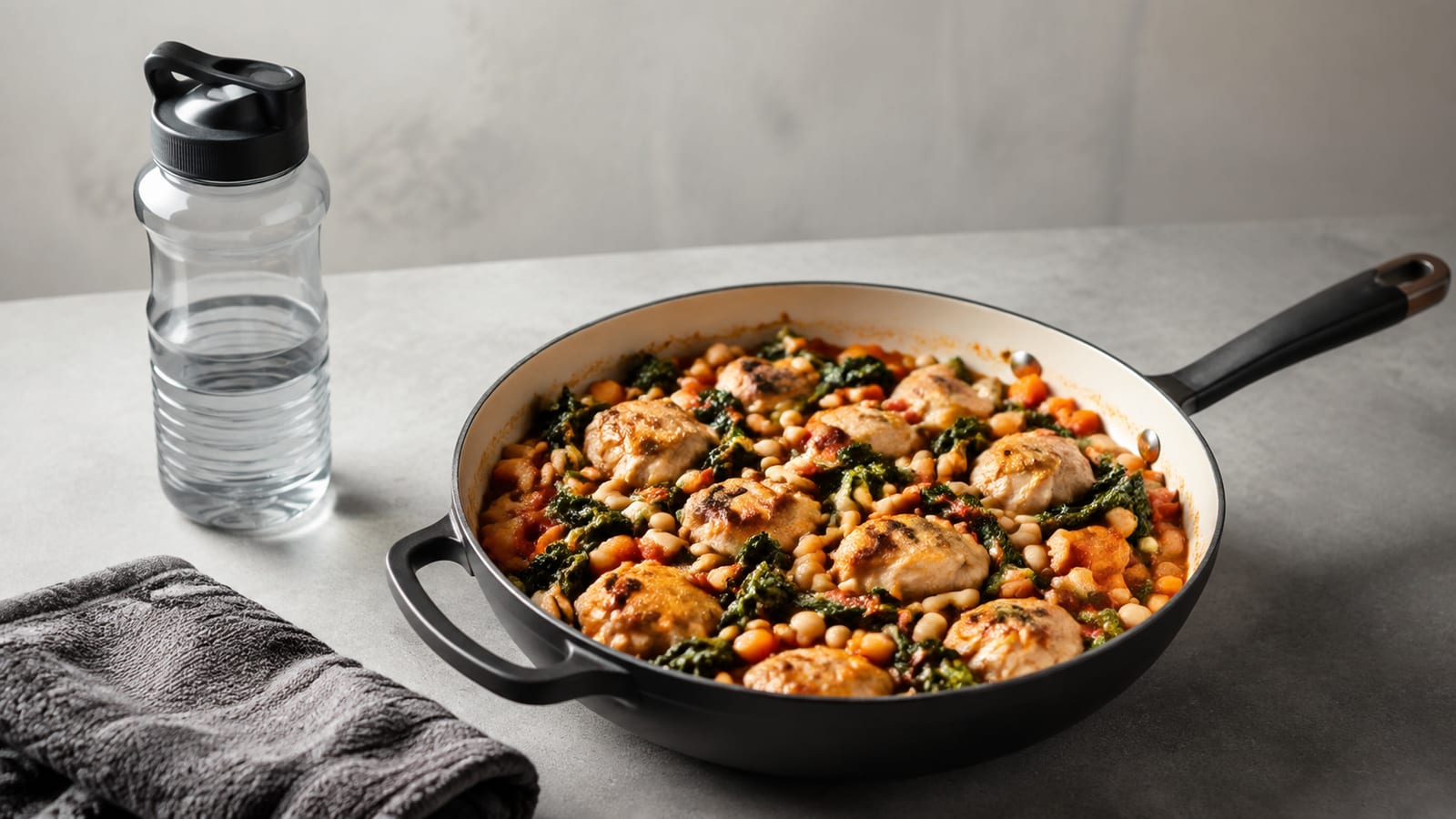
Build one-pot high protein meals around four parts: a lean or plant protein, useful carbohydrates, vegetables, and enough liquid to reheat well. Chicken and rice is the best default for most active people because it is affordable, easy to digest, simple to portion, and reliable after training. Beef, seafood, tofu, beans, and lentils give you variety when your training load, budget, or food tolerance changes.
Last updated: 2026-08-26
The right meal should also survive your actual schedule. A dish that takes half an hour, fills tomorrow’s lunchbox, and needs one pot will beat a more impressive recipe you never cook. You don’t need a shake, a special powder, or a counter full of side dishes to support recovery.
A genuinely useful one-pot meal
A useful one-pot meal does more than contain protein. It gives you enough food to support training, feels comfortable in your stomach, and remains worth eating after storage.
Use this practical standard:
- Protein: chicken, turkey, lean beef, seafood, tofu, eggs, beans, lentils, or a mix.
- Carbohydrates: rice, pasta, potatoes, barley, farro, tortillas, or another grain.
- Vegetables: fresh or frozen vegetables that cook without much extra work.
- Liquid: broth, tomatoes, salsa, coconut milk, or water for a texture that holds up.
- Cooking time: short enough for a weeknight and simple enough to repeat.
- Leftover quality: the meal should reheat without turning dry, watery, or rubbery.
Protein supports muscle repair. Carbohydrates replace some of the fuel used during hard training, especially after long practices, games, runs, or lifting sessions.
However, a high-protein meal with no useful carbohydrate may leave you under-fueled for the next session. A bowl of plain chicken and vegetables looks responsible, but it may not meet the needs of someone training hard several days each week.
The best one-pot options
The best options depend on timing, budget, and how well the meal reheats. These picks cover the situations that come up most often.
| Meal | Best use | Main trade-off |
|---|---|---|
| Chicken, rice, and vegetables | Everyday recovery and meal prep | Can become dry without enough broth or sauce |
| Turkey or lean beef chili | Several lunches from one pot | Beans may bother sensitive stomachs |
| Chicken pasta | Post-training dinner | Heavy sauce can slow digestion |
| Shrimp and rice skillet | Fast seafood meal | Shrimp can turn rubbery when reheated |
| Salmon, lentil, and vegetable pot | Nutrient-dense dinner | More delicate and slower to reheat |
| Tofu, edamame, and rice bowl | High-protein vegetarian meal | Plain tofu alone may fall short |
| Lentil and bean chili | Low-cost plant-based prep | Fiber is a poor match right before training |
| Eggs, beans, and potatoes | Budget recovery meal | Better for moderate protein needs |
The strongest rotation uses different textures and proteins without changing the whole cooking method. That keeps food interesting while preserving the part that matters most: you can make it on a busy day.
The overall pick
Choose chicken, rice, and vegetables first. It covers protein, carbohydrates, fluids, and produce in one pot, and you can adjust the portion without rebuilding the recipe.
Use chicken breast when you want a leaner meal. Chicken thighs cost less in many shops and stay juicier, but they bring more fat and calories. Both can work for active people. The better choice is the one that fits your budget and still gets cooked.
Start with rice, chicken, broth, and vegetables such as carrots, peas, spinach, or bell peppers. Add garlic, paprika, lemon, salsa, or a low-sodium seasoning blend for variety. Frozen vegetables are useful here because they require no chopping and usually hold their texture well.
Chicken and rice also has a calm digestion profile for many people. That makes it a sensible post-workout meal and a safer choice than a rich, spicy dish after a hard session. If you’re eating before training, keep the portion smaller and limit heavy sauces.
A substantial serving of chicken and rice can provide plenty of protein when you use a generous portion of chicken. Your exact amount depends on the chicken portion and the rest of the meal. Don’t judge the dish by protein alone. The rice and vegetables help determine whether you’re ready for tomorrow’s training.
How much protein should each serving provide?
The 30 to 50 gram range presented in Nourish Move Love's 21 High-Protein Dinners can suit many active adults after demanding training or as a large main meal. Bigger athletes, people with high training loads, and those eating fewer meals may prefer the upper end. Smaller athletes or people eating protein regularly across the day may need less at one sitting.
Your full-day intake matters more than one heroic bowl. A meal with a moderate protein serving can work well if breakfast, lunch, snacks, and dinner all contribute. Meanwhile, a giant protein serving will not repair an under-fueled day by itself.
Use the meal structure as a check:
- Choose a clear protein source.
- Add enough carbohydrate for the work you completed.
- Include vegetables unless your stomach needs a lower-fiber meal.
- Add liquid or sauce so the food remains appealing tomorrow.
- Adjust the portion to your hunger and training load.
Protein per serving is also not the only performance concern. A chicken dish with plenty of protein but too little rice may leave you hungry later. A bean bowl with strong carbohydrates but a modest protein amount may need tofu, eggs, dairy, or edamame added.
Fast one-pot meals
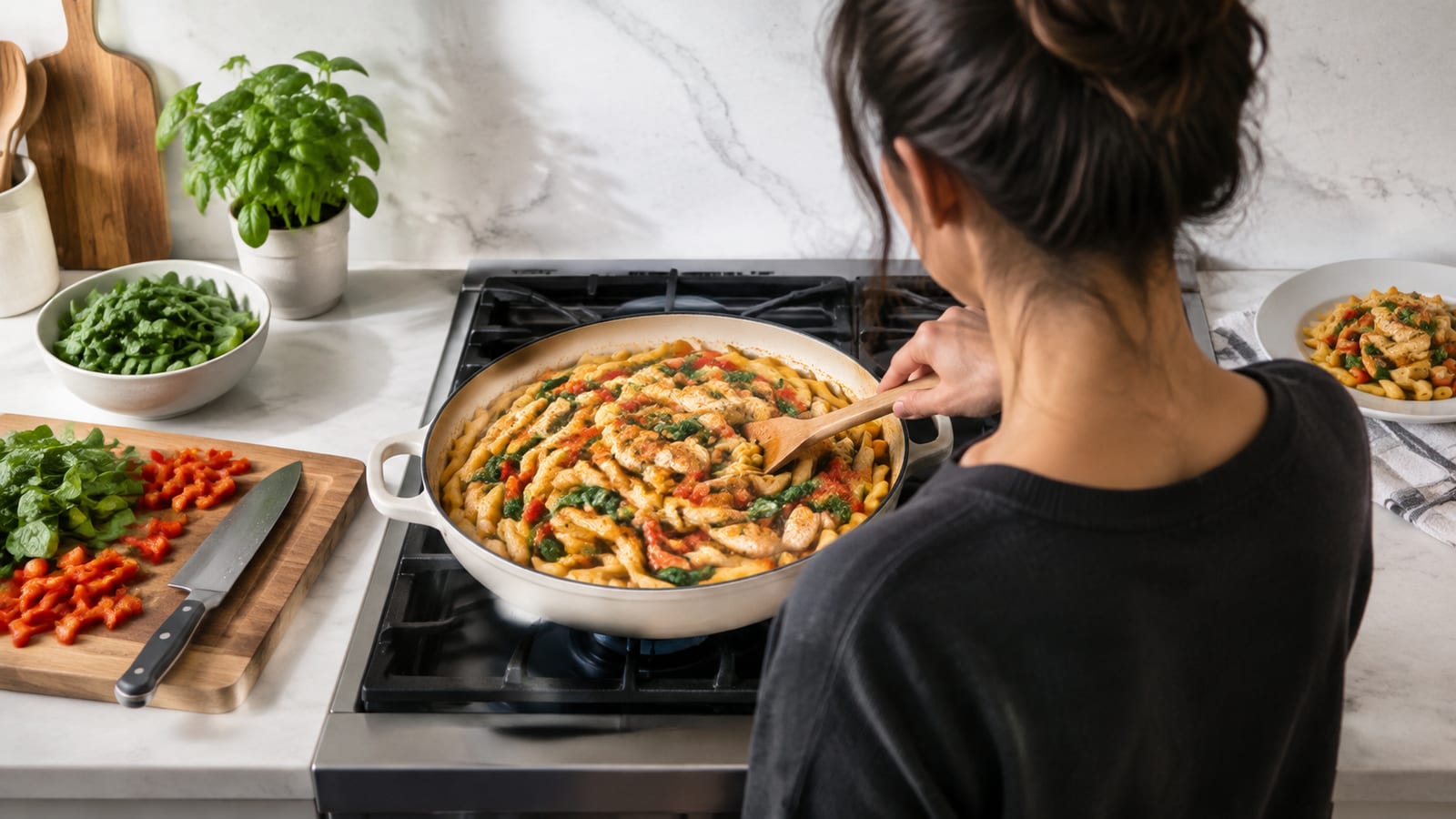
The fastest practical meals use small pieces of protein, quick grains, canned legumes, frozen vegetables, or ingredients that cook in the same time. Large chicken breasts, dry beans, whole cuts of beef, and unsoaked lentils can slow the whole pot down.
These are the best quick options:
One-pot chicken pasta
Chicken pasta is the strongest post-training dinner when carbohydrate replenishment matters. Cook small chicken pieces with pasta, broth, tomatoes, spinach, and a light sauce in one pot.
Use Greek yogurt, cottage cheese, or a small amount of grated cheese at the end if you want a creamier texture. Stir those ingredients in after lowering the heat so they don’t split. The result gives you protein and a useful carbohydrate source without requiring bread or a separate side.
Shrimp and rice skillet
Shrimp cooks quickly and gives you lean protein with little cleanup. Add it near the end of a rice skillet with frozen vegetables, broth, garlic, and lemon.
Shrimp is less forgiving than chicken. It turns tough when left on heat too long, and it loses texture after repeated reheating. Cook only the portion you plan to eat soon when possible.
Tofu and edamame rice bowl
Use firm tofu, shelled edamame, rice, frozen vegetables, and a sauce based on soy sauce, ginger, garlic, or peanut butter. Pressing tofu improves browning, but you can skip that step when time is tight.
Edamame matters because plain tofu may not provide enough protein for a demanding training day. Rice also gives the meal more useful training fuel than tofu and vegetables alone.
Skillet turkey or beef meals
Lean ground turkey or beef cooks quickly with potatoes, rice, pasta, canned tomatoes, or beans. Break the meat into small pieces as it cooks so the meal finishes evenly.
Ingredients that slow these meals include large potato chunks, dry beans, thick chicken pieces, and whole grains that need long simmering. Chop smaller, use canned or pre-cooked ingredients, or choose a different grain when dinner needs to happen soon.
For another fast rotation, try these five-ingredient high protein recipes when the cupboard is thin.
Meals that support workout recovery
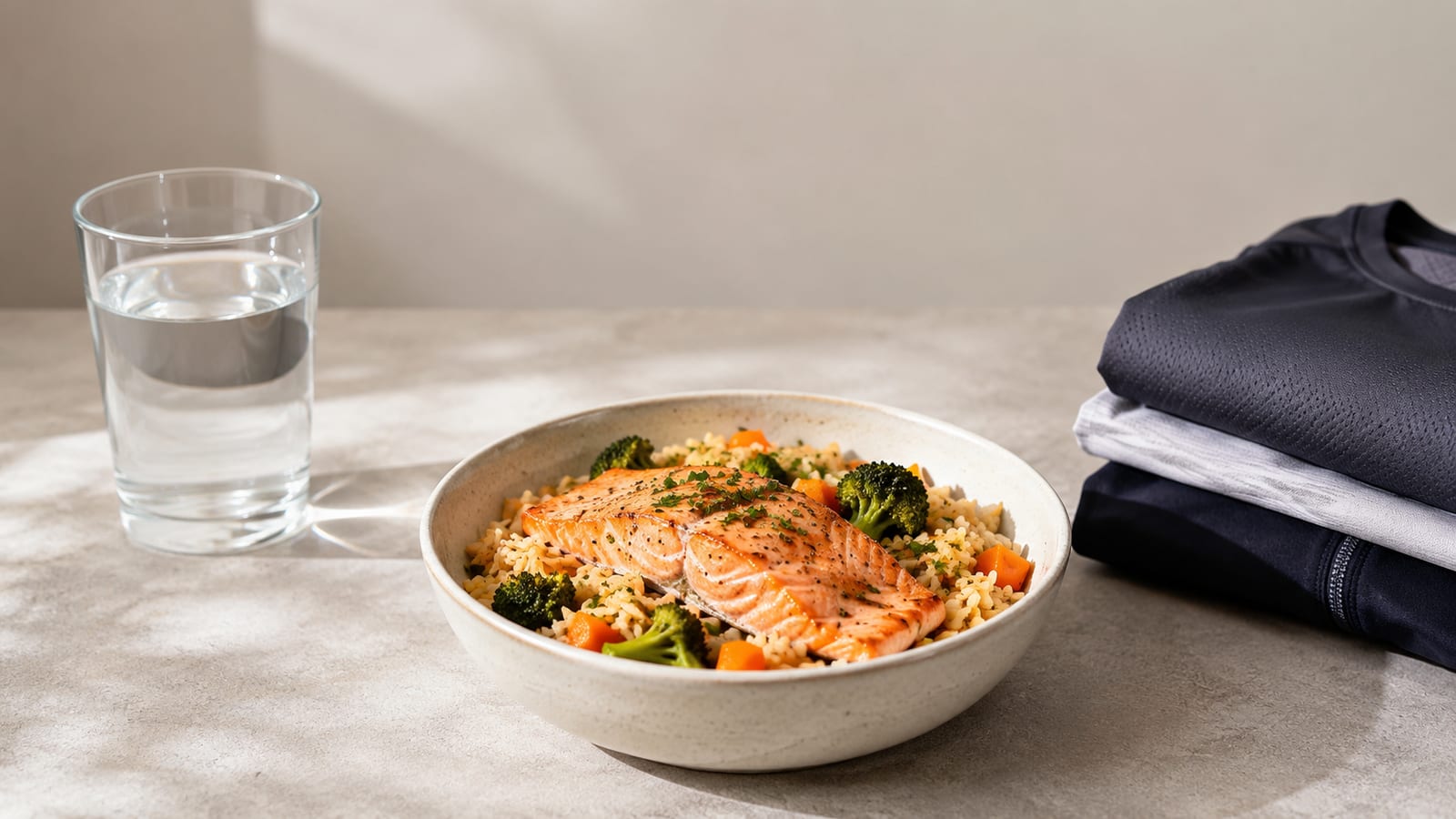
Recovery meals need both protein and carbohydrate. Protein supplies amino acids for muscle repair, while carbohydrates help restore the fuel you used during training.
Match the meal to the session:
- After a short or easy workout: chicken and vegetables with a moderate serving of rice may be enough.
- After hard lifting: chicken pasta, beef chili, or eggs with potatoes gives you protein and a stronger carbohydrate base.
- After long practice or competition: choose a larger rice, pasta, or potato meal and include fluids.
- After repeated sessions: use a meal with substantial protein and carbohydrate, then keep an easy snack available later.
- When appetite is low: choose softer foods such as rice, pasta, yogurt-based sauce, or a drink alongside the meal.
Chicken pasta works well after demanding training because it replaces energy without requiring a second carbohydrate dish. Turkey chili also supports recovery, but a large serving of beans may feel heavy after intense exercise.
A salmon, lentil, and vegetable pot offers protein, omega-3 fats, fiber, and slower-digesting carbohydrates. It’s nutritious, but it may sit more heavily than chicken and rice. Save it for a normal dinner or a day when you have time to digest.
Recovery nutrition doesn’t require a special shake or a strict countdown. A complete meal with carbohydrates, protein, fluids, and enough total food can cover the job.
Meals that reheat well
Chili ranks first for reheating. The flavors blend, the texture stays moist, and you can change the serving with rice, potatoes, tortillas, or bread.
Chicken and rice ranks next when you cook the rice with enough broth and store the meal with sauce. Add a splash of broth before reheating if the rice dries out. Don’t cook the chicken far past done on the first day, or the leftovers will become chewy.
Lentil dishes and braises also hold up well. Beans and lentils absorb flavor over time, while slow-cooked meat stays tender when surrounded by liquid. These meals work well for packed lunches and busy evenings.
Seafood needs more care:
- Shrimp is best eaten soon after cooking.
- Salmon can reheat well once, but repeated heating dries it.
- Delicate fish benefits from gentle reheating and extra sauce.
- Seafood rice dishes should be chilled promptly and stored safely.
Follow the USDA food safety guidance for cooling, storage, and reheating. A good meal-prep dish still needs sensible food handling.
Minimal cleanup
Use one heavy pot or deep skillet with a lid. A wide base helps ground meat, chicken pieces, tofu, and vegetables cook evenly. A lid keeps moisture in and reduces the time your food needs on the stove.
Stage ingredients instead of adding everything at once:
- Brown chicken, turkey, beef, or tofu.
- Add onions, garlic, or firm vegetables.
- Stir in broth, tomatoes, rice, pasta, potatoes, or legumes.
- Add quick-cooking vegetables near the end.
- Finish with herbs, yogurt, cheese, lemon, or a sauce.
Frozen vegetables remove chopping and make portion control easier. Canned beans also save time, especially for chili and skillet meals. Rinse them if salt or digestive comfort is a concern.
Avoid unnecessary side dishes. If the pot already contains protein, carbohydrates, and vegetables, a separate grain or salad may only create more work. Add a piece of fruit later if you still need more food.
Protein choices worth repeating
Each protein has a useful place. The mistake is treating them as interchangeable.
Chicken
Chicken is the best all-purpose protein for most people. It is affordable, easy to season, quick to portion, and usually gentle enough for recovery meals.
Use chicken breast for a leaner bowl. Use thighs when cost, flavor, and moisture matter more. Chicken and rice also reheats better than most seafood dishes, which makes it the safest meal-prep choice.
Turkey
Turkey chili is lighter than beef chili and works well for regular lunches. Ground turkey needs enough tomato, broth, or beans to avoid a dry texture.
Choose turkey when you want a steady everyday meal. Add rice, potatoes, or bread if the bowl feels too light for your training day.
Lean beef
Lean beef brings iron, zinc, and B vitamins, along with more calories than lean turkey in many preparations. It makes sense after hard training or for people who struggle to eat enough total food.
Use lean mince in chili, tomato pasta, stuffed pepper filling, or a potato skillet. Beef can feel heavier than chicken, so it’s less useful immediately before training.
Shrimp
Shrimp is the fastest seafood choice and needs very little preparation. Pair it with rice, noodles, frozen vegetables, and a light sauce.
Cook it near the end. If you let it simmer through the whole meal, the protein may become rubbery.
Salmon
Salmon brings protein and omega-3 fats in a richer meal. Pair it with lentils, potatoes, rice, or vegetables in a pot with enough liquid.
It’s a strong dinner option but not the best repeated lunch if you dislike reheated fish. The meal also contains more fat, which can slow digestion for some athletes.
Vegetarian options that meet high protein needs
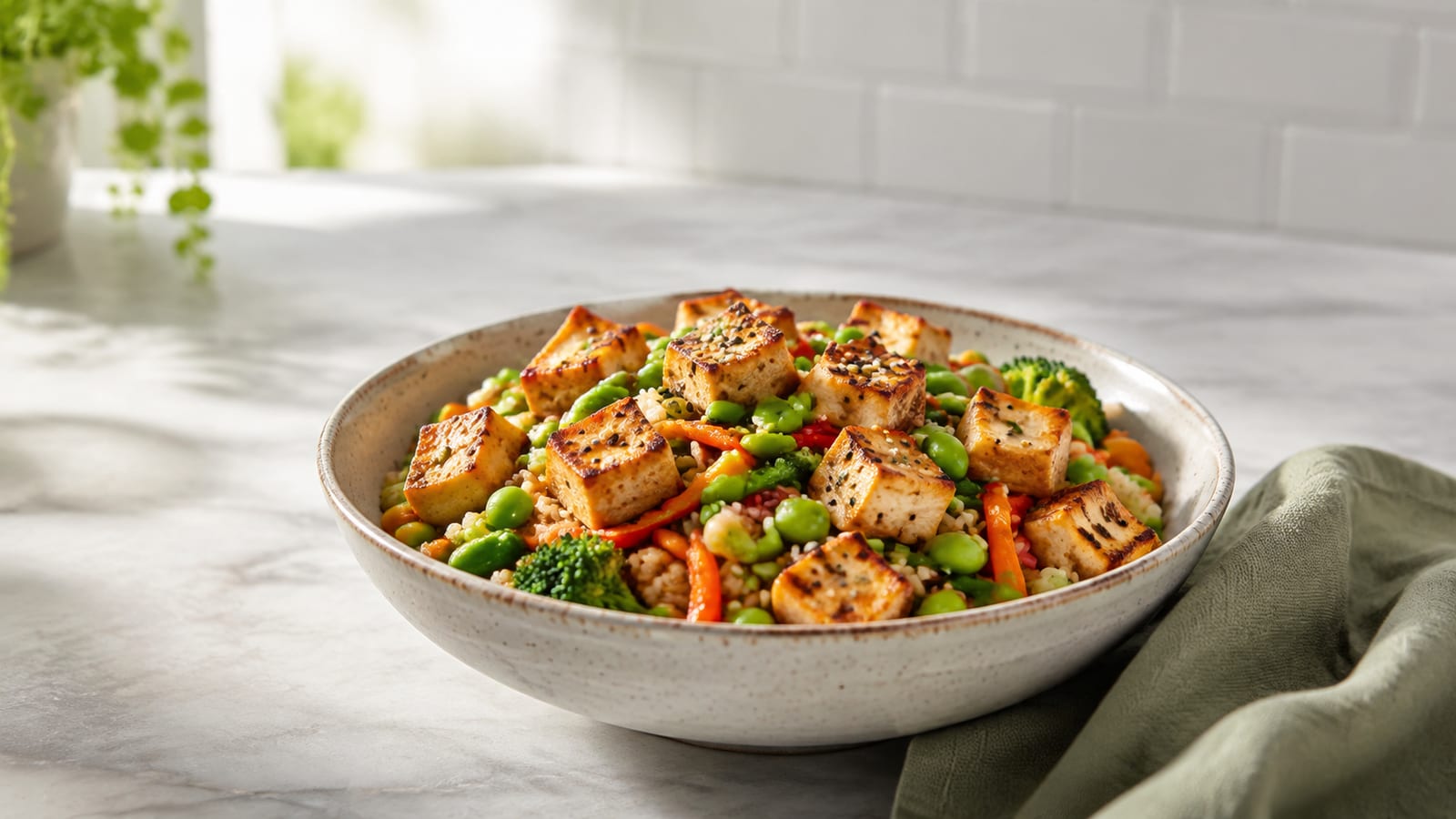
Vegetarian meals can support demanding training, but vegetables and grains alone usually won’t carry the protein target. Build the dish around tofu, edamame, beans, lentils, eggs, dairy, or a combination.
The strongest options include:
- Tofu and edamame rice: useful for a high-protein vegetarian bowl.
- Lentil and bean chili: inexpensive, filling, and excellent for meal prep.
- Eggs, beans, and potatoes: a budget recovery meal with complete protein from eggs.
- Lentil pasta with tofu: a stronger protein base than ordinary pasta with vegetables.
- Greek yogurt or cottage cheese finish: useful in creamy sauces and bowls.
- Beans with eggs and rice: affordable, filling, and easy to season.
Plain tofu with vegetables is often too low in protein for a high-volume training day. Add edamame, eggs, dairy, or a larger serving of tofu if the meal needs more support.
Lentils and beans bring fiber and carbohydrates, which can help fullness and steady energy. They can also cause bloating if you suddenly eat a large serving. Increase them gradually and keep a bean-heavy meal away from training when your stomach is sensitive.
For more plant-based ideas, use these high-protein gluten-free meals for active lifestyles.
How should you adjust these meals for digestion and training timing?
The best meal on paper can fail if it sits heavily during practice. Change the fiber, fat, spice, portion size, and timing before you blame the recipe.
Before training, choose familiar foods that digest comfortably:
- Use white rice, pasta, potatoes, toast, or lower-fiber grains when your stomach is touchy.
- Keep fried ingredients and rich sauces modest.
- Limit large servings of beans and lentils before running or competition.
- Use less spice if heat causes reflux or urgent bathroom trips.
- Eat a smaller portion when training starts soon.
- Test new ingredients during easy practice, not on game day.
After training, you have more room for fiber, fat, and a larger portion. That’s when chili, salmon with lentils, beef bowls, and bean-based meals often fit better.
You also need fluids. Add broth, tomato sauce, water, or a drink with the meal, especially after sweating. A one-pot meal can support recovery, but it cannot replace every fluid and electrolyte need after a long, hot session.
If running or training regularly causes pain, vomiting, bloody stool, or symptoms that limit practice, speak with a qualified clinician. More food experiments are not the answer to persistent symptoms.
Budget and calorie adjustments
Start with the protein, then choose the cheapest carbohydrate and vegetables that fit your needs. This keeps substitutions from weakening the meal.
For a lower budget
- Use chicken thighs instead of chicken breast.
- Buy canned beans and lentils instead of cooking dry legumes on a busy night.
- Choose frozen vegetables over pre-cut fresh produce.
- Use rice, potatoes, oats, or pasta as affordable carbohydrates.
- Buy lean mince when it costs less than pre-portioned meat.
- Add eggs to beans and potatoes for a filling recovery meal.
- Use tofu when it is cheaper than meat in your area.
For higher calorie needs
Increase the rice, pasta, potatoes, or grain first. Add olive oil, cheese, avocado, peanut sauce, or a richer cut of meat if you still need more energy.
For lower calorie needs
Keep the protein portion steady and add more vegetables. Use a modest amount of oil and sauce, but don’t remove carbohydrates automatically. Active people still need training fuel, especially around long or intense sessions.
For more protein
Add tofu, edamame, eggs, Greek yogurt, cottage cheese, chicken, turkey, lean beef, or seafood. Don’t rely on doubling vegetables or grains. They may add volume, but they won’t replace a clear protein source.
A simple swap should preserve the structure. Replace chicken with turkey, tofu, shrimp, or beans, then adjust the liquid and cooking time. That’s more useful than chasing a new recipe every night.
A simple weekly rotation
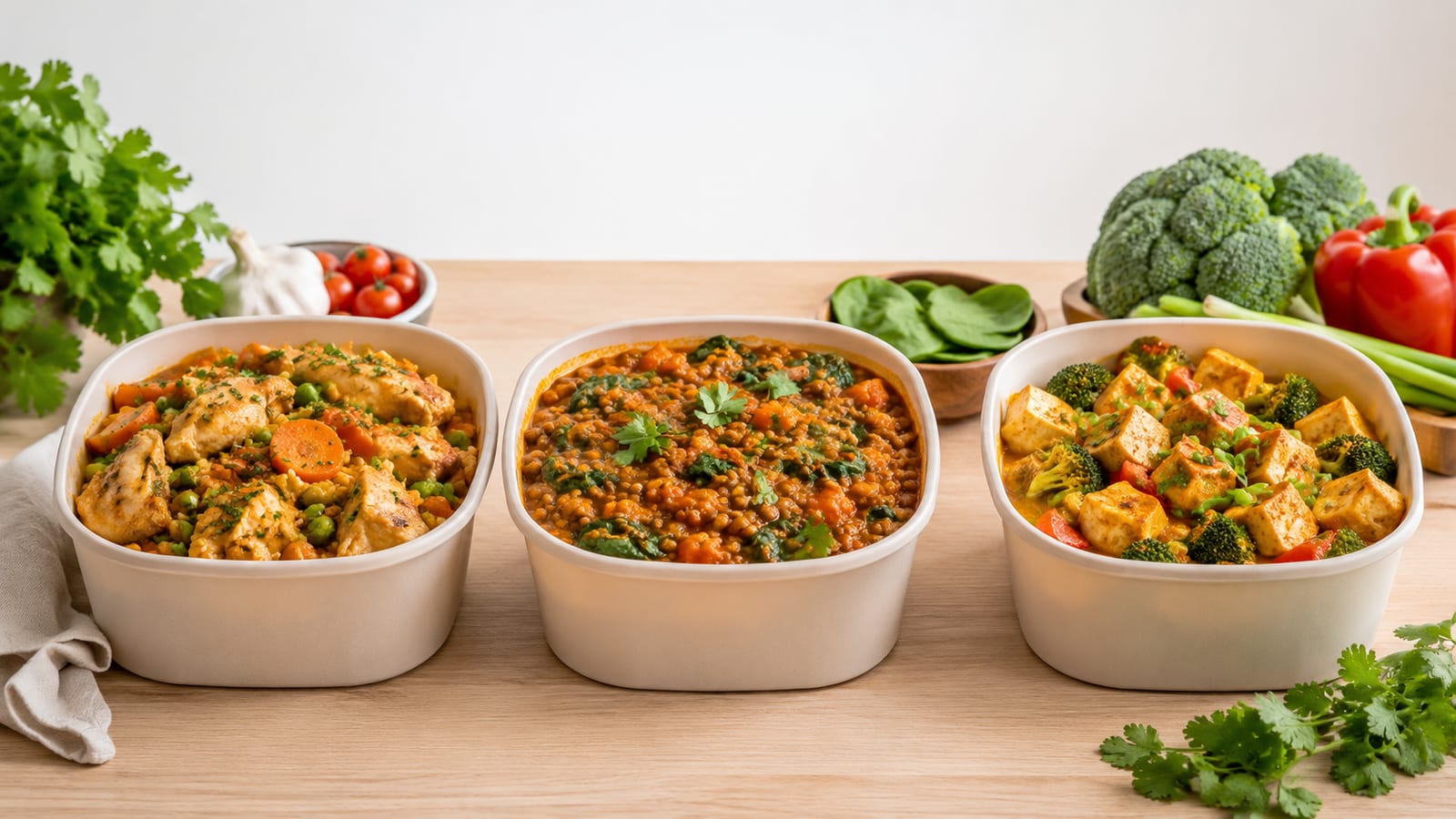
Use four meals and repeat the method. You’ll get variety without turning meal prep into a second job.
- Default chicken meal: chicken, rice, vegetables, and broth.
- Reheatable chili: turkey or lean beef with beans, tomatoes, and a carbohydrate on the side or in the pot.
- Fast seafood or tofu meal: shrimp and rice for speed, or tofu and edamame when you want a vegetarian option.
- Budget plant-based meal: lentil and bean chili, or eggs, beans, and potatoes.
Make the chicken meal when you need the safest all-purpose option. Choose chili when you need several portions. Use shrimp when dinner has to happen quickly. Pick tofu, lentils, beans, or eggs when cost or plant-based eating guides the decision.
For larger training weeks, increase the carbohydrate portion and keep an extra snack available. For lighter weeks, keep the protein steady and adjust the starch and added fats to match your hunger.
If you need a slower cooking option for another day, these high-protein slow cooker recipes can handle the work while you’re away. For packed meals, see these high-protein athlete lunchbox meals.
The best one-pot meal is the one you can cook, digest, store, and eat again without arguing with your schedule. Chicken and rice earns the default spot because it handles those jobs with the fewest problems.
FAQ
Can I use pre-cooked rice in a one-pot meal?
Yes. Add pre-cooked rice near the end so it warms through without becoming mushy. This is useful when you need dinner quickly or when raw rice would make the meal take too long.
Should I eat a high-protein one-pot meal before or after training?
A smaller, lower-fat portion usually works better before training. Afterward, a larger meal with protein, carbohydrates, vegetables, and fluids supports refueling and recovery.
Are one-pot meals suitable for young athletes?
They can be, provided the meal offers enough total food and isn’t built around restrictive rules. Young athletes usually need regular meals, familiar snacks, and water more than complicated protein targets.
How do I stop rice from becoming mushy?
Use the correct amount of liquid for the rice you choose and avoid stirring repeatedly. Add quick-cooking vegetables late, and let the finished pot rest briefly before serving.
What should I do if beans upset my stomach?
Start with a smaller serving and increase it gradually. Rinse canned beans, cook them thoroughly, and avoid a large bean-heavy meal close to training until you know your tolerance.