


Start with the basics before buying anything marketed as an energy booster. Natural Energy Boosters That Actually Work are regular meals, enough water, sufficient sleep, manageable exercise, and daylight. Coffee or a targeted supplement can help in the right situation, but detoxes and expensive powders don’t repair poor sleep, missed meals, low iron, or excessive training.
Last updated: 2026-08-25
Which Natural Energy Boosters Actually Work?
The strongest energy plan is simple:
- Eat regular meals with carbohydrates, protein, fiber, and some fat.
- Drink water through the day.
- Sleep enough to support your schedule and training load.
- Move regularly, even when the movement is a short walk.
- Use caffeine with a clear purpose.
- Treat a confirmed nutrient deficiency with medical guidance.
These habits support both daily focus and training energy. They also cost less than most products pushed as natural solutions.
A sweet drink may give you a quick lift. It won’t provide steady fuel for a long workday or a hard practice. Likewise, a supplement cannot make up for eating too little across the day.
That matters for athletes. If you train often, your body needs carbohydrates for work, protein for repair, fluids for circulation, and enough total food for recovery. If your schedule is irregular, portable food may matter more than a perfect meal plan.
The best choice depends on the problem. A banana can help when you missed lunch. More sleep matters when you’re dragging through every morning. Testing matters when fatigue comes with breathlessness or heavy periods.
What should you eat for steady energy?
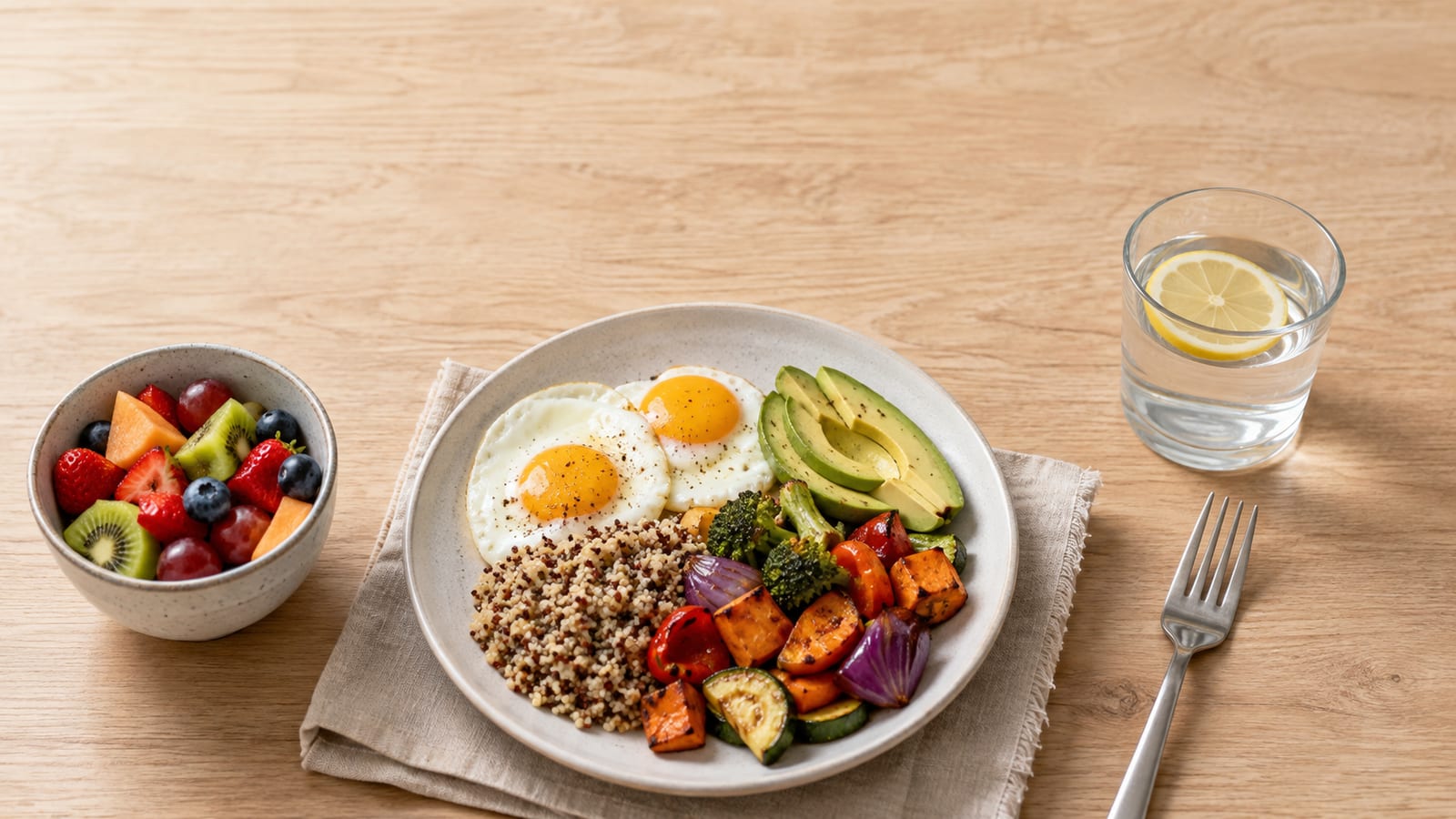
Build meals around carbohydrates, protein, fiber, and some fat. This combination gives you usable fuel while helping the meal last longer than a sugary snack.
Good everyday options include:
- Oats with yogurt, fruit, and nuts
- Rice with beans, vegetables, and avocado
- A turkey sandwich with fruit
- Lentil pasta with tofu and tomato sauce
- Potatoes with eggs and vegetables
- Greek yogurt with cereal and berries
- A bean burrito with cheese or tofu
Carbohydrates support immediate work. Protein helps with muscle repair and makes meals more filling. Fiber and fat slow digestion, although too much fat or fiber before training can leave you uncomfortable.
The best budget breakfast
Oats with yogurt, fruit, and nuts are the best all-purpose budget breakfast. Oats provide carbohydrate, yogurt adds protein, and nuts make the meal more satisfying. Use frozen fruit when fresh produce costs more.
Eating 20-30 grams of protein at breakfast can keep you energized for hours. That doesn’t mean you need a protein powder. Yogurt, milk, eggs, tofu, cottage cheese, or a larger serving of beans can do the job.
The most practical portable option

A banana with peanut butter is a strong pre-work or pre-training choice. It’s cheap, portable, and easy to digest for many people.
Pack the peanut butter separately if you’re carrying the banana in a bag. If nuts don’t work for you, use sunflower-seed spread, yogurt, cheese, or a turkey sandwich.
Dark chocolate with 70% cocoa or higher provides a quick and steady energy boost. Keep the portion modest and pair it with a meal or snack if you need lasting fuel. Chocolate is an add-on, not a breakfast plan.
What is the simplest meal strategy before work or training?
Match the food to the time you have and the work you need to do. A full meal works when you have time to digest. A small snack works when your schedule is tight.
If you have several hours
Eat a normal meal with a strong carbohydrate source, moderate protein, and a small amount of fat.
Try:
- Chicken with rice and vegetables
- Pasta with lean meat or tofu
- A baked potato with cottage cheese
- A turkey sandwich with fruit
- Oatmeal with yogurt and a banana
This approach suits a workday, a long practice, or a competition later in the day. It gives you time to digest without asking your stomach to handle a large meal right before intense movement.
If you have about an hour
Choose a smaller carbohydrate-focused snack:
- Banana
- Applesauce
- Toast
- Pretzels
- A low-fiber cereal
- A small yogurt
- A granola bar
Add a little protein if you’ll be active for longer or need to recover soon afterward. However, don’t force a large meal into a short window.
If you’re leaving before sunrise
For an early workout, eat an easy carbohydrate snack first. A banana and toast can support a short session. Add drinkable yogurt or a small protein shake before a longer one if you tolerate it.
Then eat a real breakfast after training. Eggs, oats, fruit, and yogurt can wait until your stomach is awake.
For more timing examples, use this guide to timing your pre-workout meals. If mornings are your main problem, these fast morning pre-workout meals give you smaller options.
Could iron deficiency be causing low energy?
Iron deficiency can cause fatigue, reduced exercise tolerance, headaches, pale skin, dizziness, or breathlessness. Some people also notice that normal training feels unusually hard. Heavy periods increase the risk, as do restrictive diets and some digestive conditions.
Food can support iron intake:
- Lentils with tomatoes
- Beans with peppers
- Lean meat with fruit
- Tofu with broccoli
- Iron-fortified cereal with berries
- Chickpeas with lemon
- Eggs with vegetables and toast
Beans, lentils, or lean meat with a vitamin-C food are the strongest food-first choices when low iron may be limiting energy. Vitamin C can help your body absorb iron from plant foods.
Try a simple pairing:
- Lentils with tomato sauce
- Black beans with salsa
- Tofu with bell peppers
- Chickpeas with lemon juice
- Fortified cereal with strawberries
Tea and coffee can interfere with iron absorption when taken alongside an iron-rich meal. Keep them separate from that meal if iron status is a concern.
Still, food alone may not correct a confirmed deficiency. Ask a clinician for testing before taking high-dose iron. Too much iron can cause harm, and fatigue may come from another cause.
The National Institutes of Health explains iron needs, food sources, and supplement risks in plain language.
When do vitamins or supplements actually help?
Supplements make sense when they solve a specific problem. That could mean a confirmed deficiency, a restricted diet, poor absorption, or a training need that food cannot cover easily.
Iron, vitamin B12, or vitamin D supplements are worth using when a clinician identifies a deficiency or elevated need. Take the recommended product and dose rather than stacking several general energy formulas.
Vitamin B12 deserves attention if you eat little or no animal food. Iron deserves attention with heavy periods, low iron intake, or symptoms that fit deficiency. Vitamin D may need review when blood testing or medical history points that way.
General-purpose energy products are usually poor value. They often combine many ingredients without showing which one addresses your problem. Some also contain enough caffeine to disturb sleep, which leaves you more tired later.
Check the label for:
- Caffeine from coffee, tea, or added extracts
- Large doses of single nutrients
- A long ingredient list with unclear amounts
- Claims about detoxing or boosting metabolism
- Ingredients you haven’t used during training
Young athletes should be especially cautious. A regular meal, water, and sleep deserve attention before any performance product.
How much does hydration affect energy?
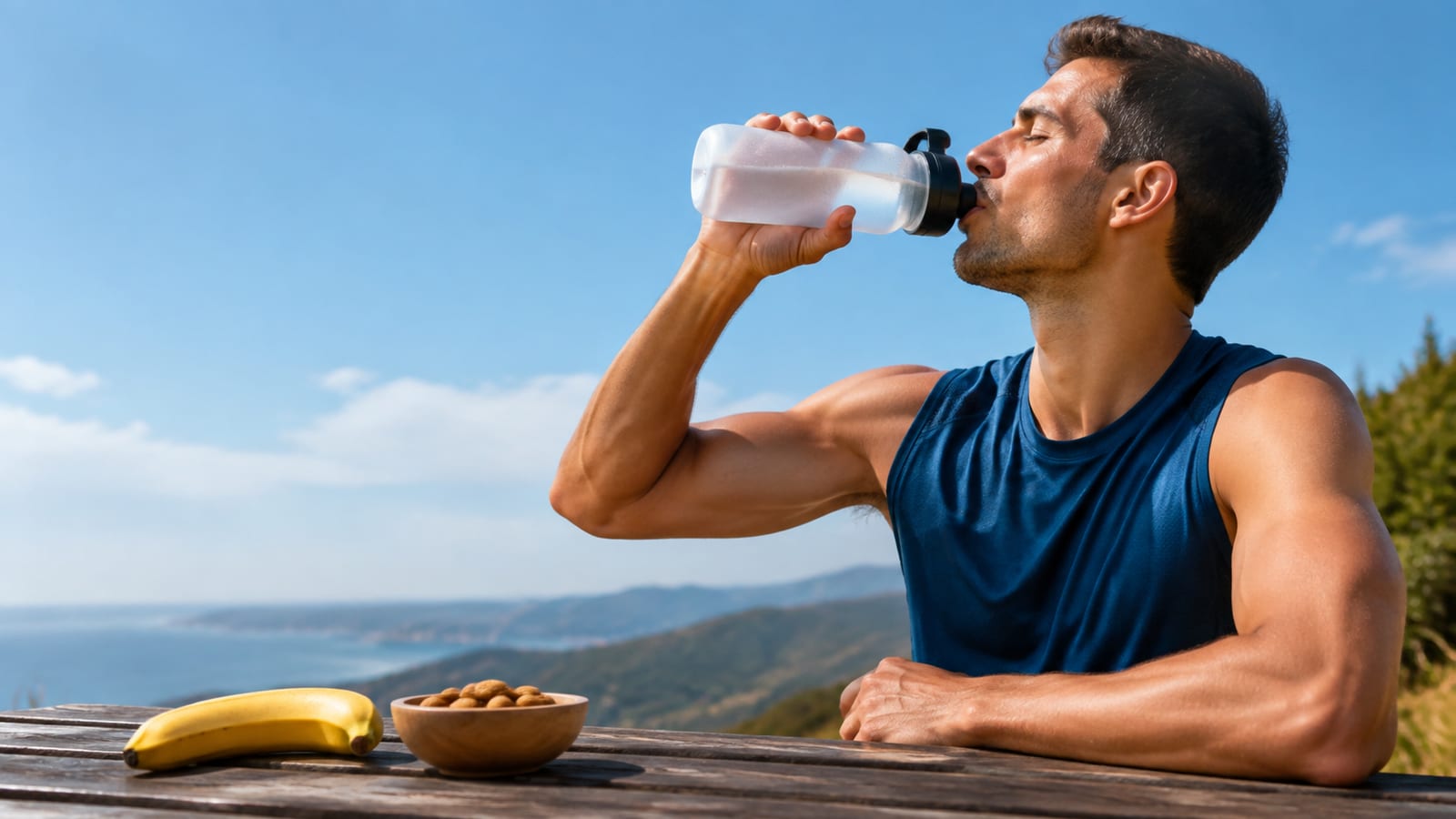
Routine fluid intake supports concentration, normal body function, and exercise performance. Mild dehydration can make a busy day feel harder, especially in warm conditions or during sweaty training.
Aim for about 8 glasses of water daily, or more if you’re active or living in a warm climate. Sip through the day instead of waiting until you feel desperate for a drink.
A practical routine looks like this:
- Drink water with breakfast.
- Carry water during work or school.
- Drink around meals and training.
- Increase fluids in heat or during heavy sweating.
- Replace the bottle before it’s empty.
Water with a normal meal is enough for most daily activity. Electrolyte drinks become more useful during prolonged, hot, or very sweaty training, and during back-to-back games.
You don’t need an electrolyte drink for every short workout. Many products add sugar and cost without solving a real fluid problem. Match the drink to the work.
If you want a formal reference for hydration and exercise, the American College of Sports Medicine provides guidance for sports and exercise professionals.
Can better sleep restore energy more effectively than food?
Often, yes. Food can provide fuel, but sleep supports alertness, mood, reaction time, appetite control, and recovery. A snack cannot fully repair several nights of poor sleep.
Start with the changes that fit your schedule:
- Keep your wake time fairly consistent.
- Get 10-15 minutes of direct sunlight within the first hour of waking.
- Stop caffeine early enough to protect nighttime sleep.
- Keep the bedroom dark and cool.
- Prepare food and training clothes before bed.
- Use a short wind-down routine instead of working until sleep.
The sunlight habit can improve daytime alertness. It doesn’t replace sleep, but it can help your body recognize when the day has started.
Shift workers, parents, and athletes with early practices may not have a perfect sleep window. In that case, protect the sleep you can get. A short nap may help some people, but late or long naps can make nighttime sleep harder.
If you snore heavily, wake gasping, or sleep long enough but still feel exhausted, ask a clinician about sleep problems. More caffeine is a poor fix for untreated sleep issues.
Does regular exercise increase energy or drain it?
Manageable exercise usually improves energy over time. Walking, strength training, easy cycling, and steady aerobic work can support mood, circulation, sleep, and daily function.
The problem starts when training load rises faster than food, fluids, or recovery. Excessive volume can leave you flat, sore, irritable, and unable to complete sessions that used to feel manageable.
Use these signs to adjust:
| What you notice | Likely decision |
|---|---|
| You feel sluggish after sitting | Take a short walk or do light movement |
| You feel tired but recover normally | Keep the session easy |
| Performance drops across several sessions | Review sleep, food, fluids, and training load |
| You feel dizzy or unusually weak | Stop and address the symptom |
| You have ongoing fatigue with other symptoms | Arrange medical evaluation |
Don’t use exercise as punishment for eating. The useful session is the one you can recover from and repeat.
Also, don’t add hard training to a day when you’ve barely eaten. Have a portable snack ready, especially if practice follows school or work.
How can stress reduction improve mental energy?
Mental energy often falls because your attention has no recovery time. More stimulants may keep you moving, but they don’t reduce the number of decisions competing for your attention.
Try practical changes:
- Take short breaks between demanding tasks.
- Get outside in daylight.
- Walk while making a phone call.
- Use slow breathing before a stressful meeting or practice.
- Put meals and training on your calendar.
- Set a clear stopping point for work.
- Keep one simple snack in your bag.
A short breathing break won’t solve an impossible workload. It can lower the strain enough to help you choose the next task.
Workload boundaries matter more than another powdered drink. Turn off nonessential alerts, group small tasks together, and avoid skipping lunch to finish work. A missed meal can make stress feel sharper because you’re also under-fueled.
How should you choose an energy booster for your body and budget?
Choose the smallest option that fits the problem. You don’t need a full meal, supplement, or caffeinated drink if water and a banana solve the issue.
| Situation | First choice | What to watch |
|---|---|---|
| You missed a meal | Sandwich, yogurt and fruit, or a burrito | Don’t wait until you’re shaky |
| You need pre-training fuel | Banana, toast, pretzels, or oats | Keep fat and fiber lower if digestion is sensitive |
| You train in heat | Water, with electrolytes for heavy sweat | Don’t use sports drinks automatically |
| You feel tired every morning | Earlier bedtime, daylight, and regular breakfast | Caffeine may hide the problem |
| You eat little animal food | B12-rich foods and medical advice if needed | Don’t guess with high-dose supplements |
| You have heavy periods or breathlessness | Iron-rich meals and clinical testing | Food is support, not a diagnosis |
| You need short-term alertness | Coffee or tea | Protect sleep and watch anxiety or reflux |
| You have an irregular schedule | Portable meals and planned snacks | Preparation matters more than novelty |
Coffee or tea is a reliable short-term alertness tool. It may help before work or training, but it can worsen anxiety, reflux, or sleep quality. Use it earlier in the day when possible.
A coffee habit also shouldn’t replace breakfast. If you’re drinking caffeine because you slept poorly, eat something and address the sleep problem later.
When does persistent fatigue need medical attention?
Fatigue that lasts or keeps returning deserves more attention than another snack. Arrange an evaluation if tiredness limits work, school, training, or normal daily tasks.
Seek medical guidance sooner if fatigue comes with:
- Breathlessness
- Chest pain
- Fainting or near-fainting
- Unexplained weight change
- Heavy menstrual bleeding
- Persistent headaches or dizziness
- A major change in mood
- Unusual thirst or frequent urination
- Ongoing muscle weakness
- Prolonged symptoms after an illness
Your clinician may review sleep, food intake, medications, mood, training load, and blood tests. Possible causes include iron deficiency, vitamin B12 deficiency, thyroid problems, infection, sleep disorders, and other medical conditions.
Don’t start high-dose iron or a stack of supplements while guessing. Find the cause first, then choose treatment that matches it.
Natural Energy Boosters That Actually Work are useful because they fix common problems with ordinary tools. When the problem is medical, ordinary tools have limits.
FAQ
Is natural energy better than energy from caffeine?
Natural food and sleep support your baseline energy. Caffeine can improve alertness for a short time, but it doesn’t replace recovery or correct a nutrient deficiency. Use it as a tool when the trade-off fits your sleep and digestion.
Can I use an energy booster if I have a sensitive stomach?
Start with a small portion of low-fiber, low-fat food such as toast, a banana, applesauce, or pretzels. Test it on an easy training day. If pain, vomiting, or repeated diarrhea continues, get medical advice.
Are energy drinks useful for young athletes?
They’re usually a poor first choice. Young athletes generally need regular meals, water, and sleep, while high caffeine can affect anxiety and nighttime rest. Parents should ask a clinician or sports dietitian before using supplements.
What should I do if food and sleep don’t improve my energy?
Stop adding products and arrange a medical evaluation. Persistent fatigue can have causes that food cannot correct, including anemia, sleep disorders, thyroid problems, or medication effects. Bring a short record of your sleep, meals, training, and symptoms.
Can I follow these strategies on a low budget?
Yes. Oats, bananas, beans, lentils, rice, potatoes, eggs, yogurt, peanut butter, and frozen fruit cover many energy needs. Buy the foods you can prepare and carry consistently. A plan you can afford and repeat will beat an expensive product you use occasionally.