

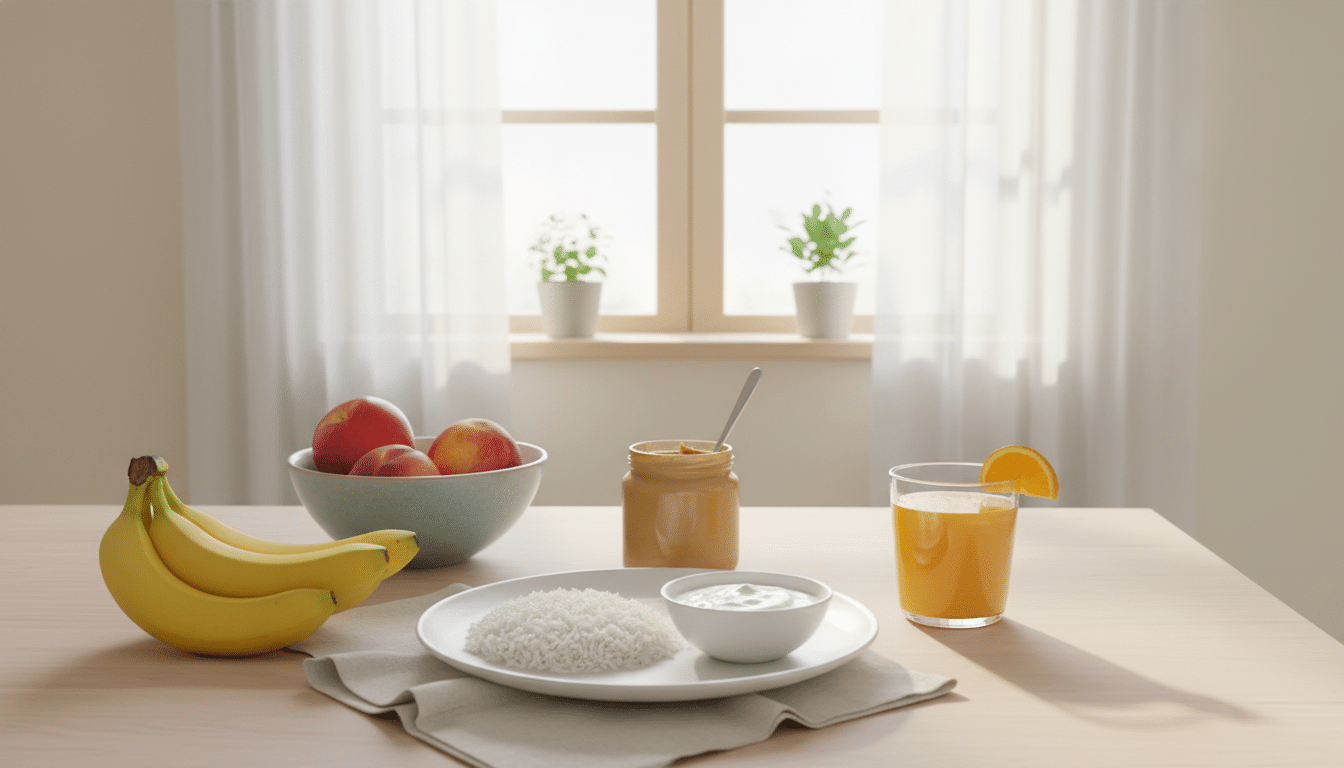
low fiber foods before training can be the difference between a smooth workout and a mid-run stomach revolt. Pick familiar, easy-to-digest options and you’ll spare your gut while keeping steady fuel and energy for performance.
Choose carbs that digest fast, then add a small amount of protein if you have time. This simple rule helps your body access fuel quickly and lowers the chance of cramps or discomfort.
Smart timing and comfort matter most. Test snacks on normal sessions so you don’t gamble on race day. Use practical checkpoints: start time, workout type, and how your stomach reacts to each food choice.
Want a quick guide to meal and snack timing? Check this helpful note on morning eating and workouts at whether to eat before a morning.
Key takeaways: Pick quick-digesting carbs, add light protein if time allows, and prioritize comfort to protect performance.
Why low-fiber choices help before training
Simple carbs get into your bloodstream fast, so your muscles get fuel without stomach upset.
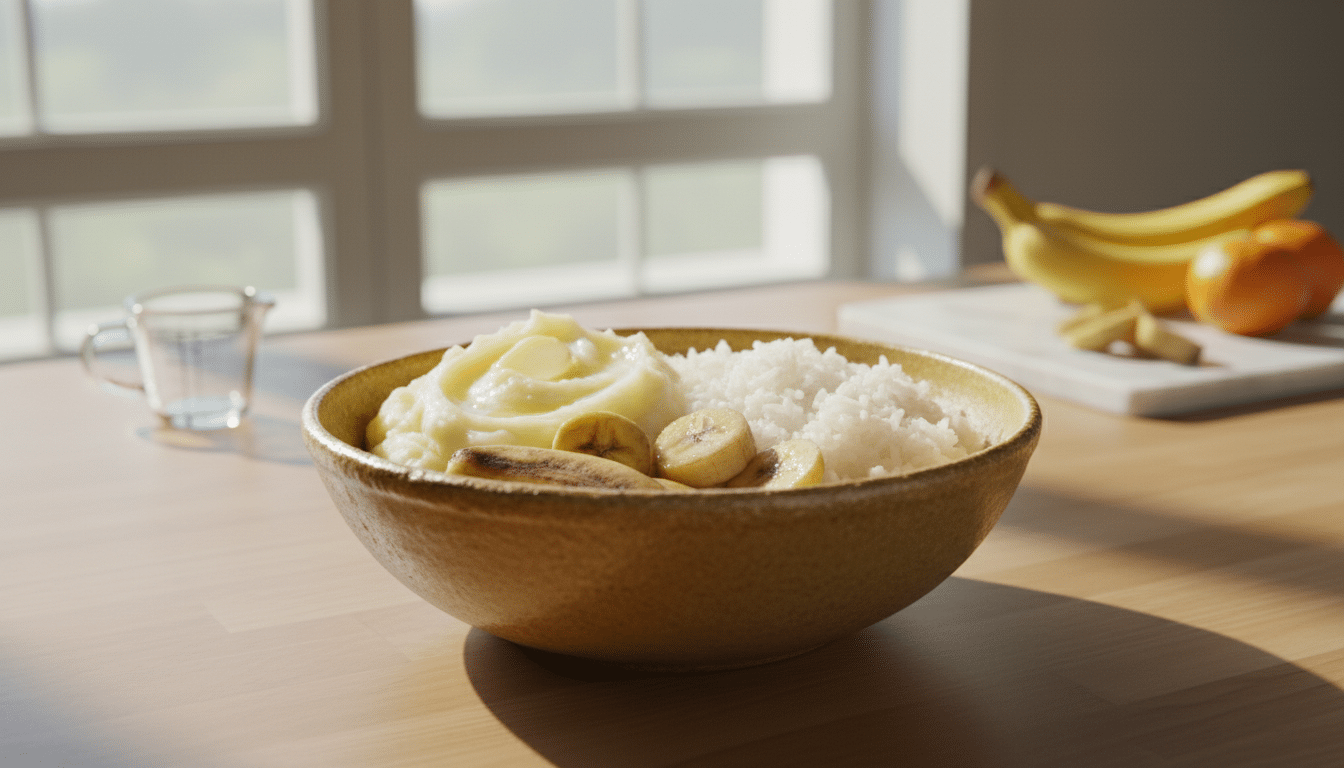
Fiber can linger in your gut and slow digestion. That means food sits longer in your stomach when you need to move.
Fiber also pulls water into the digestive tract. This can raise the risk of bloating, gas, nausea, and diarrhea during runs or hard efforts.
How carbohydrates help
Carbohydrates break down into glucose. Glucose is the direct fuel your body uses for muscle contraction and quick energy.
When this matters most
For endurance work, HIIT, and long sessions, jostling and intensity increase stomach issues. Avoid high-fat and higher-fiber choices close to the start to reduce urgency and cramping.
- Keep your pre-session plate simple to protect comfort and performance.
- Eat most of your daily fiber at other meals, not right before activity.
- Use practice sessions to find personal trigger items and reliable options.
Timing your pre-workout meal and snack for energy and comfort
Plan your meal timing so your body gets steady fuel without stomach upset.
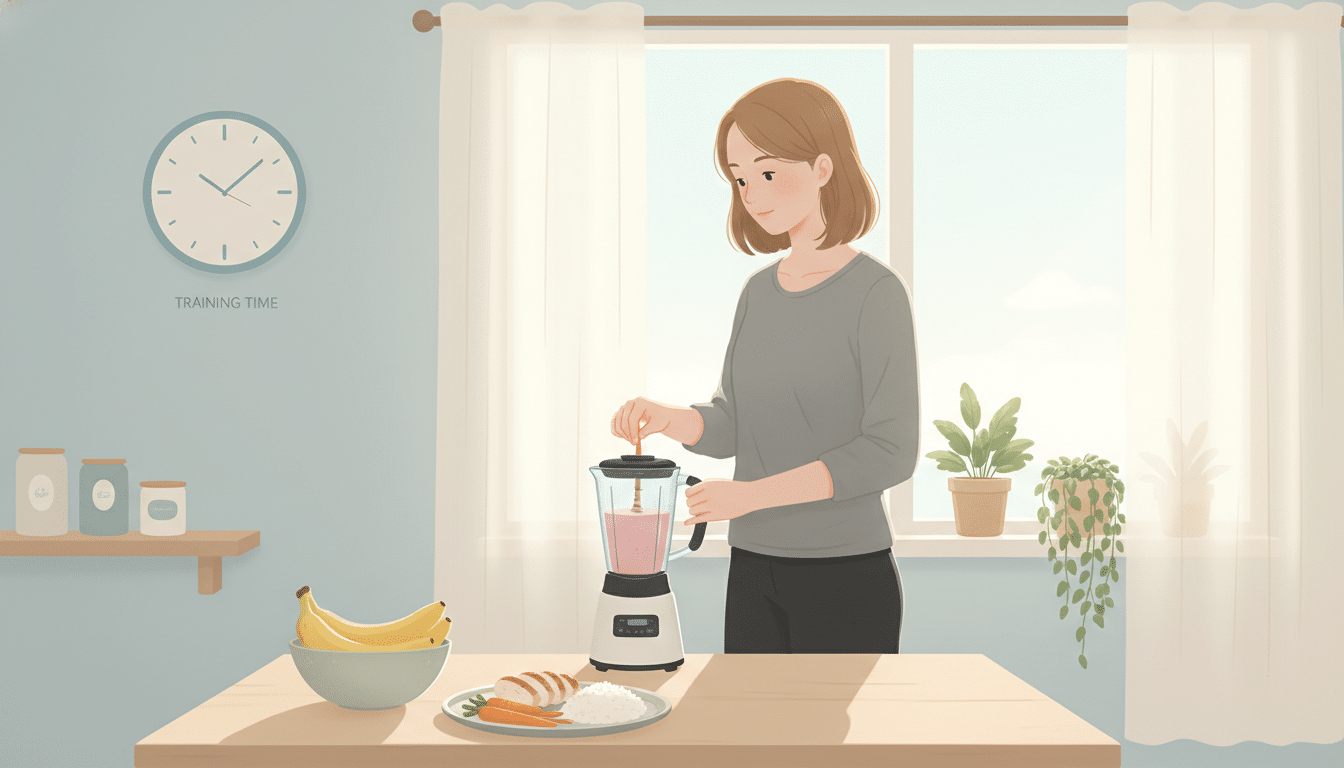
One to three hours before
If you have 1–3 hours, eat a small meal with easy carbohydrates and moderate protein. This steadies energy and cuts hunger during the session.
Keep the amount moderate so your stomach feels light. Stop heavy fats and big portions that slow digestion.
Thirty to sixty minutes before
With 30–60 minutes, pick a light, quick-digesting snack. A banana or an energy bar supplies fast carbohydrate fuel with less risk to comfort.
When to avoid eating within an hour
If you cramp easily, skip solid food in the final hour. Use a small sipped carbohydrate drink instead to lower cramping risk.
Adjust for mornings and evenings
For early sessions, stick to a tiny snack plus water if a full meal feels heavy. For evening work, shift larger meals earlier so you don’t train on a full stomach.
- Practice the exact timing you’ll use on event day.
- Change only one variable at a time: time or portion size.
| Window | What to eat | Suggested amount |
|---|---|---|
| 1–3 hours | Easy carbs + moderate protein (toast + yogurt) | Small plate; keep portions controlled |
| 30–60 minutes | Light carbohydrate snack (banana, bar) | One piece or one bar |
| Sipped carb drink or water | Small sips; avoid solids |
Low fiber foods before training: best options and easy meal ideas
Pick quick-digesting carbs and pair them with gentle protein to keep energy steady and your stomach calm.
Fast carbohydrate choices help you move without gut drag. Aim for plain options like white rice, pasta, white bread, bagels, rice cakes, and potatoes.
Lower-fiber fruit picks
Choose fruits that are easy to chew and digest: bananas, applesauce, fruit pouches, or a simple smoothie you have tested.
Stomach-friendly protein
Use mild protein to add staying power: Greek yogurt, cottage cheese, eggs, lean chicken, or a protein shake.
Meal and snack examples
- Bagel with peanut butter plus a protein shake — steady fuel and quick digestion.
- Burrito bowl with white rice and lean chicken — a balanced meal for moderate sessions.
- Yogurt stirred with applesauce or mashed banana — light and familiar.
- Quick snack: banana, rice cakes with jam, or a fruit pouch for a last-minute boost.
| Option | When to eat | Why it works |
|---|---|---|
| White rice bowl | 1–3 hours | Easy carbs and low bulk |
| Bagel + yogurt | 1–2 hours | Carb plus gentle protein |
| Fruit pouch / banana | 30–60 minutes | Portable quick fuel |
Test each option on regular sessions so your stomach and performance respond well. For more quick ideas, see quick pre-workout snacks.
Match your food to your training type and goals
Match what you eat to the type of session so your body gets the right fuel. Pick options that support your purpose that day and protect comfort. Test choices on practice days so you know how your body reacts.
Cardio and endurance
For cardio and long runs, prioritize simple carbs and limit fat and fiber. That lowers the chance of stomach pain or urgent trips to the restroom.
Eat earlier for long efforts. Keep portions steady and avoid beans, lentils, and high-fat sauces close to start.
Strength and gym sessions
For lifting, balance carbs with protein so you perform hard sets and also aid recovery. A moderate meal with a lean protein and quick carbs works well 1–2 hours out.
If your goal is muscle gain, treat that meal as part of your daily protein plan. For fat-loss goals, keep portions controlled but don’t skip fuel for heavy work.
Yoga, Pilates, and mobility
Keep portions light so you can breathe and move. Avoid bloating triggers like beans, corn, and cruciferous vegetables on practice days.
Small, familiar snacks help you stay calm and steady during slow, flexible sessions.
| Session | Best pick | Why it works |
|---|---|---|
| Cardio / endurance | White toast, banana | Fast fuel, low bulk |
| Strength | Yogurt + toast, egg sandwich | Protein + carbs for performance and recovery |
| Yoga / mobility | Small smoothie or applesauce | Light, easy to digest |
- Use the same core food choices on key days so your gut learns the routine.
- Make food part of the plan, not a gamble on event day.
Hydration and electrolytes to support performance and reduce cramping
Good hydration means starting your session with steady fluids, not scrambling to catch up. Drink water earlier in the day so your body arrives topped up. Dehydration can cause headaches, sluggishness, and a drop in performance.
Water intake and why it matters
Water keeps your blood volume stable and helps temperature control. When you’re low on water, your effort feels harder and recovery slows.
Sip regularly instead of chugging right before you start. Make hydration a habit so the body won’t be trying to play catch-up on session day.
Which electrolytes matter and what they do
Electrolytes—sodium, potassium, magnesium, and calcium—help muscles contract and control fluid balance. Losing them through sweat can raise the chance of cramps and fatigue.
Practical drink options
Choose what fits the session and your stomach. A sports drink gives quick carbs plus sodium. Coconut water or maple water offers a lighter electrolyte option if the taste works for you.
Use a carb drink when solid food feels heavy; it adds fuel and fluids in one step.
- Drink water before you start so your body is ready.
- Sip through the day—hydration is a habit, not a rescue.
- Replace electrolytes when you sweat a lot; they support muscle function and fluid balance.
- Keep your drink plan simple on busy days so you don’t forget to show up fueled and hydrated.
| When | Best pick | Why |
|---|---|---|
| Light session | Water | Maintains fluid balance with no heaviness |
| Hot or long session | Sports drink | Replaces sodium and adds quick carbs |
| Prefer natural | Coconut or maple water | Gentle electrolytes with fewer additives |
Conclusion
Stick with familiar snacks on key effort days so your stomach won’t surprise you. Use the meals and timing that you’ve already tested during practice. That simple rule protects comfort and keeps your focus on what matters.
Pick quick-digesting carbs when you need fuel that clears fast. Pair them with small amounts of protein in sessions that benefit from steady power and better performance.
Don’t try new options on event day. Repeat the same plan for a few days leading up to a big effort so you can spot what helps and what hurts.
After you finish, aim for protein plus easy carbs to speed recovery. Good post-session choices make recovery easier and reduce soreness the next day.