

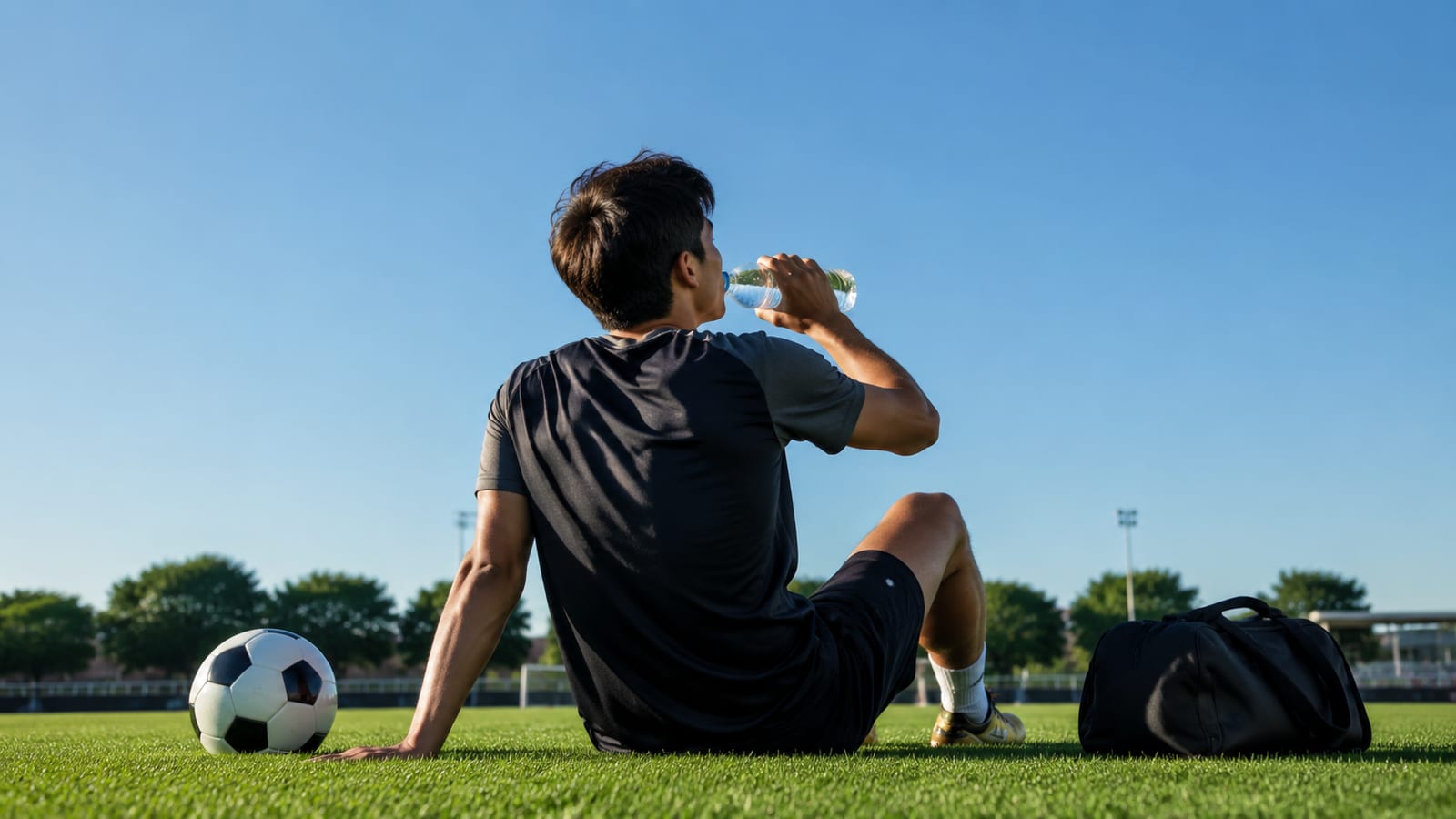
Start with water, regular drinking, and a plan that matches the workout. Hydration tips for young athletes should include water for most practices, a sports drink for long or hot sessions, and salty foods when heavy sweating leaves an athlete needing more sodium. The plan should cover the whole day, including school, travel, practice, and recovery.
Last updated: 2026-09-04
Young athletes should arrive at practice already hydrated. They should drink during breaks, replace fluids after heavy sweating, and avoid forcing large amounts at once. The right plan supports training energy without causing a sloshy stomach or adding an unnecessary cost.
Hydration directly supports performance
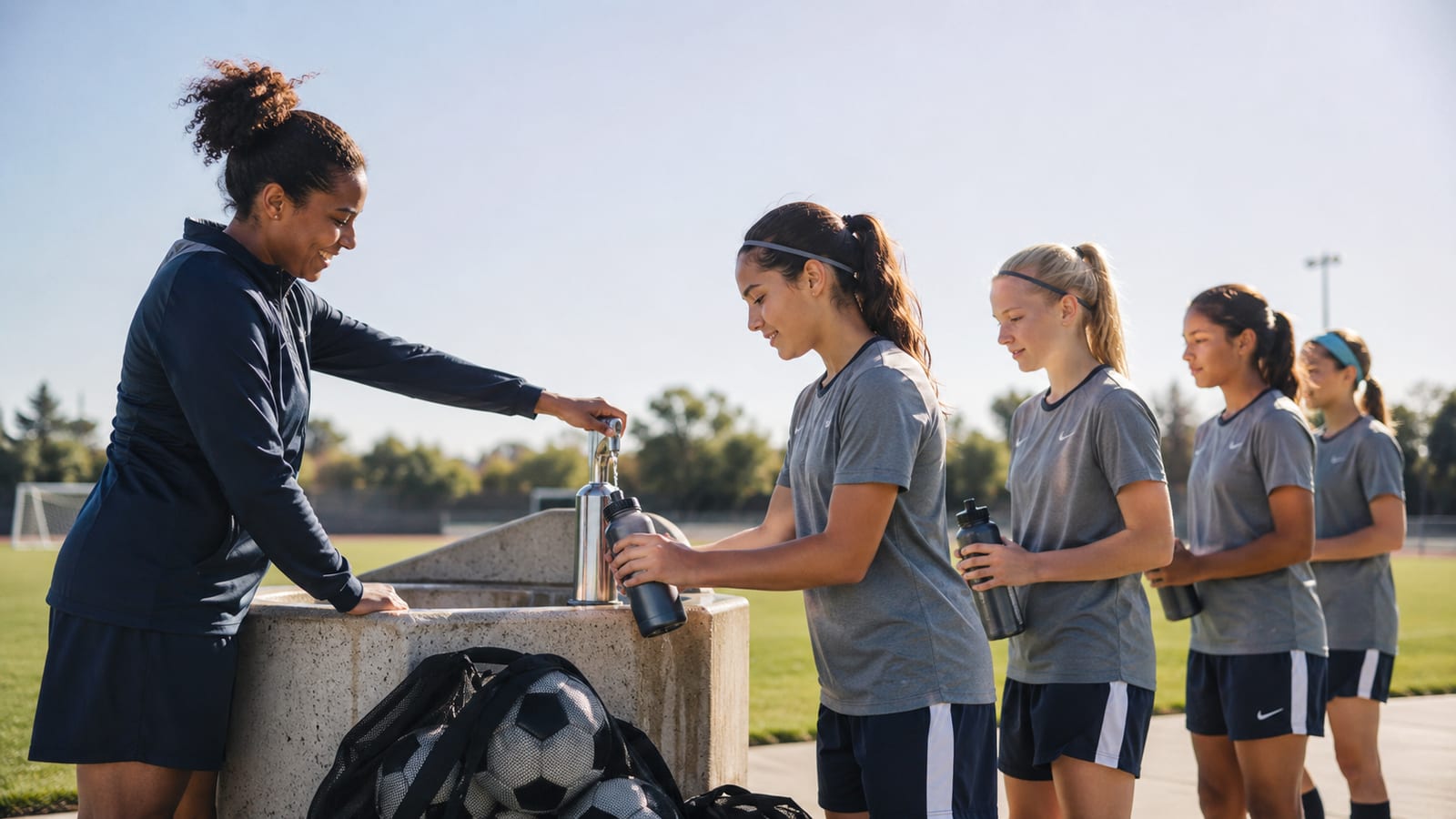
Fluid helps regulate body temperature and keeps the blood volume needed to deliver oxygen and nutrients to working muscles. It also supports the brain, which matters every time an athlete has to listen, react, pass, or change direction.
Even mild fluid loss can make training feel harder. An athlete may notice:
- Lower endurance
- More fatigue
- Poorer concentration
- Slower decision-making
- Less power
- Worse coordination
- Headache or lightheadedness
Those changes matter in every sport. A tired soccer player may miss a defensive run. A basketball player may lose focus on a play. A runner may struggle to hold pace. Hydration cannot replace food, sleep, or good coaching, but poor hydration can make all three feel less effective.
Young athletes also depend on adults to make fluids available. A full bottle in the car does little if the athlete cannot drink during school, travel, practice, or a tournament. Access is part of the plan.
Build a simple daily hydration routine
Do not wait until practice to catch up. Young athletes should drink with meals, carry fluids to school and training, and take regular drinks during travel.
A simple routine looks like this:
- Drink water with breakfast.
- Pack a bottle for school.
- Drink with lunch and afternoon snacks.
- Refill the bottle before leaving for practice.
- Drink during scheduled breaks.
- Have fluids with the post-practice meal or snack.
Daily needs vary with body size, food intake, weather, training load, and sweat rate. A practical starting range for young athletes is ½ to 1 ounce of water per pound of body weight daily. That amount gives you a starting point for the day. Don’t force water past comfort.
Milk, yogurt, fruit, soup, and other foods also provide fluid. However, water should still be easy to reach. Sweet drinks can add more sugar than the athlete needs, while energy drinks bring caffeine and other ingredients that young athletes usually do not need.
Parents and coaches can make the routine easier by using the same bottle each day. A bottle that stays in the car, under a pile of gear, or at home does not count. For athletes who forget, pair drinking with fixed events such as breakfast, lunch, the bus ride, and the first team break.
Pre-exercise hydration: timing and amounts
Young athletes should Drink at least 10–16 ounces of water two hours before exercise, then another 8–16 ounces 15–30 minutes beforehand.
These are useful starting targets. The athlete’s sweat rate, bathroom access, and stomach tolerance also matter.
The timing gives the body a chance to absorb the fluid and remove what it does not need. Drinking a large amount immediately before warm-up can leave an athlete uncomfortable or searching for a bathroom.
A pre-practice plan might look like this:
- Drink with the meal before training.
- Add water during the two hours before exercise.
- Take the final drink 15-30 minutes before activity.
- Stop forcing fluids once the stomach feels full.
- Bring a bottle for the session.
If the athlete arrives thirsty, has a dry mouth, or has dark urine, the plan started too late. Drink steadily earlier in the day instead of trying to fix the problem in the parking lot.
Hydration during practices and competitions
During exercise, athletes should take four to six big gulps of water every 15-20 minutes. Coaches should build drinking into breaks, timeouts, substitutions, and between-event pauses.
That habit needs to fit the sport. A distance runner may drink at planned course stations. A soccer player may drink during stoppages. A swimmer may need reminders between events. A football player may need more frequent access because pads and heat can increase fluid loss.
The session changes the plan:
- A short, moderate practice usually needs water.
- A long practice may need more frequent drinking and some carbohydrate.
- Hot or humid conditions can increase sweat loss.
- Heavy uniforms and protective equipment can make cooling harder.
- Back-to-back games leave less time to replace fluid.
- Limited breaks require drinking before and after activity as well.
Do not make athletes share one bottle or wait until the end of practice. Keep fluids available and teach athletes to take a drink before they feel desperate. Still, avoid forcing huge amounts. Too much fluid can cause stomach pain and, in rare cases, dangerous low blood sodium.
The hydration tips for soccer players cover the same basic plan with the stop-and-go demands of a match in mind.
Water is the default for most short sessions
Water is the best default for most short or moderate practices. It hydrates without adding sugar, costs little, and usually sits well in the stomach.
Sports drinks are optional during a normal practice. A drink with carbohydrates and sodium can help during a long tournament, but it adds cost and sweetness to a session that may not need either.
Choose water for:
- Short team practices
- Easy skill sessions
- Moderate strength training
- Activities in mild conditions
- Sessions where the athlete can eat a normal meal afterward
Water also works well for daily drinking. Young athletes do not need a sports drink in their backpack all day. Regular meals provide carbohydrates and sodium, while water covers routine fluid needs.
Parents can save money by using tap water and a reusable bottle. Add a normal snack after practice if the athlete needs fuel. A banana, sandwich, yogurt, pretzels, or leftovers will usually do more for recovery than a brightly colored drink alone.
When sports drinks earn a place
A sports drink earns a place during prolonged, intense, hot, or high-sweat exercise. Its carbohydrates can support training energy, while its sodium can help replace some of the salt lost in sweat.
Good situations may include:
- Long tournaments with short gaps between games
- Hard sessions lasting much of the afternoon
- Competition in hot or humid weather
- Athletes who sweat heavily
- Back-to-back practices or events
- Sessions where eating solid food is difficult
The drink should match the work. A young athlete does not need one simply because a team sponsor provides it. The athlete may also prefer water plus a carbohydrate snack, such as pretzels, fruit, a bagel, or a jam sandwich.
Keep the serving reasonable and test it during practice. A new drink on game day can cause stomach trouble. Also, sports drinks are different from energy drinks. Energy drinks may contain caffeine and are a poor choice for young athletes.
For a closer comparison, see sports drinks versus water.
Electrolytes and sodium replacement
Sodium is the main electrolyte lost in sweat. It helps the body hold and use fluid, but the need for replacement depends on how much the athlete sweats and how long the session lasts.
Sodium deserves more attention after:
- Heavy sweating
- Long practices
- Hot-weather competition
- Several games in one day
- Visible salt marks on clothing or equipment
- A history of headache or poor recovery after sweaty sessions
Food can replace sodium after training. A turkey sandwich, soup, cheese and crackers, a burrito, or pretzels may be enough alongside water. A sports drink can help during longer exercise when the athlete also needs carbohydrate.
Heavily salting every workout is poor advice. Sweat losses differ between athletes, and more sodium is not automatically better. Athletes with a medical condition, a prescribed diet, or repeated symptoms should ask a qualified clinician or sports dietitian for an individual plan.
Post-exercise rehydration supports recovery
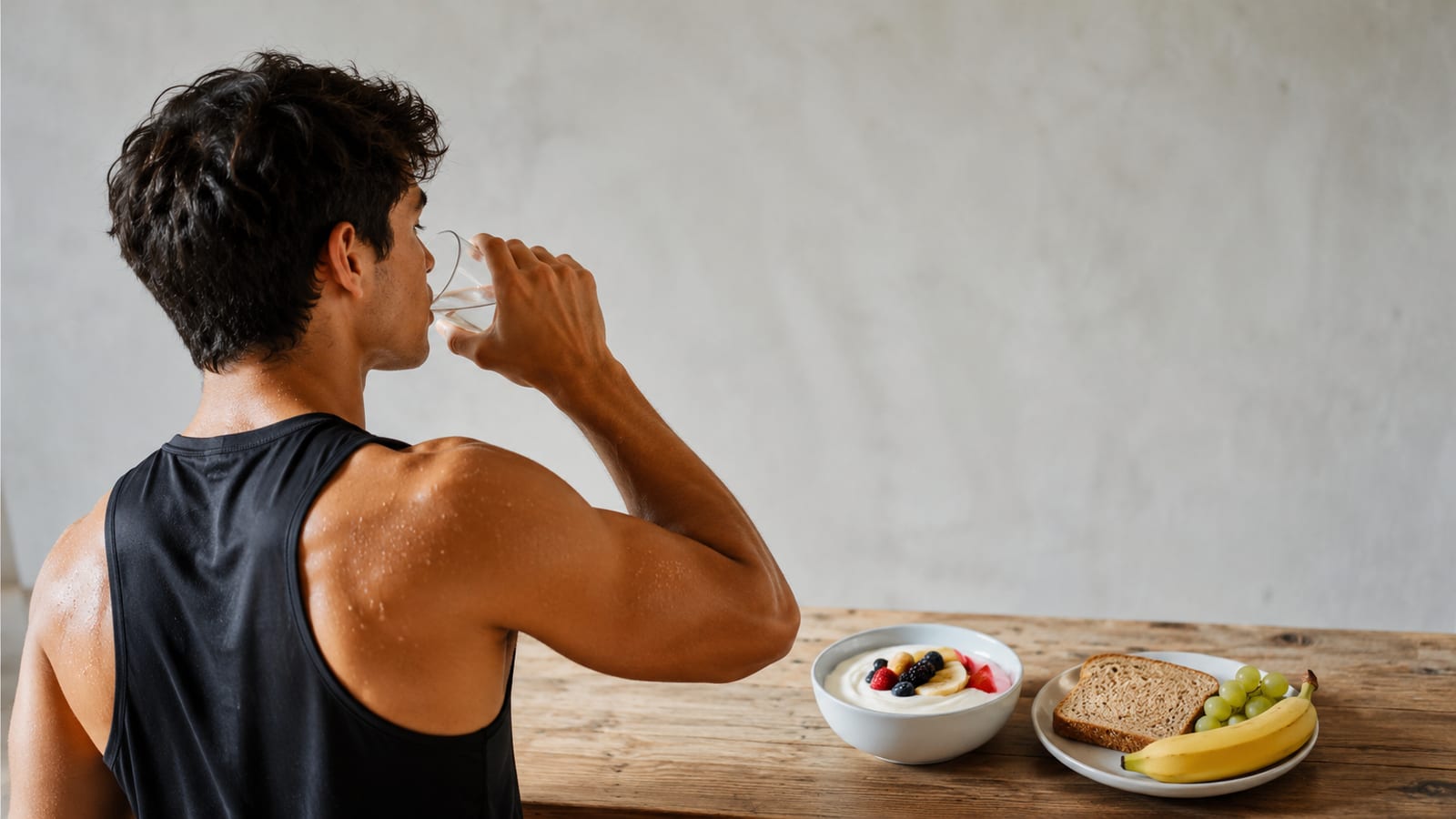
After exercise, drink 24 ounces for every pound of water weight lost. This specific method applies to athletes who weigh before and after training and know the change reflects fluid loss.
Most young athletes do not need to weigh themselves after every practice. For regular sessions, start with water and a normal meal or snack. Include carbohydrates, protein, and a source of sodium after heavy sweating.
Useful recovery choices include:
- Chocolate milk with a bagel
- Rice with eggs
- A chicken burrito
- Pasta with meat or tofu
- Yogurt with cereal and fruit
- A turkey sandwich with pretzels
Drink steadily after training instead of gulping a large bottle all at once. This matters even more before another practice, game, or long drive home. Recovery is easier when food and fluids are packed before the athlete leaves.
Dehydration signs and symptoms
Thirst is an early sign, but it is not the only one. Watch for changes in energy, focus, coordination, and mood.
Possible early signs include:
- Thirst
- Dry mouth
- Dark urine
- Headache
- Unusual fatigue
- Reduced concentration
- Feeling weak
- Irritability
- Muscle cramps
More serious warning signs include dizziness that does not improve, confusion, vomiting, fainting, or poor coordination. Stop exercise and move the athlete to a cooler place if these appear. Confusion, fainting, or worsening symptoms need urgent medical help. The Centers for Disease Control and Prevention heat illness guidance also advises prompt action for serious heat-related symptoms.
Do not send an athlete back into play because they drank a few sips and feel embarrassed about stopping. Heat illness can worsen quickly. Signs of dehydration during exercise can help parents and coaches review the warning signs before the season starts.
Hydration and injury risk
Dehydration can increase fatigue and heat strain. It may also affect coordination and movement quality, which can make an athlete less able to land, cut, or react safely.
Cramps are more complicated than a simple lack of water. Fatigue, heat, training load, conditioning, and sodium loss can all play a role. Drinking more water may help some athletes, but it will not fix every cramp.
Hydration is one part of injury prevention. Young athletes also need gradual training increases, rest, enough food, suitable equipment, and attention to pain. A full bottle cannot cancel out poor recovery or an overloaded schedule.
Adjust the plan to digestion, schedule, and access
A hydration plan has to work during real school days and real competitions. Some athletes cannot take frequent bathroom breaks. Others get stomach discomfort from drinking too much at once.
Use these simple adjustments:
- Sensitive stomach: Take smaller drinks more often. Avoid gulping right before activity.
- Forgotten bottle: Pack it with shoes or the uniform, not in a separate place.
- Limited breaks: Drink with meals and before practice. Use every planned break.
- No sports drink budget: Use water during most sessions, then provide food after training.
- Hot conditions: Start drinking earlier and arrange more cooling breaks.
- Heavy equipment: Treat pads, helmets, and layers as part of the heat plan.
- Back-to-back events: Pack water, easy carbohydrates, and salty foods before leaving home.
- Travel days: Bring fluids in the car and drink with packed meals.
Athletes should test the plan during practice. Competition is a poor time to try a new bottle, drink, flavor, or drinking schedule.
Also, do not use urine color as a reason to force water constantly. Dark urine can signal a need to drink, but clear urine all day may mean the athlete is overdoing it. The goal is steady hydration and comfortable training.
A simple hydration checklist for young athletes
Use this checklist before the athlete leaves home:
Before practice or competition
- Drink with meals and snacks.
- Carry a filled water bottle.
- Drink at least 10-16 ounces of water two hours before exercise.
- Drink another 8-16 ounces 15-30 minutes before exercise.
- Pack extra fluids for heat, long events, or travel.
During activity
- Take four to six big gulps every 15-20 minutes.
- Drink at breaks, timeouts, and between events.
- Use water for most short or moderate sessions.
- Consider a sports drink for prolonged, intense, hot, or high-sweat exercise.
- Stop and tell an adult about dizziness, confusion, vomiting, or unusual weakness.
After activity
- Start drinking soon after training.
- Eat carbohydrates and protein with the recovery meal or snack.
- Include salty food after heavy sweating.
- Replace measured losses with 24 ounces for every pound of water weight lost.
- Prepare fluids and food before the next session.
The best hydration tips for young athletes are simple enough to use without tracking every ounce. Drink regularly, match the drink to the training load, and take warning signs seriously.
FAQ
Can young athletes drink too much water?
Yes. Forcing large amounts of plain water can upset the stomach and may lower blood sodium during prolonged exercise. Encourage regular drinking instead of constant gulping, especially during long events.
Should a young athlete drink more on rest days?
Activity, heat, and sweating usually drive the biggest changes. On rest days, keep the normal meal-and-bottle routine, but there is no need to drink as if a tournament is underway.
Do flavored waters hydrate young athletes?
Yes, if the athlete drinks them comfortably. Check the label for caffeine and heavy added sugar, especially for children. Plain water remains the simplest daily choice.
Should parents weigh a child before and after practice?
Not for routine training. Weight changes can help a qualified professional assess sweat loss, but young athletes should not be pushed into constant body checking or rigid fluid targets. Use it only with proper guidance.