


Learning how to avoid stomach issues before training can change a workout from uncomfortable to confident in one simple plan.
Runner’s stomach is common in endurance athletes. Research shows roughly 30–50% of endurance athletes report GI symptoms during hard exercise.
This short guide sets a clear goal: help you pick timing, foods, and fluids that keep your gut calm on runs and race day.
You’ll get a step-by-step timing plan, a short list of common trigger foods and drinks, and practical advice you can test and tweak.
Remember: different bodies react differently, so small experiments matter. And if you ever see blood in vomit or stool, or have severe pain, seek medical care right away — that needs attention beyond nutrition tips.
Know what “runner’s stomach” looks like and when it can happen
Many runners notice specific gut signals that tell them something’s off while they run. Trackable signs help you spot patterns and make simple changes.

Common symptoms athletes report during exercise
- Urgency or an urgent need to stop and use the bathroom.
- Loose stools or diarrhea.
- Nausea, cramping, bloating, and side stitches.
- Heartburn and abdominal pain.
Upper GI versus lower GI feelings
Upper GI symptoms feel higher in the belly: nausea, reflux, heartburn, and sharp pain near the stomach.
Lower GI symptoms show lower in the abdomen: gas, cramps, loose stools, and urgent bowel needs.
Why symptoms change from run to run
Symptoms can show up mid-run, right after a hard finish, or later the same day. Intensity, stress, weather, hydration, and recent food all change the response.
Simple tracking habit
Note timing, foods, fluids, intensity, and bathroom outcomes after sessions. Over a few runs, patterns usually become obvious.
Understand the main causes of gut problems during exercise
Pushing intensity can reroute blood and trigger common GI reactions in many athletes. Below we break down the main causes in plain words and give quick, real examples you can relate to.
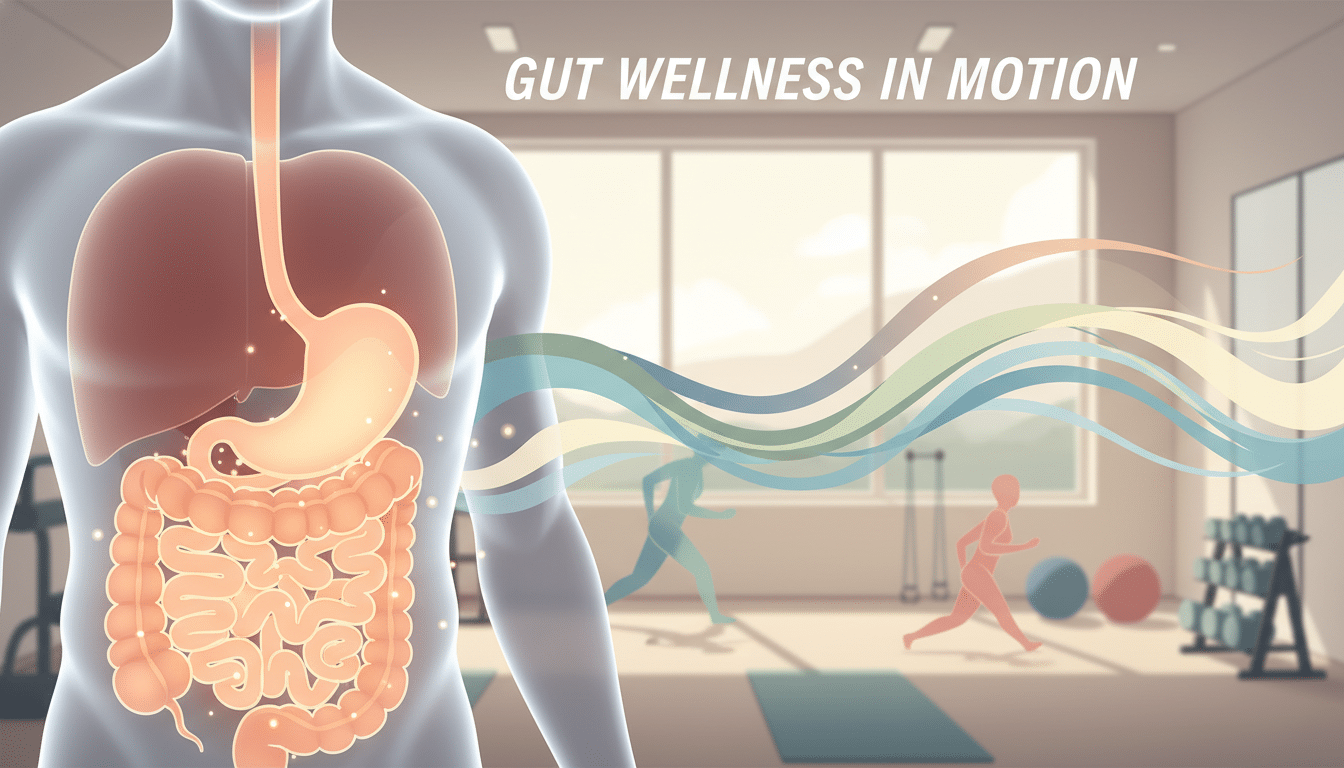
Reduced blood flow during harder efforts
When you sprint or race, blood shifts from digestion toward working muscles. At maximal effort, gut blood flow can drop dramatically. That shift often brings nausea, cramping, or sudden urgency.
Mechanical jostling from running
Repeated impact shakes the GI tract. That motion speeds bowel contractions and can create the classic “runner’s trots” during long or fast runs.
Stress response and race-day nerves
Stress turns on fight-or-flight. That reaction can push the gut toward diarrhea or temporary constipation, especially on race day.
Nutrition and hydration triggers
Very concentrated carbohydrate drinks or high-osmolality mixes pull extra water into the intestines and hurt absorption. Both low water and overdrinking make cramps, nausea, and diarrhea more likely.
Quick reminder:
These causes stack: a hard session plus nerves and a new gel can create a perfect storm.
- Hard effort → less blood flow to gut
- Running impact → faster bowel motion
- Nerves → fight-or-flight gut changes
- Concentrated carbs or wrong fluid → absorption problems
| Cause | What happens | Real example | Simple fix |
|---|---|---|---|
| Reduced blood flow | Digestion slows; cramps or nausea | Fast 5K effort → mid-race nausea | Reduce intensity or test fueling in training |
| Mechanical jostling | Speeded bowel contractions | Long run with many strides → urgent need for bathroom | Lower impact sessions, timing changes |
| Stress response | Diarrhea or constipation | Pre-race nerves → loose stools | Breathing drills, familiar routine |
| Nutrition & hydration | Poor absorption; water shifts | New high-carb drink → cramps | Use tested carbohydrate mixes and steady fluids |
How to avoid stomach issues before training with a simple timing plan
A simple schedule for dinner, a pre-run meal, and a 60-minute snack helps steady energy and digestion.
The night before: top off carbs, keep fiber low
Goal: refill glycogen and quiet the gut.
Choose carb-focused dinners with low-fiber veggies. Good picks: pasta with chicken, a rice bowl with lean protein, or a plain pizza without heavy greens.
3–4 hours prior: simple carbs plus moderate protein
Goal: steady energy and easy digestion.
Eat a moderate meal of simple carbs and some protein with low fat. Try peanut butter toast with banana, a smoothie with Greek yogurt and honey (if dairy suits you), or a small rice bowl with lean meat.
About 60 minutes before: small, fast-digesting carbs
Goal: top up energy without bulk in the stomach.
- Banana or peeled apple
- Pretzels or a rice cake
- A tested sports gel or half a waffle
Practical note: match portion size to planned intensity and your history. Bigger meals sit longer. Test this schedule on easy days and race-pace sessions. If dairy or high fiber usually causes problems, skip them in the 24 hours leading up to a long run.
Choose foods and drinks that digest fast and reduce GI symptoms
Pick foods and drinks that empty quickly so you start sessions with steady fuel and less gut bother. Small changes give reliable effects.
Limit fiber, fat, and large protein portions
Why it matters: Fiber, fat, and big protein portions slow gastric emptying. That delay increases sloshing, nausea, and cramping when you run hard.
Simple swaps help: choose white rice instead of brown rice, plain bagels instead of high-fiber bread, and lean turkey or a small yogurt rather than a steak near session time.
Avoid common gut irritants
Skip alcohol, heavy caffeine, and spicy foods before key sessions. They can inflame the gut lining or speed bowel contractions.
Also note NSAIDs (ibuprofen, naproxen). For some athletes, these raise gut risk, especially around long efforts.
Be careful with lactose and high-fructose items
If milk products usually cause loose stools, try lactose-free dairy or plant milks. That switch often stops mid-run problems.
High-fructose snacks and drinks can also trigger cramps or diarrhea, especially when fructose is the only carb source. Pick glucose-based or mixed-carb products if you notice a reaction.
- One change at a time: test a swap on an easy run so you can spot the real trigger.
- Keep it simple: fewer ingredients means fewer surprises on race day.
Hydrate in a way that supports digestion and absorption during exercise
Build steady fluid habits across several days before big efforts. This gives your body time to reach normal water balance and helps digestion work on race or long-run day.
Build hydration over days, not just the morning of
Start three days out: drink regular water across the day and include a salty snack if sweat is high. That helps your body hold fluid and supports blood volume.
Target for endurance sessions
Aim for about 16–20 ounces of fluid per hour during long efforts. Adjust up in heat or if you sweat heavily. Adjust down if you feel bloated or sloshy.
Pair fluids with carbs for better absorption
Take your fluid with carbohydrate sources. Fluids help move carbs into the gut for absorption and reduce the chance that fuel will sit heavy.
- Why it matters: water is needed for digestion and for the body to absorb carbohydrate during exercise.
- Check simply: use urine color and small morning weight trends to guide daily fluid needs.
- Warning: low water raises cramps and nausea risk; overdrinking can add gut volume and dilute fuel.
| Situation | Recommended fluid | Quick tip |
|---|---|---|
| Cool day, easy pace | 16 oz/hour | Stick with plain water or light sports drink |
| Hot or sweaty | 18–20 oz/hour | Add electrolytes and test in practice |
| Short session & low sweat | 8–12 oz/hour | Smaller sips; avoid overdrinking |
Practice your race-day gut plan in training to “train the gut”
Practice your race fuel routine in real workouts so your gut learns what to accept during big efforts. Treat long runs and key sessions as experiments. Make each trial feel like race day: pacing, clothing, and fueling all match the plan.
Test only proven foods and gels
Use items you’ve tried 3–4 times. Kim Lowry and many coaches recommend repeating a product in practice before race day. That lowers the chance of surprise symptoms on race day.
Fuel targets and step-up strategy
Aim for 30–90 grams of carbs per hour on longer sessions. Start low if your gut is sensitive. Add 10–15 g per hour every 1–2 weeks while monitoring symptoms.
Make tests realistic
- Test one product at a time: gel brand, chew, or drink mix.
- Try serving sizes at race pace, not just easy runs.
- Vary timing between doses (e.g., every 20 vs. 30 minutes) to find your sweet spot.
| What to test | Example | When to test | What to watch |
|---|---|---|---|
| Gel brand | Brand A single gel (20–25 g) | Long run at race effort, 60–90 min in | Nausea, bloating, bowel urgency |
| Liquid mix vs. chews | Sports drink (60 g carb/L) vs. chews | Race-pace tempo of 90 min+ | Energy steady, absorption, taste fatigue |
| Serving timing | Every 20 min vs. every 30 min | Two separate sessions at similar intensity | Performance, GI symptoms, perceived effort |
Keep a repeatable routine. When your fueling, nerves, and pacing feel familiar, race day confidence grows. If you want a structured multi-day fueling example for long-distance runners, check this full diet plan.
Conclusion
Small habit changes beat last-minute fixes. Build a simple system and repeat it in regular sessions. That steady routine often cuts mid-run gut surprises and raises confidence.
Pick one change first — timing, or cutting fiber — and test it during a normal training week. Track results, then add another tweak if needed.
Keep race-day nutrition simple and familiar. New products raise the chance of symptoms, so stick with what you’ve proven in practice.
Medical note: seek care if you see blood in vomit or stool, or if symptoms last more than 24 hours.
Use the timing plan, hydration target, and gut-training guidelines as a checklist before key sessions. This article gives practical advice you can use now.