


What if the biggest mistake you make after a workout has nothing to do with your cool-down or protein shake?
More than half of all athletes show up for their sessions already behind. They start training in a dehydrated state.
Your body is about 60 percent water. Every single process inside you needs it to function.
Muscle repair, waste removal, even thinking clearly—they all depend on sufficient fluid levels.
Yet, data shows the average adult drinks only 44 ounces per day. For active people, that’s often not enough.
This shortfall doesn’t just hurt your performance during exercise. It directly slows down how fast you bounce back.
When you’re low on fluids, your cardiovascular system works harder. Thermoregulation suffers. Your body struggles to clear metabolic waste.
All of this means more soreness and a longer wait to feel ready again.
This article explains the direct link between your fluid intake and how you repair. You’ll get clear, actionable steps to improve your post-workout routine starting today.
Understanding the Hydration and Recovery Connection
Post-workout soreness and fatigue might be more about what you drink than what you do.
Your physical system is 55 to 65 percent water. Every cell relies on this liquid for basic operations.
Water’s Role in Body Functions
It maintains your core temperature. This process is called thermoregulation.
It also helps remove cellular waste through sweat and breath. Without enough, waste like lactic acid stays.
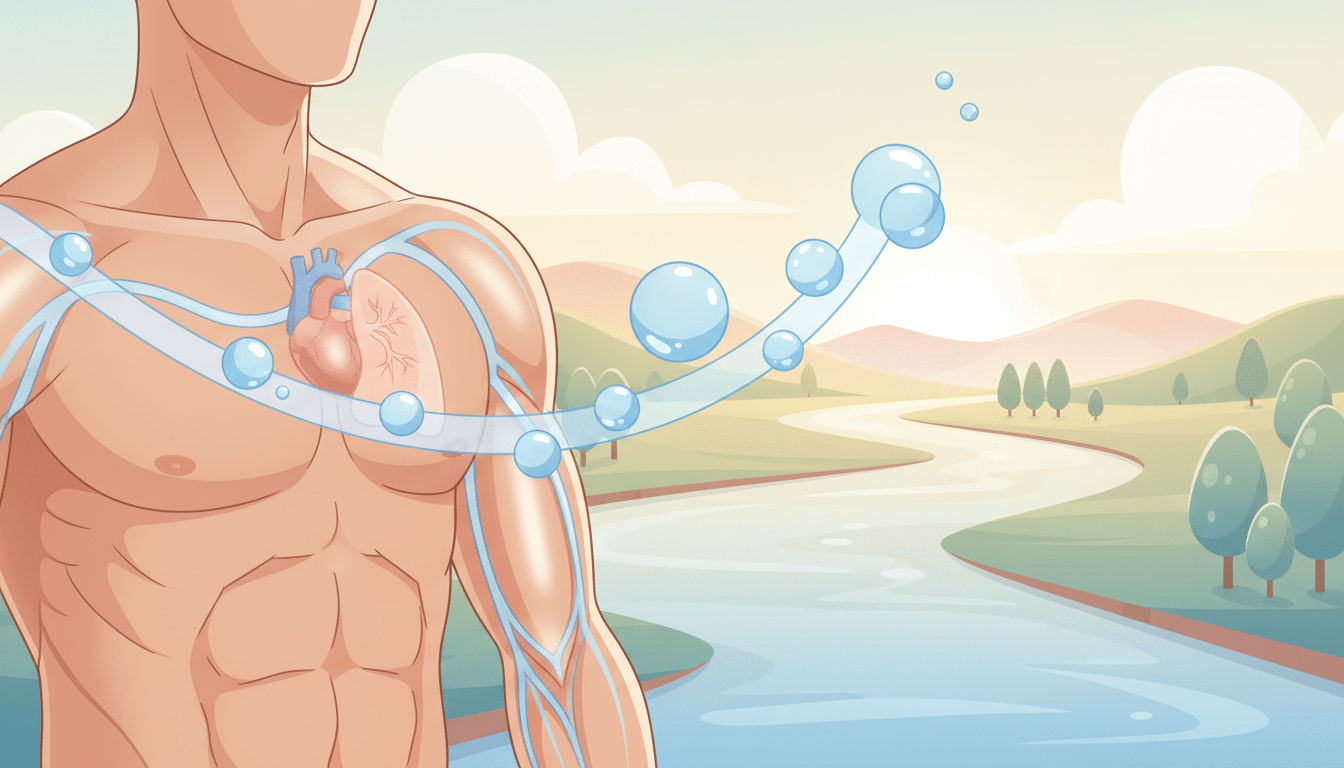
Impact on Performance and Cognition
Even mild loss strains your cardiovascular system. Your heart rate and blood pressure rise.
This added stress slows nutrient delivery to recovering muscles. Fatigue lasts longer.
Your brain suffers as well. Proper levels support memory, concentration, and reaction time.
Insufficient intake impairs simple mental tasks. You think and move slower.
| Body System | Hydrated State | Dehydrated State |
|---|---|---|
| Temperature Control | Efficient cooling | Overheating risk |
| Waste Removal | Quick clearance | Slow, soreness |
| Cardiovascular | Stable pressure | Elevated stress |
| Cognitive Function | Sharp focus | Impaired thinking |
Adequate intake protects organ health. It speeds up restoration from hard sessions.
Hydration Strategies for Pre, During, and Post-Exercise
Smart fluid intake before, during, and after activity is a game-changer for how you feel. It’s all about timing.
Pre-Workout Hydration Tips
Start your session right. Drink 3 to 4 glasses of water, about 24 to 32 ounces, at least 60 minutes before training.
This gives your body time to absorb the fluids. If you’re active in heat, begin earlier in the day.
During Exercise Hydration Practices
Sip water every 20 minutes during your workout. This supports muscle function and temperature control.
For training sessions longer than 60 minutes, include drinks with electrolytes like sodium. They help maintain performance.
Post-Workout Recovery Hydration
Replenish fluids quickly after finishing. Aim for 2 to 3 glasses, or 16 to 24 ounces, within an hour.
Check your urine color. Light yellow means you’re on track. Dark yellow means you need more.
| Phase | Key Action | Primary Benefit |
|---|---|---|
| Pre-Workout | Drink 24-32 oz water 60+ min before | Prepares body, improves performance |
| During Exercise | Sip every 20 min; add electrolytes for long sessions | Maintains function, prevents fatigue |
| Post-Workout | Consume 16-24 oz water within 1 hour | Speeds repair, restores fluid balance |
Active adults often need 80 to 100 ounces per day. Keep a water bottle handy to hit your goal.
Hydration Impact on Joint Health and Muscle Function
Stiffness after a workout could be a sign your joints aren’t getting the fluid they need.
Your body’s cushioning system depends on water.
Supporting Joint Lubrication
Joint cartilage is up to 80 percent water. It prevents bones from grinding together.
Synovial fluid in your knees and hips acts like a gel. This liquid reduces friction for smooth motion.
Dehydration thickens this fluid. Stiffness and mobility loss can follow.
Reducing Inflammation and Muscle Fatigue
Proper fluid levels help control swelling after an injury. This speeds up the repair process.
Muscles need electrolytes to work. Without enough water, imbalances cause tightness and spasms.
Chronic cramps often point to low fluid intake. Knowing the signs of dehydration during exercise helps you act fast.
| Body Part | Hydrated State | Dehydrated State |
|---|---|---|
| Joints | Smooth movement, low friction | Stiffness, higher injury risk |
| Muscles | Efficient contraction, less soreness | Cramps, spasms, fatigue |
| Spinal Discs | Effective shock absorption | Back pain, degeneration risk |
Spinal discs are mostly water. They lose cushioning without proper intake.
Athletes who drink enough throughout the day protect their soft tissue. They experience less pain and faster recovery.
This simple habit lowers your risk during training. It keeps your entire system functioning well.
Conclusion
Think of your water bottle as essential training gear, not just an accessory. Proper fluid levels are foundational for muscle repair and steady performance.
Use the half-your-bodyweight rule as a simple start. A 160-pound person aims for at least 80 ounces daily.
Sip consistently instead of chugging. Add cucumbers or watermelon to your meals. Check your urine color—light yellow is the goal. For a detailed guide on daily needs, see how much water athletes really need.
Make this practice part of your routine. Your body will thank you with faster bounce-back and stronger sessions.