

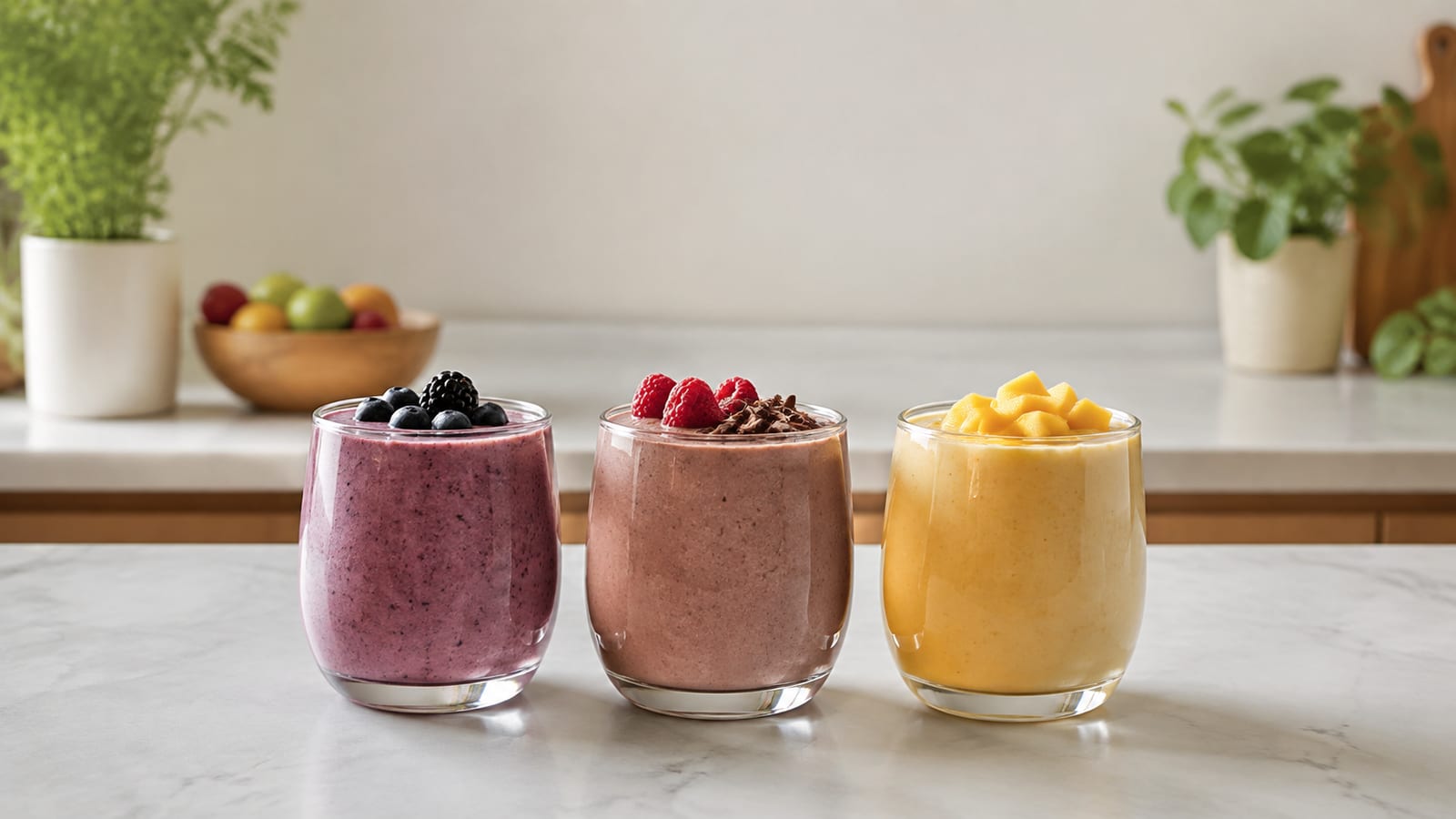
Start with a dependable base. The best high protein vegan smoothie recipes use soy milk or silken tofu, a reliable protein source, fruit, and enough carbohydrates for the training ahead. They don’t need an expensive pile of powders, seeds, and trendy add-ins. Build one you can digest, afford, and make on a busy morning.
Last updated: 2026-08-26
Protein foundations for vegan smoothies
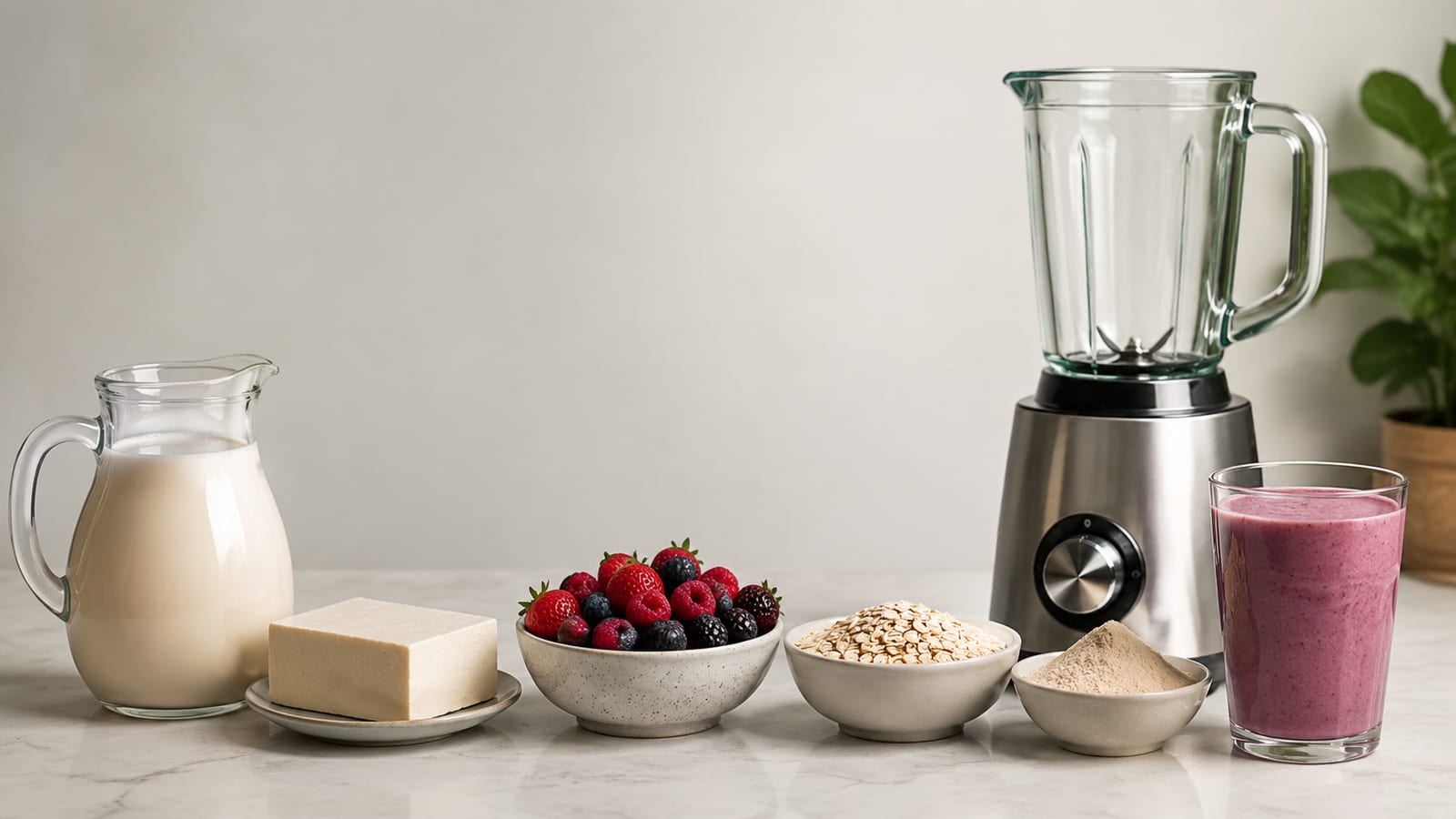
Fruit alone doesn’t make a high-protein smoothie. A banana, berries, mango, and spinach add carbohydrates, fluid, and useful nutrients, but they don’t provide enough protein to carry the meal.
You need a concentrated protein anchor such as:
- Soy milk
- Silken tofu
- Pea or blended plant protein powder
- Hemp hearts
- Soy yogurt
- Nut butter
- Legumes, if your stomach handles them in a blended drink
For most exercising adults, an overall daily protein intake of approximately 1.4 to 2.0 grams per kilogram of body weight per day is sufficient. One smoothie won’t cover the whole day, and it doesn’t need to. It should make one meal or snack more useful.
A practical smoothie should provide a meaningful protein serving alongside carbohydrates. The right amount depends on the rest of your meals, your body size, and your training load. A light snack needs less food than a post-workout meal after a long session.
The protein source also changes the drink. Soy milk gives a familiar, pourable base. Tofu makes the blend thick and creamy. Powder gives you the most protein with the least volume, but some powders bring chalky texture, added sweeteners, or stomach trouble.
What is the simplest customizable vegan smoothie formula?
Use this structure:
- Liquid: soy milk, pea milk, oat milk, or water
- Protein anchor: tofu, soy yogurt, protein powder, or hemp hearts
- Fruit or vegetables: berries, banana, mango, pineapple, spinach, or carrots
- Training carbohydrates: oats, cereal, dates, bread on the side, or extra fruit
- Flavor: cocoa, cinnamon, vanilla, coffee, ginger, or mint
- Optional fat: peanut butter, tahini, avocado, or ground seeds
Start with the liquid and protein anchor. Add fruit, then adjust the thickness with more liquid. This order helps the blender break down tofu, oats, and seeds instead of leaving you with a grainy bottom layer.
For a light snack, use fruit, soy milk, and a modest protein anchor. For breakfast, add oats or another carbohydrate source. After demanding training, make the smoothie easier to drink by limiting heavy fats and very fibrous add-ins.
Hemp hearts are useful when you want more whole-food protein. A standard serving of hemp hearts provides 9–10 grams of protein. They also add fat and a slightly nutty taste, so they’re better in a breakfast smoothie than in a thin drink before running.
Ingredient choices by job
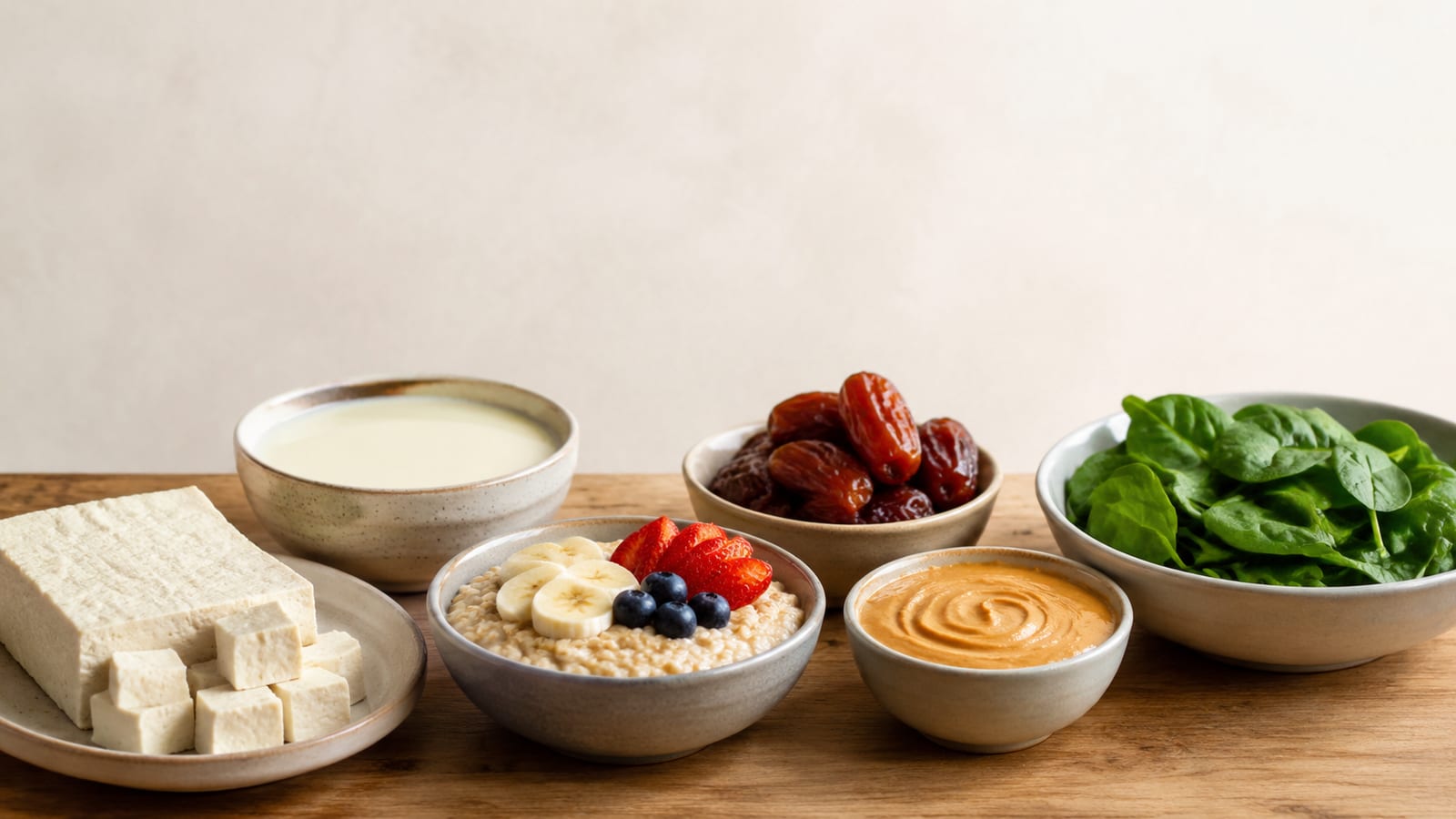
| Smoothie job | Good choices | Practical trade-off |
|---|---|---|
| Higher protein | Soy milk, tofu, pea protein powder | More protein, but tofu can thicken the drink |
| Fast carbohydrates | Banana, mango, dates, juice, oats | Useful for training, but can make the drink filling |
| Creamy texture | Silken tofu, banana, avocado, soy yogurt | Better mouthfeel, with more thickness or fat |
| Lower fiber | Peeled fruit, strained juice, less oats | Easier for some stomachs before training |
| More calories | Peanut butter, dates, oats, avocado | Helpful for hard training, slower to digest |
| Fresh flavor | Berries, ginger, mint, citrus | Acidity can clash with some protein powders |
Vegan protein powder has a clear job
Use vegan protein powder when you need a compact, repeatable protein boost. One scoop of plant-based protein powder provides 15 to 30 grams of protein per serving. That range is wide, so check the label instead of assuming every scoop does the same job.
Powder works well for:
- Post-workout recovery
- Busy mornings
- Athletes who struggle to eat enough protein
- Smoothies that already contain plenty of fruit and carbohydrates
- People who want a higher-protein drink without adding a large amount of tofu or seeds
However, powder isn’t mandatory. Silken tofu and soy milk can create a substantial drink with a smooth texture and no supplement cost. Soy yogurt, hemp hearts, and nut butter also work, although they bring more fat, fiber, or volume.
Powder-free blends usually take a little more planning. You may need to keep tofu chilled, buy soy yogurt, or prepare ingredients in advance. The texture can be better, but the protein total is less predictable unless you read the labels for each ingredient.
Choose a powder that you tolerate. Pea protein suits some people but can feel heavy for others. Rice protein may taste gritty alone. A blended plant protein often mixes more smoothly, but flavor and sweetener choices still vary.
Your best option is the one you’ll make again. A powder that sits untouched in a cupboard has no training value.
Choosing a higher-protein plant milk
Soy milk and pea milk usually give you the strongest protein base among common plant milks. The exact amount varies by product, so read the carton if the protein total matters.
Here’s how the main options generally fit:
| Plant-based milk | Protein role | Best use | Watch for |
|---|---|---|---|
| Soy milk | Strong protein choice | Everyday smoothies and recovery blends | Soy allergy or taste preference |
| Pea milk | Strong protein choice | Higher-protein blends without soy | Thicker texture or distinct flavor |
| Oat milk | Modest protein choice | Carbohydrate-focused breakfast smoothies | Often sweeter and lower in protein |
| Almond milk | Light protein choice | Lower-calorie or thinner smoothies | Usually needs tofu or powder |
| Coconut milk beverage | Flavor and creaminess | Tropical blends | Low protein in most drinkable versions |
| Rice milk | Thin, sweet base | Easy-drinking fruit blends | Low protein and less filling |
Soy milk is the best default for most athletes. It supports the smoothie without needing a long ingredient list. Almond, coconut, and rice milks can still work, but add tofu, soy yogurt, hemp hearts, or protein powder if the drink is meant to replace a meal.
Also check tolerance. A milk that gives you good protein but causes bloating is a poor daily choice. Try a smaller serving on a non-training day before making it your game-day plan.
Which high protein vegan smoothie recipes are worth making?
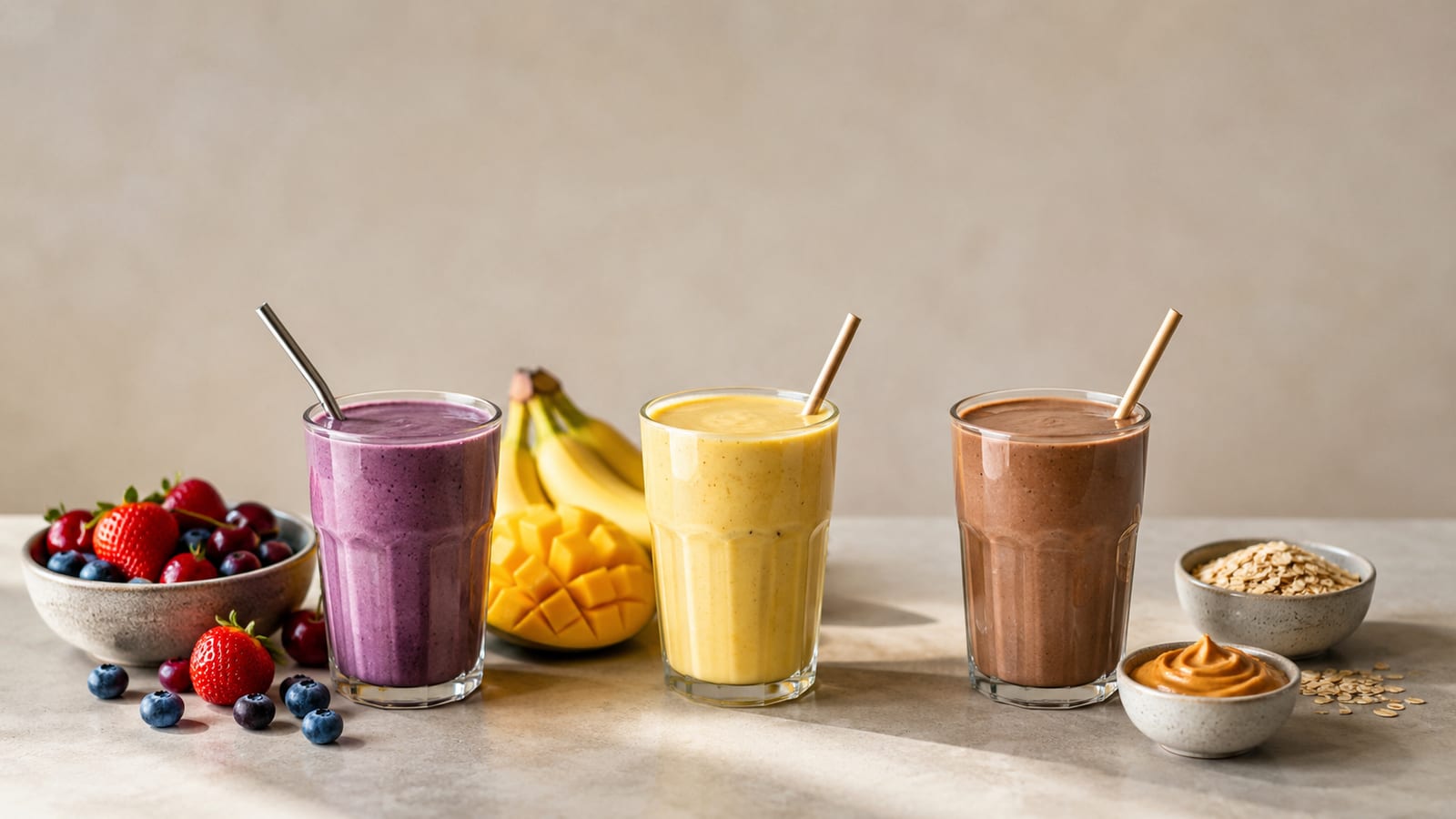
The six blends below cover the decisions that actually matter: cost, protein powder, recovery carbohydrates, breakfast fullness, calories, and digestion.
Everyday Soy-Berry Protein Smoothie
Best default for: breakfast, ordinary training days, and repeatable meal prep.
Blend soy milk, silken tofu, frozen berries, oats, and cinnamon. Add plant protein powder if you need more protein or if the smoothie is replacing a larger meal.
The berries bring a sharp flavor, while banana can soften the blend if needed. Oats add carbohydrates and make the smoothie more filling. If the texture is too thick, add water or more soy milk rather than extra sweetener.
This is the best everyday pick because the ingredients are easy to find and the flavor doesn’t depend on one expensive product. A tofu-based vegan smoothie recipe can provide 28 grams of protein per large serving, so tofu is doing real work here.
Keep it: for a dependable breakfast or a smoothie you can prepare without much thought.
Adjust it: use less oats and no powder for a lighter snack.
Skip it before: hard running if tofu and oats feel heavy in your stomach.
Powder-Free Silken Tofu Chocolate Banana Smoothie
Best powder-free option for: people who want a creamy, filling drink without protein powder.
Blend silken tofu, soy milk, banana, cocoa powder, cinnamon, and a small amount of coffee if you like a mocha flavor. Use a fully ripe banana for sweetness instead of piling in dates and syrup.
The tofu gives this smoothie body without a chalky finish. Soy milk supports the protein base, while banana supplies carbohydrates for training and recovery. Cocoa adds a stronger flavor, which helps cover the plain taste of tofu.
The tofu-based recipe has a useful advantage: you can make a high-protein smoothie without relying on a supplement tub. It’s also a good choice for athletes who prefer food ingredients and have access to a refrigerator.
Keep it: for breakfast or recovery after a moderate session.
Adjust it: thin with water if the blend feels too dense.
Skip the coffee: before evening training or if caffeine affects your sleep.
Tropical Mango-Pineapple Protein Smoothie
Best fruit-forward option for: post-workout carbohydrates and hot training days.
Blend mango, pineapple, banana, soy milk, and silken tofu. Add plant protein powder if the smoothie needs to carry more protein than the tofu and milk provide.
Mango and pineapple make an easy-drinking blend with plenty of fruit flavor. That can be useful after training, when you may want carbohydrates but don’t feel ready for a full meal. Soy milk and tofu keep the drink from becoming fruit juice with a better marketing plan.
The catch is acidity. Pineapple can taste sharp with some protein powders and may bother a sensitive stomach. If that happens, use more mango or banana and less pineapple. You can also choose a plain soy milk base instead of a strongly flavored powder.
Keep it: after a long or demanding session when easy carbohydrates matter.
Adjust it: reduce the pineapple if acidity causes trouble.
Skip it before training: if high-fiber fruit or a large drink tends to slosh.
Chocolate Banana Peanut Butter Date Smoothie
Best calorie-dense option for: hard gainers, long training days, and athletes struggling to eat enough.
Blend banana, soy milk, cocoa, peanut butter, soft dates, and plant protein powder. Add oats if you need more carbohydrate and a thicker breakfast texture.
The peanut butter and dates make this smoothie more substantial. That can support athletes with high training loads, long practices, or a busy schedule that makes a sit-down meal difficult. It can also work well as part of a vegan bulking plan, alongside the broader meal structure in this vegan bulking meal plan for strength gains.
A peanut butter banana vegan smoothie recipe provides 12.7 grams of protein per serving. That amount may suit a snack, but it’s a modest total for a full recovery meal. Add tofu, soy milk, or protein powder if the smoothie needs to cover more of your protein needs.
Keep it: for high-volume days or athletes trying to increase total food.
Adjust it: soak the dates first if your blender leaves pieces behind.
Skip it: before fast intervals, competition, or training with a sensitive stomach. Fat and fiber slow digestion.
High-Protein Green Breakfast Smoothie
Best make-ahead breakfast for: athletes who want protein, carbohydrates, and produce in one portable meal.
Blend soy milk, silken tofu, spinach, banana, oats, and hemp hearts. Add ginger, cinnamon, or vanilla for more flavor. Use frozen banana or berries to make the greens less noticeable.
This is a breakfast smoothie, not a low-calorie green juice. Oats and banana provide training carbohydrates. Tofu and soy milk provide the protein anchor. Hemp hearts add another protein boost, along with fat that makes the drink more filling.
A vegan strawberry smoothie bowl can provide 42 grams of protein per serving, but a bowl is a different meal from a drink. Toppings and a thicker base increase the total food, so don’t compare the number directly with a light green smoothie.
Keep it: for a portable breakfast before a normal work or school day.
Adjust it: use less spinach and fewer seeds if fiber causes bloating.
Skip the bowl format: before training if chewing and digesting a large meal feels difficult.
Post-Workout Mocha Oat Protein Smoothie
Best recovery smoothie for: demanding sessions when you need carbohydrates and protein without cooking immediately.
Blend soy milk, plant protein powder, oats, banana, cocoa, and cooled coffee. Add silken tofu if you want a thicker drink and can tolerate it after training.
This blend prioritizes usable carbohydrates and a reliable protein source. The oats and banana help replace training energy. The powder keeps the protein total high without making you drink a huge amount.
Keep the fat modest after hard training. Peanut butter, avocado, and a large amount of seeds can make the smoothie slower to digest. You can add those foods later in the day if you need more calories.
For more recovery ideas, see these best smoothies for post-workout recovery. A smoothie is useful here because it can bridge the gap until a proper meal. It doesn’t need to become your only recovery food.
Keep it: after long, hard, or back-to-back training.
Adjust it: leave out the coffee if you train late.
Skip it: after an easy session if a normal meal is already ready.
Breakfast smoothies need enough food
Breakfast smoothies should have enough food to last. Fruit and water may taste fresh, but they usually leave you hungry soon after.
Build breakfast around:
- Soy milk or pea milk
- Tofu, soy yogurt, or protein powder
- Oats, banana, or another carbohydrate source
- Berries or leafy greens
- Optional peanut butter, hemp hearts, or avocado
The Everyday Soy-Berry blend and the High-Protein Green Breakfast Smoothie fit this job best. They have enough structure to replace a rushed breakfast, especially with toast or another food on the side if your morning training load is high.
A breakfast smoothie can also be smaller if you train early. Use an easy carbohydrate snack before training, then drink the larger smoothie afterward. This follows the same practical approach as these high protein breakfast ideas for athletes.
Don’t force a large smoothie at sunrise. If your stomach is closed for business, start with a smaller drink and eat a solid meal later.
Post-workout smoothies should match the session

Post-workout smoothies should match the session you just completed. A hard practice or long endurance workout creates a larger need for carbohydrates, fluids, and protein than an easy mobility session.
After demanding training, choose:
- A reliable protein source
- Banana, mango, dates, or oats
- Soy milk or another fluid base
- Less fat if you need quick digestion
- Less rough fiber if your stomach feels unsettled
The Post-Workout Mocha Oat and Tropical Mango-Pineapple blends fit this purpose. They’re easier to drink than a full meal and provide a practical bridge until dinner.
After a short or easy workout, you may not need a special recovery smoothie. Eat your next normal meal if it’s ready soon. More food is not automatically better recovery, especially if your total training load is modest.
Nut butter and date smoothies have limits
Nut butter and dates are useful tools, but they make a smoothie heavier.
Use them when:
- You have a long training day
- You’re trying to gain weight
- You struggle to eat enough at meals
- You need a portable meal between work and practice
- You tolerate higher-fat blends well
Limit them before:
- Running
- Hard intervals
- Competition
- Early morning training
- Sessions where you already feel full
Fat and fiber can slow digestion. That isn’t a problem at every time of day. It becomes a problem when you drink a dense smoothie shortly before sprinting, jumping, or changing direction.
The Chocolate Banana Peanut Butter Date blend is the right call for long days and the wrong call for a light snack. Match the drink to the work ahead.
Easier digestion and a lower grocery bill
Start with a smaller portion when testing a new recipe. A large drink can cause trouble simply because it is large, especially before training.
Use these adjustments:
- Blend soaked dates for a smoother texture.
- Cook or soak oats if raw oats feel rough.
- Reduce seeds when fiber causes bloating.
- Use peeled fruit when skins bother your stomach.
- Choose tofu or soy milk instead of several specialty powders.
- Buy frozen berries and mango to reduce waste.
- Freeze ripe bananas before they turn brown.
- Prepare dry oat and seed mixes in advance.
- Make the smoothie close to drinking time for the best texture.
- Use water to thin the blend instead of buying another milk.
You don’t need a separate supplement for every training phase. One protein powder, one milk, frozen fruit, oats, and tofu cover most of the recipes here.
A berry vegan protein smoothie recipe can take 10 minutes to prepare. That’s short enough for a busy morning, but batch preparation still helps when your schedule is tight. Pre-portioning ingredients removes the part people usually skip: deciding what to make.
If legumes make you gassy, don’t force beans into a smoothie because they look good on a recipe list. Use tofu, soy yogurt, or powder instead.
Portions should match your training demands
Treat the smoothie as part of your day’s food plan. The same blend can be a snack for one athlete and a full meal for another.
| Training situation | Build the smoothie like this |
|---|---|
| Rest day | Use a smaller fruit serving and a moderate protein anchor |
| Ordinary workout | Include protein, fruit, and a normal carbohydrate source |
| Endurance session | Add more easy carbohydrates and fluids |
| Strength training | Keep a solid protein anchor and include enough total food |
| High-volume training | Use protein, substantial carbohydrates, and optional calorie-dense additions |
On a rest day, you may prefer soy milk, tofu, berries, and a smaller amount of oats. You still need protein, but you don’t need to turn every drink into a large recovery meal.
For an ordinary workout, use the Everyday Soy-Berry blend or the High-Protein Green Breakfast Smoothie. Add protein powder only if the rest of your day’s meals are light on protein.
Endurance athletes often need more carbohydrate than they expect. Add banana, oats, mango, dates, or cereal based on tolerance. Drink steadily through the day instead of trying to fix poor hydration with one thick smoothie.
Strength athletes should keep protein consistent across meals. A smoothie can help, but it cannot replace enough total food. If you’re lifting often and struggling to gain weight, use the peanut butter and date version between meals.
High-volume athletes may need a full meal after training, with the smoothie acting as the first step. Follow it with rice, pasta, potatoes, bread, tofu, beans, or another meal that fits your appetite and access to a kitchen.
Are these smoothies suitable before training?
Some are, but the timing matters. A thin fruit-and-soy blend may work before an easy session. A tofu, oat, peanut butter, and date smoothie can sit heavily if you drink it shortly before hard work.
Before training, keep the drink familiar and lower in fat. Use banana, berries, soy milk, or a small amount of protein powder. Test the recipe during practice first, especially before competition.
After training, you have more room for oats, tofu, seeds, nut butter, and larger portions. That is the better time for the heavier recipes.
Troubleshooting stomach trouble
Change one ingredient at a time. Start with less volume, reduce the fiber, and use a simpler base such as soy milk, banana, and protein powder.
Common problem ingredients include:
- Large amounts of raw oats
- Many dates
- Several tablespoons of seeds
- Large servings of nut butter
- High-fiber fruit
- Sugar alcohols in some protein powders
- Strong coffee added before training
Keep a short note of the ingredients, timing, training intensity, heat, and symptoms. That gives you useful information instead of another random food experiment.
Persistent pain, vomiting, bloody stool, or symptoms that limit training deserve a conversation with a qualified clinician. A different blender setting won’t solve a medical problem.
Smoothies as meal replacements
Smoothies can replace a meal if they contain enough protein, carbohydrates, and total food for your needs. A thin fruit drink with almond milk is usually closer to a snack.
For a meal replacement, include:
- A strong protein anchor
- A carbohydrate source such as oats or banana
- Fruit or vegetables
- Enough liquid to drink comfortably
- Optional fat if you need more calories
You may still need solid food later. Smoothies are convenient, but chewing and eating regular meals help many athletes manage hunger and total intake.
FAQ
Can you make a high-protein vegan smoothie without tofu?
Yes. Use soy milk, soy yogurt, hemp hearts, or plant protein powder. The easiest powder-free option is soy milk with soy yogurt, oats, and fruit.
Are vegan smoothies good for athletes who are trying to gain muscle?
They can help you reach daily protein and calorie needs. Pair a reliable protein source with enough carbohydrates and total food instead of treating the smoothie as the entire plan.
Is pea protein better than soy protein in a smoothie?
Neither is automatically better. Choose the one you digest well and enjoy drinking. Soy milk gives a familiar liquid base, while pea powder can provide more protein without adding much volume.
Can you prepare a vegan smoothie the night before?
You can, although the texture may thicken and separate. Store it cold in a sealed container, shake it before drinking, and add liquid if the blend becomes too thick.
Should young athletes use protein powder in smoothies?
Start with regular meals, snacks, soy milk, tofu, beans, and other real foods. A young athlete with poor appetite, allergies, or a demanding training schedule should discuss supplements with a parent, sports dietitian, or qualified clinician.