

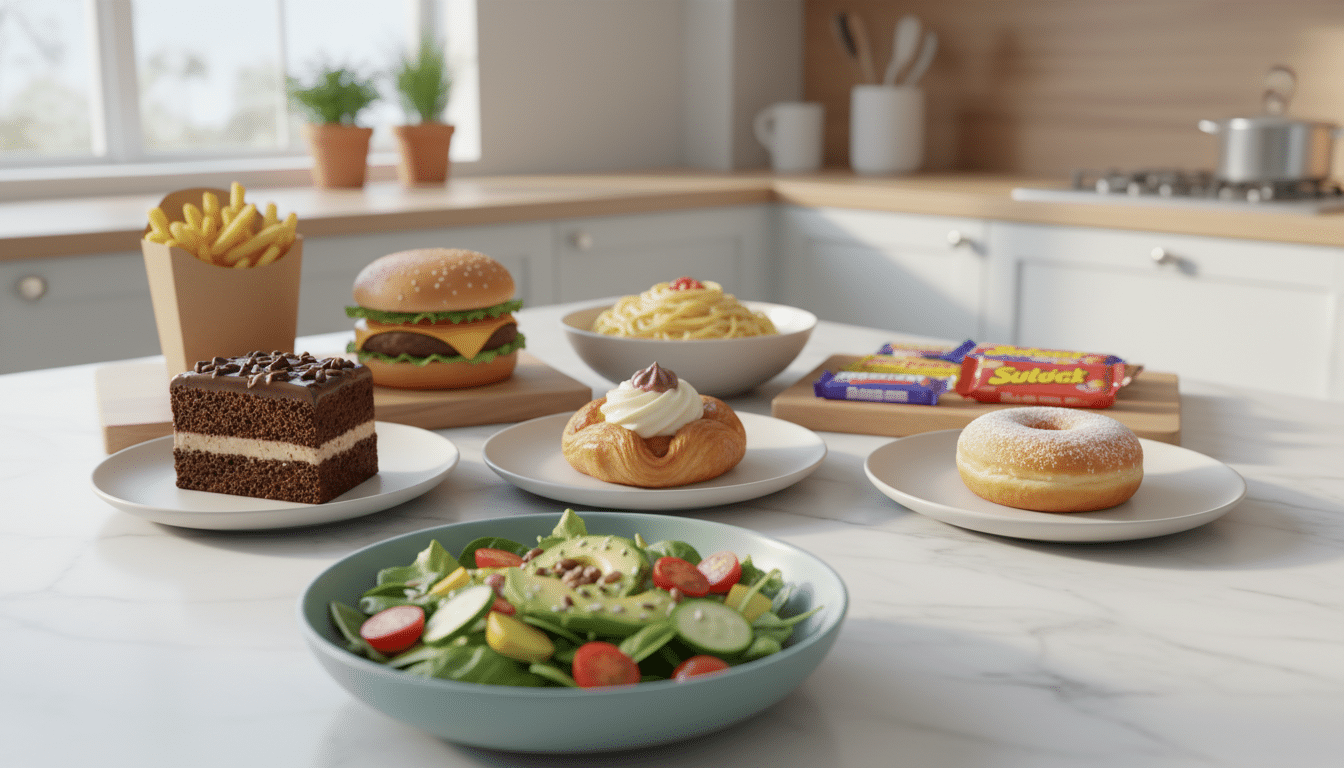
what not to eat before training is a short list that can save your workout from sluggishness and stomach drama.
You’ll learn which foods to skip close to a session so you can keep steady energy and feel comfortable while you push harder.
Wrong pre-workout choices often cause bloating, cramps, and lost stamina. Those issues hurt performance and make the body fight digestion instead of your routine.
We’ll cover the main problem foods and simple swaps that help most people feel better. This is about timing, not forever bans—try the guidelines and see what fits your body.
Why certain foods hurt workout performance and comfort
When digestion competes with movement, your workout can suffer fast. Your body must split resources between the stomach and active muscles. If digestion runs slow, more blood is sent to the stomach and less reaches the working muscles.
That shift affects performance: less blood for muscles means lower oxygen and energy delivery. A hard set or a fast run then feels tougher than it should.
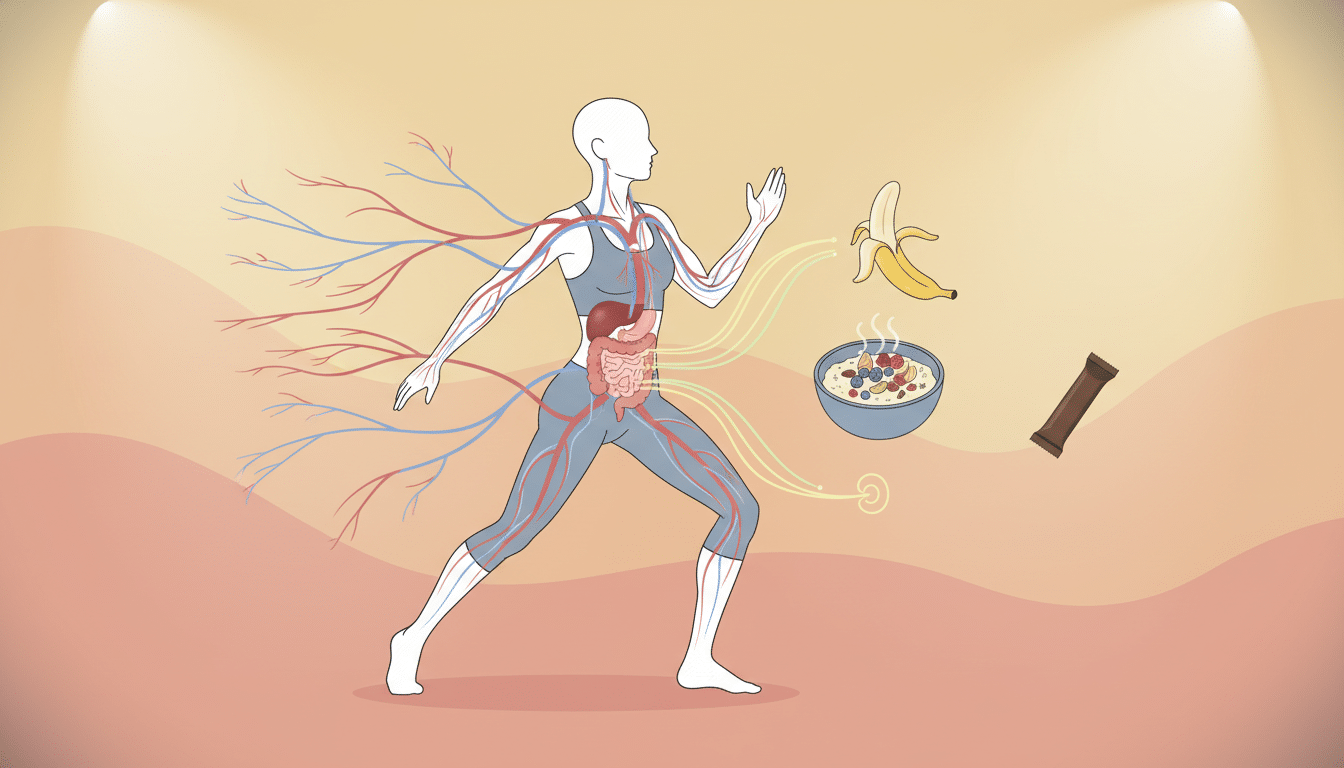
Common problems include nausea, bloating, cramps, heartburn, and a heavy, sluggish feeling. These symptoms show up more often when a meal or snack is too close to exercise time.
- Your body chooses between digesting food and sending blood to working muscles.
- Slow digestion pulls blood toward the stomach and away from muscles when you need it most.
- Less blood for muscles can make workouts feel harder and reduce energy output.
- Typical discomforts are nausea, bloating, cramps, heartburn, and that heavy feeling.
Timing matters. The closer you eat to a session, the more digestion speed affects comfort and energy. In the next sections, we’ll look at the foods that digest slowly or irritate the stomach and simple swaps that prevent most issues.
what not to eat before training for steady energy and an easier stomach
Pick foods that fuel movement, not ones that drag you down during a session. Below are common pre-workout triggers, quick examples, and simple swaps to keep energy steady and your stomach calm.
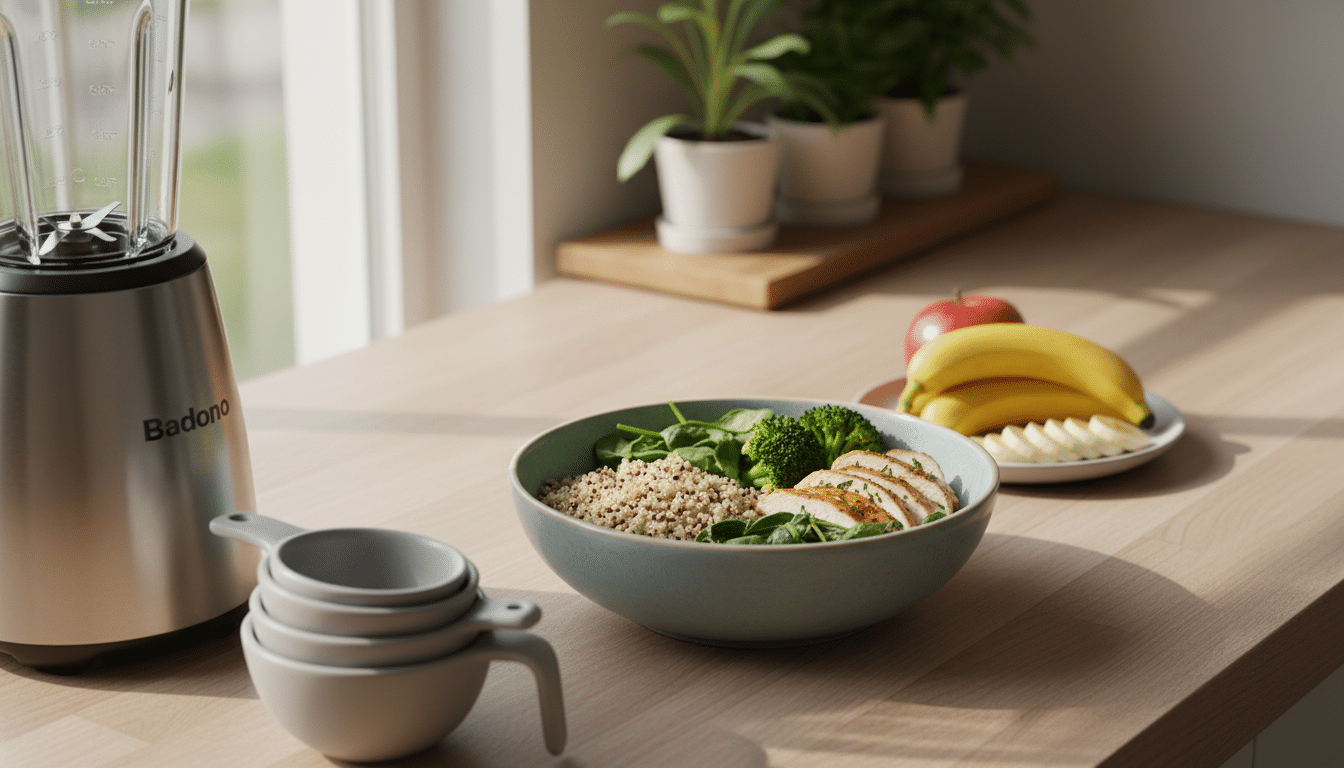
- High-fat foods: Fried foods, pizza, nuts, avocado. These leave you heavy. Do this instead: choose plain toast or a small banana for quicker carbohydrates.
- Large or heavy meals: Big plates right before a training session can sit in your stomach and cause cramps. Do this instead: eat a moderate meal 2–3 hours earlier.
- High-protein choices: Steak, big protein shakes, and heavy bars can trigger nausea for some people. Do this instead: a small yogurt or a half protein shake well before activity.
- Sugary foods and sweetened drinks: Candy, soda, and sweet juices spike and then drop your energy mid-workout. Do this instead: choose a piece of fruit or a diluted sports drink for steady fuel.
- High-fiber items: Beans, lentils, and fiber-heavy bars or cereals can cause gas and bloating. Do this instead: low-fiber grains like white rice or a plain bagel.
- Dairy products: Milk, cheese, and yogurt can trigger stomach upset even if you think you’re fine. Do this instead: lactose-free milk or a small plant-based snack.
- Spicy foods: Hot sauces, spicy curry, and chiles increase heartburn and indigestion during runs or rides. Do this instead: mild-seasoned meals earlier in the day.
- Alcohol: Drinks before exercise raise dehydration risk and slow your reactions. Do this instead: hydrate with water and save alcohol for after recovery.
| Problem group | Examples | Quick swap |
|---|---|---|
| High fat | Fried chicken, pizza, large handful of nuts | Rice cakes, banana |
| Large meals | Big pasta bowls, heavy dinners | Smaller meal 2–3 hours earlier |
| High fiber / dairy | Beans, fiber bars, milk, cheese | White toast, lactose-free yogurt |
| Sugar / alcohol / spicy | Candy, soda, cocktails, spicy curry | Fruit, water, mild meal |
Short rule: choose easy carbohydrates close to a workout, and save heavy fats, big protein loads, spicy meals, and alcohol for other times of the day. Your body will thank you with more steady energy and a calmer stomach.
High-fat and fried foods to skip before a workout
High-fat meals can linger in your belly and steal the pep from a solid workout. Fat slows digestion, so food sits heavy in your stomach. That heaviness makes movement feel harder and less fun.
Why fat slows digestion and makes you feel heavy
Fat takes longer to break down than carbs. When it stays longer in the stomach, you may feel full, sluggish, or bloated during a session.
How greasy foods cut available fuel for muscles
Your body shares resources. If digestion demands more blood flow, less reaches working muscles. That reduces performance and makes hard sets feel tougher.
Clear examples to avoid close to exercise
- Fries, doughnuts, fried chicken, and leftover pizza.
- Nuts and avocado can also feel heavy near a workout, even though they’re healthy at other times.
When fats fit better for energy and recovery
Save larger fat servings for earlier in the day or after a session. Unsaturated fats help recovery and overall energy when you’re not about to move hard.
| Issue | Examples | Quick rule |
|---|---|---|
| Slow digestion | Fried foods, doughnuts | Eat higher-carb snacks near a workout |
| Sluggish performance | Fried chicken, pizza | Move heavy fats away from session time |
| Recovery use | Nuts, avocado, olive oil | Enjoy after exercise or earlier in your routine |
Practical rule: keep higher-fat meals farther from your session and reach for easy carbs when you’re close. That simple swap helps you keep steady energy and finish strong.
Fiber, dairy, and spicy foods that can cause bloating, gas, or heartburn
Simple swaps stop GI trouble fast. High-fiber vegetables, beans, and whole-grain cereals can speed gut movement and raise bathroom urgency during a session. Fiber-heavy bars and cereals are common healthy choices that can backfire when you need steady focus.
High-fiber vegetables, beans, and cereals and bathroom urgency
Vegetables like broccoli, beans, and bran cereal boost bulk and speed transit. That can cause gas and sudden trips away from a workout.
How low fluids plus fiber can worsen cramps or constipation
If you skip water, added fiber may tighten and cause cramps or sluggish bowels. Hydration matters—drink steady fluids earlier in the day, not just at the last minute.
Dairy and nausea risks even without lactose intolerance
Dairy often pairs protein and fat, which slows digestion and may trigger nausea. Common culprits are milk, cheese, and yogurt taken close to activity.
Spicy meals and heartburn risk during runs and rides
Capsaicin raises acid reflux odds. Bouncing motion and heat make heartburn worse during running, cycling, and hot workouts.
Lower-fiber and lower-fat swaps that digest easier
Choose simple carbs and small vegetable portions. White rice, plain toast, a banana, or a modest rice cake reduce bloating and keep energy steady. Lower-fat swaps cut GI load and help you finish strong.
| Problem | Examples | Quick swap |
|---|---|---|
| High fiber / bathroom urgency | Broccoli, beans, bran cereal | White rice, plain bagel |
| Low fluid + fiber | Fiber bars with little water | Small snack + 12–16 oz water earlier |
| Dairy-related nausea | Milk, full-fat cheese, thick yogurt | Lactose-free milk, small fruit |
| Spicy / heartburn | Hot sauces, curry, chiles | Mild-seasoned meals, plain carbs |
Test these swaps on regular workouts, not on race day. Try small changes on calm days and note what keeps cramps, nausea, and bloating away.
Timing and pre-workout fueling rules that prevent discomfort
Plan the right food at the right hour and your session will feel smoother and stronger.
Plan a moderate meal about two to three hours ahead
Aim for a balanced meal roughly 2–3 hours before exercise. That gives your stomach time to settle.
Moderate means enough fuel, not a stuffed feeling. Think a bowl of rice, lean protein, and a small veg side.
Use easily digested carbohydrates closer to a session
Carbohydrates offer quick energy. Choose plain toast, a small bagel, or white rice if your session is within an hour.
If you have only minutes, grab a small fruit
When you have 5–10 minutes, pick a banana or apple. Keep portions small and simple for fast digestion.
Hydrate with water for better performance and comfort
Drink steady sips of water in the hours leading up to exercise. Proper fluids cut cramps and help performance.
- Hours away (2–3 hours): full but moderate meal.
- 30–60 minutes: small carbohydrate snack.
- Minutes (5–10): fresh fruit only.
| Time before session | What to choose | Why it helps |
|---|---|---|
| 2–3 hours | Balanced meal (rice + lean protein) | Stomach settles; steady energy levels |
| 30–60 minutes | Toast, small snack, plain carbs | Quick carbohydrates for fast fuel |
| 5–10 minutes | Banana or apple | Fast sugar, easy on the body |
| Hydration | Water in small sips | Supports performance and reduces cramps |
Keep this simple routine and you’ll protect energy and comfort for most workouts. For tips on morning timing and meals check this guide for a morning workout plan: morning workout timing.
Conclusion
Finish your plan with small, practical swaps that keep energy steady and your stomach calm.
Pick one change this week. Move higher-fat choices farther from sessions or swap a sugary snack for plain carbs. Try the swap on a regular day and watch how your muscle work feels.
Use protein shakes and larger protein portions after exercise for recovery and muscle repair. Treat sugary drinks with caution — they may spark a quick boost, then a crash.
Keep a brief notes habit for seven days. Record what worked, how your sports routine felt, and any stomach signals.
Now act: apply the timing rules, test foods on normal days, and keep your pre-session plan simple so it sticks. For light morning options, see this light breakfasts.