
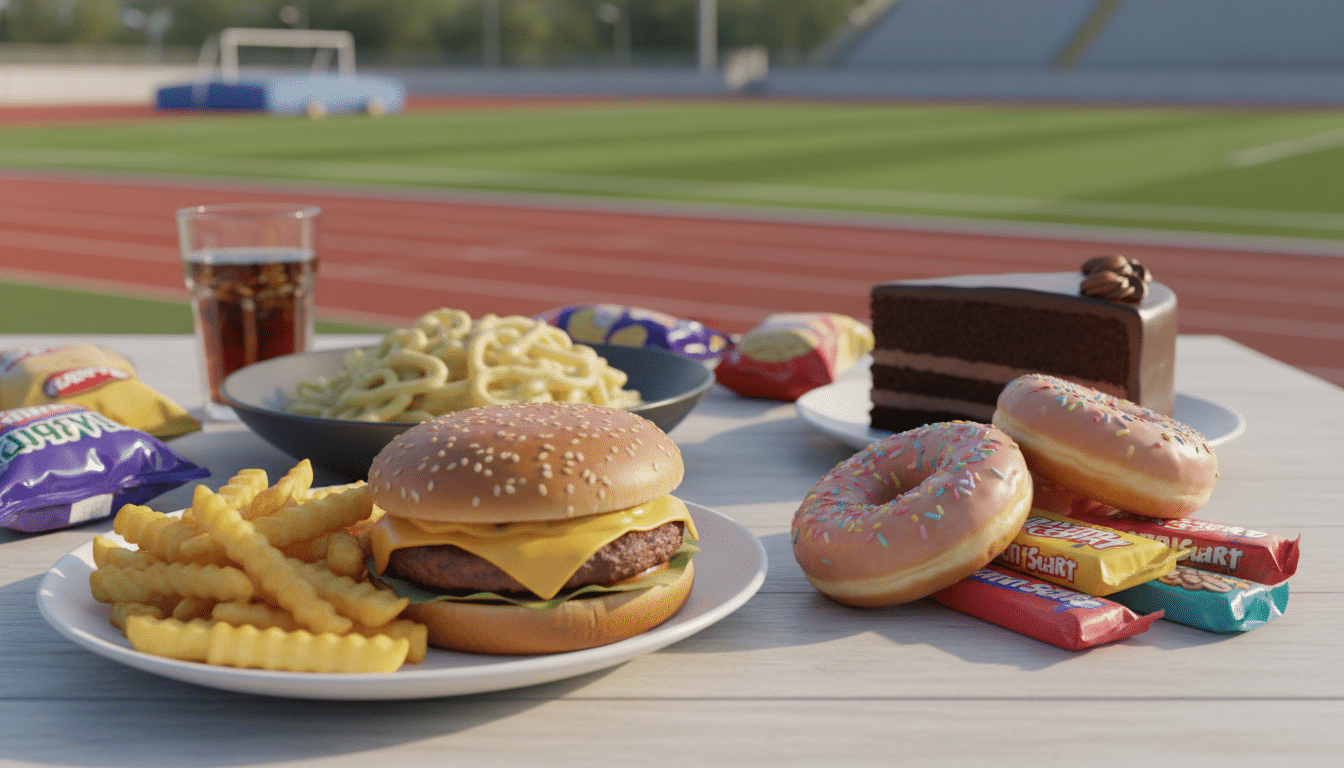
That first line matters, so here it is—foods to avoid before sports competitions can be the difference between cramps and a clean run.
Many athletes find plain carbs close to game time work best. Heavy, greasy options like pizza and burgers sit in the gut and spark cramps or nausea during intense effort.
Set a clear goal for the day: a calm stomach and steady energy. Aim for easy digestion and predictable performance, not perfect eating.
Caffeine can help some, but it may cause jitters and a mid-event crash, especially in teens. For all-day meets pack a simple snack and an extra meal plan so you control timing and ingredients.
Remember that every athlete’s body reacts differently. Start with small experiments in practice and pick what fuels you best on game day.
Pre-competition timing and meal size for better stomach comfort and steady energy
Pick your meal time with purpose: eating 2–4 hours before an event helps your stomach clear and your energy stay steady.
Use the two-to-four-hour window
Aim for a pre-event meal 2–4 hours earlier. Most food clears the gut in that window. Carbohydrate-rich items leave faster than heavy protein or fat, so they reduce the risk of cramps.
Keep portions moderate
Many athletes feel best with about 500–600 calories. Larger meals can sit in the gut and cause nausea. Don’t exceed roughly 1,000 calories close to start time.
Focus on carbohydrates, add small amounts of protein and fat if time allows
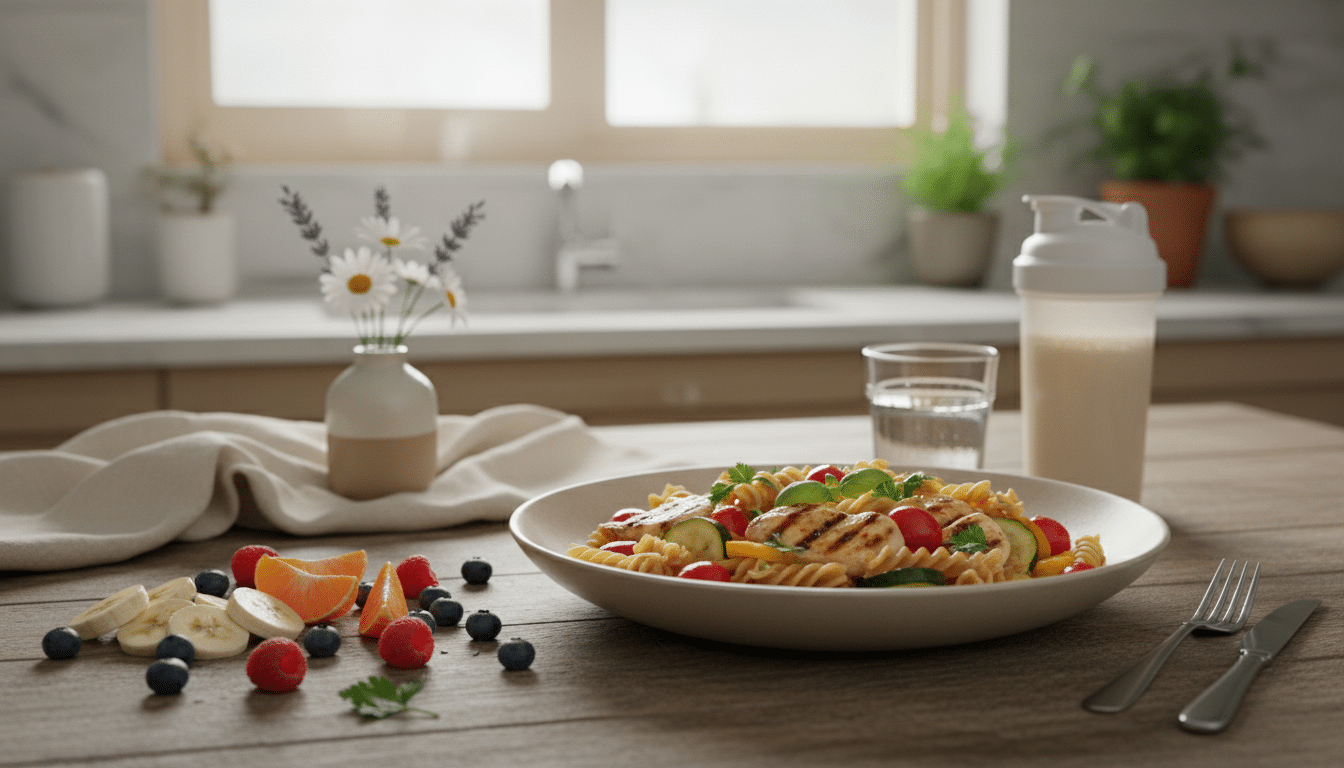
Carbohydrates protect glycogen stores and help steady blood sugar for your muscles. If you eat earlier in the day, include small amounts of protein and fat for sustained energy.
| Example meal | Timing (hours) | Approx calories | Main carbs |
|---|---|---|---|
| Turkey sandwich (white bread) + apple juice + flavored yogurt | 2–4 | ~700 | bread, juice |
| Pancakes + orange juice | 2–3 | ~510 | pancake, juice |
| Rice bowl with fruit and low-fat yogurt | 3–4 | ~550 | rice, fruit |
Hydration quick note: Milk or fruit juice works up to 2 hours before. Use water or a sports drink closer to the start so you begin fueled, not thirsty.
Foods to avoid before competitions and what to eat instead
Pre-event eating should keep your stomach calm and your energy steady. Choose simple carbs and light protein when you need quick fuel. Skip items that slow digestion or spark gas and urgency.
High fat picks that backfire: pizza, burgers, fries, pepperoni sticks, quesadillas, and ice cream. These are slow to clear the gut and can cause cramps during hard effort.
- Swap these for pretzels, crackers, granola bars, or a banana when time is tight.
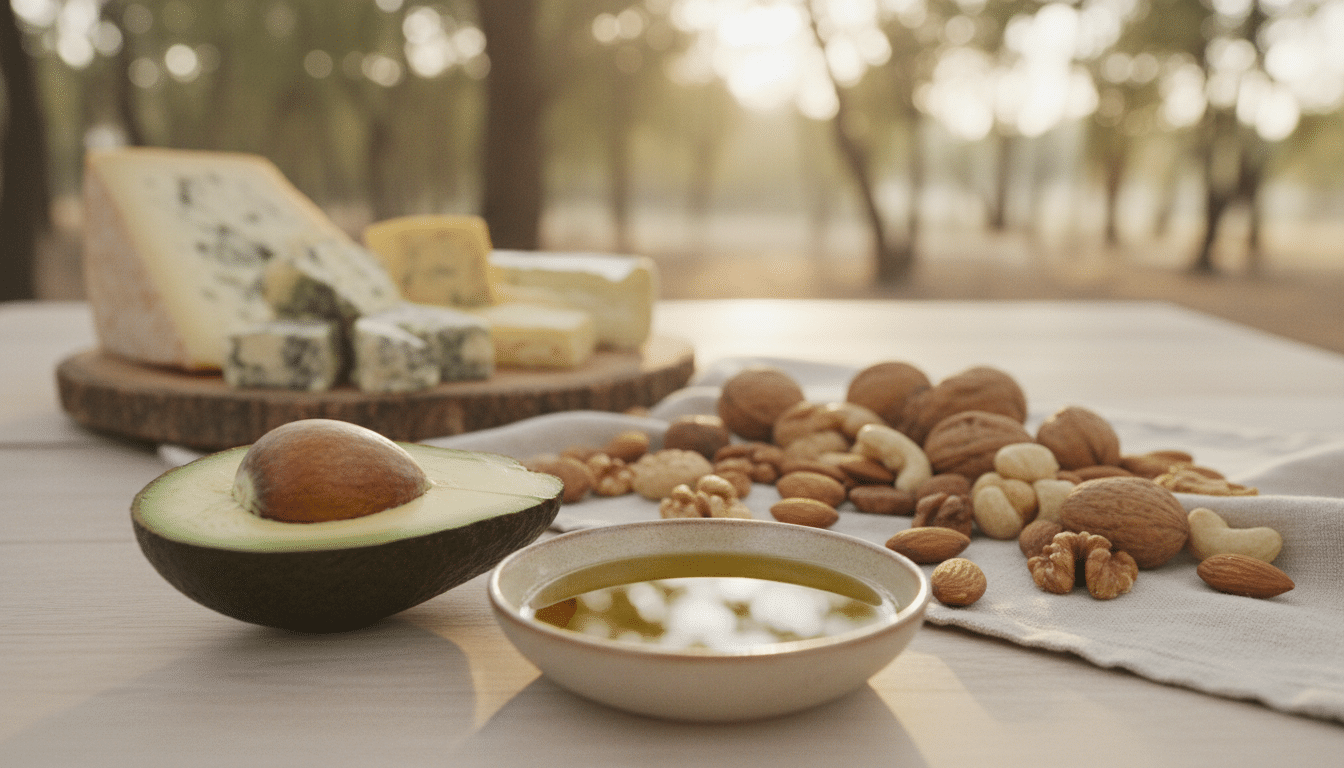
High fiber triggers: beans, bran, nuts, and raw vegetables can cause bloating or urgent bathroom trips before intense running or play. Save those for after the event or earlier in the day.
Spicy and gas-forming items: onions, cabbage, broccoli, and heavy chili can stimulate the gut. Choose bland options like plain rice, toast, or yogurt pre-game.
Stimulants and fizzy drinks: Coffee, cola, and strong tea can bring jitters or a mid-event crash. Carbonated beverages may cause belching and discomfort. If you use caffeine, test it in practice and use small amounts.
| Issue | Common culprits | Simple swaps |
|---|---|---|
| Slow digestion | Pizza, burgers, meat sticks | Pretzels, rice, crackers |
| High fiber | Beans, nuts, raw vegetables | White rice, banana, low‑fiber cereal |
| Gas/jitters | Onions, soda, coffee | Water, diluted juice, plain toast |
Heavy restaurant meals: If you must eat out, pick grilled chicken, tomato-based pasta, or rice-forward plates and skip creamy sauces and soda.
Allergy plan for team events: Ask about allergies ahead. Bring safe snacks like seed-based bars, plain fruit, or packaged crackers. Label your items and keep backup options in case stores near the venue are limited.
How to plan competition-day meals, snacks, and hydration for peak performance
Plan your competition day like a coach plans a game: simple, timed, and repeatable. Follow a short checklist and match eats to your schedule so your stomach stays calm and your blood sugar is steady.
Hour-before snacks that digest fast when time is tight
Pick quick carbohydrates. Try applesauce, fruit snacks, a low-fat granola bar, krispie rice treat, or a small glass of juice.
Between-events fuel under two hours
Keep snacks small and high-carb. Aim near 300 calories so your GI tract stays happy. Eat a banana, pretzels with honey, or a small yogurt cup plus water.
All-day meet strategy
Spread carbohydrates across the day. Add protein and moderate fat at main meals for staying power. Post-event options: chocolate milk, yogurt with fruit, cheese and crackers, or a small deli sandwich.
Hydration timing and simple guidelines
Drink water and sports drinks close to start. Milk or fruit juice fits up to two hours pre-event. Check urine color: pale yellow means good hydration.
Packing list and practice testing
- Pretzels, crackers, rice treats, wraps, easy-peel fruit, paper towels.
- Test everything during practice so competition day stays predictable.
For sport-specific meal ideas, see this short guide: what to eat before a basketball.
Conclusion
When your body knows the plan, performance follows—stick with what you’ve tested in practice.
Pick a pre-event meal time and write down two go-to options you can use again and again. Keep choices simple so your gut stays calm and your blood sugar stays steady.
Protect performance by skipping high fat and high fiber triggers near game time. Remember: fiber and fat fit your overall diet, but timing matters most on competition day.
Make small, steady changes in nutrition and test them in training. Need a quick refresher about morning timing and snacks? See this morning workout guide.