

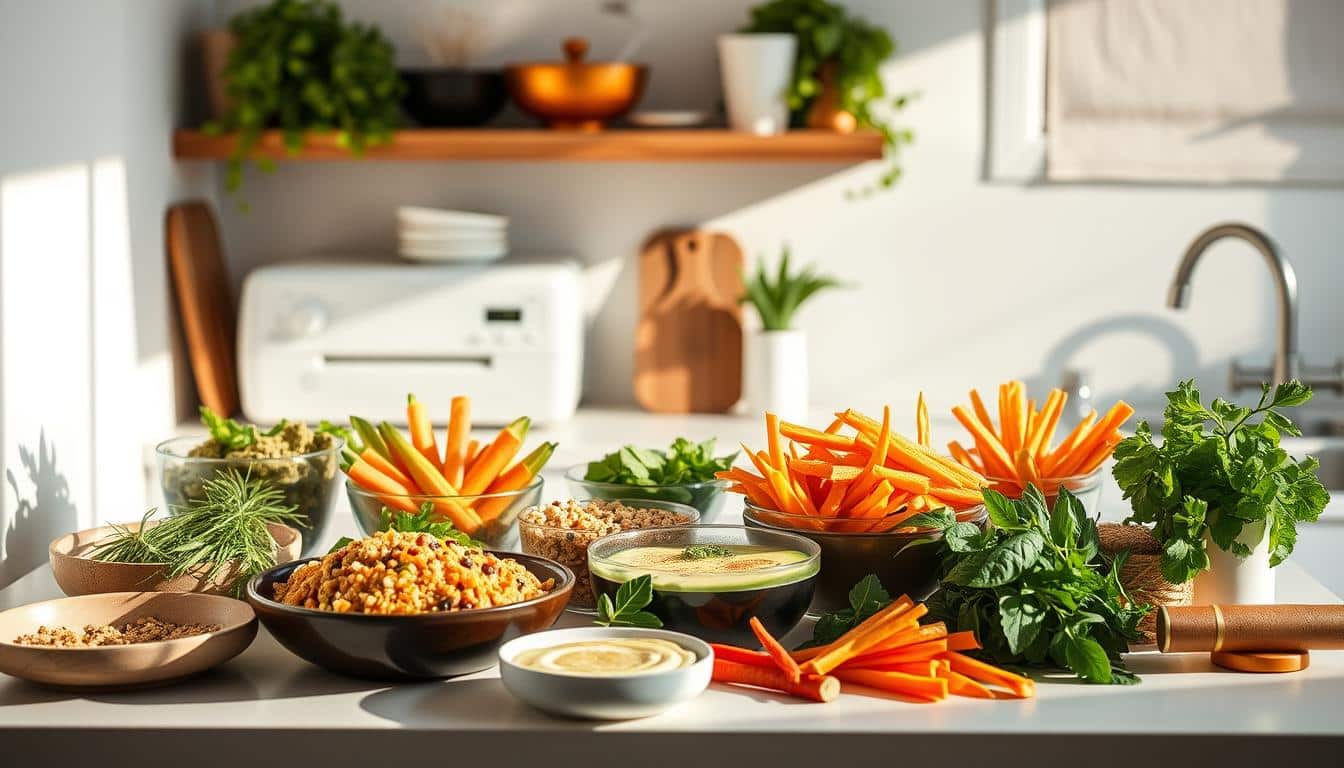
Vegan pre workout meals can be the difference between a sluggish session and a sharp, powerful workout.
Eat 60–90 minutes before training to help digestion and avoid stomach trouble. Aim for balanced portions: about 20–40 g protein, 40–80 g carbs, and 5–12 g fat for a 2,000 Calorie example.
Proper nutrition fuels steady energy and better performance. Hydrate early: two cups of water 2–3 hours before, then one cup 10–20 minutes prior.
You’ll learn simple builds like oats, smoothies, bowls, wraps, and stir-fries that fit busy days. These choices help your body keep pace, support endurance, and reduce mid-session fatigue.
For longer sessions over 90 minutes, use sports drinks to replace lost salts and carbs. Check a quick guide for fast morning options here.
Why pre-workout fuel matters for energy and performance
The food and fluids you choose set the tone for strength, endurance, and recovery. Smart fuel supplies the right mix of carbs, protein, and fluids so you move well and feel strong during exercise.
Scheduling carbs and protein before activity raises available energy and helps your muscle build and repair. Aim for protein in the 20–40 g range to stimulate synthesis.
- Pre-workout fuel keeps blood sugar steady so your energy does not crash mid-exercise.
- Carbs top off glycogen so you sustain pace and power through each workout.
- Protein reduces muscle breakdown and speeds recovery after hard sets or runs.
- Hydration lowers heart rate strain and keeps coordination sharp.
| Nutrient | Primary Role | Timing | Quick example |
|---|---|---|---|
| Carbohydrates | Refill glycogen for endurance | 30–90 minutes before | Oats, banana, toast |
| Protein | Support muscle synthesis | 20–40 g pre and post | Protein shake, tofu snack |
| Fluids & electrolytes | Maintain blood volume and focus | Hydrate before and during | Water, sports drink |
When you match energy, protein, and fluids to your training window, your body performs better across each session and over weeks of consistent training.
Timing your pre-workout meal for stable energy
Timing matters more than a big plate. Eat so food moves from the stomach before you start. That protects comfort and keeps energy steady during your session.
What to eat 60-90 minutes before exercise
Eat a light, balanced meal 60–90 minutes before your start time. Choose easy-to-digest carbs and lean protein. Keep fats low to speed digestion.
- 60–90 minutes: small bowl of oats with soy yogurt or a grain bowl with tofu.
- Portions: aim for 20–40 g protein and moderate carbs to top off glycogen levels.
- Hydrate: two cups 2–3 hours earlier, then sip one cup 10–20 minutes before.
When a small snack 20-30 minutes out makes sense
If your last full meal was over three hours ago, take a small snack 20–30 minutes before. Pick fast carbs so you get a quick lift without gut trouble.
- Quick options: ripe banana, a small drinkable smoothie, or an energy gel for short windows.
- Adjust when heat or high intensity slows digestion; give more time when possible.
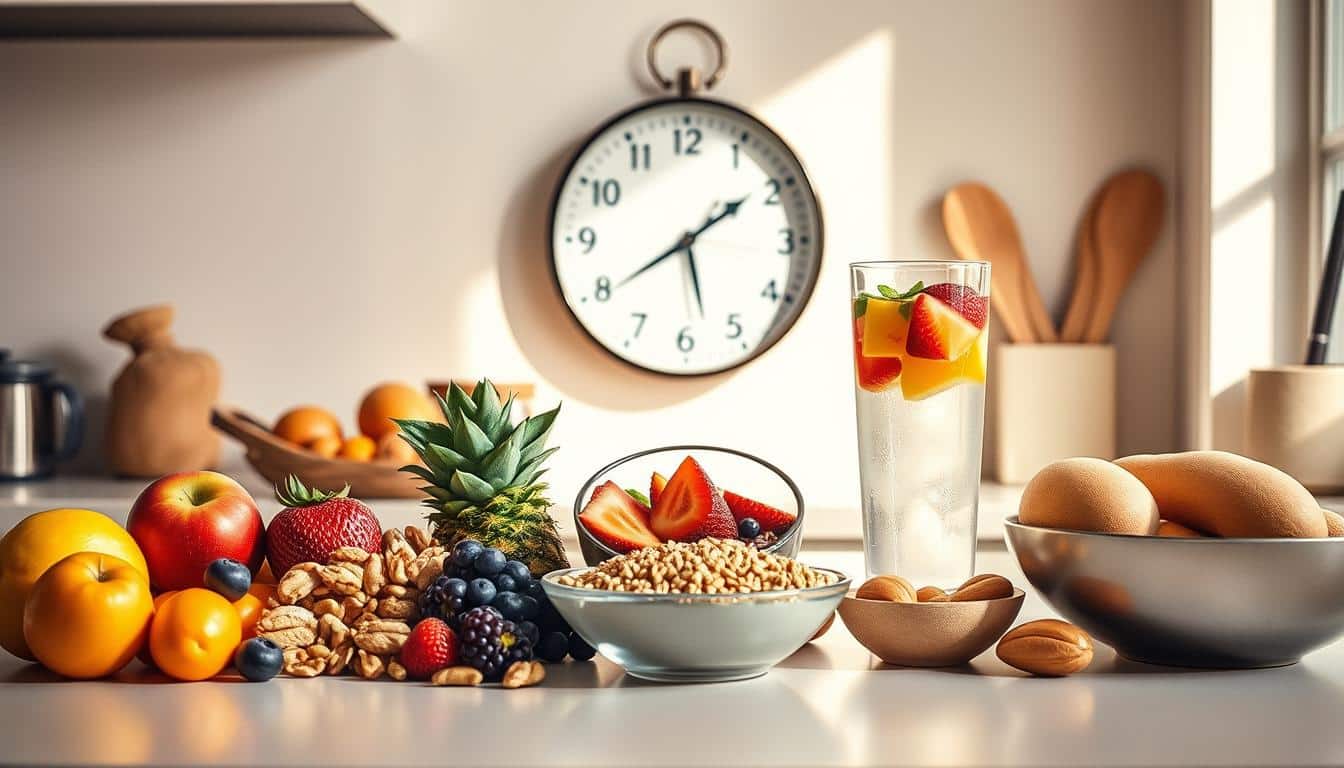
| Window | Goal | Example |
|---|---|---|
| 60–90 minutes | Full fuel, low fat | Oats + soy yogurt |
| 20–30 minutes | Quick top-up | Banana or small smoothie |
| 2–3 hours | Hydration focus | Water + balanced meal |
Protein foundations: amounts, sources, and leucine
A targeted protein dose before exercise primes your muscles for repair and growth.
Aim for 20–40 g of protein before and after your session to maximize muscle protein synthesis. Soy foods deliver leucine, the key amino acid that triggers anabolic signaling in muscle.
Choose concentrated options so you hit the target without bulky portions. Clinical reviews show soy does not lower testosterone or raise estrogen in men. Soy also poses no clear thyroid harm and may lower some cancer risks.
- Aim for 20–40 g protein before training to support synthesis during and after lifting.
- Leucine triggers anabolic signaling, and soy foods supply reliable leucine on a plant-based diet.
- Use tofu, tempeh, TVP, edamame, or soy isolate as practical protein sources.
- Build a pre-workout plate with a soy protein plus steady carbs so your body can train hard.
- Choose about 200 g firm tofu or 200 g tempeh for a whole-food option (~30 g).
- Pick 40 g soy isolate powder if you need a fast option that mixes into a smoothie.
- Rotate sources to keep dishes simple, tasty, and easy to digest. Keep fats low to avoid stomach trouble.
| Option | Approx. dose for ~30 g | Use case |
|---|---|---|
| Tofu | 200 g | Stir-fry or bowl |
| TVP (uncooked) | 60 g | Quick chili or taco filling |
| Soy isolate | 40 g | Smoothie or shake |
Carbohydrates that power your workout
Carbs are the engine that helps you sustain effort and hit your targets.
Allocate about 20–30% of daily carbohydrates to your pre and post eating windows. This helps protect glycogen and keeps output steady during training.
Daily carb split and pre-workout ranges
Plan each fueling window to provide 20–30% of your total carbs. Match the amount to exercise length and intensity. For many people, 40–60 g is a useful starting point for a single pre portion.
Low-GI picks for steady blood sugar and endurance
Choose low-GI carbohydrates before longer efforts. Oats, brown rice, pasta, whole wheat or sourdough bread, and legumes keep sugar steady and effort smooth.
High-GI carbs for intra-workout and very short windows
Use high-GI carbs when you need fast fuel during exercise or with little time before start. Bananas, dates, dextrose or sports gels raise blood sugar quickly and spare glycogen.
- Keep fiber moderate in the pre window to aid digestion.
- Pair grain and fruit on lifting days so sets stay strong.
| Carb source | Approx. for ~50 g carbs | Use case |
|---|---|---|
| Uncooked oats | 100 g | 60–90 min before endurance |
| Wholemeal bread | 125 g | Easy pre lifting or portable option |
| Brown rice (uncooked) | 65 g | Grain bowl for steady energy |
| Raw sweet potato | 350 g | Low-GI dinner before long sessions |
| Banana | 250 g | Quick carb when time is short |
Fats before training: keep it light
Keep fats light before activity so your stomach feels good and your pace stays strong.
High-fat meals slow gastric emptying and can lower comfort during exercise. They raise circulating fat but do not improve performance in a single session.
Aim for about 5–12 g fat with your meal if your daily intake is average. Skip big portions of nuts, oils, or avocado right before a workout.
- Keep pre-window fat low so your stomach stays calm.
- Choose lean protein and carbs to avoid heaviness.
- Save larger fat portions for meals away from training.
- If you train early, keep fat even lower; digestion is slower on wake-up.
| Recommendation | Why | Example |
|---|---|---|
| Low fat (5–12 g) | Faster digestion, less discomfort | Tofu + oats, small olive-free bowl |
| Avoid large oils/nuts | Slows stomach emptying | No heavy nut butter before sets |
| Move fats to other meals | Supports overall health without pre-session drag | Avocado at dinner |
Keep it simple and test what feels best. Small changes in fat intake can improve comfort and steady your performance.
Hydration and electrolytes that support performance
Start smart with fluids so your body can perform without surprise fatigue or cramps. Plan drinks the same way you plan food: timed, measurable, and adjusted for heat and effort.
Pre-, during-, and post-exercise fluid targets
Before: Drink two cups of water 2–3 hours before training to top up stores. Add one cup 10–20 minutes before to prime blood volume.
During: Sip one cup every 15–30 minutes in intense sessions to protect energy and performance. If you sweat heavily, raise that amount slightly.
After: Keep drinking until urine is pale and you feel normal again. That restores fluid levels and supports recovery.
When to use sports drinks for long or hot sessions
Use a sports drink when sessions last over 90 minutes or when heat increases sweat. The added sodium and carbs replace lost electrolytes and help sustain pace.
- Start with two cups of water 2–3 hours before to arrive hydrated.
- Add one cup 10–20 minutes pre so plasma levels are ready for work.
- Sip one cup every 15–30 minutes during intense bouts to protect performance.
- Use a sports drink for hot weather or sessions over 90 minutes to replace sodium.
- Keep drinking after you finish until urine is pale and you feel normal again.
- Plan fluids just like meals so your workout quality stays consistent.
- Adjust intake based on sweat rate, heat, and body size.
| Timing | Target | Why it helps |
|---|---|---|
| 2–3 hours before | 2 cups water | Top off hydration and reduce thirst |
| 10–20 minutes before | 1 cup water | Prime plasma levels for effort |
| Every 15–30 minutes during | 1 cup (or more if hot) | Protect performance and mental focus |
Evidence-backed vegan pre-workout supplements
A few proven supplements make a real difference for speed, strength, and endurance. Use them with smart timing and a clear plan.
Caffeine dosing basics and timing
Caffeine improves endurance and resistance performance. Take 3–6 mg/kg about 30–60 minutes before exercise. Use it when you want more reps or a faster pace without extra strain.
Beetroot nitrates for blood flow
Beetroot juice or powder delivers dietary nitrates. Take it ~60 minutes before to support nitric oxide and better flow. It helps steady effort in long sessions.
Creatine for power and size
Creatine monohydrate boosts short bursts and repeated efforts. Daily 4–10 g is supported by research. Load if you want faster saturation, or take a steady daily dose.
Carb supplements and starch choices
Modified starches like waxy maize give steadier energy and can spare glycogen. Use maltodextrin or dextrose during or close to training for quick carbohydrates that raise blood sugar fast.
- Keep total carbohydrate plan aligned so glycogen lasts.
- Choose third-party tested sources and track how you feel each session.
| Supplement | Typical dose | Main benefit |
|---|---|---|
| Caffeine | 3–6 mg/kg, 30–60 min | More reps, alertness |
| Beetroot | ~70–140 ml juice or 300–500 mg powder, 60 min | Improved blood flow |
| Creatine | 4–10 g daily | Power, repeated efforts |
| Maltodextrin / Dextrose | 20–60 g during hard sessions | Quick carbs for high output |
Vegan pre workout meals you can build fast
Quick builds can get you fueled and focused in under 15 minutes. Try simple combos that balance carbs and protein with modest fat so your stomach stays happy. I like to prep basics on Sunday and mix on busy mornings.
Oats and smoothies: quick options with protein powder
Blend a smoothie with soy protein powder, bananas, berries, and soy milk for fast energy and recovery. Make oatmeal with oats, soy isolate, frozen fruit, and a splash of soy milk for a warm, portable option.
Grain bowls and stir-fries with tofu or tempeh
Build a grain bowl with brown rice, tofu or tempeh, mixed veggies, and a light sauce for a 60–90 minute window.
Stir-fry tofu with quick-cook veggies and serve over rice when you want a hot, steady meal that digests well.
Wraps, burritos, and bread-based meals for portable fuel
Roll a TVP and bean burrito in a whole grain tortilla for portable carbs and protein. Toast whole-grain bread and add a light smear of peanut butter or nut butter for a fast snack.
- Swap fruit types by season and how your gut feels on training days.
- Keep fat modest and portions steady so your stomach feels good.
- Prep ingredients on Sunday so weeknight options take 10 minutes or less.
| Example | Typical macros | Why it works |
|---|---|---|
| Protein porridge (oats + soy powder + berries) | Protein 40–50 g, Carbs 50–70 g, Fat 6–10 g | Warm, easy to digest, high leucine from soy |
| Tofu stir-fry + brown rice | Protein 35–45 g, Carbs 50–65 g, Fat 6–9 g | Balanced grain and veg for steady energy |
| TVP & bean burrito (whole grain tortilla) | Protein 40–50 g, Carbs 55–70 g, Fat 6–10 g | Portable, packs carbs and protein for lasting power |
Vegan pre workout meals
Pick the right fuel based on time and goal. Match meal size and content to the clock so your body gets usable energy without gut trouble.
By timing window
2–3 hours: Eat a larger plate so digestion finishes before exercise. Try a big bowl with rice or pasta, tofu or tempeh, veggies, and a light sauce. This gives steady carbohydrates and protein for longer sessions.
60–90 minutes: Choose a moderate meal that’s easy to digest. Oats or oatmeal mixed with soy protein, fruit, and a small drizzle of peanut butter hits ~20–40 g protein and 40–80 g carbs while keeping fats modest.
20–30 minutes: Keep it tiny and low fat. A banana plus a small protein shake, or toast with a thin spread of jam, gives quick carbs and a touch of protein without slowing you down.
By training goal
- Endurance: Favor extra carbs and fluids. Use bread, fruit, and a sports drink for long or hot sessions.
- Strength: Anchor protein at 30–40 g and keep fats low so bar speed and power stay high.
- Mixed sessions: Split carbs and protein evenly and limit fiber to protect comfort.
| Window | Target | Why it helps |
|---|---|---|
| 2–3 hours | Full meal: rice/pasta + tofu | Volume for glycogen and nutrients |
| 60–90 minutes | Oats + soy protein + fruit | Balanced carbs and protein |
| 20–30 minutes | Banana or toast + small shake | Quick carbs, low fat |
Match portions to your body needs and the clock. Test bananas, fiber, and butter sparing to find what lets you perform best.
Common mistakes and simple fixes
A few common nutrition slip-ups are easy to fix and quickly boost training comfort.
Keep solutions simple. Try one change at a time and track how you feel.
- Mistake: Heavy fats too close to go time. Fix: Keep pre-workout fat low and move fats later in your day.
- Mistake: Too much fiber in the final hour. Fix: Pick lower-fiber carbs like white bread or a banana before exercise.
- Mistake: Skipping protein. Fix: Add 20–40 g protein so repair starts on schedule.
- Mistake: Under-hydrating. Fix: Plan water before and during, and add sodium or a sports drink for long, hot sessions.
- Mistake: Fasted hard efforts. Fix: Take quick fuel so glycogen and power hold.
- Mistake: Guessing portions. Fix: Use simple targets and tweak based on how you feel.
- Mistake: Too many sweets at the wrong time. Fix: Save concentrated sugar for long work to avoid energy dips.
- Mistake: Ignoring recovery. Fix: Eat a balanced meal within 30–60 minutes after your workout.
| Problem | Quick fix | Benefit |
|---|---|---|
| High fat pre-feed | Lower fat, move to dinner | Better comfort and pace |
| Low fluid | Water + sodium if hot | Reduced fatigue and heart rate drift |
| No protein | 20–40 g before/after | Supports muscle repair |
Make these small fixes part of your diet. They keep fuel levels steady and make every session feel sharper.
Conclusion
Small, consistent choices before training add up to big performance gains.
Plan each pre-workout meal with carbs for steady energy and 20–40 g of protein to support muscle. Pick leucine-rich sources or a quick protein powder if you’re short on time.
Keep fats light so your stomach stays calm. Use low-GI foods for long sessions and fast carbs during hard or hot efforts.
Drink on a schedule: water early, a sip close to start, and a sports drink when sessions exceed 90 minutes. Try caffeine or beetroot for an extra edge and take creatine daily for power gains.
Match portions to your body needs and the clock. For a practical read on oats and timing, see this guide to oatmeal before sessions.