

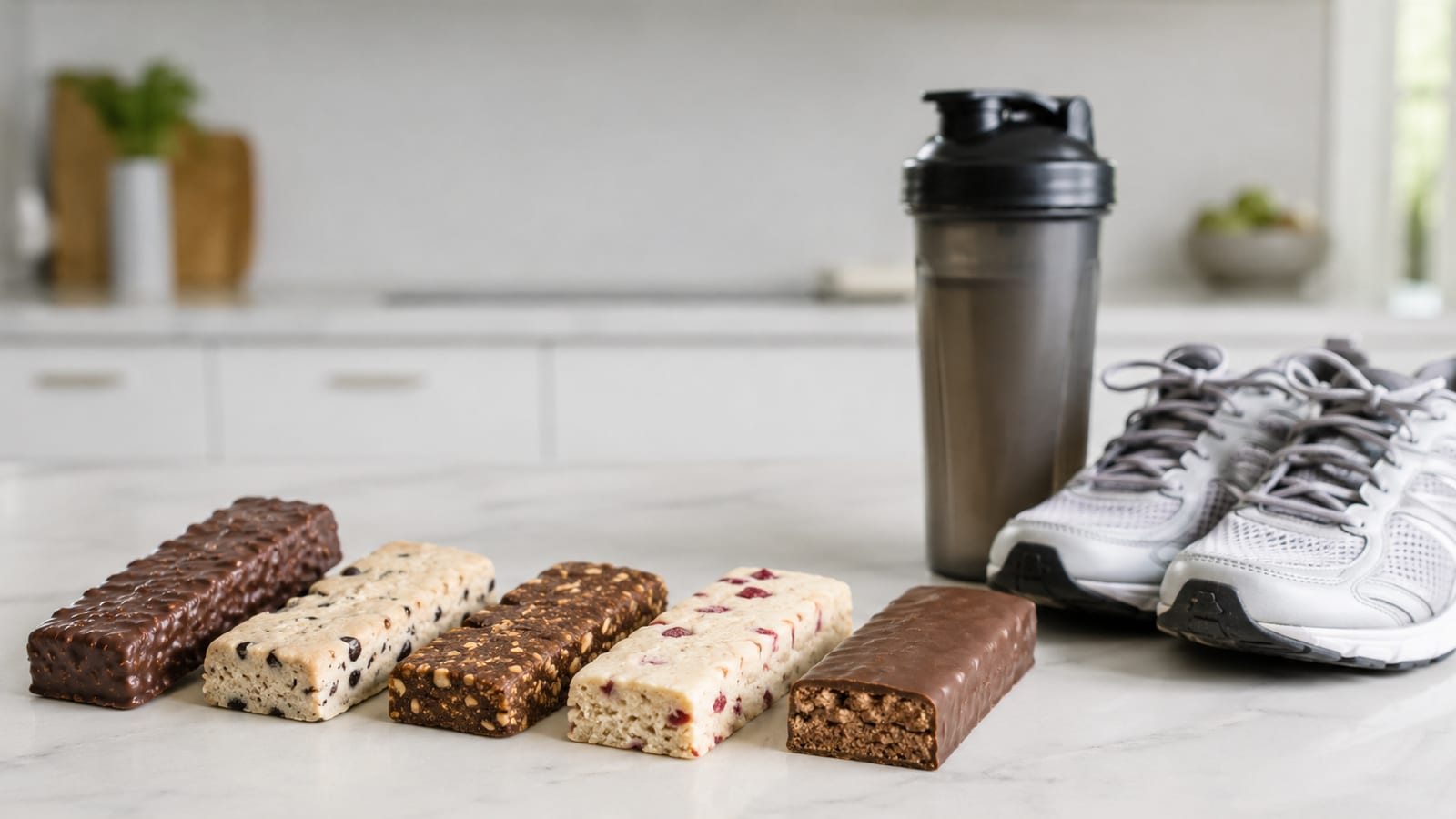
Start with RXBAR Chocolate Sea Salt if you want the strongest overall choice among these bars. Its researched listing carries a 4.5 rating from more than 10.1k reviews. Quest Protein Bars are the better fit for substantial protein, high fiber, and little sugar, while Aloha Chocolate Chip Cookie Dough is the strongest vegan option. Barebells suits people who want a candy-like texture, and Kirkland Signature works well when price matters. No bar beats a meal, and sugar alcohols or added fibers can turn an impressive label into a stomach problem.
The best protein bar for most people
RXBAR Chocolate Sea Salt is the best overall named example in this group. Its short ingredient list centers on egg whites, dates, nuts, and flavor ingredients. You get more recognizable food, but also more sugar and less protein than the strongest performance-focused bars.
Quest Protein Bars are the best default for most busy athletes. They give you a useful protein dose, plenty of fiber, and little sugar in a portable package. That combination works for a rushed commute, a desk drawer, or the gap between work and practice.
The catch is digestion. Quest relies on soluble corn fiber and sugar alcohols in many flavors. Those ingredients help keep sugar low, but they can cause bloating, gas, or loose stools if your gut handles them poorly.
Aloha Chocolate Chip Cookie Dough is the best vegan pick for a softer, more whole-food profile. No Cow is a strong vegan option for maximum plant protein and fiber. It fits athletes avoiding dairy and animal products, although its dense texture and added fibers can be difficult before training.
Here’s the practical ranking:
- RXBAR Chocolate Sea Salt: Best overall for recognizable ingredients and a chewy texture. Pick it for simple ingredients, not the lowest sugar.
- Quest Protein Bars: Best high-protein, high-fiber, low-sugar choice. Choose them only if your digestion tolerates the formula.
- Aloha Organic Protein Bars: Best vegan choice for a softer, more whole-food profile. They suit shoppers who value organic ingredients over maximum protein per calorie.
- No Cow Protein Bars: Strong plant-based choice for a protein and fiber boost. Use them with care around exercise because the added fibers can be difficult to digest.
- Barebells Protein Bars: Best-tasting low-sugar option. The texture is easy to enjoy, but the ingredient list is more processed.
- Kirkland Signature Protein Bars: Best budget pick when available. They offer useful protein and fiber, with a noticeable sweetener-heavy formula.
The best protein bars are the ones you’ll eat at the right time, digest without trouble, and buy again without wrecking your food budget. A bar that stays in your gym bag until it expires has failed its only practical test.
How the top protein bars compare
Nutrition can change by flavor, so check the wrapper before you buy a box. Still, the main differences are clear enough to guide your choice.
| Bar | Protein and fiber | Sugar and carbohydrates | Saturated fat and calories | Texture and best use |
|---|---|---|---|---|
| Quest Cookies & Cream Protein Bar | 21g protein and 13g dietary fiber | 1g total sugars; carbohydrates often include added fiber and sugar alcohols | Check the flavor | Firm and chewy; useful for work or recovery |
| RXBAR Chocolate Sea Salt | Moderate protein and lower fiber than the highest-fiber bars | More sugar from dates; useful carbohydrates for some athletes | Nuts can add fat and calories | Dense and chewy; better between meals |
| No Cow Peanut Butter Chocolate Chip Vegan Protein Bars | 20g protein and high fiber | Low sugar; added fibers make up much of the carbohydrate count | Often lower in saturated fat; check the flavor | Dense and dry in some flavors; better away from hard training |
| Barebells Cookies & Cream Protein Bar | 20 grams of protein with less focus on fiber | 1 g total sugars; 0 g added sugars; sweetener-based | 200 calories per 55 g serving; check the flavor | Soft and candy-like; strong choice for taste and adherence |
| Kirkland Signature Protein Bar | Useful protein and 10g fiber per bar | Low sugar with a sweetener-heavy formula | 190 calories per bar; check flavor-specific fat totals | Chewy and dense; practical for a budget snack |
| Aloha Chocolate Chip Cookie Dough | Moderate plant protein and a softer fiber profile | More balanced than the lowest-sugar bars | Check the flavor; often a softer whole-food profile | Soft and less dense; useful for plant-based snacks |
Protein matters because it helps support muscle repair and makes a snack more filling. Fiber can also help with fullness, but a large fiber load before sprinting, jumping, or running may work against you.
Carbohydrates deserve a separate look. A bar with dates or oats may give you useful training energy, while a bar with low net carbohydrates may leave you needing fruit, pretzels, or another food beside it.
For a named example, RXBAR Chocolate Sea Salt has a rating of 4.5 from more than 10.1k reviews in the researched listing. That is a useful popularity signal, not proof that the bar fits your digestion or training plan.
Can laboratory testing verify protein and fiber claims?
Yes. A laboratory can measure the nutrients behind a label, including protein, fiber, sugar, and total carbohydrates. That process can reveal whether the product matches its stated nutrition data.
However, a laboratory result only tells you about the sample tested. Flavor, batch, serving size, and testing method still matter. A manufacturer’s label is not the same thing as an independent audit.
Look for testing that explains:
- Who performed the test.
- Which batch was tested.
- Which nutrients were measured.
- What method the lab used.
- Whether the results were independently reviewed.
- Whether the tested product matches the bar in your hand.
The FDA Nutrition Facts label gives you the standard information to compare products. It does not certify that a protein bar is ideal for recovery, gentle on your stomach, or worth the price.
Marketing claims also need a hard look. “High protein,” “low sugar,” and “keto-friendly” describe parts of the formula. They don’t tell you how the bar will feel during practice or whether it can replace a meal.
Protein and fiber should support training
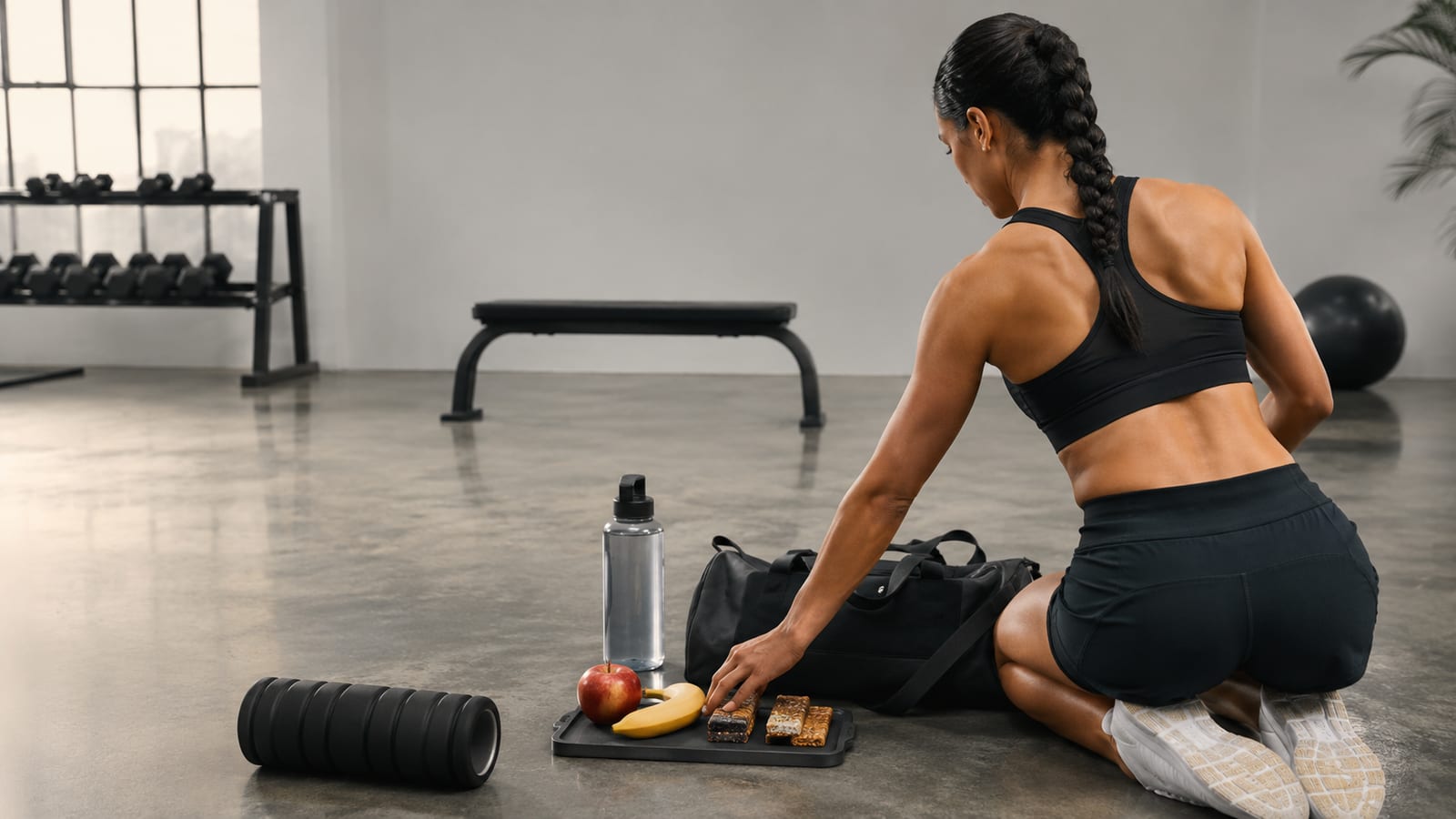
A protein bar can cover a snack, a missed meal, or part of post-training recovery. It cannot replace the full range of food you need across a demanding day.
After training, combine the bar with carbohydrates and fluids if the session was hard. A Quest or No Cow bar with a banana and milk covers more of the recovery job than the bar alone.
For a lighter workday gap, a bar may be enough. If you’ve just finished a long practice, you’ll usually need a real meal with carbohydrates, protein, fluids, and enough total energy.
A bar also works well as emergency desk food. Keep one available for the day your meeting runs long, your lunch disappears, or practice starts before you can cook. That’s better planning than hoping hunger will cooperate.
For more options beyond bars, use these protein snacks for active people. Yogurt, milk, fruit, nuts, and sandwiches often cost less and digest more predictably.
Sugar, carbohydrates, and saturated fat
Low sugar is useful when you want a filling snack without a candy-level sugar load. It isn’t automatically better before training, because some athletes need carbohydrates for repeated bursts or long sessions.
RXBAR uses dates, so its sugar content is higher than the low-sugar bars. That can make it a better fit before a longer workout if the texture and nuts sit well in your stomach.
Quest, No Cow, Barebells, and Kirkland keep sugar lower through different combinations of sugar alcohols, added fibers, and sweeteners. Read the full carbohydrate line instead of stopping at the sugar number.
Saturated fat matters most when a bar becomes a daily habit or replaces other foods that could provide more useful nutrients. Rich dessert-style bars can still fit your plan, but they shouldn’t crowd out meals with potatoes, rice, oats, fruit, dairy, beans, or lean meat.
For game day, keep the decision simple. Choose the bar you’ve already eaten during practice, then add a familiar carbohydrate if the bar doesn’t provide enough training fuel.
Taste determines whether the bar works
Taste and texture are adherence issues. If a bar is chalky, overly chewy, or leaves a chemical aftertaste, you’ll eventually stop packing it.
Barebells is the strongest choice for people who want a soft, candy-like bar. That makes it easier to eat consistently, even though the ingredient list is less focused on minimally processed foods.
RXBAR has a dense, chewy texture and a clear date-and-nut profile. It suits people who prefer recognizable ingredients, but it can feel heavy before fast training.
No Cow bars are dense and fiber-heavy. They can work well as a vegan desk snack, but test one on an easy day before putting it in your tournament bag.
Aloha has a softer whole-food profile. It’s a better choice for plant-based shoppers who dislike dense protein bars, although it prioritizes eating comfort over the highest protein per calorie.
Ingredient quality has trade-offs
A short ingredient list can make a bar easier to understand. It doesn’t automatically make the bar better for recovery.
RXBAR is the clearest whole-food example in this group. Its ingredients are recognizable, but dates and nuts still bring sugar, fat, and calories. Those traits may be useful for some schedules and less useful for others.
Protein blends, sweeteners, added fibers, and emulsifiers help manufacturers create a bar with a certain texture and nutrition profile. They aren’t automatically a problem, but your tolerance decides whether the formula earns a place in your bag.
Quest and No Cow show the trade-off clearly. Their labels look strong for protein and fiber, yet the same ingredients that reduce sugar can trouble sensitive stomachs.
Aloha offers a middle path for plant-based shoppers. The softer profile and organic positioning may matter more to you than squeezing the most protein into the smallest bar.
Which bar fits your schedule and goal?
Your schedule should decide the pick. A bar is a tool for a specific food gap, not a personality test.
For a rushed breakfast
Choose Aloha or RXBAR if you can pair the bar with fruit and milk or yogurt. A bar alone is often too small for a full breakfast, especially before a long training day.
If you need more breakfast ideas, these high-protein breakfasts for athletes give you cheaper options that work better from a kitchen.
For between-meal hunger
Choose Quest, Barebells, or Kirkland. Their protein content and portable format can hold you over until your next meal.
Kirkland makes the most sense if you’re buying often and watching cost. Barebells makes more sense if taste determines whether the bar actually gets eaten.
For post-training recovery
Choose a bar with substantial protein, then add carbohydrates and fluids. Quest is a practical default, while No Cow works for vegan athletes who tolerate the added fibers.
A bar alone may be enough after easy training. After a hard practice or competition, follow it with a meal such as rice and eggs, a turkey sandwich with fruit, or tofu with noodles.
For travel
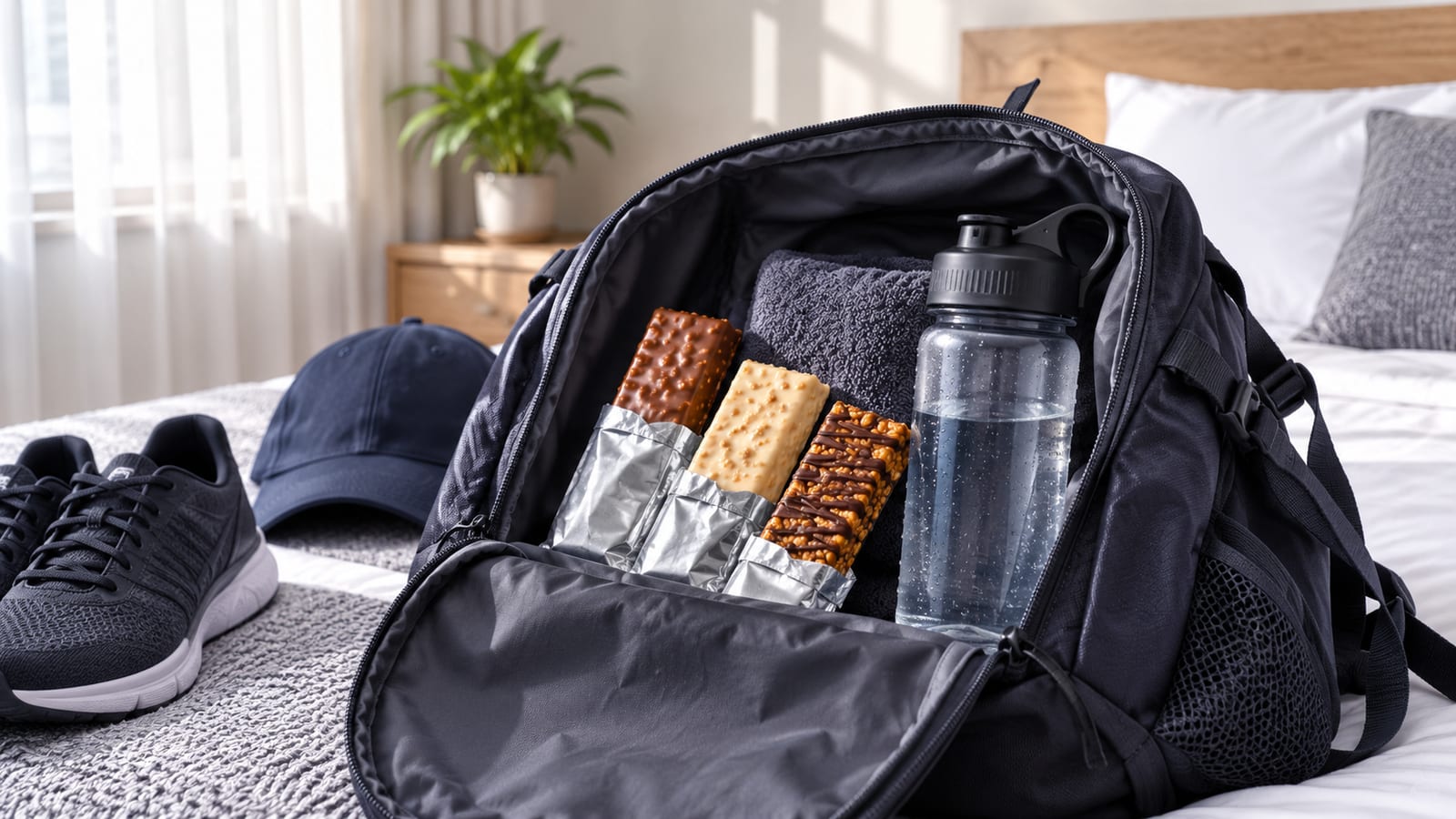
Choose the bar you’ve already tested during practice. Quest, RXBAR, and Barebells are all practical choices if you know how your stomach responds.
Avoid trying a high-fiber vegan bar for the first time on a flight, road trip, or competition morning. Travel already makes meal timing harder.
For emergency desk food
Choose Kirkland, Quest, or Barebells based on your budget and tolerance. Store water beside the bar, because a dry snack is not a hydration plan.
If you’re feeding a young athlete, keep the focus on regular meals and ordinary snacks. You can also use these snacks for teen athletes instead of making a protein bar the answer to every hunger complaint.
Vegan protein bars need a closer look
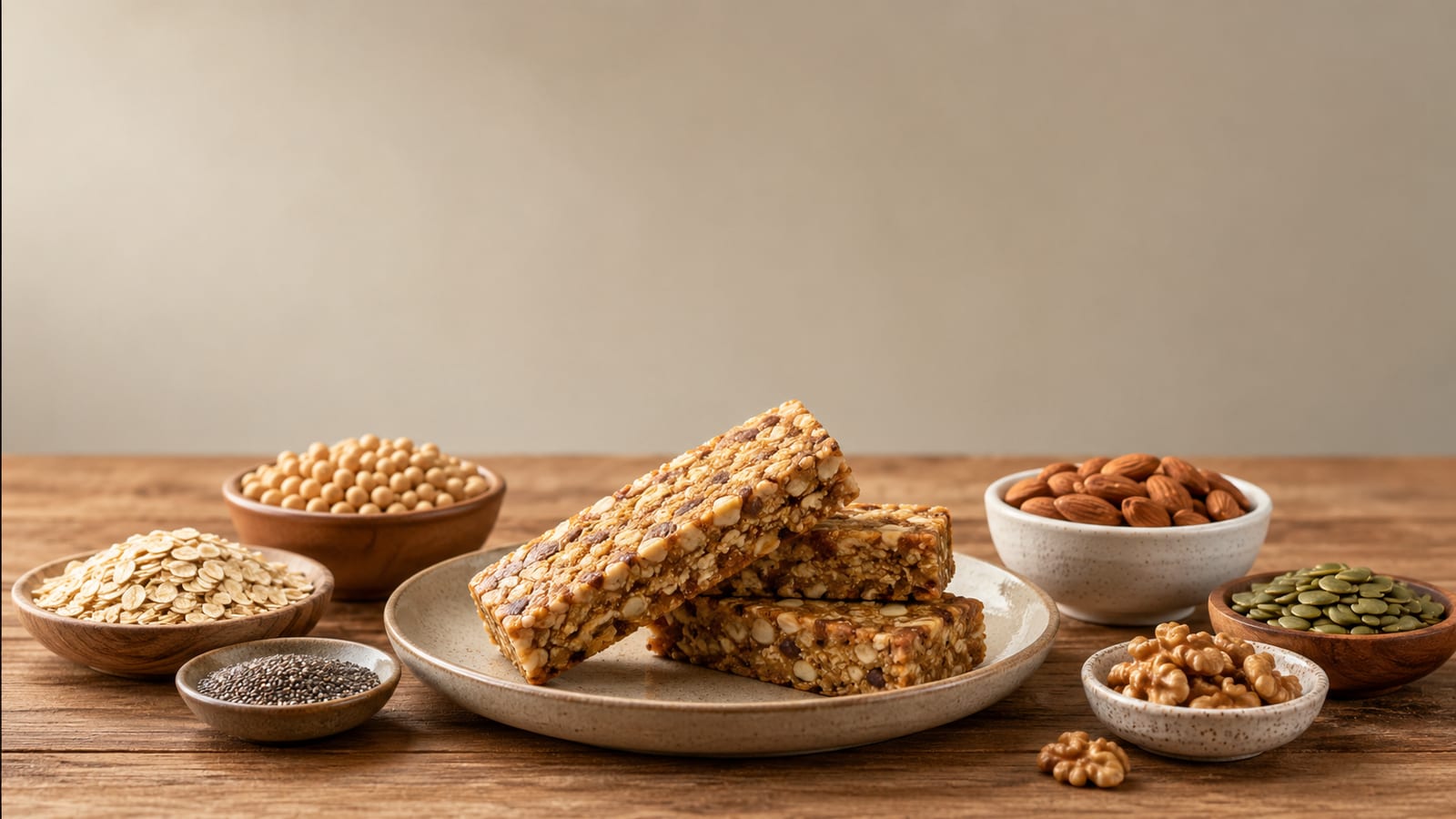
Aloha Chocolate Chip Cookie Dough is the best vegan choice in this group for a softer, more whole-food profile. No Cow is a strong option for maximizing plant protein and fiber. Its weakness is the same feature: the dense formula may cause stomach trouble before movement.
Aloha is the gentler plant-based pick. It suits shoppers who value organic ingredients, softer texture, and a more whole-food feel over maximum protein density.
GoMacro Sunflower Butter + Chocolate is another real plant-based example to consider if you need a nut-free direction. The sunflower butter profile may help shoppers avoiding nuts, but check the full label for protein, fiber, and carbohydrates before using it as recovery food.
Plant protein can support recovery, but the whole day still matters. Use beans, tofu, soy milk, lentils, peas, and other protein foods across meals so one bar doesn’t carry the entire plan.
The International Society of Sports Nutrition publishes sports nutrition research that can help put protein products in context. Product packaging will always make its own case. Your training load and digestion get the final vote.
When a protein bar is the wrong tool
Skip the bar when a simple meal is available and you have time to eat it. Yogurt with fruit, milk and a sandwich, nuts with dried fruit, or leftovers can provide more useful food for less money.
Skip a high-fiber bar before hard training if it causes gas or urgency. Move it to a workday snack, or choose toast, a banana, pretzels, or applesauce before practice.
Skip a low-carbohydrate bar when your sport requires repeated sprints, long sessions, or several games in one day. Add a carbohydrate food or choose a different snack.
Skip the expensive bar if you’re using it several times a day and your food budget is tight. Protein powder, milk, eggs, beans, canned fish, and yogurt can cover the same basic need with more flexibility.
A bar is also the wrong tool for an athlete who keeps missing full meals. Start by fixing breakfast, lunch, dinner, and fluids. The wrapper cannot repair a schedule that never leaves room for food.
How to choose a protein bar at the store
Use this checklist before you buy a box:
- Start with protein. Choose a bar that makes a meaningful contribution to your snack or recovery meal.
- Check fiber. More can help fullness, but a large amount may be rough before running or competition.
- Look at sugar and carbohydrates together. Low sugar doesn’t guarantee useful training fuel.
- Inspect saturated fat. Rich bars may fit occasionally, but daily snacks should leave room for other foods.
- Read the ingredient list. Look for protein sources, sweeteners, added fibers, nuts, dairy, and anything you know you don’t tolerate.
- Test the texture. A bar you dislike is not a practical food.
- Calculate price per serving. A box can look reasonable until you compare it with yogurt, milk, eggs, or a sandwich.
- Check independent verification. Treat manufacturer-only nutrition data differently from results tied to a named laboratory and tested batch.
- Match the bar to the schedule. Use higher-carbohydrate options before demanding sessions and denser protein bars for workday gaps.
- Try it during practice first. Competition is a poor time to discover that a bar turns your stomach.
RXBAR Chocolate Sea Salt is the best overall starting point. Quest leads for high protein and low sugar, Aloha leads the vegan group for a softer whole-food profile, Barebells wins on taste, Kirkland wins on budget, and No Cow suits athletes who want dense plant-based protein and fiber.
Truwomen Trubar is another real option, with a researched price of $44.25 for a 12-count. Aloha has a researched price of $32.99 for a 12-count. Prices change, so compare the live package price and serving size before choosing based on cost.
FAQ
Are protein bars good before a workout?
They can work before training if you’ve tested the bar and have enough time to digest it. Choose a familiar bar with carbohydrates when the session is long or intense, and avoid a fiber-heavy formula if your stomach is sensitive.
Can a protein bar replace lunch?
Usually, no. Pair it with fruit, milk, yogurt, or a sandwich if lunch is delayed, then eat a complete meal later.
Are protein bars better than candy bars?
Protein bars usually provide more protein and may provide more fiber. However, some are still dessert-style foods with sweeteners, fats, and a similar eating experience, so the label and your purpose matter.
Should athletes choose gluten-free protein bars?
Choose gluten-free only if you need to avoid gluten or feel better without it. The label does not guarantee better protein, easier digestion, or stronger recovery.
How should you store protein bars?
Keep them in a cool, dry place and protect them from heat. Warm conditions can soften coatings and change texture, especially in bars with chocolate or nut ingredients.