

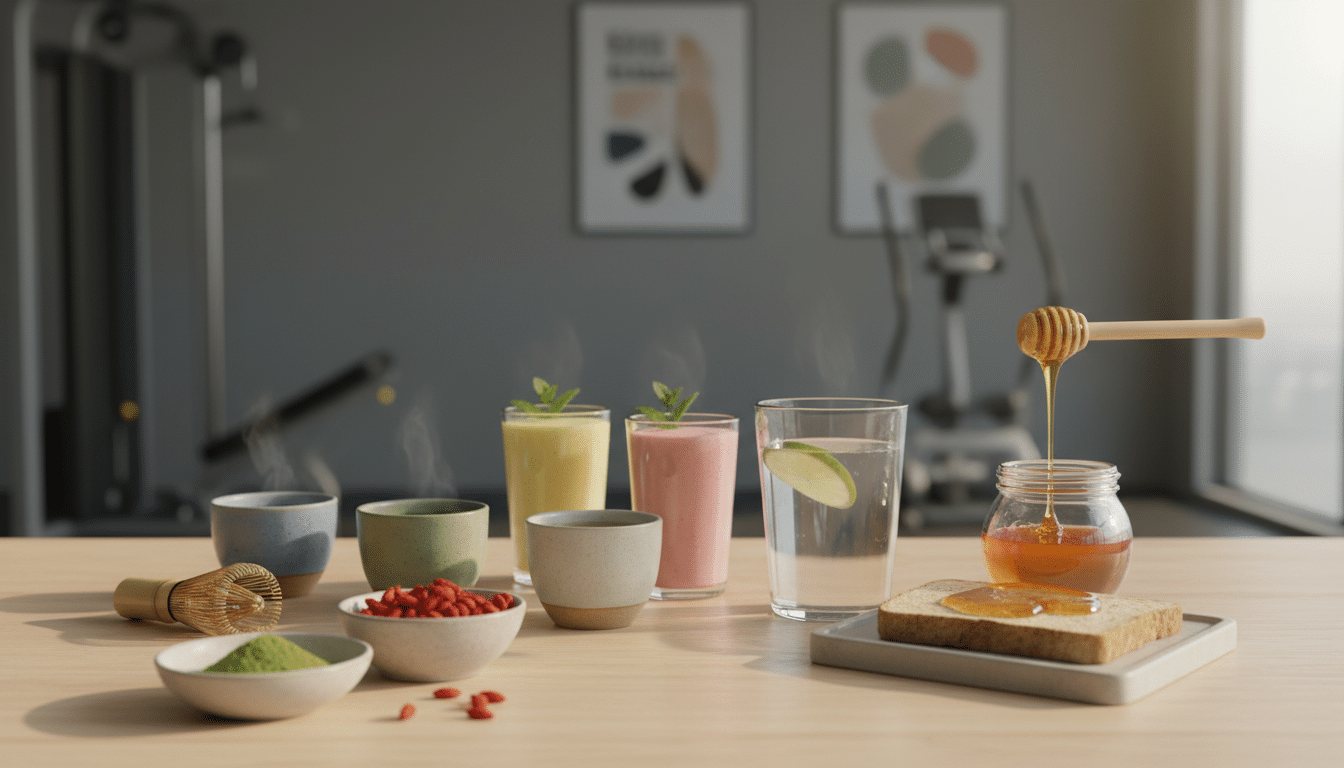
caffeine alternatives for athletes can protect your sleep and recovery while still helping you feel sharp on training days.
You train hard, juggle work, and live a full life. That load can stress recovery and make stimulants a poor daily habit.
Here, energy means steady focus, a calm mood, and reliable performance — not jitters or crashes.
Some choices boost alertness and hydration. Other foods actually fuel muscle work and repair.
What to expect: I’ll list drink options that suit pre-workout, midday boosts, and evening routines without wrecking sleep. I’ll also explain simple selection criteria: stimulant level, sugar load, stomach tolerance, and convenience.
Pick based on your sensitivity, schedule, and goals. With the right swaps you’ll protect recovery and keep training consistent while supporting long-term health and results.
Why athletes look for caffeine-free energy and focus
Many athletes seek stimulant-free ways to stay alert without risking recovery. Sleep drives repair, and poor rest cuts training gains.

Sleep disruption varies by metabolism
How fast you clear stimulants shapes the impact. One cup can be fine for one person and disruptive for another. That difference makes timing critical.
Common downsides that matter in training
Overdoing stimulants can cause shaky hands, anxious feelings, and stomach upset. It also harms concentration and often ends in a midday crash.
Sugary drinks add a second problem
Sugary energy drinks and syrupy coffee lattes pair a stimulant with excess sugar. That combo spikes blood glucose and then drops it, hurting steady focus.
Quick action step
- Track your total intake from coffee, tea, pre-workout, and energy drinks for one week.
- Note bedtime and how rested you feel the next day.
- Remember: stable focus usually comes from hydration, sleep, and food—not more stimulants.
| Issue | Short-term effect | Training impact |
|---|---|---|
| Fast metabolism | Brief alertness | Less sleep disruption for some people |
| Slow metabolism | Late sleep onset | Lighter recovery sleep |
| Sugary drinks | Blood sugar spike and crash | Reduced steady focus and energy |
How caffeine changes alertness and perceived energy
Your brain uses a chemical called adenosine that builds up as you stay awake. It acts like a slow tally of weariness, nudging you toward sleep as the day goes on.

How adenosine influences sleepiness
Adenosine binds to receptors in the brain and makes you feel drowsy. That signal grows the longer you are awake.
What blocks the signal and what that actually means
Some compounds bind those same receptors and block adenosine. That makes you feel less sleepy even when your body still needs rest.
- No calories here: blocking the signal changes perception, not energy stores. This does not replace food that fuels ATP production.
- Why athletes notice it: being “wired” can feel like being ready, yet recovery and true power may still be low.
- Benefits seen: sharper focus and lower perceived effort are common, but effects vary with tolerance and sleep cost.
| Mechanism | Effect | What to check |
|---|---|---|
| Adenosine signaling | Builds sleep pressure | Hours awake |
| Receptor blockade | Less subjective sleepiness | Sleep quality next night |
| Food → ATP | Provides real energy | Pre-workout fueling, hydration |
Practical takeaway: if you feel alert but flat during a session, fix hydration and food first — those restore real energy faster than a temporary wakeful boost.
Best caffeine alternatives for athletes that support energy levels
Small beverage swaps can protect sleep and still help you feel ready for training. Below are practical options, short notes on when to use them, and key benefits.
Decaf coffee
Why try it: keeps the coffee taste and routine with about one-tenth the stimulant. Coffee also has antioxidants and polyphenols that may help performance even when stimulant content is low.
Herbal teas
Why try it: zero stimulant, warm habit for rest days or evenings. Great if you want a calming cup without a late-night effect.
Peppermint & ginger tea
Peppermint tea: aroma and cooling sensation can sharpen alertness without stimulants.
Ginger tea: warming, gentle on the stomach when sensitivity is an issue.
Chicory root coffee
Roasted chicory brews like coffee but has no stimulant. Note: chicory contains inulin and can cause gas in some people.
Yerba mate, matcha, hojicha
Yerba mate: contains stimulant but feels smoother than strong coffee.
Matcha & green tea: provide stimulant plus L-theanine for calmer focus.
Hojicha: roasted green tea with far lower stimulant levels than matcha—good for lattes.
Electrolyte drinks, hydrogen-rich water, B vitamins, golden milk
Electrolytes: restore sodium, potassium, magnesium lost in sweat. Choose low-sugar formulas.
Hydrogen-rich water: studied for improved alertness in sleep-deprived adults; effects vary.
B vitamins & B12: support normal energy metabolism from food; avoid mega-dose B6 supplements.
Golden milk-style drinks: caffeine-free evening beverage—check labels for added sugar.
| Option | When to use | Key benefit |
|---|---|---|
| Decaf coffee | Late-afternoon or evening routine | Flavor + antioxidants with much less stimulant |
| Herbal/peppermint/ginger teas | Rest days, evenings, sensitive stomach | Zero stimulant; aroma/thermal effects aid alertness or digestion |
| Chicory root | Late-day coffee replacement | Coffee-like cup without stimulant; contains inulin |
| Yerba mate / Matcha / Hojicha | When small stimulant helps training | Smoother or calmer focus; L-theanine in green tea |
| Electrolytes / Hydrogen water / B vitamins | After heavy sweat, travel, or poor sleep | Supports cellular function and alertness without excess sugar |
Hydration and electrolytes as performance-friendly coffee alternatives
Hydration often gives a quick, steady lift that feels like real energy during practice.
Even mild dehydration (about 2%) reduces focus and slows reaction time. That drop hurts skill work, starts, and decision-making in fast sports.
Why fluid feels like an energy fix
Your brain and muscles need water to work well. When fluid falls, concentration and power dip.
What electrolytes actually do
Electrolytes—sodium, potassium, magnesium—help nerve signals and muscle contractions. They keep cells working and oxygen moving where it’s needed.
Practical examples: long training sessions, hot-weather practices, and heavy sweaters lose the most salts and need replacement.
- Choose a low-sugar electrolyte drink or an electrolyte powder you can dose.
- Use water early in the day, not only when you feel tired.
- Hydration provides steady, clean energy that supports better training decisions.
| Situation | Recommended | Why it helps |
|---|---|---|
| Long session | Low-sugar electrolyte powder | Restores salts and maintains power levels |
| Hot weather | Electrolyte drinks | Prevents cramp risk and supports nerve signals |
| Everyday training | Plain water + small salt snacks | Easy, steady support for body and health |
Chicory, barley, and other roasted “coffee alternative” drinks
If you want the ritual of a hot cup but need to protect sleep, roasted substitutes work well.
What these roasted beverages are: brewed drinks made from roasted plant root or grain that mimic a coffee-like aroma and body. Many people pick them as evening swaps when they want the flavor without the stimulant.
Chicory and taste expectations
Chicory brews from ground chicory root. The taste is earthy and slightly bitter, similar to dark coffee. Expect a full, roasty cup rather than a bright, acidic brew.
Gut effects and tolerance
Chicory contains inulin, a prebiotic fiber that may help gut bacteria and digestive health. It can also cause gas or bloating in sensitive people.
- Tolerance test: start with a small cup and wait a day before increasing.
- Another option: roasted barley drinks, like Nestlé Pensal Cevada, offer a warm, nutty flavor and pair well with oat milk.
- Practical tip: use these coffee alternatives when you want comfort without late caffeine impact.
| Drink | Taste | Notes |
|---|---|---|
| Chicory | Earthy, roasty | Contains inulin; test tolerance |
| Roasted barley | Warm, nutty | Good with oat milk; caffeine-free |
| Commercial blends | Varied | Check ingredients for added sugar |
Tea-based options for athletes who still want a small caffeine amount
If you want a gentler lift than a strong brew, tea offers a middle ground.
Matcha gives a steady buzz because it pairs caffeine with L-theanine. Many people feel calmer focus versus regular coffee, not a quick spike and crash.
Hojicha is roasted green tea with much lower stimulant levels than matcha. It feels warm and mild, so it’s great later in the day.
- Green tea is an easy daily pick when you want mild stimulation and fewer side effects than a strong mug.
- Yerba mate still contains stimulant, but some athletes report a smoother feel than regular coffee.
- Use these earlier in the day if sleep is sensitive; note your response and adjust the amount per cup.
| Choice | Typical effect | When to use |
|---|---|---|
| Matcha | Calmer, longer focus | Pre-morning or training |
| Green tea | Mild lift, low crash | Daily low-dose pick-me-up |
| Hojicha / Yerba mate | Mild to moderate lift | When you want flavor + gentler buzz |
Practical tip: try one switch at a time and track how each cup affects sleep and performance. For herbal recovery options, see herbal tea for muscle recovery.
Timing your drinks to protect sleep and recovery
A small shift in when you sip can protect sleep and keep training quality steady. Good timing helps your body adapt and recover so you show up with reliable energy the next day.
Avoid late-day caffeine if it delays sleep
If a cup late in the day makes it hard to fall asleep or cuts deep sleep, stop that habit. Sensitivity varies by metabolism, so pick a personal cutoff time.
- Simple rule: set a clock-based cutoff (example: no caffeine after 2 PM) and test it for two weeks.
- Count total intake — coffee, tea, pre-workout, and energy products add up.
Use caffeine-free options for evening sessions
For late workouts, swap to low-stim choices that still help performance. Plain water, low-sugar electrolyte drinks, or herbal tea calm the system and support rehydration.
| When | Cutoff idea | Evening swap |
|---|---|---|
| Morning training | No cutoff needed | Small coffee or tea pre-session |
| Afternoon sessions | Stop stimulants mid-afternoon | Water + light snack |
| Evening training | Avoid late stimulants | Electrolytes, herbal tea, or plain water |
Quick takeaway: protect sleep by planning drink timing. Better timing leads to more consistent next-day energy and higher-quality workouts.
How to cut back on caffeine without withdrawal headaches
Change your cups, not your comfort—small swaps ease the shift. Start by accepting that slow works better than sudden. Withdrawal headaches and fatigue are common when you stop too fast. A gradual plan keeps training and daily life steady.
Replace one drink at a time
Begin by swapping a single mid-day cup. For example, replace one coffee with decaf or hojicha. Keep the same mug and the same break. That preserves the ritual while cutting stimulant levels.
Reduce total intake over several weeks
Taper across 2–3+ weeks. Cut one serving each week or every few days. Track every source: coffee, tea, pre-workout, and other energy products. That stops hidden sources from undoing progress.
Practical tracking and swaps
- Write down each beverage and the estimated caffeine amount per cup.
- Swap one drink to decaf, hojicha, or a low-sugar electrolyte drink.
- After two weeks, lower the next serving and reassess sleep and energy.
| Step | Action | Why it helps |
|---|---|---|
| Week 1 | Replace one cup with decaf | Fewer withdrawal symptoms |
| Week 2–3 | Cut a second serving or reduce size | Gentle taper prevents headaches |
| Ongoing | Track all sources daily | Spot hidden cups and adjust |
Quick note: energy levels often stabilize after your body adapts, especially when sleep improves. Stick with the routine changes and you’ll feel the steady boost without the crash many people fear.
Safety notes for supplements and “energy” blends
Products that promise quick energy often mix vitamins, herbs, sugars, and stimulants. Read labels closely and add up total daily intake before you buy.
Watch total vitamin intake
B vitamins support normal energy metabolism from food, but high-dose B6 in supplements can cause nerve issues if you exceed safe limits. Track combined amounts from all pills.
Check labels for sugar and stimulant stacks
Many blends hide added sugar or layered stimulants that raise jitter risk and hurt sleep. If you already drink caffeinated tea or coffee, avoid stacked stimulant mixes.
- Prioritize whole food and protein to fuel workouts instead of sweet drinks.
- Choose products with clear dosing and third-party testing when possible.
- Limit high-dose single nutrients; aim to meet needs through balanced food first.
| Risk | What to check | Quick fix |
|---|---|---|
| High B6 | Label mg per serving | Reduce supplement count |
| Hidden sugar | Ingredient list | Pick low-sugar options |
| Stacked stimulants | Proprietary blends | Avoid if you use caffeine already |
Conclusion
Aim for steady gains, not quick spikes that cost sleep. Pick options that support lasting energy and better recovery, not just a short-lived boost.
Choose by how each choice affects your sleep, stomach comfort, and training schedule. Rotate decaf, herbal cups, and hydration tools so your routine stays flexible.
Antioxidants still matter — decaf and some teas keep those benefits without excess stimulant impact. For weight loss and steady weight control, favor low-sugar choices and consistent meals that fuel workouts.
One simple step: swap a single serving this week and track sleep and session quality. Small tests lead to big, lasting results.