

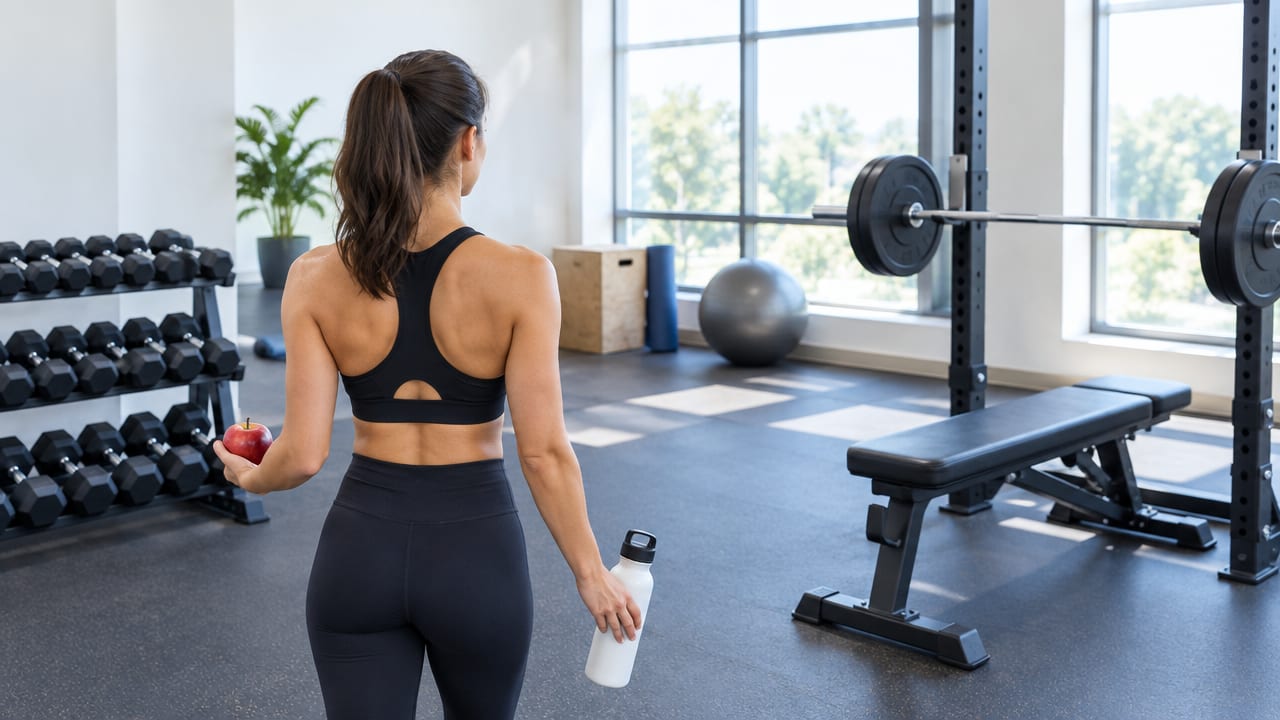
Apples are good pre-workout snacks for most easy to moderate sessions, especially when you eat one about an hour before training. They’re affordable, portable, and provide carbohydrates with some fluid. For hard, long, or high-volume training, an apple alone may leave you short on fuel, so add a low-fiber carbohydrate or a protein source.
Last updated: 2026-09-23
Are apples good pre-workout snacks?
Yes, an apple can work well before a workout. It gives you carbohydrate for training energy, travels easily in a gym bag, and usually costs less than a packaged sports snack. It also provides some water and can help you feel satisfied without a heavy meal.
The catch is digestion and training demand. An apple contains fiber and pectin, so it digests more slowly than a low-fiber snack such as pretzels, toast, or a sports drink. That can help during a normal workout, but it may feel too filling before sprints, hard intervals, or a long session.
Use an apple by itself when:
- You’re training at an easy or moderate pace.
- Your session is relatively short.
- You have about an hour to digest it.
- You tolerate fruit and fiber before exercise.
- You’ve eaten regular meals during the day.
Add something else when:
- The workout is long or demanding.
- You need more carbohydrate quickly.
- You’re lifting with high volume.
- You’re training again later the same day.
- You haven’t eaten enough since your last meal.
An apple is a useful part of pre-workout fuel. It just isn’t a complete plan for every session.
Apple pre-workout nutrition
An apple’s main training benefit comes from its carbohydrate. Carbohydrates provide usable fuel for working muscles, especially when exercise includes running, cycling, court sports, intervals, or repeated hard efforts.
The fruit also contains:
- Water, which contributes to your fluid intake.
- Fiber, which slows digestion and supports fullness.
- Pectin, a type of soluble fiber found in apples.
- Small amounts of vitamins and plant compounds, which support general health.
Those features make apples a sensible everyday snack. They don’t turn an apple into an endurance drink or a muscle-building food. The carbohydrate amount in one piece of fruit may be enough for a light session, but demanding training often calls for more total fuel.
Sports nutrition guidance for athletes places pre-exercise carbohydrate intake at 1 to 4 grams per kilogram of body weight during the 1 to 4 hours before exercise. That range applies to the full pre-workout eating period, not to one apple. Your training load, body size, workout length, and last meal all affect how much you need.
For example, an apple may be enough before an easy gym session if you ate a solid meal earlier. The same apple may be a poor match before a long ride or a hard practice if it’s the only food you’ve had for hours.
For more fruit options, see this guide to the best fruits to eat before you train.
Apple before workout: timing and digestion
About an hour before training is a useful window for many people. Eating earlier gives the fiber and pectin more time to move through your stomach. Eating closer to exercise can still work, but the portion and your personal tolerance matter more.
Try these timing adjustments:
- About an hour before: A whole apple may work well by itself or with yogurt.
- Within the hour: Choose an apple if fruit usually digests well for you.
- Just before training: Use a smaller portion or choose a lower-fiber carbohydrate.
- During a hard session: Don’t rely on an apple to provide fast fuel once the workout is underway.
Peeling the apple can reduce some of the fiber, but it won’t make the fruit as quick to digest as a sports drink or plain crackers. Cutting it into slices may also make it easier to eat slowly and stop before you feel too full.
If apples cause bloating, cramping, or urgency, take that response seriously. Test a smaller amount on an easy training day, eat it earlier, or switch to toast, pretzels, applesauce, or another carbohydrate that your stomach handles better.
Match the snack to the workout
Your workout sets the standard for whether an apple is enough. The same snack can support one session and leave you under-fueled for another.
| Training session | Apple by itself | Better approach |
|---|---|---|
| Easy walk or light cardio | Usually enough | Add water and eat the apple if hungry |
| Moderate strength session | Often works | Add yogurt if the session is long or demanding |
| Short run or class | Usually reasonable | Eat it about an hour before |
| Hard intervals or repeated sprints | May fall short | Add toast, pretzels, cereal, or another carbohydrate |
| Long endurance workout | Often not enough | Pair it with more carbohydrate and plan fluids |
| Two workouts in one day | Rarely enough alone | Add carbohydrate and protein, then refuel after |
For a normal practice or moderate gym workout, an apple can be a practical choice. For a tournament, long run, or high-volume lifting day, build a larger snack or meal.
The goal is steady training energy, not maximum fullness. You should finish your snack feeling ready to move, not like you’re carrying lunch through the warm-up.
Simple apple combinations before the gym
An apple becomes more useful when you match it with the missing piece. Add carbohydrate if you need more training fuel. Add protein if your last meal was long ago or you need a more complete snack.
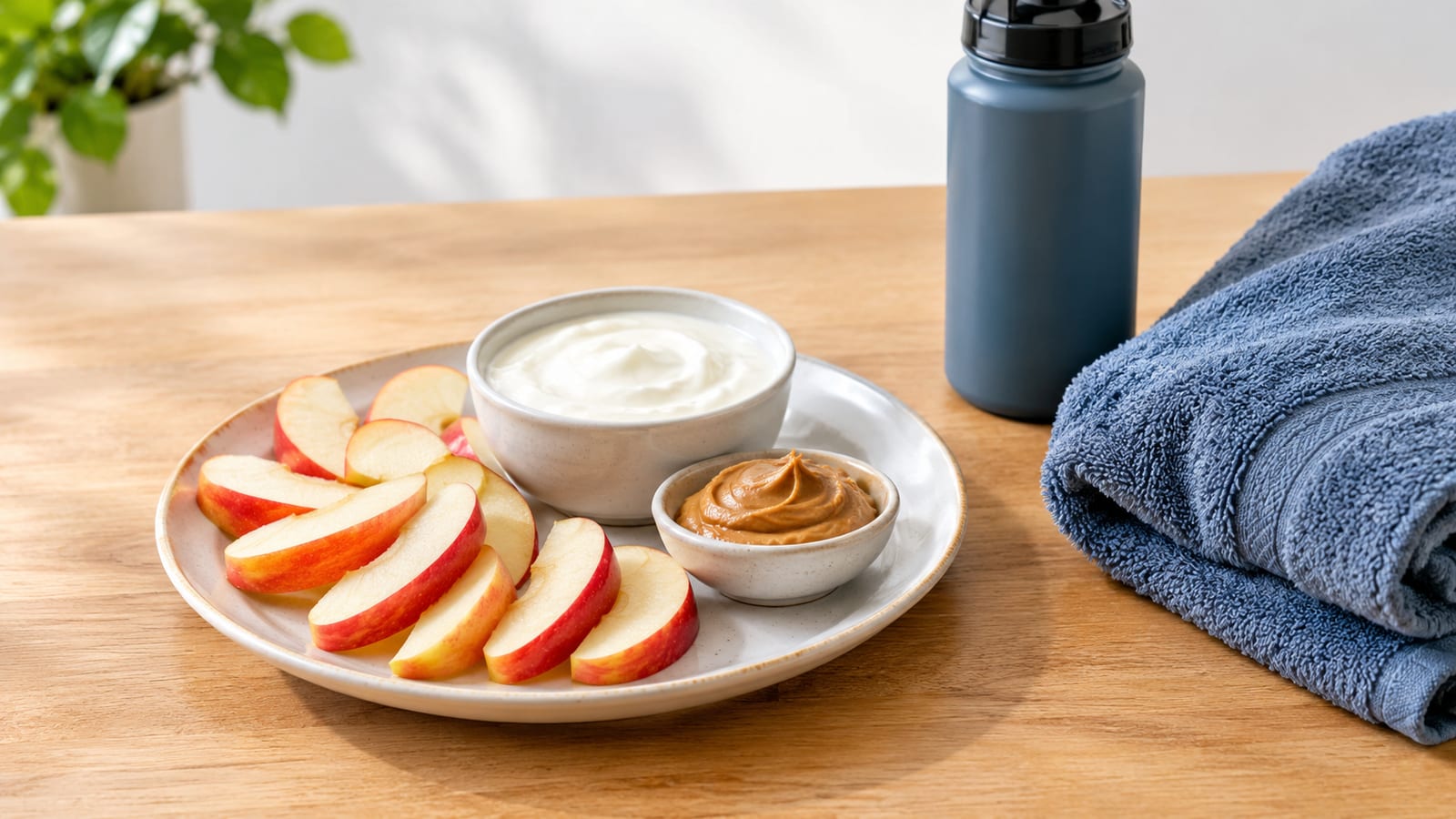
Apple with yogurt
Pair an apple with Greek yogurt, drinkable yogurt, or soy yogurt. This adds protein and gives you a softer option if chewing a whole snack feels difficult before training.
Choose a lower-fiber yogurt and keep the serving moderate if dairy bothers your stomach. For a hard session, add cereal or a small granola portion for more carbohydrate.
Apple with peanut butter
Apple slices with peanut butter provide carbohydrate, protein, and fat. This combination is filling and portable, but the fat can slow digestion for some people.
Eat it earlier before training rather than right before intense intervals. If peanut butter feels heavy, use a smaller amount or choose yogurt instead.
Apple with another carbohydrate
Add a bagel, toast, pretzels, cereal, or crackers when the apple alone doesn’t provide enough fuel. This is the better choice before long practices, hard cycling, or repeated court work.
The extra carbohydrate matters more than adding a costly powder. Pack the food you’ll actually eat and can replace easily.
Apple with a simple meal
If you have several hours before training, include the apple with a meal such as:
- Rice with eggs and fruit
- A turkey sandwich with an apple
- Oatmeal with yogurt and apple slices
- A baked potato with cottage cheese and fruit
A meal gives you a better base for demanding exercise than fruit alone. Keep high-fat and unfamiliar foods away from game day if they tend to cause stomach trouble.
For more practical ideas, use this list of quick pre-workout snacks that work.
Fiber, fullness, and fast energy
Apple fiber is useful outside the workout. It can help you feel satisfied and can support regular digestion. Pectin also slows the movement of food through digestion, which is one reason an apple may feel steadier than a sweet drink.
That slower digestion has a downside before intense exercise. Hard training increases the chance that a full or unsettled stomach will become a problem. Fiber, large portions, and fast running are a poor combination for some athletes.
Sports nutrition guidance advises athletes to choose easy-to-consume carbohydrate-rich foods that are low in fiber or residue before exercise. This advice matters most when you’re training hard, competing, or prone to stomach symptoms.
You don’t need to avoid apples. You need to place them properly. An apple works earlier before training or before a moderate session. A lower-fiber snack often works better when the clock is tight and the workout is intense.
Apple hydration benefits and limits
An apple contributes fluid because fruit contains water. That can support your overall intake, especially if you’re eating it with a meal or snack.
Still, an apple cannot replace a hydration plan. It doesn’t provide enough fluid for a long, hot, sweaty workout. It also doesn’t supply the full electrolyte strategy you may need during prolonged training or repeated games.
Drink water with an apple before most regular workouts. For long sessions, hot conditions, heavy sweating, or back-to-back games, consider a drink that supplies both fluid and carbohydrate. The choice depends on the work you’re doing, not on whether one option sounds more natural.
Apple versus banana before training
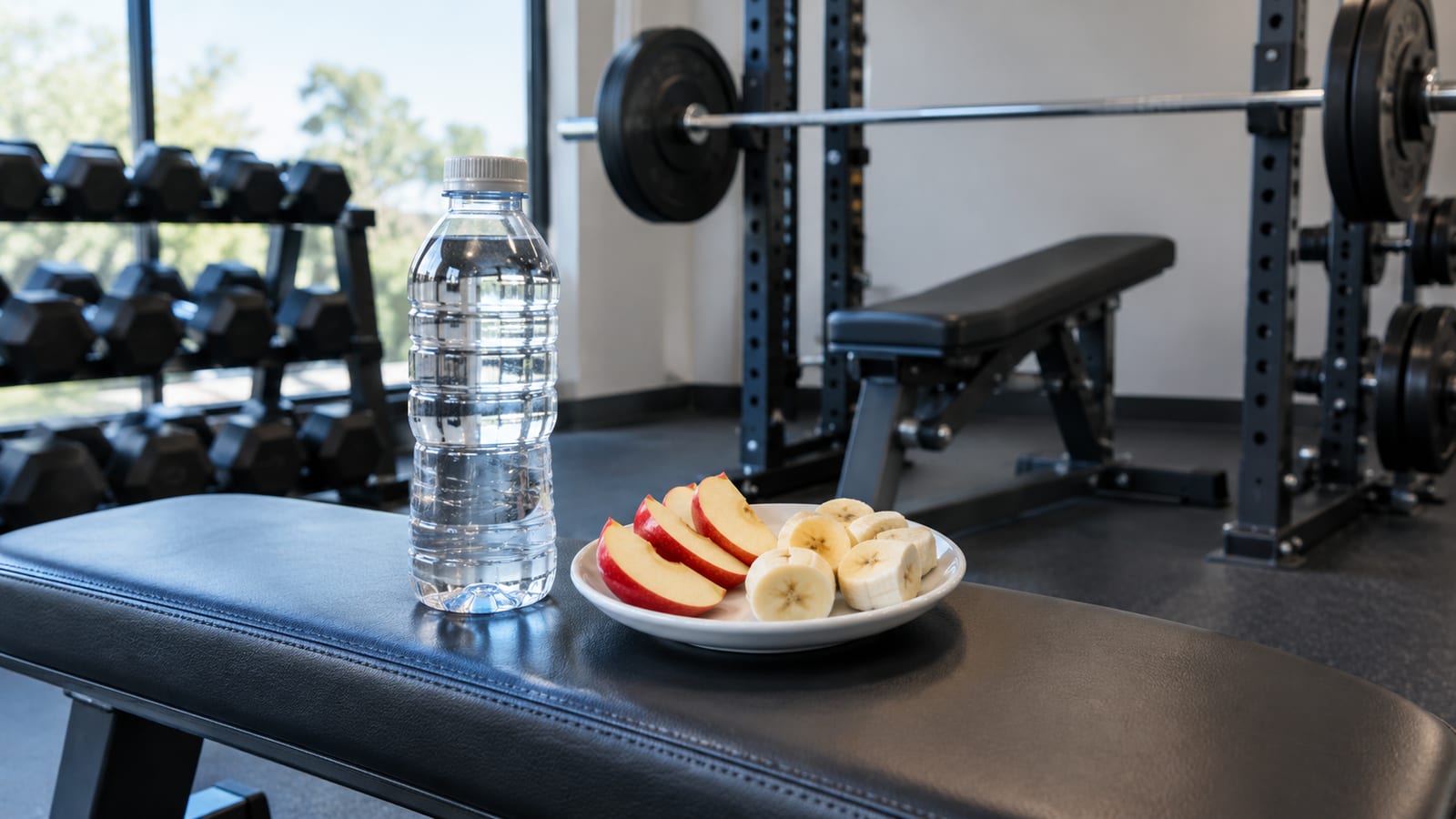
Apples and bananas can both work before exercise. The better choice depends on how soon you’re training, how hard you’ll work, and how your stomach handles fiber.
| Feature | Apple | Banana |
|---|---|---|
| Carbohydrate delivery | Moderate and steadier for many people | Often easier to use quickly |
| Fiber | More noticeable, especially with the peel | Usually lower in a ripe banana |
| Fullness | More filling for some athletes | Often lighter before hard work |
| Digestion | Can feel slower | Commonly easier close to exercise |
| Portability | Durable and easy to pack | Easy to pack, though it bruises more easily |
| Best fit | Earlier fuel and moderate sessions | Short lead times and harder sessions |
Choose an apple when you have time to digest and want a filling snack. Choose a banana when you’re closer to training or want a softer, lower-fiber option.
Neither fruit guarantees steady energy, prevents cramps, or improves performance by itself. Your total food intake, fluids, and training load matter more than the fruit label.
When an apple is the wrong pre-workout choice
An apple is the wrong choice when it doesn’t match your schedule, gut, or workload. Don’t force it because it is convenient or considered healthy.
Choose another snack if:
- You have only a few minutes before training.
- You’re about to run hard intervals or sprint.
- You’re starting a long endurance session.
- You regularly feel bloated after fruit.
- You need a larger carbohydrate serving.
- You need protein because your last meal was long ago.
- You’re already hungry after eating the apple.
- You’re training again later and need to refuel fully.
Low-fiber options such as toast, pretzels, cereal, a bagel, applesauce, or a sports drink may work better in these cases. If you need protein, add yogurt, milk, soy milk, eggs, or a small turkey sandwich.
A sensitive stomach is useful information. Adjust the food, timing, and portion instead of blaming yourself for failing to tolerate the “right” snack.
Is apple a good pre-workout choice overall?
Yes, choose an apple for convenient fuel before an easy or moderate workout when you have about an hour to digest. It’s affordable, portable, and provides carbohydrate with some fluid and useful fullness.
Add yogurt, peanut butter, or another carbohydrate when the session is longer, harder, or separated from your last meal by several hours. Replace the apple with a lower-fiber option when you have little time or your stomach reacts to fruit.
That’s the decision rule: keep the apple for moderate training and a comfortable schedule. Add to it or choose something else when digestion, timing, or training demand calls for faster or more total fuel.
FAQ
Can you eat an apple immediately before a workout?
You can, but a whole apple may sit heavily during intense exercise. Try a small portion of peeled apple or applesauce if you need food close to the start and your stomach is sensitive.
Should you eat the apple peel before training?
Keep the peel when extra fiber feels comfortable and you aren’t rushing into exercise. Skip it when you’re eating close to training or the skin regularly causes stomach trouble.
Are apples useful before morning exercise?
Yes, though a whole apple can be more food than you want early in the day. Start with a smaller portion if your appetite is low, then make breakfast more substantial after training.
Can an apple replace a pre-workout supplement?
For many moderate workouts, an apple is a reasonable food choice and no supplement is needed. It won’t cover the job of a full meal, adequate fluids, or a product chosen for a specific evidence-based purpose.
Is applesauce better than an apple before training?
Applesauce usually works better when you have little time because it has less intact fiber and goes down easily. It’s a practical lower-volume choice when a whole apple feels too filling.