

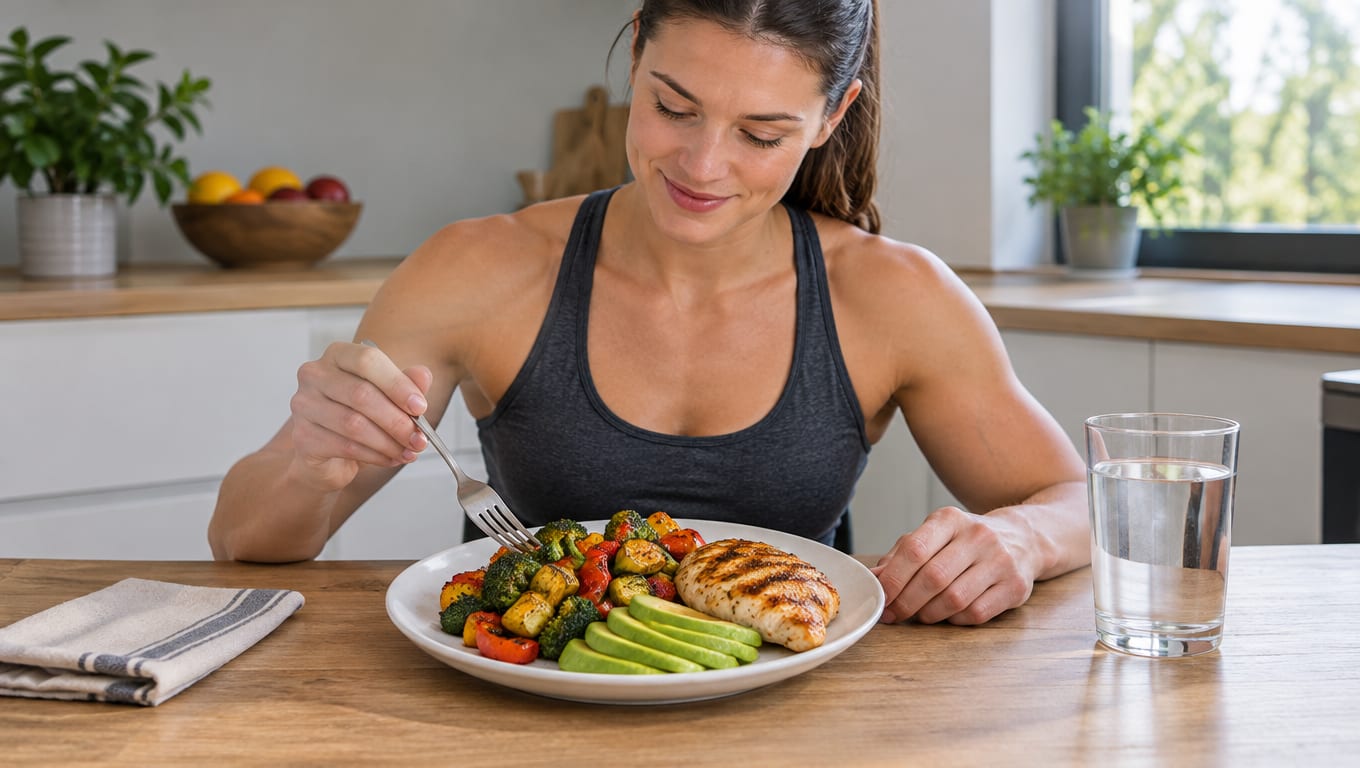
Keep the protein, keep the vegetables, and cut carbohydrates only as far as your training allows. The best high protein low carb meals start with chicken, fish, eggs, tofu, tempeh, lean meat, or Greek yogurt, then add vegetables and a sauce you’ll actually eat. They suit lighter training days and busy schedules. Before hard practice or after long sessions, add rice, potatoes, bread, fruit, or another familiar carbohydrate.
What are high protein low carb meals?
These meals provide a solid protein source while using fewer carbohydrate-rich foods than a typical mixed meal. There’s no useful carbohydrate cutoff that fits every athlete. Your sport, training load, appetite, and recovery schedule matter more than a tidy label.
Build the meal from these parts. The protein does the main recovery work, vegetables add volume and fiber, and the optional carbohydrate keeps the plate matched to your training.
| Meal part | Practical choices | What it does |
|---|---|---|
| Protein | Chicken, turkey, fish, eggs, lean beef, pork, tofu, tempeh, Greek yogurt, cottage cheese | Supports muscle repair and helps the meal feel substantial |
| Vegetables | Peppers, zucchini, broccoli, cabbage, mushrooms, spinach, cucumber | Adds fiber, color, and volume |
| Flavor | Salsa, pesto, mustard, herbs, curry paste, yogurt sauce, vinaigrette | Keeps meal prep from tasting like a punishment |
| Optional carbohydrate | Rice, potatoes, bread, pasta, fruit, beans | Adds training energy when the day demands it |
This is a meal pattern, not a reason to fear bread. An athlete heading into intervals needs a different plate from someone eating after a rest day.
Who should choose this style of meal?
Lower-carbohydrate meals can work well on rest days, during lighter training blocks, or when your other meals already cover your carbohydrate needs. They’re also useful when you want a filling lunch without a large serving of rice, pasta, or bread.
However, hard training changes the decision. Endurance work, repeated sprints, long practices, and tournaments rely heavily on stored carbohydrate. Cutting that fuel while keeping the workload high often shows up as flat legs, poor concentration, or a late-day raid on the snack cupboard.
Young athletes need extra care here. Growing bodies already have high energy needs, so intentional restriction deserves guidance from a qualified sports dietitian or clinician. The same applies if you have diabetes, kidney disease, digestive problems, or another condition that affects food choices.
Chicken and turkey meals
Chicken and turkey make meal prep simple because they work with almost any seasoning. Still, dry chicken breast beside steamed broccoli gets old quickly. Use sauces, tender cuts, and cooking methods that hold moisture.
Keep these combinations in rotation:
- Lemon chicken tray bake: Roast chicken with zucchini, peppers, onion, lemon, and herbs. Add potatoes on harder training days.
- Turkey burger bowl: Serve a turkey patty over chopped lettuce with tomato, pickles, avocado, and mustard.
- Chicken fajita plate: Cook chicken strips with peppers, onions, cumin, and lime. Use cabbage, lettuce cups, or tortillas based on your fuel needs.
- Pesto chicken with vegetables: Pair roasted chicken thighs with broccoli, tomatoes, and pesto.
- Turkey meatballs with zucchini: Serve with tomato sauce, Parmesan, and roasted zucchini. Add pasta after demanding practice.
- Chicken curry bowl: Simmer chicken and vegetables in a light curry sauce. Cauliflower rice works on an easy day, while regular rice suits a harder one.
For shorter shopping lists, these simple high-protein recipes offer more options without turning dinner into a project.
Seafood meals worth making
Seafood cooks quickly, which helps when training ends late. Frozen fish and shrimp are also practical because you can keep them ready without planning every dinner in advance.
Useful meals include:
- Salmon with cucumber salad: Add tomatoes, herbs, feta, and a yogurt dressing.
- Shrimp stir-fry: Cook shrimp with snap peas, mushrooms, peppers, ginger, and soy sauce.
- Tuna stuffed peppers: Mix tuna with Greek yogurt, mustard, celery, and herbs, then spoon it into pepper halves.
- White fish with tomato and olives: Bake everything together and serve with greens.
- Fish taco bowls: Use seasoned fish, cabbage, salsa, avocado, and lime. Add beans or rice when the meal follows a hard session.
- Egg and smoked salmon plate: Pair eggs and salmon with cucumber, tomatoes, and a slice of toast if training is close.
Avoid cooking fish until it turns to chalk. Gentle baking, quick pan cooking, and sauces make a bigger difference than buying an expensive cut.
Beef and pork meals
Lean beef and pork can bring variety when chicken fatigue sets in. Choose cuts that cook quickly or become tender with slow cooking. Then build the rest of the meal around vegetables.
Try these:
- Steak salad: Slice steak over greens with tomatoes, cucumber, roasted peppers, blue cheese, and vinaigrette.
- Beef and broccoli: Cook thin beef strips with broccoli, garlic, ginger, and soy sauce. Serve alone or add rice.
- Taco cabbage bowls: Use seasoned lean beef, sliced cabbage, salsa, avocado, and cheese.
- Pork tenderloin with slaw: Pair roasted pork with a cabbage and apple slaw.
- Pork lettuce cups: Fill crisp lettuce leaves with ground pork, mushrooms, carrots, and a savory sauce.
- Burger plate: Serve a burger with roasted vegetables, pickles, tomato, and a simple salad.
Watch what replaces the missing carbohydrate. A plate loaded with fatty meat, cheese, cream sauce, and oil may sit heavily before practice. Lower carbohydrate doesn’t automatically mean easier digestion.
What can vegetarians and vegans make?
Plant-based meals need a clear protein anchor. A bowl of vegetables with a few chickpeas scattered on top won’t carry much recovery work.
Use these combinations when vegetables need a real protein partner:
- Tofu stir-fry: Use firm tofu, broccoli, mushrooms, peppers, and a peanut or soy-ginger sauce.
- Tempeh lettuce bowls: Cook crumbled tempeh with garlic, ginger, cabbage, and carrots.
- Tofu scramble: Add mushrooms, spinach, peppers, nutritional yeast, and avocado.
- Edamame slaw: Combine shelled edamame with cabbage, cucumber, herbs, and sesame dressing.
- Greek yogurt bowl: Add nuts, seeds, and berries. Choose soy yogurt if you avoid dairy.
- Cottage cheese plate: Serve with tomatoes, cucumber, herbs, olives, and whole-grain crackers when more fuel is needed.
- Egg and vegetable frittata: Use leftover roasted vegetables and serve it hot or cold.
Beans and lentils contain both protein and carbohydrate. That doesn’t make them poor choices. It simply means the meal won’t be as low in carbohydrates as a tofu, egg, or fish meal.
Better flavor with less work
Season the protein before cooking, then finish the meal with something acidic or creamy. Lemon juice, vinegar, salsa, yogurt sauce, mustard, pesto, and chopped herbs rescue plain food without much effort.
Cooking method matters too:
- Roast vegetables until their edges brown.
- Sear meat or tofu instead of crowding the pan.
- Marinate lean cuts so they stay tender.
- Use spice blends for repeat meals.
- Keep sauces separate when packing lunch.
- Add crunchy toppings such as seeds, nuts, cabbage, or pickles.
Spice is useful, but game day isn’t the time to prove your tolerance. Save unfamiliar hot sauces and heavy curries for a meal that doesn’t sit close to training.
How should athletes adjust carbohydrates?
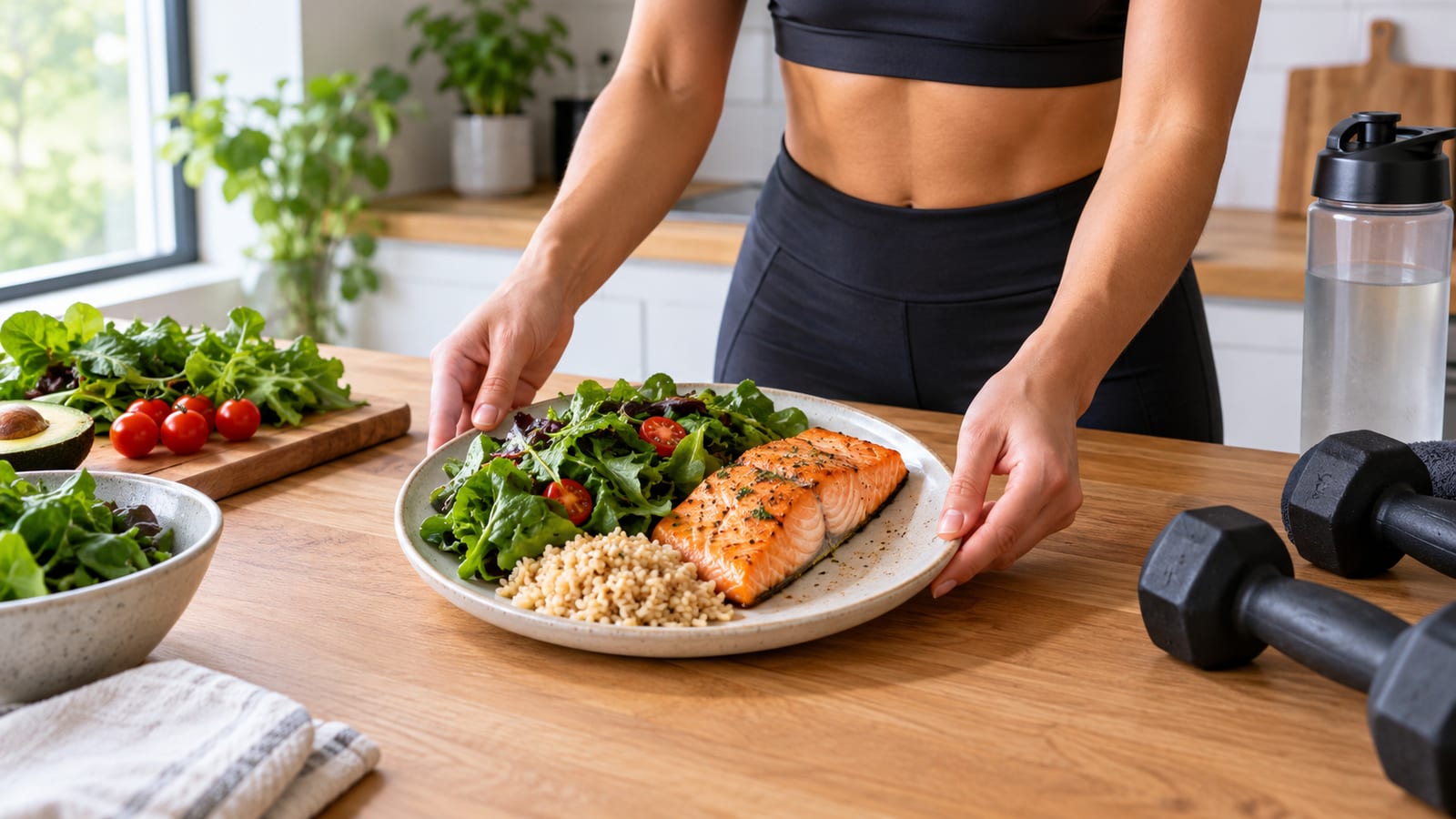
Match the carbohydrate serving to the work ahead and the recovery window afterward. A low-carb meal can fit the plan, but the plan still has to feed the work.
| Training situation | Practical adjustment |
|---|---|
| Rest or easy movement day | Keep the vegetable-heavy meal and use a smaller carbohydrate side if desired |
| Strength session | Add fruit, potatoes, rice, or bread if the workout has high volume or leaves you drained |
| Hard intervals or team practice | Include a clear carbohydrate source before and after training |
| Long endurance session | Make carbohydrate a central part of the meal rather than a garnish |
| Tournament or repeated games | Pack portable carbohydrates and fluids alongside protein |
| Late dinner after training | Use an easy carbohydrate such as rice, bread, pasta, or potatoes to support refueling |
A low-carb lunch can fit an athlete’s day if breakfast, snacks, and dinner cover the training demand. An entire hard-training week built around carbohydrate avoidance is a different matter.
For a fuller planning approach, use this lower-carb meal plan for athletes.
Main trade-offs
High protein low carb meals can make planning easier, but they also create predictable problems when pushed too far. Less carbohydrate means less readily available training energy. It may also mean less fruit, fewer whole grains, and less fiber if vegetables get ignored.
Cost is another issue. Meat, fish, specialty wraps, snack bars, and bottled shakes can turn a basic meal plan into an expensive shopping habit. Eggs, canned fish, tofu, cottage cheese, frozen vegetables, and store-brand Greek yogurt usually stretch the budget further.
Digestion can also go either way. Some people feel better with a smaller serving of starch, while others feel sluggish when fat and protein replace it. Track how the meal feels during practice instead of judging it by the label.
Ordering away from home
Start by checking the actual protein amount. A lettuce wrap or salad may look suitable while delivering less food than you expected.
For example, the Panera Bread Green Goddess Chicken Cobb Salad lists 40 g of protein per serving. Meanwhile, the Jimmy John’s Turkey Tom Unwich lists 15 grams of protein per serving. Both reduce the bread or grain portion, but they don’t provide the same protein.
Then consider the rest of your day. If you’re heading into practice, fruit, bread, or another carbohydrate side may be useful. If training is finished and you’ve eaten enough elsewhere, the lower-carbohydrate order may stand on its own.
Meal prep that holds up
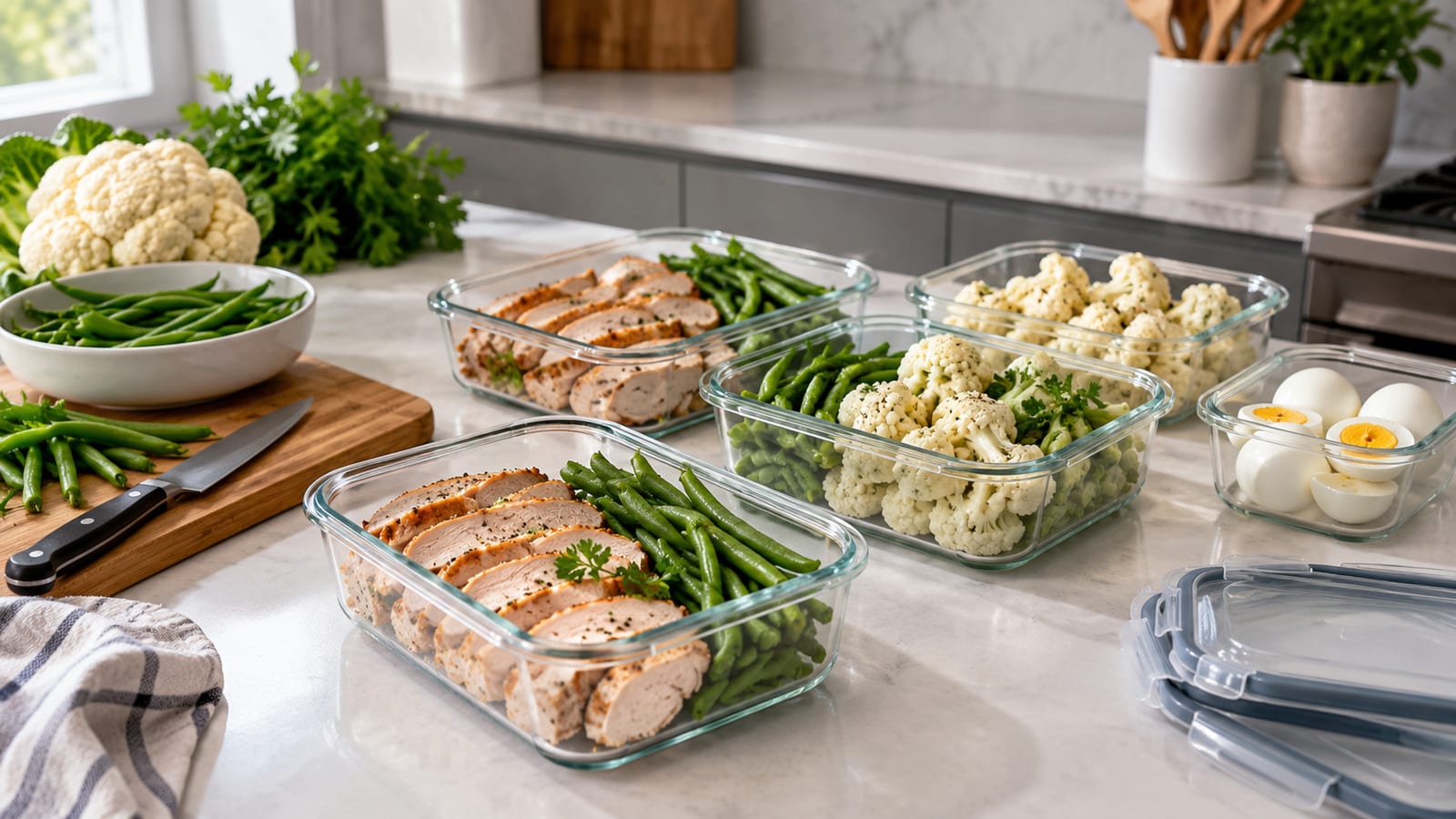
Cook flexible parts rather than assembling the same finished meal all week. Prepare a protein, a tray of vegetables, a sauce, and an optional carbohydrate. Then you can turn those parts into salads, bowls, lettuce wraps, or warm dinners.
Use these prep habits:
- Keep dressings and wet toppings separate.
- Slightly undercook vegetables that will be reheated.
- Slice meat after resting so it holds more juice.
- Pack crunchy vegetables separately from hot food.
- Freeze extra cooked portions before you’re tired of them.
- Keep easy backup foods such as eggs, canned tuna, tofu, and frozen vegetables.
Follow USDA food safety guidance for chilling, storing, and reheating cooked food. Guessing how long chicken has been in the back of the fridge is poor meal prep.
For days without a microwave, these portable high-protein lunches give you more workable combinations.
Common ways these meals fail
The most common mistake is removing rice, bread, or potatoes without adding enough food elsewhere. You finish dinner unsatisfied, then spend the evening picking at cereal, crackers, and anything else within reach.
Other common misses include:
- Treating vegetables as decoration
- Relying on cheese as the main protein
- Covering every meal with heavy cream or oil
- Buying expensive foods because the package says “keto”
- Eating the same dry protein until meal prep collapses
- Using lower-carb dinners during the hardest training block
- Ignoring fluids because the meal seems healthy
A useful list of high protein low carb meals should help you eat well on a real schedule. If the plan leaves you tired, hungry, constipated, or flat in practice, adjust the plan.
FAQ
Can I make these meals without eggs or dairy?
Yes. Build the meal around tofu, tempeh, edamame, fish, poultry, lean meat, or soy yogurt. Tahini, avocado, pesto without cheese, and nut or seed sauces can handle the flavor and texture jobs that dairy often covers.
Are frozen vegetables good enough?
Yes. Frozen vegetables are a sensible backup for busy weeks because they stay ready without spoiling quickly. Roast, steam, or stir-fry them, and stop before they become a watery pile.
Can the whole family eat the same dinner?
Usually. Put the shared protein, vegetables, and sauce on the table, then let each person choose a carbohydrate side. An athlete may need more rice or potatoes after training, while a less active family member may take more vegetables.
Do I need protein powder for this meal style?
No. Eggs, yogurt, tofu, fish, poultry, and other ordinary foods can cover these meals. A shake earns its place when time, appetite, refrigeration, or portability gets in the way, but it shouldn’t replace meals by default.