

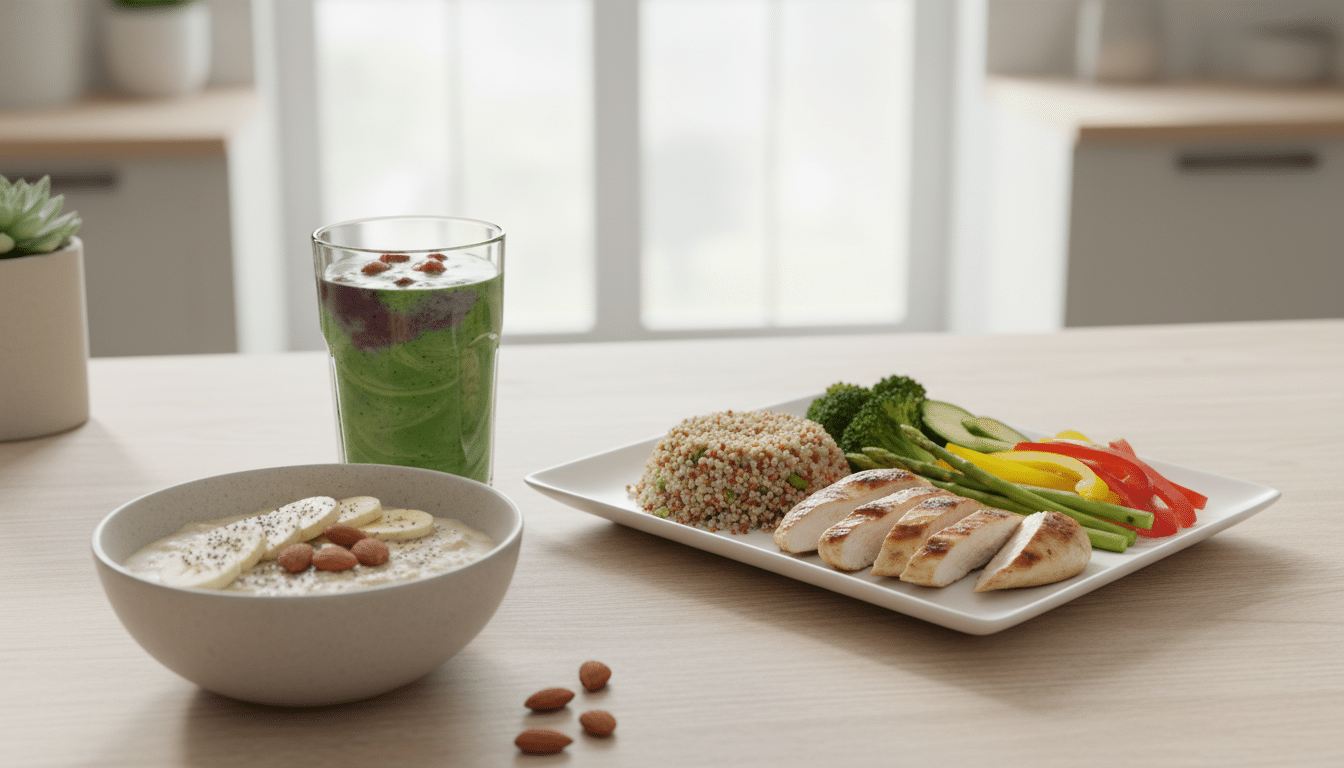
pre workout meals for strength training should help you lift with steady energy and recover faster, not weigh you down. This guide shows practical choices that pair carbs and protein to boost performance and support muscle repair.
You’ll learn what to eat and when to eat it so sets feel strong and recovery starts sooner. Expect clear timing windows (2–3 hours, 1–1.5 hours, 45–60 minutes) and real food ideas that balance fuel, protein, and smart fat timing.
We’ll also cover hydration, sodium, and a few safe supplement notes. Try options and keep what feels best in your body — small changes make a big difference.
Curious about eating before morning lifts? Read a quick primer on how timing affects morning sessions at eat before a morning session.
Why pre-workout nutrition matters for strength training performance
What you eat before a lift directly affects how many quality reps you can finish and how sore you feel afterward. Good pre-workout nutrition raises fuel and gives you steady power through a session.
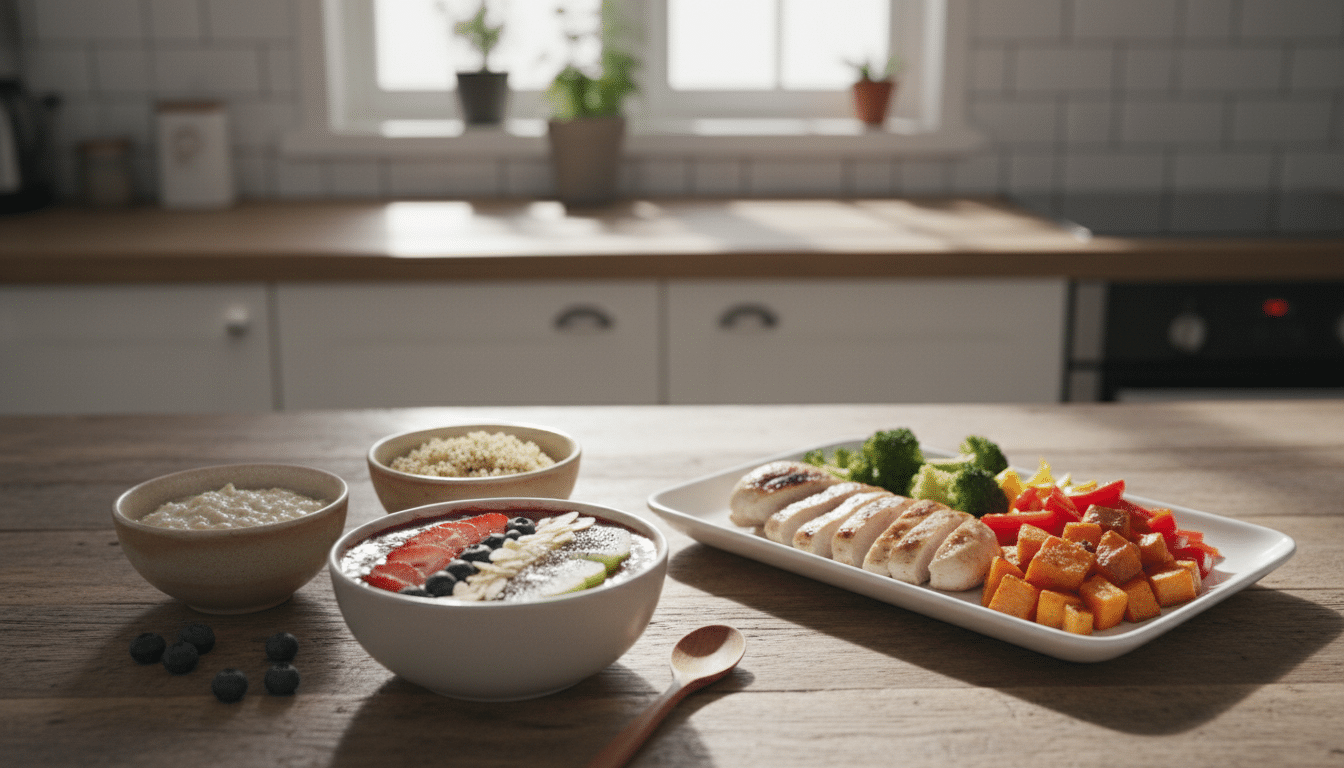
- Strength work uses stored carbohydrate (glycogen) to power hard sets.
- Carbs raise available glucose and help keep training output steady as fatigue builds.
- Low fuel can slow bar speed, reduce rep quality, and cut total work in a workout.
- Protein before lifting supplies amino acids that boost muscle protein synthesis and limit breakdown.
- Better eating before a session helps you finish planned sets with safer form and less soreness.
| Role | Primary benefit | When it helps most |
|---|---|---|
| Carbohydrates | Fuel via glucose / glycogen | Short to long sessions; prevents early fatigue |
| Protein | Amino acids for muscle repair | Supports recovery and reduces muscle breakdown |
| Practical result | Better performance and form | Depends on timing, tolerance, and workout length |
Timing your pre-workout meal based on when you train
The clock on your plate matters: how many hours or minutes before you move will shape performance.
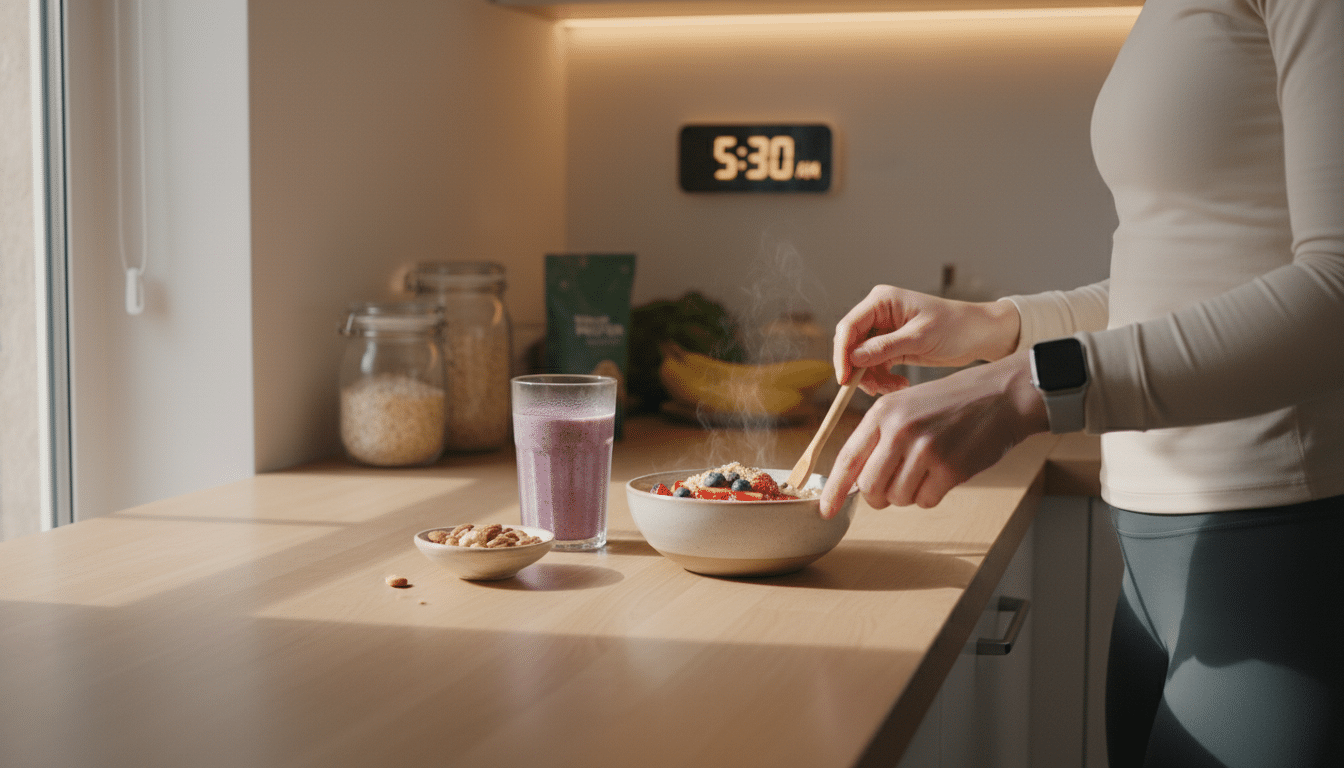
Complete meal two to three hours before exercise
If you have 2–3 hours, eat a full meal with carbs, protein, and some fat. This gives steady energy and supports recovery. Aim for moderate calories and normal portion sizes.
Smaller meal one to one-and-a-half hours before training
If you have 60–90 minutes, keep portions moderate. Focus on carbs plus protein and cut heavy fat and fiber. This size often works best to avoid slowness.
Quick snack forty-five to sixty minutes before a workout
If you’re 45–60 minutes out, choose fast-digesting carbs and an easy protein source. Think a banana with yogurt or a small smoothie that your body tolerates well.
Adjusting by feel
- If you feel hungry mid-workout, add calories earlier next time.
- If you feel bloated or sluggish, move the meal earlier and cut fat and fiber.
- Longer or high-volume sessions may need more pre-exercise fuel.
| Timing | What to eat | Why it helps |
|---|---|---|
| 2–3 hours | Full meal (carb+protein+fat) | Steady energy, recovery |
| 60–90 minutes | Moderate carb + protein | Digests well, fuels effort |
| 45–60 minutes | Small snack (fast carbs) | Quick energy, low GI fuss |
Track time, portion, and how your body felt in the last 20 minutes of the session to dial the plan in.
Pre workout meals for strength training: the macro basics
Think of macros as your gym partners: each one has a clear role in how you feel and perform. Below are simple, practical points on carbohydrates, protein, and fat so you can plan meals that help reps and recovery.
Carbohydrates: glycogen and training energy
Carbohydrates break down into glucose. Your body stores glucose as glycogen in muscle and liver. Glycogen is the main fuel for hard sets and helps keep effort high through a session.
Protein: muscle support and recovery
Protein gives amino acids that raise muscle protein synthesis and limit breakdown. Eating protein before exercise helps with strength progress, lean mass, and faster recovery afterward.
Fat: slower fuel and digestion caution
Fats digest slowly and can sit heavy if eaten near your session. If you get stomach issues, keep fats lower in the hour before lifting.
- Quick rule: reduce fats close to session time; prioritize carbs and protein within an hour.
- Your total daily intake matters—this window just fine-tunes how you feel and perform during the session.
| Macro | Main role | Timing tip |
|---|---|---|
| Carbohydrates | Supply glucose → glycogen | Best 1–3 hours before |
| Protein | Amino acids → repair & growth | Include in pre-meal or snack |
| Fat | Slower fuel, slows digestion | Limit within 60 minutes if sensitive |
How to choose carbs that work best before lifting
Picking the right carbs can make later sets feel easier and keep energy steady. Match the type to how much time you have before your session.
Fast-digesting carbs when time is tight
When you have less than an hour, pick quick options that digest fast and sit light.
- Banana or applesauce — easy on most stomachs and give fast glucose.
- White rice or a low-fiber cereal — quick energy without heavy fiber.
- Lower-fiber fruit varieties — ripe fruit often tolerates better than raw, high-fiber choices.
Complex carbs when you have more time
If you’ve got 1.5–3 hours, choose slower-digesting carbohydrates for steady fuel.
- Oats and whole grain bread — release energy over time.
- Potatoes, quinoa, and brown rice — solid, filling sources that support endurance.
Rotate your carb sources and watch your gut
Rotate foods so you don’t get bored and so you learn which source feels best. If fiber upsets your stomach, pick lower-fiber carbs closer to the session.
| Timing | Good sources | Why it helps |
|---|---|---|
| <60 minutes | Banana, applesauce, white rice | Fast glucose, minimal GI distress |
| 60–180 minutes | Oats, potatoes, brown rice, quinoa | Steady energy and longer endurance |
| All days | Rotate fruits, grains, and tubers | Variety helps performance and tolerance |
Added sugar can help in small amounts close to a session, but whole foods should cover most days. Consistent carbs help you keep energy for later sets and finish the planned workout strong.
How to pick a protein source for your pre-workout meal
The type of protein you eat affects digestion speed and how soon amino acids reach your muscles. Match your choice to the time you have and how your stomach feels.
Fast options when time is short
- Whey protein powder — quick, easy, and mixes with water.
- Egg whites — lean and fast to digest.
- Greek yogurt — simple, with some carbs if you need them.
Slower options when you have more time
- Chicken or turkey — solid animal protein that digests slower.
- Whole eggs and cottage cheese — fill you up and release amino acids over time.
- Cold-water fatty fish — extra fat slows digestion; eat earlier if you choose it.
How much: many lifters do well with about 20–30 grams of protein before lifting. Some prefer 30–45 grams with 30–45 grams carbs 60–90 minutes prior.
| Goal | Typical amount | Simple portions |
|---|---|---|
| Light intake | 20–30 g protein | 1 scoop powder; single-serve Greek yogurt |
| Higher intake | 30–45 g protein | 4–6 oz poultry; 2 scoops powder |
| Scale by weight | Heavier athletes need larger portions | Increase portions 10–30% with body weight |
Pick a source that digests well for you. The right amount supports recovery and muscle growth from the session you’re about to do.
Meal ideas by time window before your strength training session
A clear, timed list of options makes eating before a session fast and reliable. Use the pick-one choices below to match food to your schedule without overthinking it.
Two to three hours before
Chicken sandwich on whole grain bread with a side salad. Bread gives steady carbs and the chicken supplies protein to support muscle and recovery.
Two to three hours before
Salmon with sweet potato and vegetables. This adds quality protein plus carbs and a bit more fat. Eat earlier if fat usually slows you down.
About two hours before
Omelet with whole grain toast, avocado, and fruit. Protein and carbs with controlled fat. Reduce avocado or butter on toast if fat bothers you.
One to two hours before
Oatmeal mixed with protein powder, banana, and almonds. Good carbs plus muscle-supporting protein. Skip almonds if you want faster digestion.
Under one hour
Greek yogurt with fruit. Simple, high-protein and easy to tolerate for many lifters.
Under one hour
Protein smoothie with water, protein powder, banana, and berries. Low chewing, quick digestion, and easy on the gut during a short window.
Under one hour
Nutrition bar with protein plus a piece of fruit. Check the label for protein and total calories so it matches your needs.
- Quick swaps: almond can be switched with peanut butter for taste. Remember peanut butter adds fat, so keep the portion small close to the session.
- Simple rules: pick fewer high-fat items as you get closer to the start time. Choose familiar foods so your stomach stays calm.
| Timing | Example | Why it works |
|---|---|---|
| 2–3 hours | Chicken sandwich; salmon + sweet potato | Carbs for energy, protein for muscle repair |
| 1–2 hours | Oatmeal + protein powder | Steady glucose with quicker digestion |
| <1 hour | Greek yogurt; smoothie; bar + fruit | Fast-digesting fuel with protein |
Hydration and sodium for better training output
Drinking the right amount of water at the right time keeps you strong and focused during exercise. Start sessions already hydrated. That prevents early drops in power and protects form on long or hot workouts.
Why hydration matters
Hydration affects blood flow, temperature control, and muscle function. Even small fluid losses can lower performance and feel like extra fatigue.
ACSM timing guidance
Follow these simple steps based on ACSM advice:
- Slowly drink fluids at least 4 hours before exercise.
- If your urine is dark or concentrated, sip more about 2 hours before your session.
- Carry a bottle and sip during workouts so you avoid last-minute chugging.
Sodium to help retain fluids
Sodium helps your body hold onto the water you drink. That matters when you sweat a lot or train in heat.
Simple sodium ideas: a salty snack, salted rice, or an electrolyte drink that lists sodium on the label.
| Issue | Action | Why it helps |
|---|---|---|
| Starting dehydrated | Drink 300–500 ml (10–17 oz) 4 hours before | Restores baseline fluids and aids circulation |
| Dark urine 2 hours prior | Top up with 200–300 ml (7–10 oz) | Improves hydration status without overloading stomach |
| Heavy sweating | Add sodium via snack or electrolyte drink | Retains fluids and reduces cramping risk |
Adjust amounts by sweat rate, heat, and how long your session lasts. If you want a quick read on eating and timing before a session, check this short guide: what to eat before a weight.
Pre-workout supplements that may support strength and energy
Supplements can sharpen energy and focus, but they don’t replace solid sleep, full meals, or a consistent program. Use them to complement a good plan, not to fix gaps in diet or recovery.
Creatine: simple support for power and repeat efforts
Creatine helps your muscles regenerate short bursts of energy. Over weeks it can increase lifting capacity and the work you do across sets.
Most lifters take 3–5 g daily. It’s safe for many people and works best when used consistently, not just on session days.
Caffeine: alertness and lower perceived effort
Caffeine boosts focus and can make tough reps feel easier. Benefits show at moderate doses, often 100–300 mg depending on tolerance.
Start low if you are sensitive. Skip larger doses late in the evening to avoid sleep trouble.
Timing and tolerance rules
Many products perform best about 30–45 minutes before you start. Follow the label and test timing in low-risk sessions first.
Begin with smaller doses of stimulants and note any stomach upset or jitters. Adjust based on how your body reacts.
Safety and product quality
Talk with a healthcare professional if you are pregnant, have heart disease, take stimulant meds, or suffer anxiety. That prevents risky interactions.
Choose products with clear labels and third-party testing when possible. Aim for steady energy and better performance without nausea or jitters.
| Supplement | Typical dose | Main benefit | When to consult a pro |
|---|---|---|---|
| Creatine monohydrate | 3–5 g daily | Improves repeated power and work capacity | Kidney disease or existing prescription meds |
| Caffeine | 100–300 mg before sessions | Raises alertness and lowers perceived effort | Heart conditions, pregnancy, anxiety, stimulant meds |
| General advice | Follow label; test small dose | Supports energy and performance when paired with food | When unsure about interactions or side effects |
Conclusion
Start by choosing a single meal timing and test it across several sessions. Stick with that window for a week so you can learn what helps your lifts and how you feel near the end of a session.
Make the core setup simple: carbs to fuel your work and protein to support muscle and recovery. Track the food, exact time, and how your last sets felt.
If you crash early, add more carbs. If your stomach feels heavy, cut fat and move the eating earlier. Treat hydration and sodium as part of your nutrition plan, not an afterthought.
Keep protein steady across the day so this one intake isn’t doing all the heavy lifting. Pick a few repeatable foods you like and use them on busy days to keep improving session to session!