


Foods that cause bloating before workouts is a phrase you might search when a tight, heavy gut derails your training. Around 30% of people report regular bloating, and for active folks it shows up as trapped gas, slow stomach emptying, or gurgling discomfort right when you want to move.
In practical terms, bloating before exercise feels like fullness, pressure, or a noisy stomach that slows your pace. I’ll focus on comfort and performance, not judging your plate.
Triggers vary by person, especially with sensitivities or IBS. The goal is simple: spot common triggers, tweak timing, and swap easy alternatives so your fitness routine stays steady.
If symptoms are new or severe, seek medical advice. Later sections will explain gas from fermentation, carbonation, and slow emptying so you can make small, smart changes fast.
Why bloating happens before exercise
Bloating often starts when gas and pressure build in your gut. This makes movement feel heavy or uncomfortable. It’s a common issue and easy to understand.
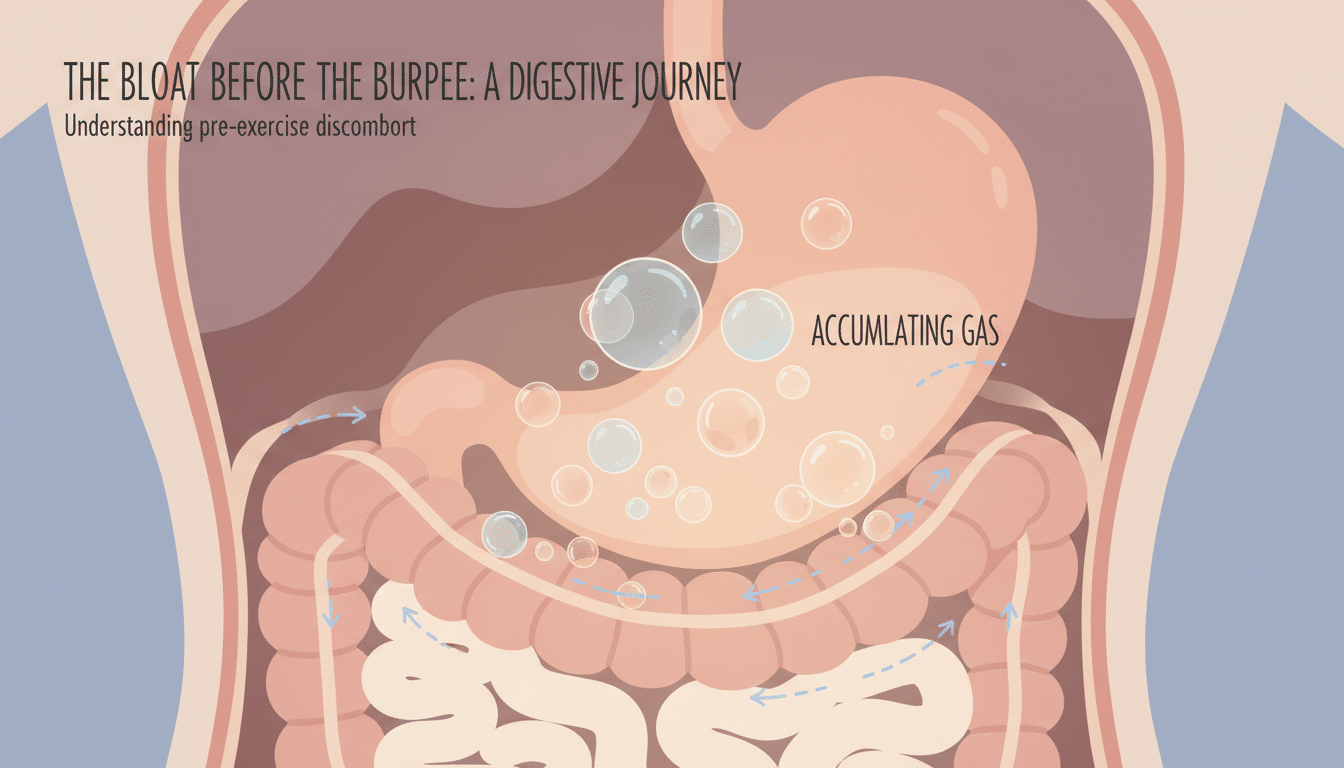
Gas buildup from fermentation
Some short-chain carbohydrates, called FODMAPs, escape digestion and reach the colon. There, bacteria break them down in a simple process and produce gas.
Those sugars and carbohydrates can be a major source of post-meal gas for sensitive people.
Carbon dioxide from fizzy drinks
When you drink carbonated beverages you swallow carbon dioxide. The gas can expand the stomach and raise pressure, which leads to belching or trapped air during exercise.
Slow digestion and heavy meals
Large or fatty meals empty slowly. Food that sits in the stomach can ferment and add gas. That slow process makes running, lifting, or HIIT feel harder.
- IBS or intolerance can change how your body reacts to the same meal.
- Smaller, lower-fat choices reduce stomach pressure before training.
| Source of gas | How it forms | Common triggers | Quick tip |
|---|---|---|---|
| Fermentation | Bacteria break down carbs in colon | FODMAP sugars, fiber | Choose low-FODMAP options pre-exercise |
| Swallowed CO2 | Carbon dioxide in drinks expands stomach | Sparkling water, soda, beer | Skip fizzy drinks before training |
| Slow emptying | Fat and large meals delay stomach emptying | Fried or very large meals | Eat smaller portions 2–3 hours prior |
For timing and portion tips, check this short guide on post-workout timing. It helps with planning meals around training.
foods that cause bloating before workouts
A tight midsection during training often comes from what you ate in the last few hours. Use this quick checklist to spot common pre-training triggers and make simple swaps.
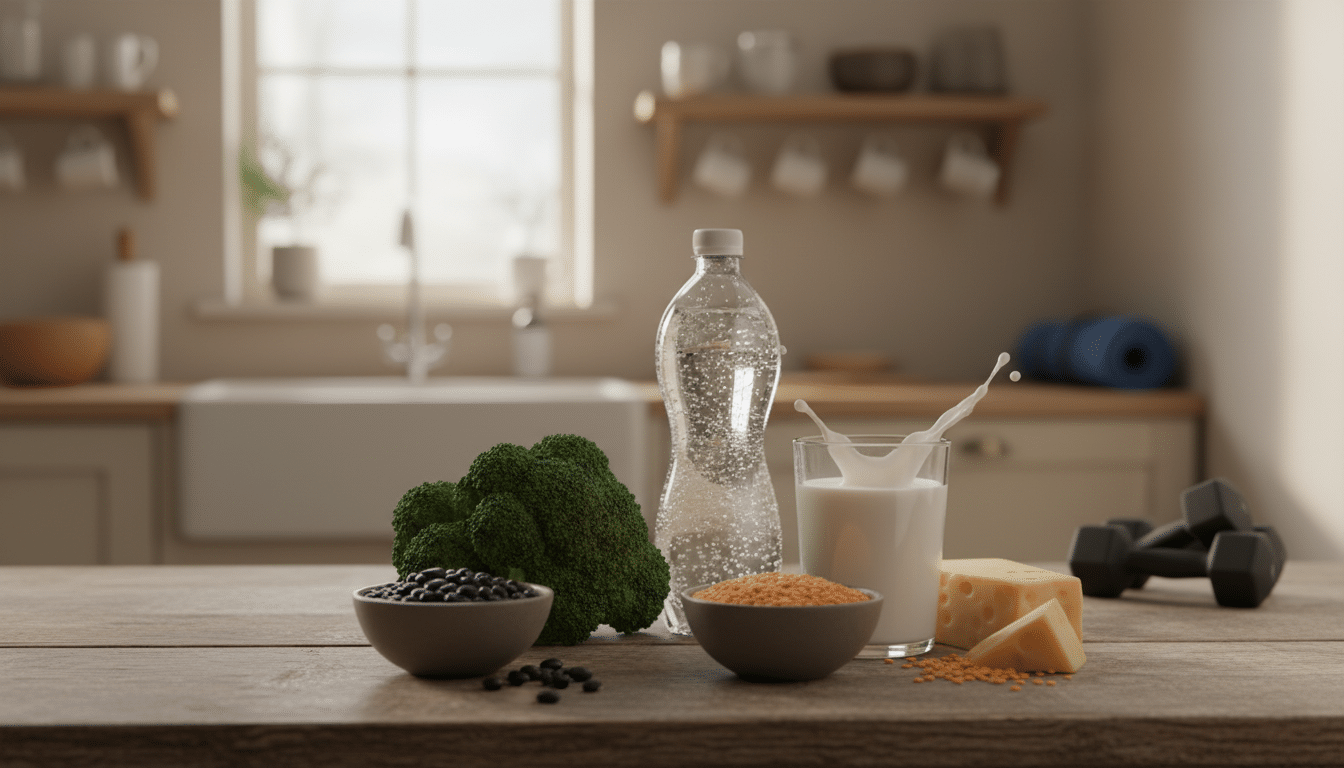
- Beans and lentils: Contain alpha-galactosides (FODMAPs) that ferment in the colon. Soak or sprout and keep portions small if you eat them pre-exercise.
- Cruciferous vegetables: Broccoli, cauliflower, and Brussels sprouts release gas, especially when raw. Cooked versions are gentler.
- Onions and garlic: High in fructans. They add flavor but can trigger gas; cook them to reduce impact.
- Wheat, rye, barley: Dense fiber and gluten can slow digestion for sensitive people. Choose lighter carbs near training.
- Dairy products: About 65% of people struggle with lactose. Milk, soft cheeses, and some yogurt can cause cramps and gas.
- Apples and pears: High fructose and fiber can bloat if eaten right before a session.
- Sugar alcohols: Found in sugar-free gum and snacks. They often reach the large intestine undigested and trigger gas or urgent diarrhea.
- Carbonated drinks and beer: CO2 expands the stomach; beer adds fermentable carbs and often gluten—double trouble for runners and lifters.
- Fried/high-fat and spicy foods: Slow stomach emptying or gut irritation makes movement uncomfortable.
- Fruit juice and flaxseed: Juice can give a fructose spike and cramps for some. Flaxseed adds concentrated fiber—avoid right before training.
| Trigger | Why it hits | Quick swap |
|---|---|---|
| Beans | Alpha-galactosides ferment | Smaller portion, soak or sprout |
| Cruciferous veg | Fiber + sulfur = gas | Steam or roast, eat earlier |
| Dairy (milk, yogurt) | Lactose intolerance | Lactose-free or hard cheese |
| Carbonated drinks / beer | Swallowed CO2 + carbs | Still water or electrolyte drink |
| Sugar alcohols / gum | Not fully digested | Regular mint, avoid sugar-free pre-workout |
Quick tip: Portion size and timing matter most. Small changes stop many digestive problems and keep your session on track!
High-FODMAP foods that often cause gas and bloating
FODMAPs are short-chain carbohydrates that can escape digestion and ferment in the colon. This fermentation is a common source of gas and can trigger digestive problems close to training.
Alpha-galactosides in legumes
Legumes, like beans and lentils, contain alpha-galactosides. Gut bacteria ferment these and produce gas and pressure.
Prep fix: Soak or sprout beans and discard the soaking water. This lowers fermentable carbs and can help reduce symptoms.
Fructans in onions and garlic
Onions and garlic have fructans that may irritate sensitive guts. Raw versions hit harder.
Cooking or sautéing often makes them easier to tolerate for many people.
Fructose-heavy fruit and juice
Some fruit and juices pack concentrated fructose. They can trigger symptoms when eaten right before intense intervals or runs.
Sugar alcohols
Xylitol, sorbitol, and mannitol often pass to the large intestine unchanged. The result can be bloating, gas, or diarrhea. “Sugar-free” products can be a hidden source.
- Simple test: Remove one trigger at a time for a few workouts. Track results and adjust your diet slowly.
| Source | Why it makes gas | Quick help reduce |
|---|---|---|
| Legumes | Alpha-galactosides ferment | Soak, sprout, change water |
| Onions/garlic | Fructans ferment | Cook or limit raw |
| Sugar alcohols | Not digested fully | Avoid sugar-free pre-session |
Fiber and whole grains before training
High-fiber whole grains can fuel a long day, but they may feel heavy if you train soon after eating. Fiber adds bulk and slows stomach emptying. That helps steady energy for later, but it can make short-term pressure in the gut.
Why barley and rye can bother sensitive stomachs
Barley and rye are both high in soluble and insoluble fiber. For people not used to fiber, these grains can increase gas and fullness.
When bulky meals sit in the stomach, they can ferment in the gut and raise pressure during activity.
When gluten is the issue
Wheat, rye, and barley contain gluten. Celiac disease is an autoimmune condition; non-celiac gluten sensitivity is different and less clear-cut.
If gluten causes symptoms, digestion slows and gas can follow. Seek testing or try a short elimination under guidance.
- Timing tip: Eat grain-heavy meals 3–4 hours before intense training.
- Closer to a session: choose low-fiber carbs like white rice, a banana, or toast for quick carbs and less stomach pressure.
- Save whole grains: for meals later in the day when bulk won’t interfere with movement.
| Issue | Effect | Quick swap |
|---|---|---|
| High-fiber barley/rye | Extra bulk, gas | Smaller portions earlier |
| Gluten sensitivity | Slower digestion | Test or choose gluten-free grains |
| Training too soon | Stomach pressure | Wait 3–4 hours or pick low-fiber carbs |
Want more on fiber and athlete nutrition? See fiber’s place in an athlete’s diet for practical timing and portion tips.
Dairy and lactose: common pre-workout digestive problems
Missing the enzyme lactase makes milk sugar harder to break down and can trigger quick digestive symptoms. About 65% of the world’s population loses some ability to digest lactose as adults. That shows up as gas, cramps, bloating, or diarrhea for many people.
Why lactose intolerance causes fast symptoms
Lactose is a sugar in milk. Without enough lactase it reaches the colon and ferments. Movement and high-intensity effort can amplify cramps and urgency. Symptoms often surface during a run or hard set.
Which options many people tolerate better
Common triggers include plain milk and soft cheeses eaten close to training. These are high in lactose and may hit quickly.
- Better-tolerated: hard cheeses, butter, yogurt, kefir, and lactose-free milk.
- Non-dairy swaps: almond, soy, rice, or coconut milk—great in shakes.
- Protein note: use lactose-free whey, Greek yogurt (if tolerated), or plant protein to meet goals without gut trouble.
| Item | Lactose level | Pre-workout risk | Quick swap |
|---|---|---|---|
| Whole milk | High | Often problematic | Lactose-free milk or almond milk |
| Soft cheese (ricotta, cottage) | Moderate–high | Can cause gas | Hard cheese or small portion earlier |
| Yogurt / kefir | Low–moderate | Often tolerated due to fermentation | Plain Greek yogurt or kefir |
| Butter | Very low | Low risk | Use small amounts; focus on protein elsewhere |
Drinks that increase bloating risk before workouts
Fizzy drinks can balloon your gut fast, even after a light snack. Carbonation traps carbon dioxide in your stomach and raises pressure. That pressure can feel like fullness, belching, or trapped gas while you move.
Carbonated soda and sparkling water
Soda, sparkling water, canned energy drinks, and seltzers all add CO2 to your digestive tract. You may not eat much, yet the air expansion alone can slow your pace and make steady breathing harder.
Beer as a mix of carbonation and fermentable carbs
Beer stacks two issues: bubbles plus fermentable carbohydrates from grains. That combination often leads to quick gas and a heavy stomach, especially for runners or those doing intense intervals.
Alcohol and dehydration that can worsen GI comfort
Alcohol can impair gut motility and reduce hydration. Less fluid and altered digestion may worsen discomfort during exercise for some people.
- Quick swaps: plain water, still flavored water, or a small coffee or tea if you tolerate caffeine.
- If you choose carbonated drinks, keep portions small—think a half-can if you know you’re sensitive.
| Trigger | Why it hits | Smart swap |
|---|---|---|
| Carbonated soda / seltzer | CO2 expands stomach | Still water or flavored still water |
| Beer | Carbonation + fermentable carbohydrates | Skip pre-event beer or limit to a small serving earlier |
| Alcohol in general | Dehydration and slower gut function | Hydrate with water; avoid alcohol close to exercise |
Practical tip:If you often feel heavy from a drink, switch to water for training sessions and save bubbly or alcoholic choices for after you cooldown.
Timing and portion size to reduce bloating before workouts
When you eat matters as much as what you eat. Match meal size to the time you have before a session. That keeps your stomach light and performance steady.
How long to leave between a meal and a workout
Use simple targets. For large meals, wait 3–4 hours. For moderate meals, aim for 2–3 hours. For small snacks, leave 1–2 hours.
Why smaller portions reduce stomach pressure
Smaller portions sit less in the stomach. They cut pressure and lower the chance of gas. Chew slowly. Eating fast adds swallowed air and slows the digestion process.
How sudden diet changes can trigger bloating
Jumping fiber or new foods can upset your digestive system. The body needs time to adapt. Introduce changes gradually over days, not hours.
- Large meals earlier in the day.
- Small snacks 1–2 hours before training. Adjust by intensity and how your body reacts.
- Test changes on normal training days, not on a race or max-lift day.
- See a clinician if symptoms persist or get worse.
| Goal | Timing | Why it helps |
|---|---|---|
| Large meal | 3–4 hours | Reduces stomach load and gas |
| Moderate meal | 2–3 hours | Balances energy and comfort |
| Small snack | 1–2 hours | Quick fuel with less pressure |
Better pre-workout swaps for a calmer stomach
Pick simple swaps that give steady energy without a heavy stomach. Below are practical choices you can grab at most U.S. grocery stores. Test them in training so you know what fits your routine.
Lower-bloat carbs for training energy
Choose easily digested carbs like white rice, quick oats, potatoes, or a slice of sourdough. These carbohydrates offer steady fuel with less bulk.
Small portions 1–2 hours before a session work best for many people.
Protein options that digest easier for many people
Lean, simple protein often feels lighter. Try eggs, grilled chicken, turkey, tofu, or a lactose-free whey shake.
Tip: Keep protein moderate so digestion stays quick. Test a protein powder on an easy day before race or hard lifts.
Vegetables and fruits that tend to be gentler
Pick low-fiber produce when time is tight. Bananas, berries, peeled citrus, spinach, zucchini, cucumber, and lettuce are good choices.
Cooking vegetables makes them even gentler on the gut.
- Snack combo ideas: banana + yogurt, small bowl of oats with berries, or rice cake + nut butter.
- Build a simple plate: carbs first, modest protein, low fat, and low fiber if you’re close to start time.
- Swap high-fat or very fibrous items for these options on training days to keep movement comfortable.
| Goal | Example | Why it helps |
|---|---|---|
| Quick fuel | White rice, banana | Light carbs, low residue |
| Sustained energy | Oats, quinoa (earlier) | Slow-release carbohydrates |
| Easy protein | Eggs, tofu, lactose-free whey | Digests quickly, supports recovery |
Conclusion
A puffy, heavy stomach during training usually has a clear dietary or timing reason you can fix.
Start by watching patterns with beans, dairy, wheat, fizzy drinks and sugar-free gum. Keep a quick log of what you eat and when, so you spot which items trigger digestive problems for you.
Use a simple plan: cut portion size, move the meal earlier, and swap one trigger at a time. Small changes often help reduce symptoms and let you move, breathe, and perform better.
If discomfort is frequent or severe, see a clinician or a registered dietitian. Pick one pre-exercise change for your next session and note how your body responds!