

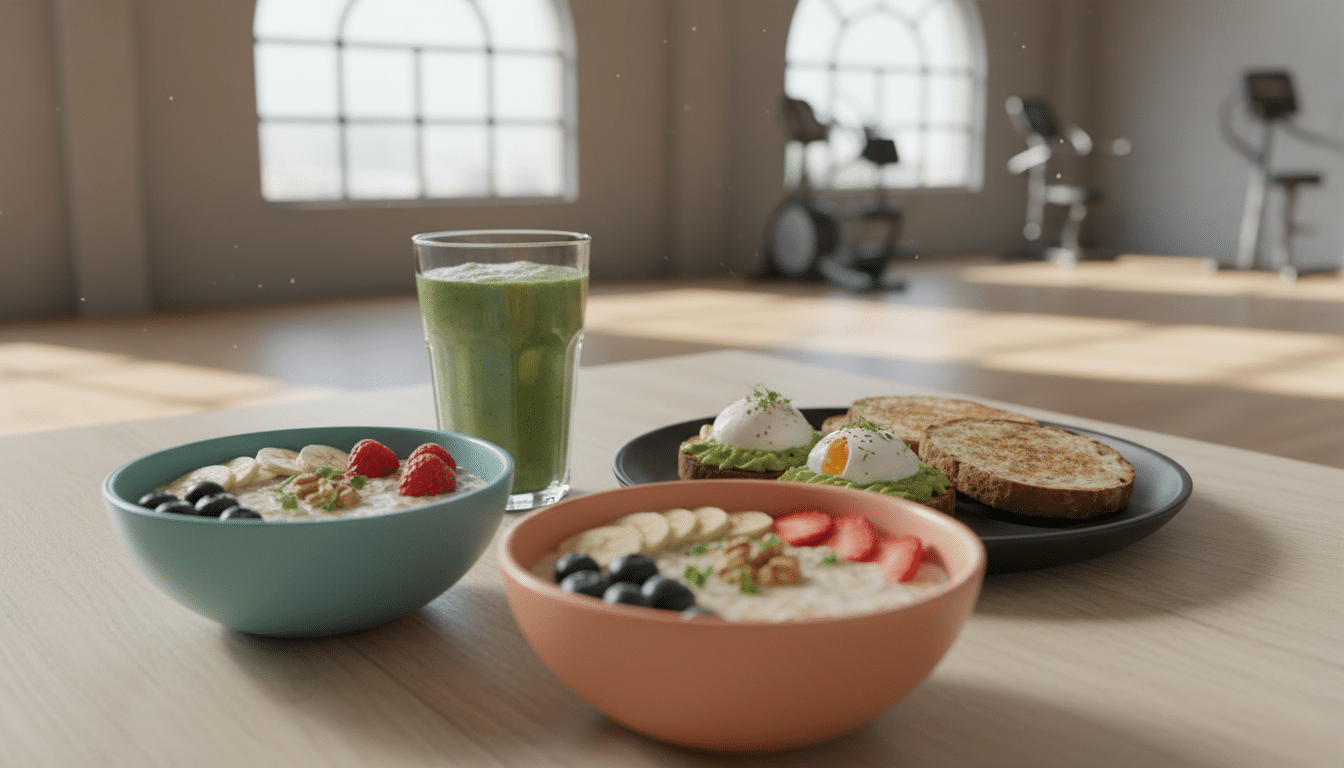
pre workout meals for double sessions is the simple plan you need when morning cardio and evening lifting stack up on the same day.
You’ll learn what to eat and when so your energy stays steady and you don’t hit a wall before round two. Carbs break down into glucose to fuel muscle contraction, and protein helps repair tissue between sets. Timing is key: pick meal and snack windows that match the clock and the type of training you face.
Think morning run then evening strength, or practice plus conditioning. Use stomach comfort and workout intensity to choose foods that sit well and sustain power.
Practical promise: meal ideas, snack swaps, timing windows, and simple hydration targets that fit a busy U.S. schedule—no fancy supplements required.
If you have medical issues or major diet changes planned, check with a clinician or registered dietitian before trying a new plan.
Why nutrition timing matters on double training days
When you train twice in a day, eating at the right times keeps your energy steady between efforts.
Timing matters more here. You have less time to refill glycogen and recover. That raises the chance of low energy in the second slot if you eat poorly.
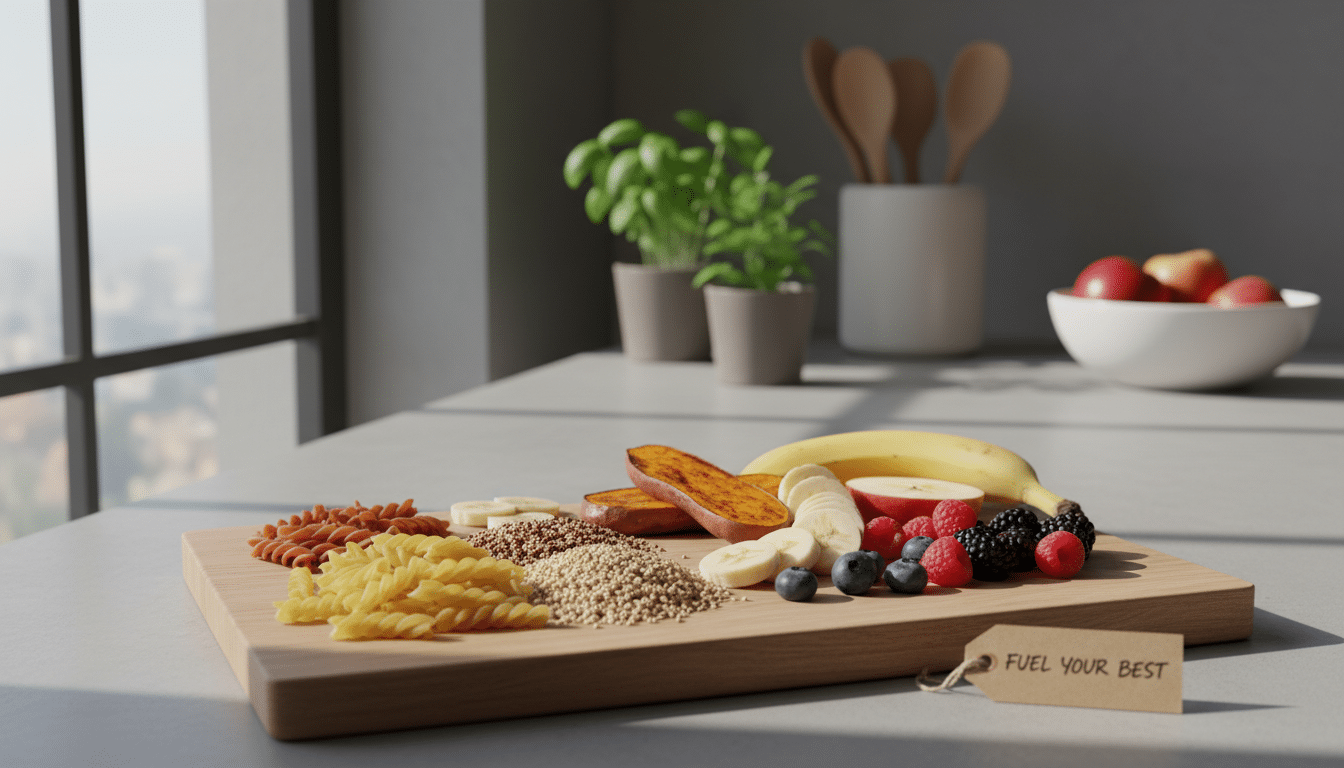
Carbohydrates support energy and muscle contraction
Carbohydrates become glucose that fuels working muscles and delays fatigue. Simple carbs close to start time work best when your body needs quick fuel.
Protein supports muscle repair between workouts
Protein helps rebuild muscle fibers and speeds repair between efforts. Aim for a moderate amount after the first session to aid recovery.
Fat and fiber can slow digestion near training
Fat is fine in small amounts, but it can sit heavy if eaten too close to activity. High-fiber foods are healthy, yet they may cause bloating or gas before a hard effort.
- Closer to start time → choose simple carbs, low fat, low fiber.
- Between sessions → include carbs plus protein to refill and repair.
- Pick foods your body digests well to avoid cramps and keep steady energy.
| When | Main goal | Best choices | Avoid |
|---|---|---|---|
| 30–60 minutes before | Quick energy | Simple carbs (fruit, toast) | High fat, high fiber |
| Between sessions | Refill & repair | Carbs + protein (rice + chicken) | Large fatty meals |
| 2–3 hours before | Steady energy | Balanced carbs and protein | Very high fiber dishes |
Set your schedule for two sessions: meals, snacks, and digestion windows
Anchor the day with regular eating so your energy stays steady between efforts.
Eat every three to five hours like registered dietitian Jacquelin Danielle Fryer, RD, recommends. This keeps blood sugar even and helps your body top up energy before the next block.
Build a full meal two to three hours before
A complete meal 2–3 hours before a training block gives carbs and protein time to digest. Include a small amount of fat so the meal feels satisfying without slowing you down.
Use a small snack 30–60 minutes out
Pick fast-digesting carbs 30–60 minutes before start time. A light snack reduces stomach upset and offers quick fuel in the last minutes before you move.
- Simple daily framework: meals every 3–5 hours to blunt energy swings.
- 2–3 hour window: fuller meal with carbs + protein, modest fat.
- 30–60 minute window: carb-focused snack to top off stores.

| Window | Goal | Example |
|---|---|---|
| 2–3 hours | Steady energy and repair | Rice + chicken |
| 30–60 minutes | Quick fuel | Banana or applesauce |
| Every 3–5 hours | Keep levels steady | Balanced meals or snacks |
Comfort rules: shrink portions if you get cramps or reflux. If you feel dizzy or weak, eat and hydrate earlier. Test new foods on an easier day so race-day timing stays reliable.
Pre workout meals for double sessions: what to eat based on the clock
A clock-based feeding plan helps you start strong and finish both training blocks with power. Use timing to pick foods that give steady carbohydrates and enough protein without upsetting your stomach.
One to three hours before
Target: easy carbs plus moderate protein to fuel movement and support repair.
- Examples: oatmeal with banana, eggs and toast, chicken and rice, Greek yogurt with berries.
- Keep portions moderate so digestion finishes before the session.
Thirty to sixty minutes before
Target: fast carbs, low fat and low fiber so you get fuel without gut trouble.
- On the go: banana, applesauce, pretzels, dried fruit, half a bagel, or a small sports drink.
- Avoid high fat or high fiber foods within this window.
Between sessions
Target: refill glycogen and start recovery with carbs plus protein, then hydrate.
- Simple template: carbs + protein + fluids (rice and chicken, turkey sandwich, chocolate milk).
- Follow with a small top-off snack 30–60 minutes before the next block if needed.
| When | Goal | Quick example |
|---|---|---|
| 1–3 hours | Steady fuel + repair | Oatmeal + banana |
| 30–60 minutes | Quick energy | Banana or pretzels |
| Between | Refill + recovery | Rice + chicken + water |
Meal and snack ideas that work for most athletes
Fuel smart with quick snacks and balanced meals that travel well and digest fast. Use small portions close to activity and fuller plates two to three hours earlier.
Grab-and-go 30–60 minute snacks
- Banana — fast carbs and potassium.
- Applesauce — easy on the stomach.
- Pretzels or dried fruit — quick energy without fat.
- Half a bagel or an energy bar if you need more bulk.
Simple 2–3 hour meals
- Oatmeal with banana and nut butter.
- Eggs and toast.
- Turkey wrap with light veggies.
- Smoothie with oats, fruit, and protein powder.
Protein-forward but light options
- Greek yogurt with fruit.
- Rice bowl: chicken and rice with steamed veggies.
- Salmon with quinoa and mild greens.
Portable picks for work or school
- PB&J on whole grain bread (peanut butter).
- Cheese and crackers.
- Granola bars or homemade energy balls you batch-prep.
Fast liquid options and recovery
- Smoothie with fruit and protein when solids feel heavy.
- Chocolate milk after hard effort — carbs plus protein in one drink for quick recovery.
Fuel by workout type on a two-a-day schedule
Different efforts need different fuel. Match your eating to the session so you stay strong and recover well.
Endurance over 60 minutes: prioritize carbs
Carbohydrate availability is key when you plan long exercise that lasts more than an hour. Aim for a balanced meal 2–3 hours before and a carb snack 30–60 minutes out, especially for morning training.
For very long efforts, include a sports drink with electrolytes during activity to keep energy and focus late into the event.
Strength training: carbs + protein around the session
Before lifting, eat carbs plus protein to power the set and prime muscle repair. After the block, repeat carbs and protein to aid recovery.
A simple rule: a recovery snack within about 45 minutes helps muscle rebuilding and performance the next time you train.
HIIT or short bursts: fast carbs close to start time
Keep it light. Fast-digesting carbs 15–60 minutes before hard intervals give immediate energy without feeling heavy during sprints.
Yoga and Pilates: light, low-fat choices
Choose a small snack and avoid heavy, high-fat or high-fiber items that can cause bloating during twists and holds.
- Adjust fuel based on demand, not trends.
- Endurance: steady carbs and on-course electrolytes.
- Strength: carbs + protein before and after for muscle repair.
- HIIT: quick carbs close to start to avoid heaviness.
- Yoga/Pilates: light and low fat for comfort.
| Type | Primary goal | Before | After |
|---|---|---|---|
| Endurance >60 min | Maintain pace, delay fatigue | Balanced meal 2–3 hr; carb snack 30–60 min | Carbs + electrolytes during; carbs after |
| Strength | Power output, muscle repair | Carbs + protein 1–3 hr | Carbs + protein within ~45 min |
| HIIT | Explosive energy, avoid heaviness | Fast carbs 15–60 min | Light carb + protein if needed |
| Yoga / Pilates | Comfort and steady focus | Small low-fat snack | Normal meal when hungry |
Hydration plan for double sessions in the United States heat
Heat and long days drain fluid fast; a clear hydration checklist keeps you sharp from morning to night.
- 2–3 hours before: drink 16–20 oz of water to top off body levels.
- 20–30 minutes before: drink 8–10 oz to prime fluid levels without sloshing.
- During training: sip 3–8 oz every 20 minutes, more when sweat is heavy.
- After each session: drink about 24 oz within 30–60 minutes, then replace ongoing sweat loss.
When to add electrolytes and carbs
If you exercise hard over an hour or sweat a lot, use a sports drink with electrolytes and carbohydrates to protect performance and speed recovery.
| Time | Ounces | Purpose |
|---|---|---|
| 2–3 hours before | 16–20 oz | Top off body water levels |
| 20–30 minutes before | 8–10 oz | Prime without slosh |
| During (every 20 minutes) | 3–8 oz | Maintain hydration and focus |
| After | ~24 oz | Start recovery and replace losses |
Homemade sports drink (makes five 8‑oz servings)
Mix 4¼ cups water, ½ cup 100% orange juice, 4½ tbsp sugar, and ½ tsp kosher or sea salt. Stir until dissolved. Keep cold. Store 5–7 days in the fridge.
Practical tip: carry a bottle all day so your second block starts with better fluid and focus. Small sips on a schedule beat chugging when it matters most.
Common pre-workout mistakes that reduce performance on two-a-days
Certain common eating moves quietly shave energy from your second training block. Catching them early lets you fix each one and protect your performance.
High-fat and high-fiber foods too close to training
High-fat food slows digestion and can cause stomach pain if eaten near a session. Examples: fried foods, large servings of nuts, or creamy sauces.
High-fiber choices like big bean dishes or bran cereal can cause bloating, gas, or nausea during exercise.
Fix: move heavy plates earlier in the day and pick lower-fiber carbs 30–60 minutes ahead (banana, toast).
High-sugar snacks and soda trigger a spike-and-crash
Sugary candy or soda gives a quick boost, then energy drops fast. That crash lowers performance in the next block.
Fix: swap to a small carb-plus-protein option (yogurt and fruit) or a half bagel to steady energy.
Too much caffeine can cause jitters and upset stomach
Small caffeine amounts may sharpen focus. Too much leads to jitters, racing heart, or GI upset that hurt a later session.
Fix: limit caffeine before long training days and test timing on easy days to see what your body tolerates.
Fasted training can increase early fatigue later in the day
Skipping food before an early block can leave glycogen low for the evening session. That shows up as early fatigue or weaker output.
Fix: try a light carb snack before the first effort, and use a recovery snack with carbs + protein between sessions. For more on timing, read should you eat before a morning.
- Quick habit: track what you eat and how you feel after each session. Repeat what works.
- Most common offenders: fried foods, beans/bran, soda, too much coffee, and long fasts between efforts.
| Mistake | Why it hurts | Simple fix |
|---|---|---|
| High fat/fiber | Slow digestion, cramps, bloating | Move heavy meals earlier; choose low-fiber carbs before activity |
| Sugary snacks/soda | Spike then crash in energy | Choose carbs + protein or whole-food carbs |
| Excess caffeine | Jitters, stomach upset | Lower dose, test timing |
| Fasted training | Early day fuel depletion | Light snack before and carb+protein between efforts |
Conclusion
A steady schedule of food and fluid gives you reliable energy and faster repair between efforts.
Use the clock: plan a larger meal 2–3 hours before and a quick carb snack 30–60 minutes before each block. Eat every 3–5 hours to keep energy steady through the day.
Targets are simple: carbs provide immediate fuel and protein supports muscle repair between efforts. Keep high-fat and high-fiber food farther from start times to avoid stomach trouble.
Build a default day menu with two go-to meals and two easy snacks. Prioritize the between-period window — that refill protects the second block and preserves strength.
Next step: pick two meals and two snacks from the lists, try them this week, then tweak based on comfort and performance.