

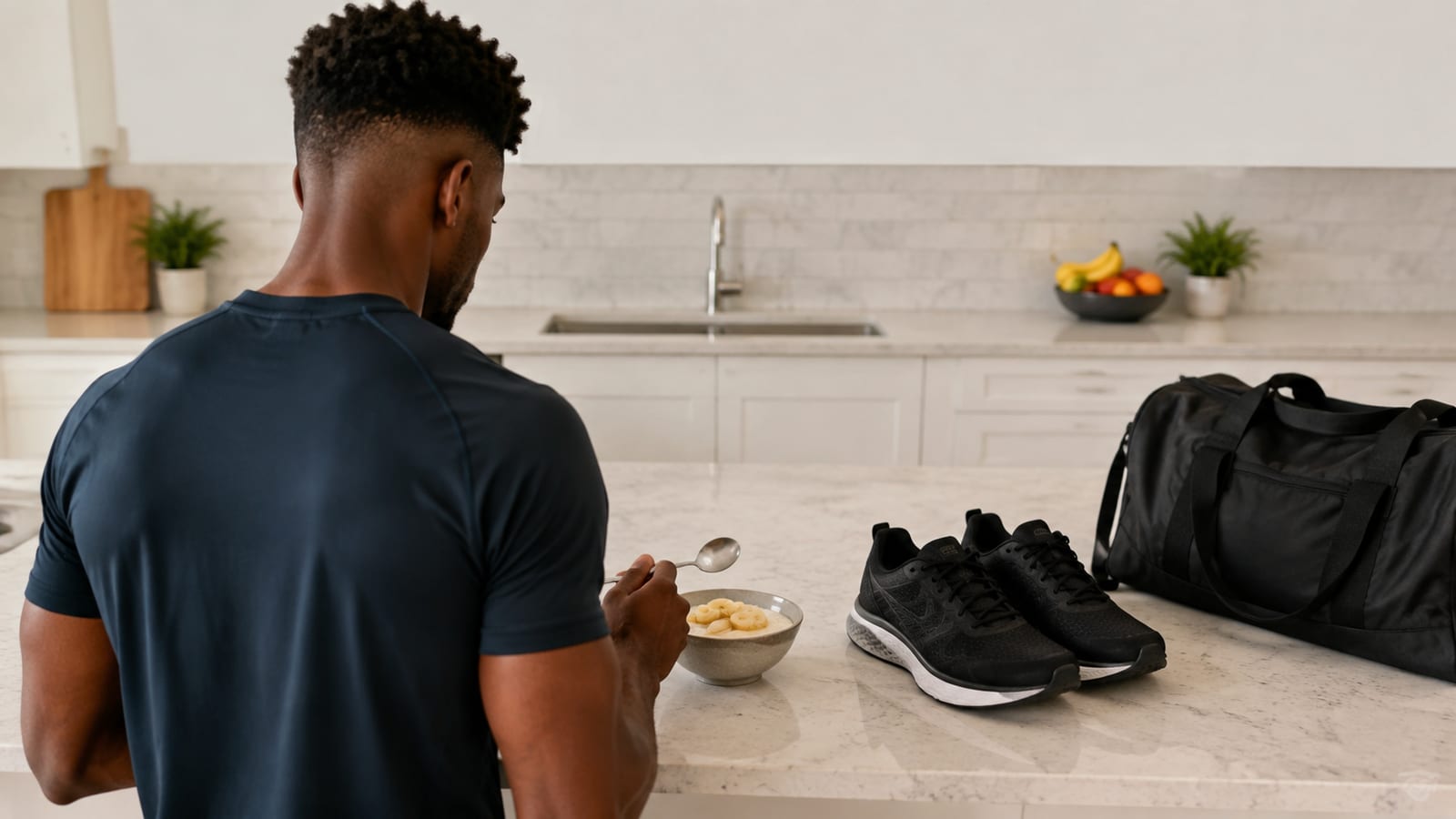
For most workouts, give a full meal several hours before training, a small snack about 60 minutes before, or train without food only when the session is easy and you genuinely feel better that way. How long to digest food before training depends on meal size, food type, workout demand, and your stomach’s tolerance. Waiting longer is not automatically better. You need enough usable fuel without starting with a full, unsettled stomach.
Last updated: 2026-08-26
How long should you wait to digest food before training?
Use the meal size as your first guide:
| What you ate | Practical wait before training | Best use |
|---|---|---|
| Large meal | Several hours | Hard, long, or demanding sessions |
| Normal meal | A couple of hours | Most practices and workouts |
| Small snack | About 60 minutes | Quick fuel before training |
| No food | Only when tolerated | Easy, short sessions |
A large meal needs more time because it contains more total food. Meals with more fat, fiber, or protein can also stay in your stomach longer. A smaller serving of carbohydrates usually clears faster.
Your personal cutoff may sit outside these windows. You may feel fine after a meal in less time, or you may need longer after spicy food, a high-fat dish, or a stressful day. The right timing is the one that gives you energy without reflux, cramping, or a heavy feeling.
That works well as a starting point for a snack, but it isn't a law. A banana may work then, while a burrito needs a much larger gap.
What is the simplest pre-workout eating schedule?
Use this schedule first, then adjust it around your training and digestion:
- Several hours before: Eat a full meal with carbohydrates, a moderate serving of protein, and some fluids.
- About 60 minutes before: Add a small snack if you feel hungry or the session will be hard.
- Right before training: Choose only a small, easy-to-digest carbohydrate source if you missed your earlier meal.
- No food before training: Use this only for an easy, short session that you can complete comfortably without fuel.
A full meal could be a chicken-and-rice bowl with vegetables, pasta with tomato sauce and chicken, or a turkey sandwich with fruit. These meals provide training energy without asking your stomach to handle a giant plate at the last minute.
A small snack could be a banana, toast, pretzels, applesauce, a bagel, or a simple jam sandwich. Add drinkable yogurt or milk if you tolerate dairy and want some protein.
If your schedule is tight, don't force a full meal into a short gap. Smaller food is usually easier to manage than trying to digest lunch during your warm-up. For more meal ideas, see this guide to timing your pre-workout meals.
How does workout intensity change the ideal eating window?
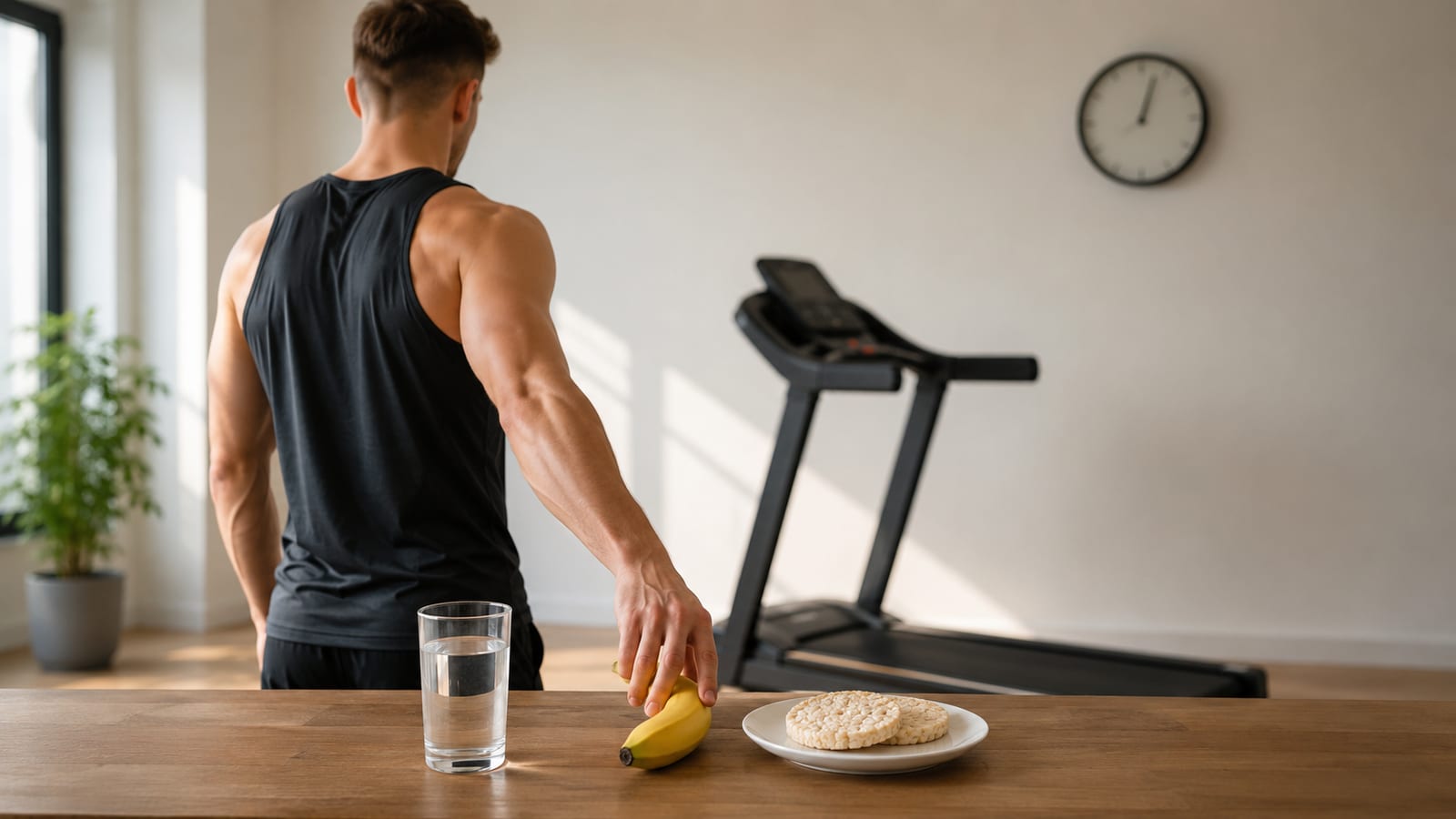
Hard training needs more available carbohydrate. Intervals, races, heavy lifting, repeated sprints, and long practices draw more heavily on stored carbohydrate than an easy walk or relaxed mobility session.
For demanding work, eat a normal meal several hours beforehand. If you have only a short window, use a smaller carbohydrate snack instead. Waiting until you feel hungry during a hard session often leaves you trying to catch up.
Easy exercise has different demands. If you're doing light strength work, an easy bike ride, or a short walk, you may need little or no food if you ate normally earlier.
| Training demand | Better approach |
|---|---|
| Easy and short | Train after a normal meal or without food if comfortable |
| Moderate practice | Eat a meal earlier and add a snack if needed |
| Hard intervals or heavy lifting | Include carbohydrates before training |
| Long session or competition | Start fueled and plan fluids and carbohydrates during the session |
| Back-to-back training | Refuel after the first session before the next one |
Your training load matters more than a universal digestion rule. A small snack may be enough for a short lifting session, but it may leave you short during a long tournament day.
Does the type of exercise change how long food takes to digest?
The food does not follow a completely different digestion clock for each sport. However, the movement, intensity, body position, and fuel demand change how comfortable that food feels.
Running causes repeated impact and jostling. Large meals, high-fiber foods, greasy foods, and aggressive drinking are common causes of stomach trouble. Choose a smaller portion and leave more room if running tends to trigger cramps or diarrhea.
Cycling is often easier on the stomach because you sit still. Still, hard climbs and long rides raise your carbohydrate needs. A drink, banana, or low-fiber snack may work well when solid food feels difficult.
Swimming combines exertion with a horizontal body position and pressure around the abdomen. A large meal close to the pool can feel uncomfortable. Eat earlier, then use a small snack if you need extra fuel.
Strength training usually involves less stomach movement than running. You can often handle a normal mixed meal earlier, then use a small carbohydrate snack before heavy work. A large, fatty meal still has a poor chance of feeling good under a loaded bar.
Team sports involve sprinting, stopping, jumping, and long periods of work. Eat a carbohydrate-focused meal several hours before competition, then add a banana, pretzels, or applesauce closer to start time if needed.
Low-intensity exercise places less demand on quick fuel. If you feel steady without food, you don't need to eat just because a pre-workout plan says you should.
Which foods digest fastest before a workout?
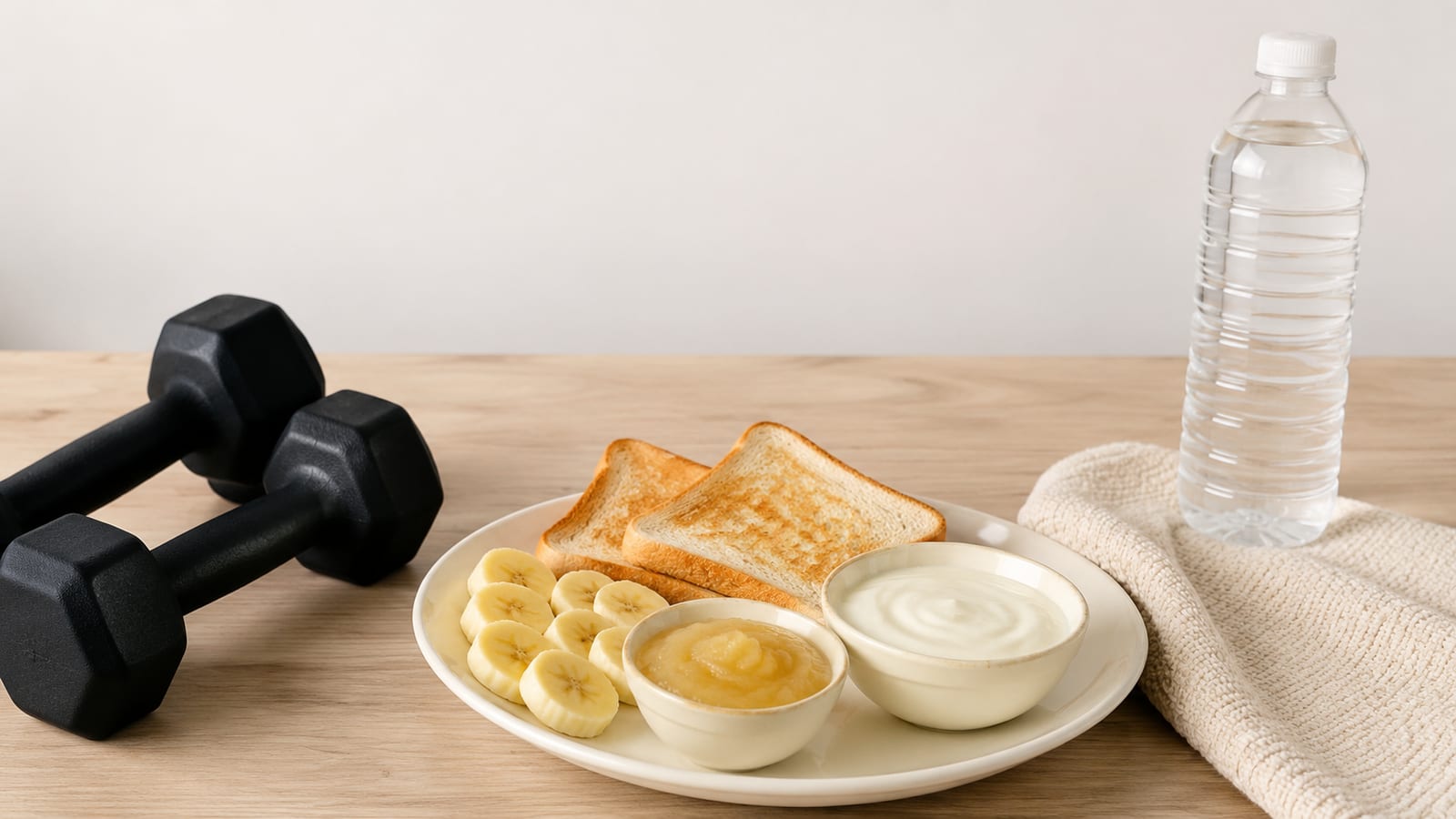
Food form and portion size often matter more than the food’s reputation. A small serving of soft or liquid food usually feels easier than a large plate of solid food.
Choose from these lower-risk options when training is close:
- Banana
- Applesauce
- Toast
- Pretzels
- Low-fiber cereal
- Bagel
- Jam sandwich
- Sports drink for longer or harder sessions
- Yogurt or milk if dairy sits well
Carbohydrates are usually the best close-training choice because they provide usable fuel without much volume. Protein can fit in a small amount, especially when several hours remain, but a large protein-heavy meal may feel slow.
Fat slows stomach emptying for many people. Fried food, heavy sauces, bacon, large amounts of nut butter, and rich pastries are poor choices shortly before running or intense practice.
Fiber can support your regular diet, but a large salad, beans, bran cereal, or a high-fiber bar may cause bloating close to training. Keep those foods in earlier meals if your gut reacts to them.
Food tolerance still wins. Some athletes handle oatmeal well, while others feel full after it. A sports drink may work for one runner and cause nausea for another. Keep a short list of foods you already know you can digest.
See the practical list of fast-digesting foods before training if you need options for a short pre-workout window.
What is happening in your digestive system before exercise?
Digestion starts as you chew. Your stomach mixes food with fluid and digestive juices, then releases the meal into the small intestine in stages. The small intestine absorbs carbohydrates, amino acids, fluids, and other nutrients for use or storage.
A meal does not turn into instant training energy. Some carbohydrate becomes blood glucose, while some is stored as glycogen in your muscles and liver. Glycogen supports harder exercise when your body needs fuel quickly.
The stomach empties faster when the portion is smaller and the meal is lower in fat. Liquids and soft foods often move along more easily than a large solid meal. Fat, fiber, and a large total volume can slow the process.
That is why a meal can be nutritious and still be badly timed. Salmon, vegetables, and brown rice may be a sensible dinner several hours before training. The same large meal shortly before sprints is a stomach problem waiting for a start signal.
Why can exercise cause stomach cramps, reflux, nausea, or diarrhea?
Training-related stomach trouble usually has more than one possible cause. Meal timing, food composition, heat, hydration, pace, and individual sensitivity can all matter.
Try these changes one at a time:
- Leave more time after a large meal.
- Reduce the portion before training.
- Choose lower-fat foods close to exercise.
- Reduce fiber before running or intense team sports.
- Slow your pace during the first part of the session.
- Sip fluids steadily instead of drinking a large amount at once.
- Test unfamiliar foods during ordinary practice, not competition.
- Track heat, stress, timing, and symptoms alongside the food.
Reflux often gets worse after a large meal, especially with hard effort or repeated bending. Nausea can follow intense exercise, heat, dehydration, or food that has not cleared your stomach. Diarrhea may show up after high effort, excess fluid, high-fiber food, or a personal sensitivity.
Start with less food rather than cutting out whole food groups. If symptoms persist, limit training, or include severe pain, vomiting, or bloody stool, speak with a qualified clinician. Random food experiments are not a treatment plan.
Does blood flow during exercise affect digestion?
Yes. During hard exercise, your body directs more blood toward working muscles and skin, especially in heat. The digestive system receives less support while you sprint, lift, or race.
That shift can make a heavy meal feel worse once training starts. The stomach may still be working on the meal while your muscles are demanding rapid output.
This does not mean food must be fully digested before every session. It means your meal should match the work. A small carbohydrate snack may be fine before intervals, while a large high-fat meal can cause trouble even after what seemed like a reasonable wait.
Hydration also needs a measured approach. Drink regularly through the day and before training, but don't try to fix poor preparation with a large amount of fluid at the last minute.
Should you train fasted or eat before exercise?
Fasted training can suit an easy, short session if you feel steady and perform well without food. It is a practical choice for some early walks, easy rides, or light workouts.
Eating is the safer performance choice for hard intervals, heavy lifting, races, long sessions, and back-to-back practices. Those sessions need more training energy, and starting empty can leave you flat before the work is done.
You don't need a full breakfast before sunrise. A banana, toast, or a small drink can provide useful carbohydrate, then you can eat a real meal after training. If even that feels unpleasant, train easier or give yourself more time.
Fasted training also isn't a special test of toughness. If it makes you dizzy, weak, irritable, or unable to complete the session, the plan is failing. Eat something and adjust the next attempt.
What should you do if you have less time than planned before training?
Use the smallest useful option. Choose an easy carbohydrate that is low in fat and lower in fiber, then keep the portion modest.
Good fallback choices include:
- Banana
- Applesauce
- Toast with jam
- Pretzels
- A small bagel
- Low-fiber cereal
- A sports drink for long or hard training
If you have only a short gap, skip the full meal. A smaller snack is less likely to sit heavily, and it can still provide usable fuel.
If you missed lunch before an evening workout, train at a sensible effort and eat afterward. Do not force a large meal down because the clock got away from you. After training, choose a proper meal with carbohydrates, protein, and fluids.
For evening schedules, an earlier pre-workout meal plan can keep you from relying on emergency snacks every day.
How can you find your personal digestion cutoff?
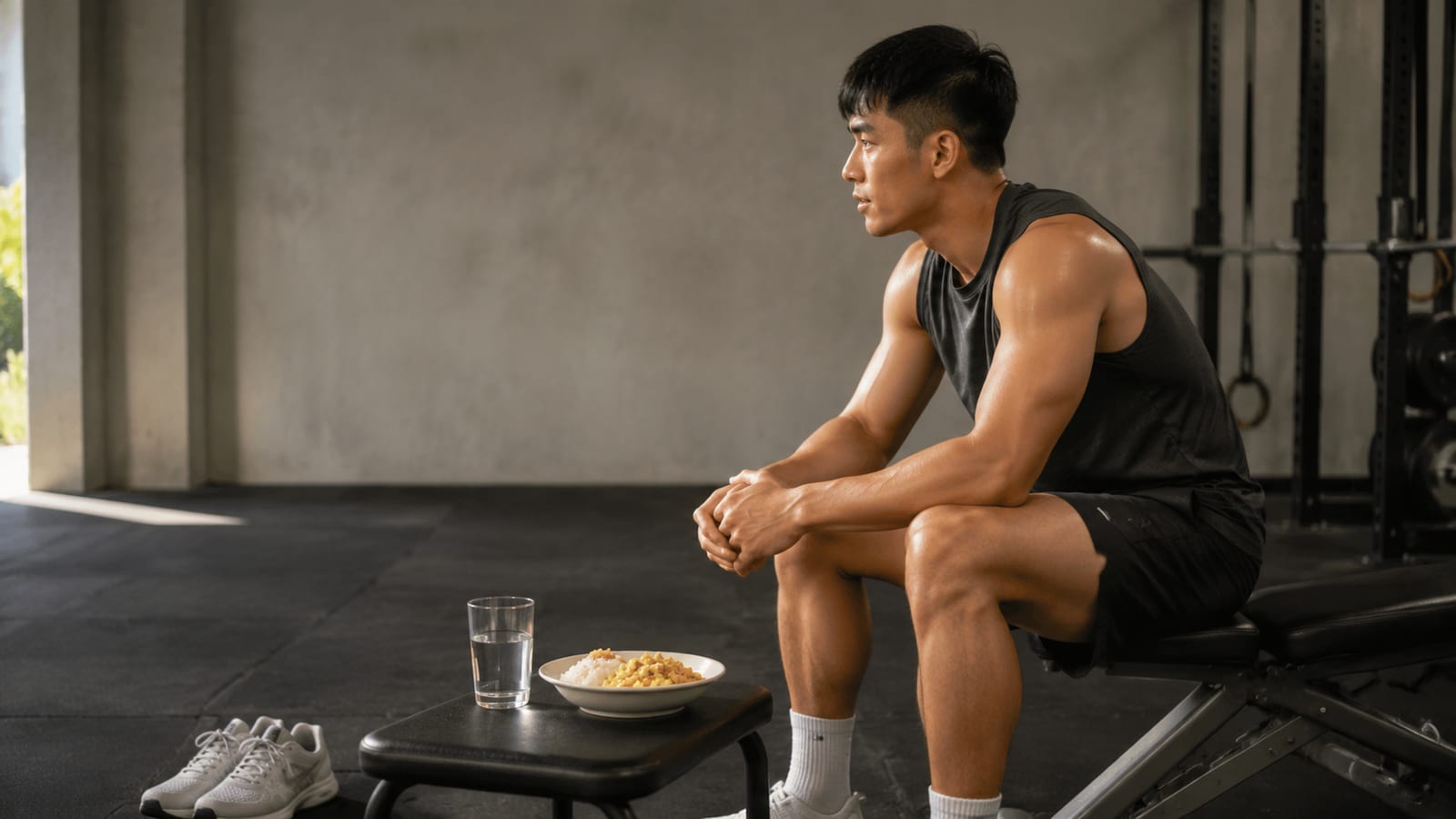
Treat digestion timing like a training skill. Test it during low-stakes sessions, then keep the option that gives you steady energy and a calm stomach.
Use this process:
- Pick one familiar food.
- Start with a smaller portion.
- Try it before an easy workout.
- Record how long you waited.
- Note your pace, heat, fluids, and symptoms.
- Change one factor during the next trial.
- Repeat with a harder session only after the first test goes well.
You may learn that a banana works during the usual pre-training window, while oatmeal needs more space. You may also find that stress shortens your tolerance, or that hot weather makes the same meal feel heavier.
Account for your actual life. A young athlete may need a portable snack after school. An athlete with limited food access may rely on bread, fruit, cereal, milk, or beans. A person with reflux, food allergies, or repeated diarrhea needs individual guidance rather than a stricter internet schedule.
Caffeine has a separate timing rule. The International Society of Sports Nutrition recommends taking caffeine approximately 60 minutes before exercise, with a suggested amount of 3–6 mg/kg body mass. Its position stand describes approximately two to four cups of coffee providing that amount before exercise, but caffeine can worsen reflux, jitters, or urgent bowel movements.
Creatine timing is less urgent. Emerging evidence suggests greater benefits when creatine is consumed after exercise than before exercise, although the research has limitations. You do not need to take it immediately before training to make the plan work.
FAQ
Can food digest while I exercise?
Yes, digestion can continue during exercise, especially during easy work. Hard training sends more blood toward working muscles and can make digestion less comfortable. A smaller, simpler meal is easier to manage than a large meal during demanding exercise.
Is a smoothie better than solid food before training?
A smoothie can help when solid food feels too heavy or you have little time. Keep it small and avoid loading it with lots of fat, fiber, or ingredients you haven't tested. Liquid food still counts, so drinking a large smoothie right before running can cause the same fullness as a large meal.
Why do I feel hungry even after eating before training?
Hunger may come from a small meal, a long gap, a demanding training day, or too little total food across the day. Add a modest carbohydrate snack before training rather than waiting until the session starts. Persistent hunger may signal that your regular meals need more energy.
Does chewing food more make it digest faster?
Thorough chewing reduces the size of food before it reaches your stomach. It may help comfort, but it cannot erase the effect of a large, high-fat meal eaten close to training. Portion size and food choice still set the main limit.
When should you get help for exercise-related stomach symptoms?
Seek medical advice for repeated symptoms that limit training, unexplained weight loss, severe pain, vomiting, fainting, or bloody stool. Those problems need assessment. Changing snacks again and again is not enough.