

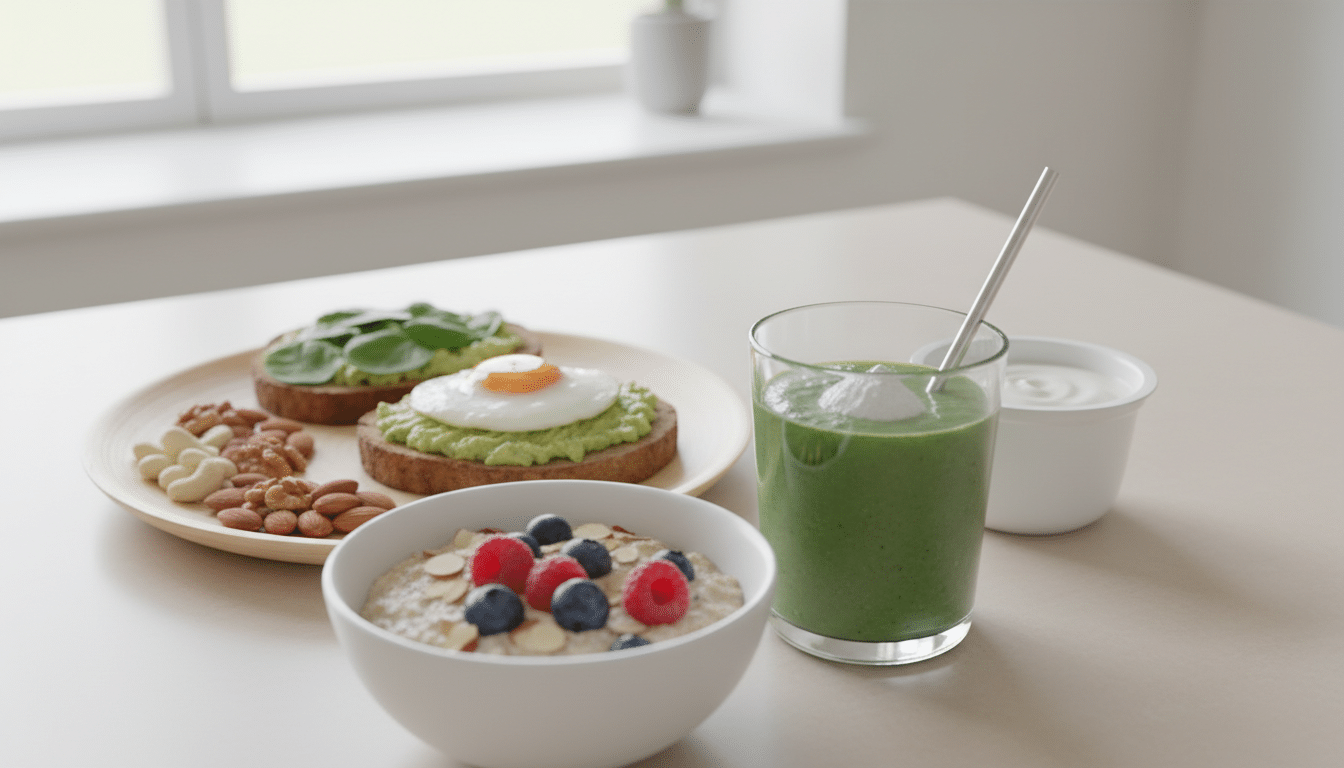
Pre workout meals for endurance training tell your body what fuel to use, when to use it, and how hard you can push without getting hungry or uncomfortable.
Think of this as a practical guide. I’ll define what a good pre-plan looks like and how to match timing and portion size to the length and intensity of your session.
Carbs top the list because they refill glycogen and keep energy steady. Protein helps with repair and satiety. Hydration ties everything to performance and recovery.
You’ll learn clear timing windows, simple portion targets, and easy snack and meal ideas you can test during practice. I’ll also show when to cut fat and fiber to reduce bloating so you feel strong and comfortable.
Quick promise: straightforward steps to pick foods that boost energy, support performance, and protect next-day recovery—without strict rules or guesswork.
How endurance workouts use fuel and why meal timing matters
Fuel use shifts with intensity and duration. That affects what your body needs before you start.
Carbs supply glucose that powers muscle contraction. Your body breaks carbohydrates into glucose. The liver and muscles store excess glucose as glycogen.
Glycogen is a main energy source for moderate-to-high intensity exercise. Sessions longer than about 60 minutes can deplete those stores and make the end feel much harder.
Protein supports repair. Eating protein before exercise gives amino acids that help limit muscle damage and boost muscle protein synthesis. That matters when you stack workouts across the week.
Fat fuels longer, lower-intensity efforts. But fat digests slowly and can cause bloating if you eat it too close to the start.
Match timing to digestion speed. A full meal three hours out behaves differently than the same food 30 minutes before. Simple rule: the closer you are to start, the simpler your food should be to protect your stomach.
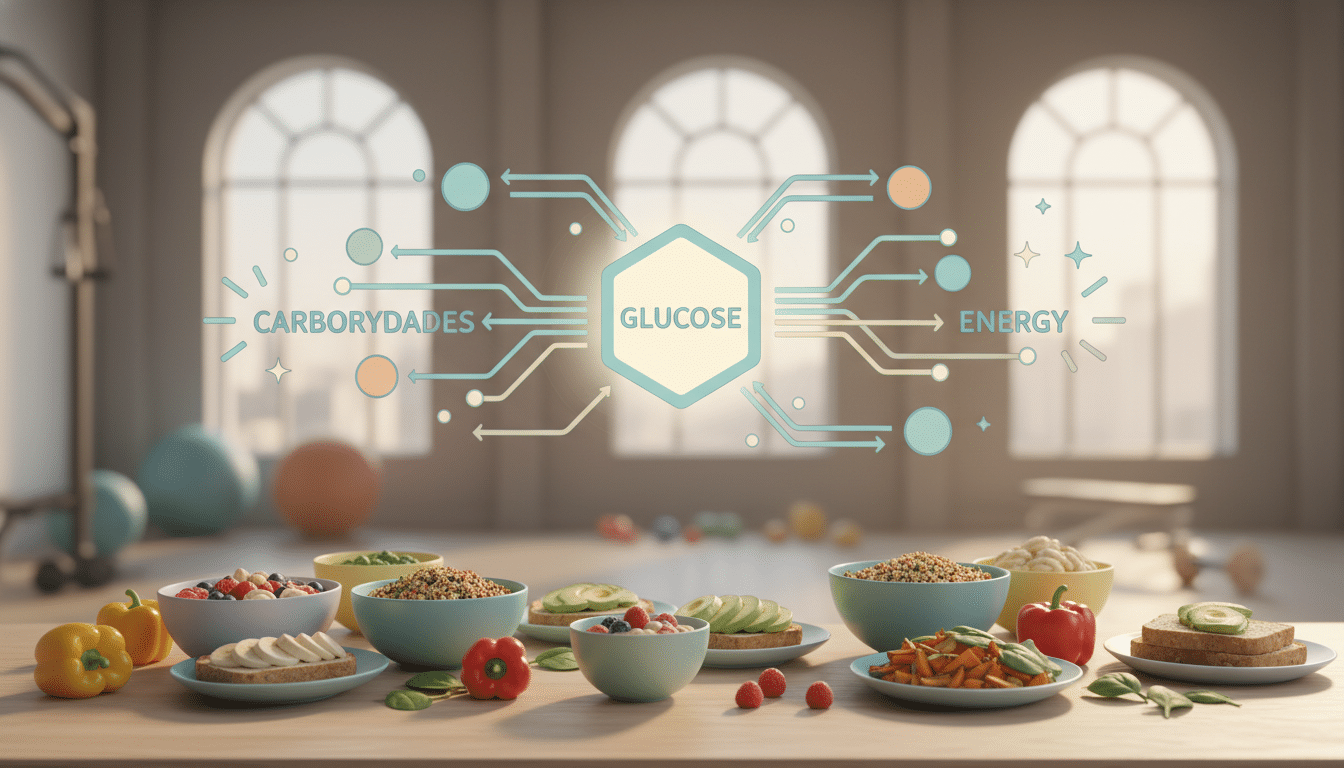
- Choose quick carbs when time is short.
- Add protein to support recovery and next-day performance.
- Limit high-fat items within an hour of effort.
| Nutrient | Primary role | Best timing | Notes |
|---|---|---|---|
| Carbs / Carbohydrates | Provide glucose for muscle contraction | 1–3 hours before | Refills glycogen; key for sessions >60 minutes |
| Protein | Supports muscle repair and synthesis | 0.5–3 hours before | Helps recovery when workouts are frequent |
| Fat | Fuels long, low-intensity work | 2–4 hours before | Slow digestion; avoid close to start to reduce bloating |
Pre workout meals for endurance training: the best macro balance
Match what you eat to how long and how hard you’ll push today. Use simple rules so you can pick food fast and reliably.
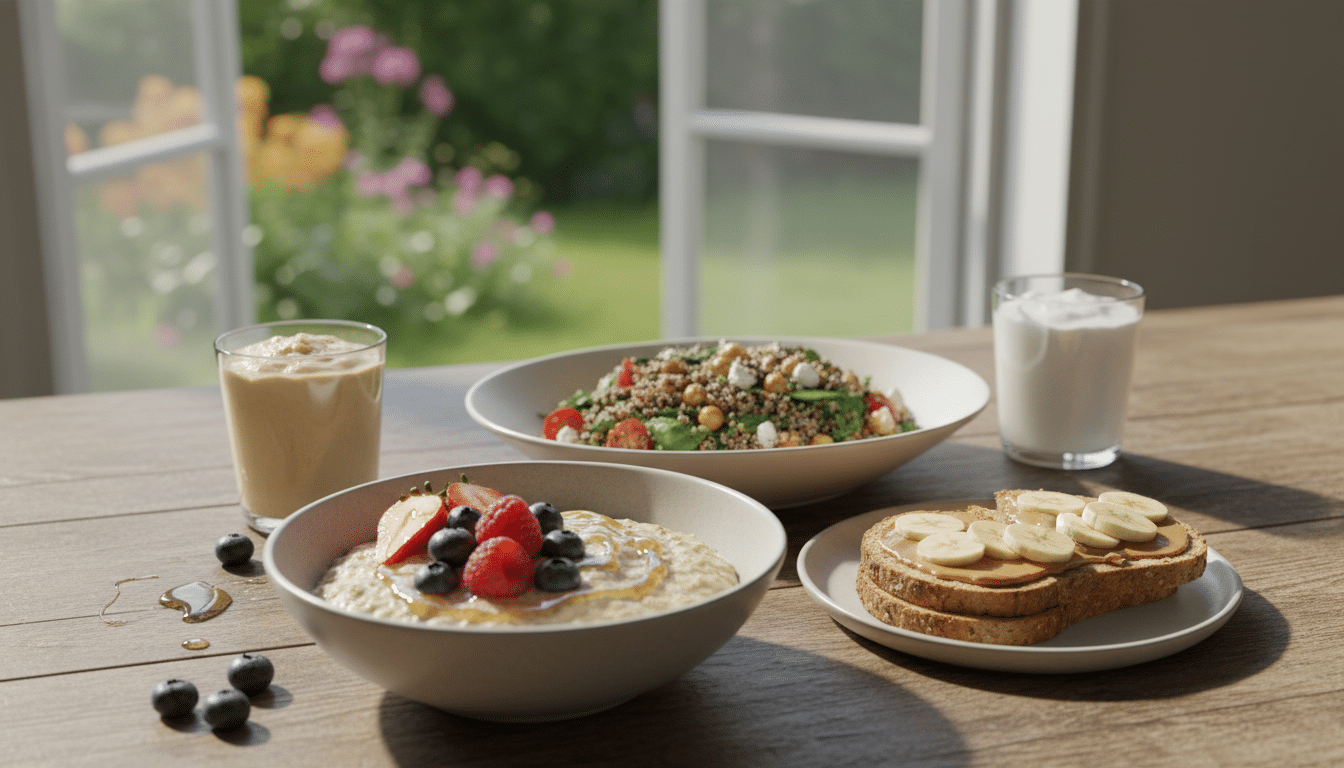
When to prioritize carbohydrates
Choose carbs when your session is longer than 60 minutes or includes long, hard intervals. Carbs keep blood glucose steady and protect glycogen stores, which helps reduce late-session fatigue.
Pairing carbs with protein
Combine carbs and protein in one meal to boost performance and aid recovery. Think yogurt plus fruit, or chicken and rice. That combo limits muscle breakdown and helps you bounce back.
Limit fat and fiber close to start
Keep fat low when the start is within two hours. Fat slows digestion and can cause stomach pain or side stitches. Cut high-fiber foods before hard efforts to avoid gas and bloating.
- Simple macro guide: mostly carbs, moderate protein, low fat.
- Easy runs tolerate more variety; race-pace work needs cleaner fuel.
- Test your choices in practice, not on race day.
| Goal | Quick rule | Example |
|---|---|---|
| Long or intense session (>60 min) | Prioritize carbohydrates | Banana + bagel; rice bowl + chicken |
| Support recovery | Add moderate protein | Greek yogurt + berries; turkey + rice |
| Start soon (<2 hours) | Low fat, low fiber | White toast + jam; plain rice cake + honey |
Choose your timing window and portion size before your session
Pick a clear timing window so eating matches when you move. Use this simple map to match calories and digestion to start time.
Four hours before
Aim: 400–500 calories. Eat a full meal with carbs and protein. A little fat is fine if it sits well. This fuels longer efforts and helps muscle repair.
Two hours before
Aim: 200–400 calories. Choose a lighter plate. Cut heavy fats and very high fiber foods to ease digestion. Pick foods that digest quickly.
One to one-and-a-half hours before
Have a smaller carb-plus-protein option. Keep portions modest so you avoid fullness during the session. Liquids can work well at this point.
Ten minutes before
Aim: 100–200 calories. Use a fast snack or a liquid gel when solid food feels heavy. Quick carbs give immediate energy and raise blood glucose fast.
- Adjust amount by body size: larger bodies often need more fuel.
- Raise calories for harder or longer efforts; lower them for short, easy sessions.
- Digestion check: if you feel bloated, scale down and cut fat and fiber next time.
| When | Calories | Note |
|---|---|---|
| 4 hours | 400–500 | Full meal: carbs + protein (+ small fat) |
| 2 hours | 200–400 | Lighter, low fiber |
| 10 minutes | 100–200 | Liquid or quick snack |
Meal ideas two to four hours before endurance exercise
A 2–4 hour window lets you eat a fuller plate without worrying about stomach trouble. Below are simple, real-food options that give steady carbs, protein, and some fluid so you start feeling fueled and comfortable.
Oatmeal with water, berries, and ground flaxseed
Why it works: Oatmeal made with water gives steady carbs and added fluid. Top with berries and ground flaxseed for vitamins, fiber, and a small dose of healthy fat. Aim for about 1 cup cooked.
Chicken sandwich on whole-grain bread with a side salad
A simple sandwich pairs carbs and chicken protein. Keep the salad light and dressed sparingly so digestion stays easy. Two slices of bread and 3–4 oz of chicken is a good target.
Sweet potato with tuna or salmon and cooked vegetables
Sweet potato provides slow carbs. Add tuna or salmon for protein and omega-3s. Choose cooked vegetables to cut fiber and limit gut upset. Keep portions moderate.
Lean beef with brown rice and roasted vegetables
For higher-protein needs, lean beef plus brown rice supplies iron and steady fuel. Roast vegetables lightly and skip heavy butter to avoid slow digestion.
Broth-based soup with chicken and soft vegetables
Broth-based soup delivers hydration plus carbs and protein in a gentle form. This is a smart option when you want fluids and fuel in one bowl.
- Snack option: a small smear of almond butter on toast works if you have enough time to digest.
- Keep portions moderate and avoid new foods on a key day to protect gut health.
| Option | Portion cue | Why choose it |
|---|---|---|
| Oatmeal (water + fruit) | 1 cup cooked | Steady carbs + fluid |
| Chicken sandwich + salad | 3–4 oz chicken | Balanced carbs + protein |
| Sweet potato + tuna/salmon | 1 medium sweet potato | Light, nutrient-dense plate |
| Beef + brown rice | 3–5 oz beef | Higher protein and iron |
Want a quick read on timing and morning eating? See this short guide on whether you should eat before a morning session: should you eat before a morning.
Snacks 60 minutes to 10 minutes before training for quick energy
When you have less than an hour, pick snacks that deliver fast energy without upsetting your stomach. The goal is quick carbs and low digestion stress so you start strong.
Greek yogurt with fruit
Why: Yogurt gives easy carbs plus protein. It sits lighter than heavy food. Choose plain or low-sugar flavored versions and add berries or a sliced banana.
Protein smoothie
Blend water, a scoop of protein powder, a banana, and mixed berries. Sip this 30–60 minutes out. It’s easy to digest and portable.
Quick fruit and dried fruit
Grab a banana, apple, or orange if you’re rushing. A 30 g serving of dried fruit also works as instant energy.
Sports options
If solids bother you, use a sports drink, gel, or a small nutrition bar. Pair a gel with ~200 ml water.
- Sugar rule: Keep close-to-start snacks under ~25 g sugar to lower rebound low blood glucose risk. A medium banana has about 18 g.
- Test choices in practice to avoid fatigue or stomach trouble on key days.
| Option | When | Why |
|---|---|---|
| Greek yogurt + fruit | 30–60 min | Carbs + protein, gentle |
| Protein smoothie | 30–60 min | Easy to sip, quick energy |
| Banana / dried fruit | 10–60 min | Low-prep carbs |
Hydration and supplements that can support endurance performance
Simple fluid habits and smart supplement timing keep your body ready to perform. Good hydration supports normal body function during exercise and helps you maintain power, focus, and heat regulation.
Water and sodium for fluid balance before exercise
Water is central to health and performance. Drink slowly rather than chugging. Add a small amount of sodium—via a salted snack or a sports drink—when you expect long or hot sessions. Sodium helps the body retain fluids and supports steady blood volume.
Hydration timing based on ACSM guidance
Start sipping fluids at least four hours before exercise. That gives your body time to absorb and balance fluids.
If you’re not producing clear urine, or urine is dark, drink a little more about two hours before start time. This quick check helps avoid starting dehydrated.
Common supplements and typical timing
Some athletes use caffeine, creatine, BCAAs, beta-alanine, or multi-ingredient products. Typical timing is 30–45 minutes before exercise. Follow label dosing and avoid guessing higher amounts.
Sports drinks can be useful when you need both fluid and carbs, especially for longer or hotter sessions. They provide electrolytes plus quick nutrients that help sustain performance and recovery.
When to consult a healthcare professional
Talk with a clinician before using supplements if you have heart disease, high blood pressure, anxiety, or take medications. A provider can advise safe dosing and check for interactions.
| Item | Why use it | Timing |
|---|---|---|
| Plain water | Hydration, body temperature | Start sipping 4+ hours before |
| Water + sodium (or sports drinks) | Retain fluids, replace electrolytes | 4 hours and extra 2 hours if urine is dark |
| Caffeine / creatine / BCAAs | Possible alertness, strength, recovery support | 30–45 minutes before; follow labels |
Conclusion
Plan the hours before your session and pick foods that digest well for you. Match timing to start time, then choose a balance of carbs and protein to support steady energy and faster recovery.
Keep fats and high-fiber items lower when the start is close. Digestion comfort matters as much as calories—avoid surprises on key days.
Use the calorie windows as a starting amount and adjust by body size and effort level. Try a two-week test plan: one meal option and one snack option, then keep what works.
Action step: pick your next session, choose a timing window, and plan the meal or snack now. That small habit will improve energy, performance, and recovery.
FAQ
What should I eat a few hours before a long endurance session?
How do carbs, protein, and fat each help during endurance exercise?
When should I focus more on carbohydrates versus protein?
How much should I eat 4, 2, and 1 hour(s) before exercise?
What are good quick snacks 10–60 minutes before I start?
How do I limit stomach issues like bloating or cramps during sessions?
What hydration strategy should I follow before endurance exercise?
Are sports drinks, gels, or bars better than whole foods?
Should I consider supplements like caffeine or beetroot before a race?
How do I change portion sizes based on my body and workout intensity?
Can simple snacks like banana or yogurt really make a difference?
Related: What Actually Restores Energy: Food, Sleep, and More
Related: Pre-Workout Meal Timing: A Practical Digestion Guide