

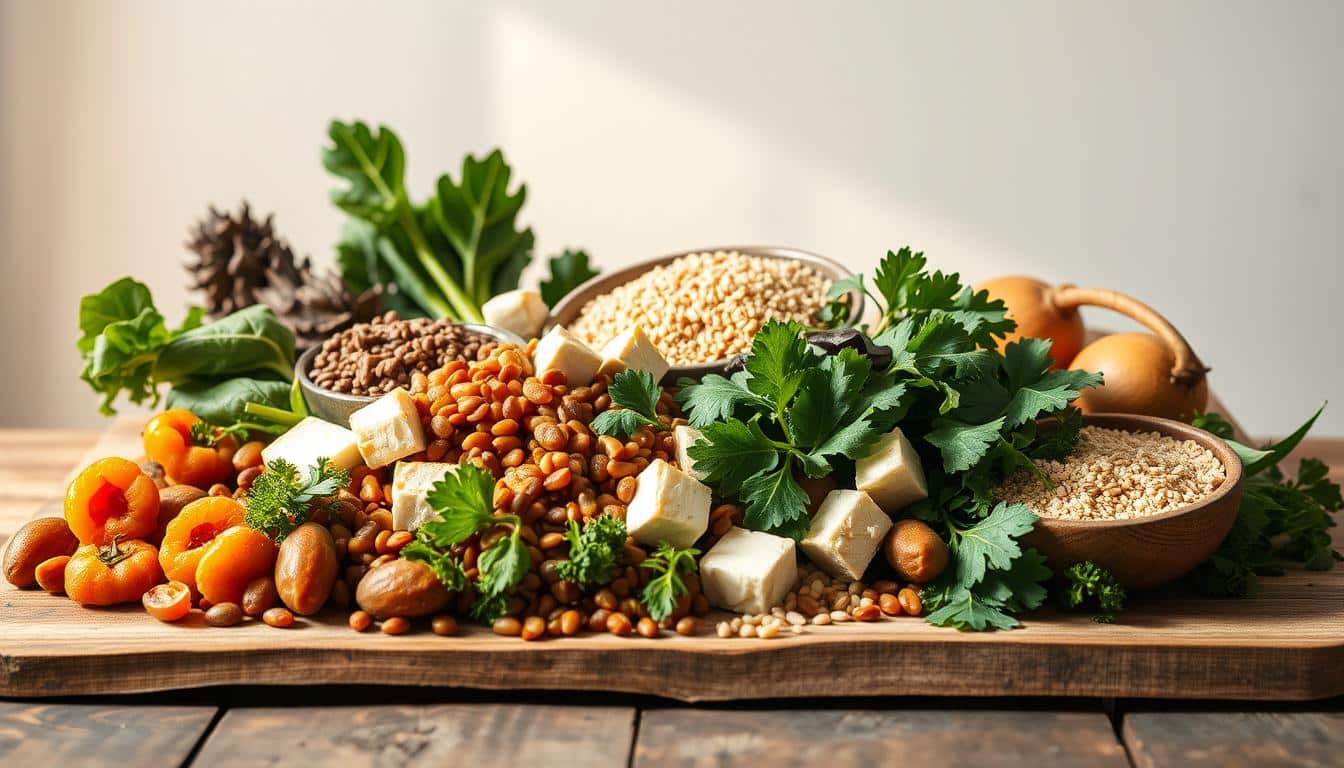
Iron-Rich Foods for Vegetarian Athletes isn’t just a list — it’s a practical plan to keep your muscles fueled and your workouts sharp.
You’ll learn which non-heme sources like beans, lentils, tofu and spinach help the body carry oxygen so cells make energy. Low iron causes fatigue and lightheadedness, so steady intake matters for training and daily life.
Pairing these plant sources with vitamin C — think citrus, strawberries, tomatoes or broccoli — boosts absorption and makes each meal work harder. Adult RDAs vary: women 19–50 need 18 mg, men 8 mg, pregnant 27 mg; aim to match your diet to your life stage.
Quick wins: choose fortified cereal at breakfast, add citrus to a bean bowl, and swap plain snacks for nuts and seeds to close gaps in intake and support long-term health, energy, and nutrition.
Why iron matters for athletic energy and performance
Good levels of iron let your blood carry oxygen to working muscles during hard sessions. That delivery keeps pace, power, and form steady in long efforts.
Iron’s role in hemoglobin and oxygen delivery
Hemoglobin in red blood cells binds oxygen in the lungs and releases it to muscle cells. Low stores cut hemoglobin production and reduce oxygen transport. That forces your body to work harder at the same intensity.
Even mild deficiency can cause heavy fatigue, shortness of breath, dizziness, headaches, and pale skin. Endurance training raises loss through sweat, foot-strike hemolysis, and minor gut bleeding. Women often face higher risk due to menstrual loss and higher turnover.
- Pair plant-based meals with vitamin C to improve iron absorption at the same plate.
- Track training feel: slower splits, extra breathlessness, or unexpected fatigue are red flags.
- If your day includes long rides or hard intervals, review your intake and consult a clinician when symptoms persist. Read more on iron’s role in athletic performance.
Heme vs non-heme iron: what vegetarians need to know
Heme and non-heme forms behave differently in the gut, and that affects how much your body actually absorbs from a meal.
Food sources and absorption differences
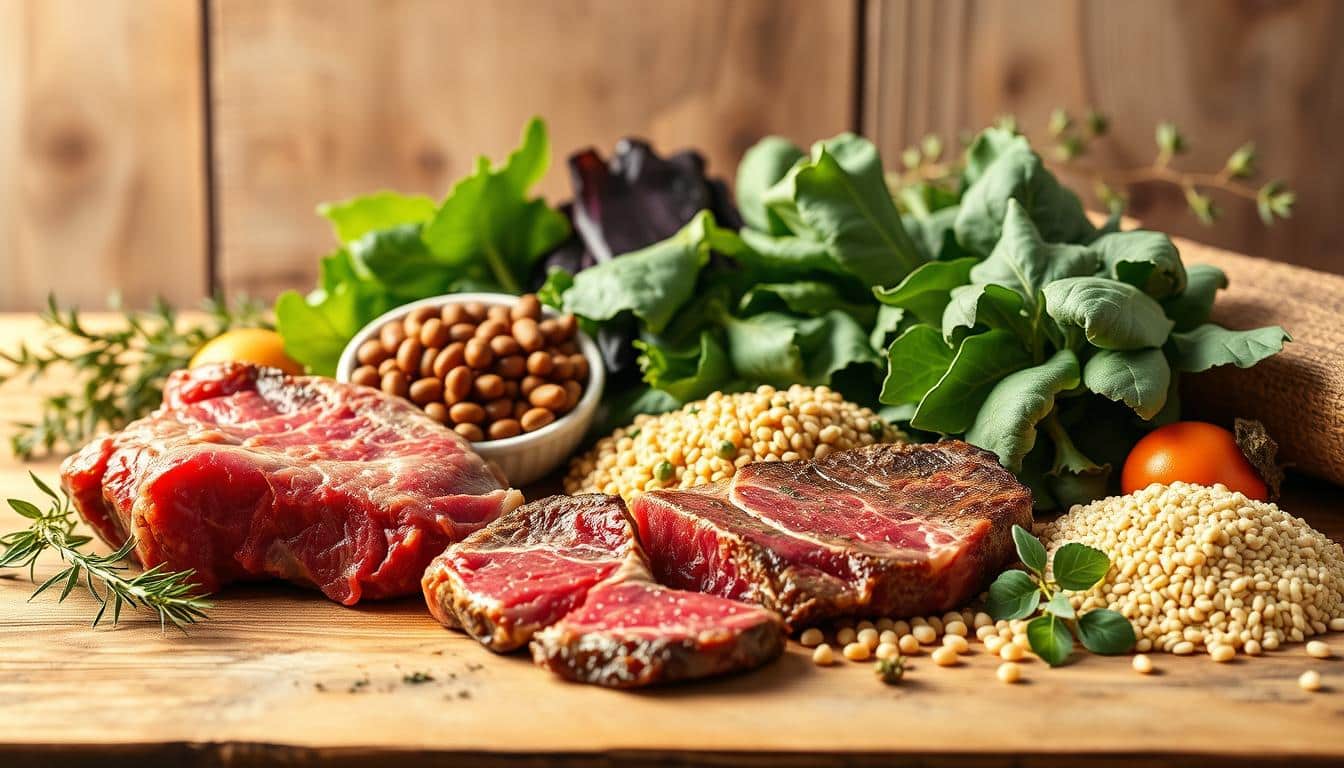
Heme comes from meat, poultry, and seafood and is absorbed more easily. Non-heme appears in beans, lentils, tofu, seeds, nuts, greens, and many fortified products.
Absorption is lower from non-heme, so pair those items with vitamin C—citrus, peppers, or tomatoes—to improve iron absorption at the plate.
How fortified products fit into your diet
Fortified cereals and enriched grains supply large amounts per serving and fast-track intake without extra meals.
If you’ve had deficiency or notice hair loss or fatigue, check blood markers and use labels to find higher-iron options. Simple swaps—fortified oats at breakfast or tofu in a stir-fry—raise intake while keeping your routine.
Recommended daily iron intake by age, sex, and life stage
Daily targets change with age, sex, and stage of life, so know the numbers that guide your meals.
| Group | Amount per day (mg) |
|---|---|
| Adult women 19–50 | 18 mg |
| Adult men 19–50 | 8 mg |
| Pregnant people | 27 mg |
| Lactating people | 9 mg |
| Women 51+ | 8 mg |
Practical notes: Fortified products can help you meet your day targets without big changes to your diet. Check labels to see the exact amount a serving adds.
Why some athletes may require closer monitoring
High-volume training raises losses through sweat and minor blood breakdown. That can push your body toward deficiency even with a decent diet.
- Consider periodic labs if you train often or race frequently.
- Key tests: ferritin, hemoglobin, and transferrin saturation to check stores and blood delivery.
- Mix fortified products with whole foods and add vitamin C to boost absorption at each meal.
Signs of iron deficiency that impact training
Noticeable drops in training pace or energy often show up before blood tests do.
Pay attention to small, repeatable changes. They tell you how your body is coping with training load.
Common symptoms in active adults
Practical cues to watch:
- Heavy fatigue in workouts that used to feel easy and slower times at the same effort.
- Shortness of breath, dizziness, or headaches during or after sessions.
- Pale skin, feeling cold, or a sore, inflamed tongue as everyday signals.
- Unusual hair loss over weeks — track it alongside training volume.
- Slower recovery: soreness that lingers or feeling flat for several days.
- Bruising more easily or losing strength in repeated sets.
- Poor sleep and low daytime energy can pair with dropping stores in the body.
If you spot multiple signs, mention them to your clinician. Labs can confirm deficiency and guide next steps on diet and absorption strategies so you keep training strong.
Top legumes and soy foods high in non-heme iron
Small swaps—like a cup of lentils or a serving of tofu—can make a big dent in daily iron needs. These staples are portable, affordable, and fit into bowls, wraps, and stews.
Lentils, white beans, kidney beans, and chickpeas
Lentils and white beans each provide about 6.6 mg per cooked cup. Kidney beans give roughly 5.2 mg, and chickpeas about 4.7 mg.
Build a bowl with any of these to add high iron non-heme sources and steady protein to a meal.
Soy products: tofu, tempeh, soybeans, and natto
Presses and ferments deliver variety: 125 g tofu ~6.8 mg, tempeh ~4–4.5 mg per cup, natto ~15.1 mg per cup, and raw soybeans ~9.1 mg per cup.
Use tofu in stir-fries, tempeh in sandwiches, and natto on rice for nutrient-dense options that travel well.
Prep tips that improve absorption
- Soak and cook dried beans until tender to lower phytates and ease digestion.
- Sprout lentils to shorten cook time and gently boost absorption.
- Ferment soy products—tempeh and natto—help reduce inhibitors and support uptake.
- Pair these choices with vitamin C sources and toss in chopped spinach to help absorption at the meal.
Whole grains and fortified cereals that boost iron intake
Starting the day with a grain-based bowl can add measurable amounts of iron while fueling workouts.
Choose whole grains that contribute steady intake: amaranth, quinoa, oats, and spelt fit well into breakfasts and snacks. They add carbs for training and meaningful mineral content to support blood and recovery.
Quinoa, oats, amaranth, and spelt
Cooked values: amaranth ~5.2 mg per cup, quinoa ~2.8 mg, oats ~2.1 mg, spelt ~3.24 mg. Mix them into porridge, grain bowls, or overnight jars.
Add a spoonful of molasses to your oatmeal for taste and an extra bump in iron. Top bowls with spinach and tomatoes to boost absorption at the same meal.
Fortified breakfast cereals and enriched grains
Many cereals deliver large amounts in a single serving. Examples: Cheerios ~8.1 mg per cup and Special K ~8.7 mg per cup. These products can help you meet your day targets with minimal prep.
- Start with a fortified cereal (~8 mg per cup) and add berries for vitamin C.
- Cook amaranth or quinoa into jars to grab before morning workouts.
- Rotate oats, spelt, and fortified products to keep variety and steady intake.
- Check labels for exact amount per serving so your choices match your day goals.
| Grain / Product | Typical Serving | Approx. Iron (mg) | How to Use |
|---|---|---|---|
| Amaranth (cooked) | 1 cup | 5.2 | Warm porridge or grain bowl with spinach |
| Quinoa (cooked) | 1 cup | 2.8 | Quinoa bowl with tomatoes and tofu |
| Oats (cooked) | 1 cup | 2.1 | Overnight oats with molasses and berries |
| Fortified cereal (example) | 1 cup | 8.1–8.7 | Quick breakfast with fruit for vitamin C |
Leafy greens and vegetables with meaningful iron content
A few smart vegetable swaps at lunch and dinner can add meaningful iron to your plate without extra meals. Pick cooked greens and concentrated tomato products to stack intake and help blood health.
- Cooked spinach — about 5.7–6.4 mg per cup; add to eggs, pasta, or soups to get a big bump.
- Swiss chard — ~3.9–4.0 mg per cup cooked; toss into stir-fries for texture and steady intake.
- Beet greens — ~2.7 mg per cup cooked; sauté with garlic as a quick side.
- Bok choy — ~1.8 mg per cup cooked; great in Asian-style bowls and miso soup.
Concentrated veg and tubers:
- Tomato paste — ~2 mg per 1/4 cup; stir into sauces or stews for a silent boost.
- Sun-dried tomatoes — ~2.5 mg per 1/2 cup; use in salads, wraps, or grain bowls.
- Baked potato with skin — ~1.9–3.2 mg each; keep the skin and serve as a fast side.
Supportive options:
- Cooked mushrooms (white) — ~2.7 mg per cup; slice into grain bowls and omelets.
- Broccoli — ~1 mg per cooked cup; pairs well with citrus or bell peppers to aid absorption.
Practical tip: Aim to include at least one of these vegetables at lunch and dinner. Pair them with vitamin C sources like bell peppers or citrus to improve absorption and help your body use the intake more effectively.
| Vegetable | Typical Serving | Approx. Iron (mg) |
|---|---|---|
| Cooked spinach | 1 cup | 5.7–6.4 |
| Swiss chard (cooked) | 1 cup | 3.9–4.0 |
| Tomato paste | 1/4 cup | ~2.0 |
| Sun-dried tomatoes | 1/2 cup | ~2.5 |
Nuts, seeds, and seed pastes as iron sources
Small swaps—like adding tahini to a dressing or tossing pumpkin seeds on a salad—raise nutrient content without extra cooking. These additions fit snacks, bowls, and smoothies. They also add protein and healthy fats to steady energy between sessions.
- Sesame seeds: ~21 mg per cup; tahini ~1.3–2.7 mg per 2 tbsp.
- Pumpkin seeds: ~11.4 mg per cup dried; great as a snack or salad topper.
- Flaxseeds: ~9.6 mg per cup; blend into smoothies or yogurt.
- Cashews: ~7.8 mg per cup; almonds ~5.3 mg per cup; pine nuts ~7.5 mg per cup.
Simple ways to apply them:
- Sprinkle sesame or drizzle tahini on dressings to add creaminess and a mineral bump.
- Snack on pumpkin seeds or a trail mix of cashews and almonds between meals.
- Blend ground flax into a morning shake to add protein and minerals without texture changes.
- Toss pine nuts on pasta or grain bowls for flavor and a modest boost.
- Pair seeds with fruit to help iron absorption and keep snacks satisfying.
| Item | Typical Serving | Approx. Iron (mg) | How to Use |
|---|---|---|---|
| Sesame seeds | 1 cup (whole) | 21.0 | Sprinkle on salads, blend into tahini dressings |
| Pumpkin seeds (dried) | 1 cup | 11.4 | Snack, add to granola or bowls |
| Flaxseeds (ground) | 1 cup | 9.6 | Blend into smoothies, yogurt, or oats |
| Mixed nuts (cashew, almond, pine) | 1 cup mixed | ~6.9 (varies) | Trail mix, toppings, or quick snacks |
Fruits and other foods that contribute iron
A few fruits and pantry staples pack a surprising nutritional punch that helps support blood and recovery. Use them as small swaps or add-ons to boost intake without a lot of fuss.
Prune juice, mulberries, and olives
Prune juice — about 2.9 mg per cup — works well in smoothies or as a small post-workout sip to top up stores quickly.
Mulberries — ~2.6 mg per cup — are great on yogurt or oats for natural sweetness and a mineral bump.
Black olives — ~8.5 mg per cup — add savory depth to salads, pizzas, or grain bowls.
Blackstrap molasses, dark chocolate, and dried thyme
- Stir blackstrap molasses (1–2 tbsp = ~1.9–3.6 mg) into oatmeal or marinades for a deep, sweet note and extra mineral content.
- Enjoy a small square of dark chocolate (≈3.4 mg/oz) as an evening treat that also helps intake.
- Sprinkle dried thyme (~1.2 mg/tsp) on roasted veg or soups for a subtle lift.
Practical tips: Pair fruit and molasses with vitamin C sources (citrus, bell pepper, strawberries) to boost absorption during the meal. If you’re noticing unusual hair loss, consistent use of these items can support your plan while you wait on labs.
| Item | Typical Serving | Approx. Iron (mg) |
|---|---|---|
| Prune juice | 1 cup | 2.9 |
| Mulberries | 1 cup | 2.6 |
| Black olives | 1 cup | 8.5 |
| Blackstrap molasses | 1–2 tbsp | 1.9–3.6 |
iron rich foods for vegetarian athletes: smart pairings for absorption
Small tweaks to what you pair on the plate can double how much your body absorbs from plant sources. Make pairing routine and you’ll protect training quality without extra meals.
Vitamin C-rich foods to pair with meals
Vitamin C boosts non-heme uptake fast. Add citrus, strawberries, tomatoes, or broccoli at the same meal to help absorption.
- Pair beans or lentils with citrus, tomatoes, or strawberries at lunch or dinner.
- Add spinach and bell peppers to tofu scrambles so vitamin C supports non-heme iron from plants.
- Use a small orange or kiwi as a meal finisher to protect absorption.
Lysine-rich plant proteins that support absorption
Lysine helps your body use minerals and supports recovery. Combine lysine sources with vitamin C for best effect.
- Combine quinoa with black beans for a lysine-packed grain and legume combo.
- Drizzle tahini-citrus dressing over grain bowls to add vitamin C plus iron from sesame.
- Stir blackstrap molasses into tomato-based sauces to stack mineral and vitamin C in one meal.
| Pairing | What it adds | Quick tip |
|---|---|---|
| Lentils + orange slices | Vitamin C boost, extra absorption | Serve orange wedges on the side |
| Tofu scramble + spinach & bell pepper | Non-heme iron + vitamin C | Cook peppers first to soften then fold in greens |
| Quinoa + black beans | Lysine-rich protein + sustained uptake | Make a grain bowl with salsa and lime |
| Tomato sauce + blackstrap molasses | Stacked mineral and vitamin C | Stir 1 tbsp molasses into simmering sauce |
Keep coffee and tea away from meals to protect absorption. If you’ve had deficiency or notice hair loss, use these pairings daily to limit loss and keep workouts strong.
What reduces iron absorption and how to work around it
Small timing and prep tweaks often protect uptake better than big diet overhauls. These practical moves keep your meals doing the work they should. Use them daily and the gains add up.
Coffee, tea, and timing away from meals
Coffee and tea cut absorption when you drink them with a meal. Have them at least one hour before or after eating. That simple gap lets your plate’s nutrients absorb better.
Managing phytates with soak, sprout, and ferment methods
Phytates in raw grains and legumes bind minerals and lower uptake from non-heme sources. Soak beans and grains overnight and rinse well before cooking.
Sprouting shortens cook time and reduces inhibitors. Fermented products like tempeh or sourdough also help improve absorption and digestibility.
Cooking in cast iron to increase iron content
Cooking acidic dishes in a cast iron skillet can add measurable mineral to the food. Try simmering tomato-based sauces or chili in that pan.
Spread higher-mineral meals across the day so one plate doesn’t need to carry all your target. Keep variety with legumes, greens, and fortified products to limit loss impact.
- Timing: coffee or tea ≥1 hour from meals.
- Prep: soak overnight; sprout or ferment when possible.
- Cook: use cast iron for acidic dishes to boost content.
| Issue | Quick fix | Why it helps |
|---|---|---|
| Polyphenols (coffee/tea) | Move drinks 1+ hour | Improves absorption at the meal |
| Phytates (grains/legumes) | Soak, sprout, or ferment | Reduces inhibitors and boosts uptake |
| Low meal spread | Distribute high-mineral plates daily | Limits loss effect and supports blood health |
If you’re recovering from deficiency, apply these methods consistently. They help your body rebuild stores and support training without heavy changes to your diet.
Building a performance plate with enough iron
Build each plate so it fuels sessions and restores stores without extra cooking. Small, repeatable templates make training days easier and keep your nutrition steady.
Breakfast, lunch, and dinner templates
Breakfast: Fortified cereal with berries and soy milk. On heavy days add a spoon of blackstrap molasses to oatmeal for an extra boost.
Lunch: Lentil and quinoa bowl with spinach, cherry tomatoes, and a citrus dressing. The vitamin C helps absorption and keeps energy steady.
Dinner: Tofu or tempeh stir-fry with bok choy, broccoli, and brown rice. Rotate beans, lentils, and tofu across meals to meet your intake targets.
Pre- and post-workout meal ideas
Pre-workout (2–3 hours): Bean and rice burrito with salsa. It provides carbs and non-heme mineral that sits well before effort.
Post-workout: Tofu scramble with spinach and bell peppers, plus orange slices. This combo supports recovery and boosts iron absorption.
- Snack: Pumpkin seed trail mix and a small prune juice shot for a compact calorie and mineral top-up.
- Quick tip: Fortified cereal gives ~8 mg per cup; cooked quinoa adds ~2.8 mg per cup; 1–2 tbsp blackstrap molasses adds ~1.9–3.6 mg.
| Meal | Example | Why it works |
|---|---|---|
| Breakfast | Fortified cereal + berries + soy milk | Fast carbs, vitamin C to aid absorption |
| Lunch | Lentil + quinoa bowl + spinach + citrus | Legumes + grain combo, vitamin C boost |
| Dinner | Tofu stir-fry + bok choy + brown rice | Protein, vegetables, steady carbs for recovery |
Final note: Use these plug-and-play plates on training days. Keep pairings with vitamin C and rotate legumes and soy to make steady progress on intake and overall nutrition.
Grocery list and meal prep tips for higher iron days
Keep a handful of go-to items in the pantry and freezer to lift your meal’s mineral value fast. Small moves save time and keep energy steady on busy days.
Shopping actions (quick):
- Stock lentils, white beans, kidney beans, and chickpeas as meal anchors. These cook fast and pack a solid amount per cup.
- Grab spinach, Swiss chard, bok choy, tomato paste, and potatoes with skin for easy vegetables to toss into bowls.
- Add nuts and pumpkin seeds for snacks that add fat and minerals. Pick tahini or sesame too.
- Choose two fortified cereals you like to hit a morning amount target quickly.
- Buy blackstrap molasses to stir into oatmeal, sauces, or marinades for a simple boost.
Prep tips: Cook a big pot of beans and a batch of quinoa on Sunday. Portion soups with greens and legumes into freezer-safe containers. Keep peas and frozen spinach on hand to add to pasta or grain bowls in under five minutes.
| Item | Typical serving | Approx. amount (mg) | Quick use |
|---|---|---|---|
| Lentils (cooked) | 1 cup | 6.6 | Lentil bowls, soups, burritos |
| White beans (cooked) | 1 cup | 6.6 | Mash for dips or add to stews |
| Spinach (cooked) | 1 cup | 5.7–6.4 | Stir into pastas or scrambles |
| Pumpkin seeds (dried) | 1 cup | 11.4 | Snack, salad topper, granola mix |
| Blackstrap molasses | 1–2 tbsp | 1.9–3.6 | Stir into oatmeal or sauce |
Testing iron status and working with a clinician
Lab testing gives clear data so you and your clinician can make a plan. Get tests before starting supplements. That prevents guesswork and protects your health.
Key labs: ferritin, hemoglobin, and transferrin saturation
Ask for ferritin to see stored levels. Low ferritin with symptoms often signals true deficiency and needs action.
Hemoglobin shows blood’s oxygen-carrying ability. Low values explain fatigue and poor training response.
Transferrin saturation clarifies how much mineral is available to cells right now.
| Test | What it shows | Why it matters |
|---|---|---|
| Ferritin | Stored amount (ng/mL) | Low values often precede low hemoglobin |
| Hemoglobin | Red blood oxygen capacity (g/dL) | Links directly to fatigue and performance |
| Transferrin saturation | Available transport (%) | Shows short-term availability to the body |
When to consider a supplement and safe use
Consider supplements if ferritin is low or dropping and diet or absorption steps don’t fix it. Share your symptoms, training load, and diet record with your clinician so they can tailor dose and product choices.
- Follow the form and amount your clinician recommends to cut side effects.
- Take supplements away from coffee or tea to improve iron absorption.
- Recheck labs after a course to confirm blood and blood cells respond as expected.
- If you have ongoing loss or prior red blood issues, schedule regular follow-ups.
Quick swaps to raise iron without changing your diet style
Small moves that fit your current routine can lift intake fast. Swap one ingredient or two at a meal and you’ll add measurable mineral without a full diet overhaul.
Swap jam for blackstrap molasses on toast or stir a spoon into oatmeal. Molasses adds about 1.9–3.6 mg per 1–2 tablespoons and tastes bold with nut butter.
Choose a fortified cereal instead of a pastry at breakfast. A cup often supplies ~8 mg and, paired with orange slices, boosts iron absorption in that meal.
Toss a handful of spinach into pasta sauce or a smoothie. Cooked spinach gives about 5.7–6.4 mg per cup and blends into familiar recipes with no fuss.
- Trade croutons for roasted chickpeas to add beans and crunchy texture.
- Replace a candy bar with a small square of dark chocolate plus a prune juice shot for a smarter snack.
- Sprinkle nuts or pumpkin seeds on salads and bowls to support intake with zero extra cooking.
- Rotate a legumes-based lunch twice a week to help you get enough iron without changing your style.
| Swap | What it adds | Quick tip |
|---|---|---|
| Jam → Blackstrap molasses | ~1.9–3.6 mg per 1–2 tbsp | Stir into oatmeal or spread thin on toast |
| Pastry → Fortified cereal | ~8 mg per cup | Add berries or orange for better iron absorption |
| Croutons → Roasted chickpeas | Beans and crunch, ~4–6 mg per serving | Season and roast for a week of salads |
| Candy → Dark chocolate + prune juice | Chocolate ~3.4 mg/oz; prune juice ~2.9 mg/cup | Small portions satisfy cravings and add minerals |
Conclusion
A few simple plate habits make it easy to support blood health and endurance.
Build each meal with an iron intake source plus vitamin C so your body uses more of what you eat.
Use fortified cereals, legumes, greens, nuts, and seeds as steady sources that fit your daily diet.
Track intake during heavy training weeks and tweak meals to keep values stable.
Watch for symptoms like fatigue or slower recovery and schedule labs if performance drops.
Keep simple swaps—molasses on oats, spinach in sauces, or a bean bowl—so you get enough iron consistently.
Work with your clinician when you need testing or a supplement plan that protects health and supports your goals.