

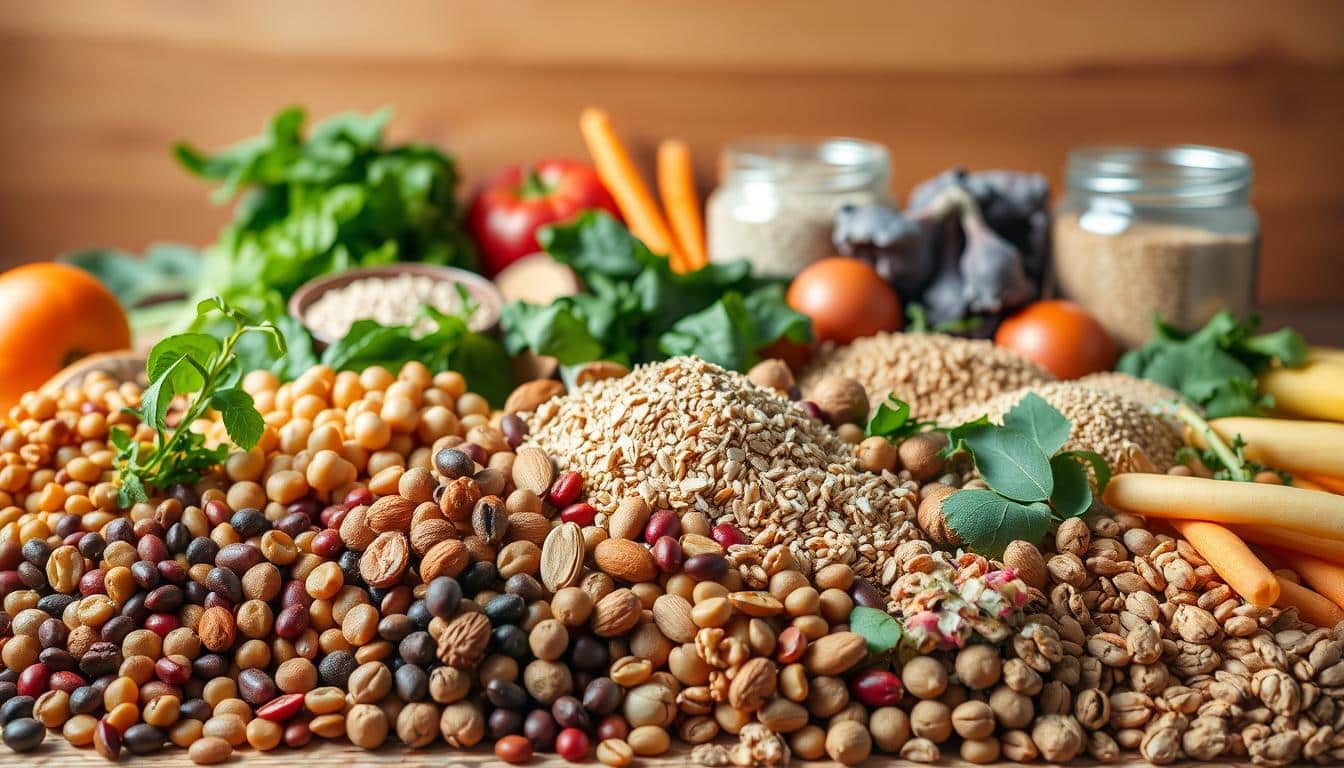
The guide to protein sources for vegan athletes starts with a clear fact: your diet can support strong muscles, quick recovery, and steady energy when you plan meals well.
Your body uses protein to build and repair muscle, protect immune function, and help energy systems. Nine essential amino acids must come from food, so variety matters.
We point to practical plant protein choices like soy, seitan, lentils, tofu, tempeh, quinoa, and hemp seeds. Plan portions and pairings across the day to cover amino acids and meet training needs.
This approach makes it simple to shop in U.S. stores, lock in vitamin-fortified options when needed, and keep meals budget-friendly while you train hard.
Why protein matters for athletic performance
Dietary protein is central to how your body adapts to training. It makes up about 17% of body weight and is a main component of muscle, skin, organs, eyes, hair, and nails.
Supports repair, immune function, and energy
Protein speeds muscle repair after hard sessions. It shortens recovery time so you can keep intensity. The immune system needs amino acids to produce antibodies and help you stay healthy during travel and heavy blocks.
Essential amino acids and muscle synthesis
There are 20 amino acids. Nine are essential and must come from food. Essential amino acids trigger muscle protein synthesis, which drives gains from strength and endurance work.
- Stability: Amino acids help regulate blood sugar and fat metabolism for steady energy.
- Structure: Your body uses amino acids to build lean mass and connective tissues that handle load.
- Practical note: You don’t need meat to meet these needs; smart plant selections can supply the full amino acid spectrum.
How much protein vegan athletes need today
Start with your body weight and work outward: use that as your baseline. The RNI for sedentary adults is 0.75 g/kg/day. That means about 45 g for a 60 kg person and 55 g for a 74 kg person.
Active people usually aim higher. Training raises turnover and repair needs. Adjust targets by training volume and goals to set a practical daily intake.
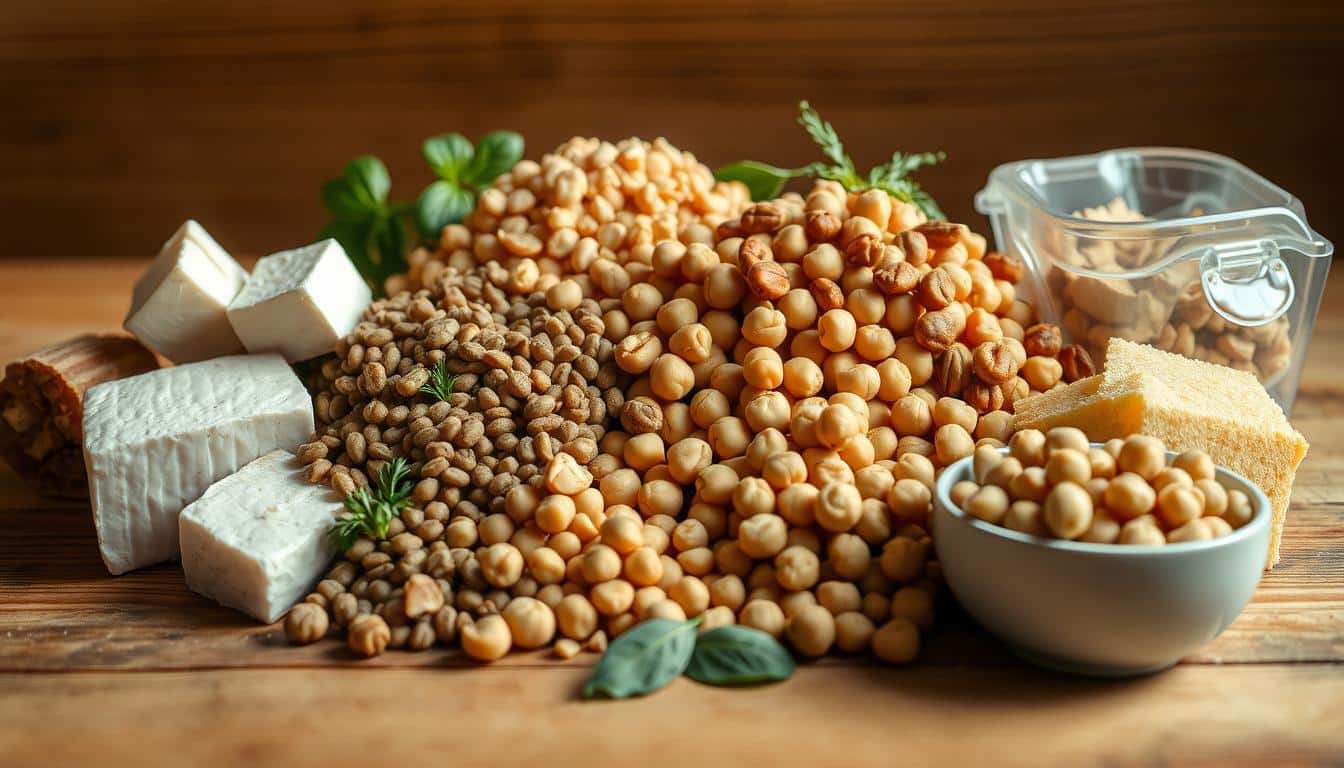
- Spread intake across 3–5 eating moments to boost muscle rebuilding.
- Keep amounts steady at breakfast, lunch, dinner, and snacks.
- Include essential amino at each window via complete options or smart pairings.
- Track recovery and tweak intake on heavier or lighter days.
- If meals fall short, add a fortified soy option or higher-protein snacks between sessions.
| Scenario | Baseline g/kg/day | Practical target (60 kg) | Notes |
|---|---|---|---|
| Sedentary | 0.75 | 45 g | RNI; minimal activity |
| Moderate training | 1.2 | 72 g | Good for regular gym work and endurance sessions |
| Heavy training / strength | 1.6 | 96 g | Higher turnover and repair needs; monitor energy intake |
Be practical. Start with weight-based math, spread intake through the day, and fine-tune by how you feel. If you coach teens, see specific guidance like this teen athlete protein requirements.
Complete proteins on a vegan diet
Some plant foods pack every essential amino into a single bite. That makes daily planning simpler when you need steady recovery and muscle repair.
Soy foods deliver all nine essential amino acids
Choose tofu, tempeh, or edamame. Each gives about 12–20 g per 100 g. One serving can cover your needs without complex pairing.
Quinoa and amaranth: pseudocereals that act like grains
Cooked quinoa gives roughly 4.4 g per 100 g. Amaranth provides about 8–9 g per cooked cup. Both are complete and add complex carbs to fuel workouts.
Hemp seeds bring complete profile plus helpful fats
Thirty grams of hemp has about 9 g and supplies all nine essential amino acids. It also adds omega-3 and omega-6 fatty acids in a useful ratio.
- Tip: Add hemp to oats or smoothies to boost intake and calories during heavy training.
- Quinoa and amaranth raise lysine compared with many common grains.
- Complete options make it easy to hit amino acids targets without tracking every pairing.
Top whole-food protein sources for training and recovery
Whole foods deliver reliable fuel that helps recovery and rebuild muscle after heavy sessions. Here are practical picks with clear amounts and quick uses.
Lentils and legumes
Lentils: about 18 g per cooked cup. Use in stews and bowls to add fiber and gut-friendly carbs.
Beans and chickpeas: roughly 15 g per cooked cup. They bring iron, folate, and potassium to longer training days.
Soy and wheat options
Tofu, tempeh, edamame: 12–20 g per 100 g. Great in stir-fries, salads, and sandwiches. Tempeh also offers probiotics.
Seitan: ~25 g per 100 g. Choose it when you want a higher-protein, lower-fat option and you tolerate gluten.
Seeds, nuts, and spreads
Hemp: 9 g per 30 g; chia: 5 g per oz; pumpkin seeds: 24.4 g per 100 g. Add them to oats, smoothies, or snacks.
- Peanut butter: just over 3 g per tablespoon—easy calorie and recovery boost.
- These foods are a great source of amino acids and minerals that support training adaptations.
- Check product labels: nutrient content varies by brand.
Smart plant protein combinations for a complete amino acid profile
A few smart combos turn everyday bowls into balanced, recovery-ready meals. Use simple pairings to fill gaps in essential amino acids and keep training progress steady.
Why it works: Many plant items are low in a specific amino. Pairing them across a meal or day creates a complete pattern without fuss.
Pair grains with legumes
Pair grains that are lower in lysine with legumes that are rich in lysine. This covers missing acids and improves overall quality.
- Combine brown rice or wild grains with lentils or beans to balance amino intake.
- Mix rice with soy, green peas, or peanuts for quick meals with better results and minimal extra cooking.
- Stir oats into soy yogurt or add peanut butter at breakfast to boost daily protein and amino coverage.
- Add hemp to grain bowls for a compact hit of protein plus healthy fats when you need more calories.
- Toss beans into pasta or salads and rotate legumes like lentils, chickpeas, and black beans to vary micronutrients and taste.
Remember: you don’t need perfect pairings in each bite. Eating complementary items across the day delivers the same outcome and keeps meals simple.
protein sources for vegan athletes
Stacking a few key whole foods each day makes hitting targets simple and sustainable.
High-protein picks
Build meals around soy foods, seitan, lentils, beans, and hemp seeds when you want bigger servings with simple prep.
Seitan: about 25 g per 100 g. Tofu, tempeh, edamame: 12–20 g per 100 g. Lentils: ~18 g per cooked cup. Beans: ~15 g per cooked cup.
Moderate staples
Use oats, wild rice, buckwheat, and green peas to add carbs, fiber, and steady mid-level hits of plant protein.
Green peas: nearly 9 g per cooked cup. Wild rice: nearly 7 g per cooked cup.
Boosters and snacks
Add nutritional yeast (8 g per 16 g) for a savory kick and fortified B vitamins. Choose sprouted-grain breads to get about 8 g per two slices.
Keep nuts in rotation as snacks and toppings to raise calories and small gains between meals.
- Plan: place high items at meals and boosters in snacks so totals add up.
- Mix grains to vary texture and micronutrients while supporting plant protein goals.
| Category | Example | Per-serve g | Quick use |
|---|---|---|---|
| High | Seitan / Tofu / Lentils | 25 / 12–20 / 18 | Stir-fry, bowls, stews |
| Moderate | Oats / Wild rice / Green peas | 6–7 / 7 / 9 | Breakfast, sides, salads |
| Boosters | Nutritional yeast / Sprouted bread / Hemp | 8 per 16 g / 8 per 2 slices / 9 per 30 g | Sprinkle, toast, smoothies |
Fortified foods and supplements that support performance
Choosing the right fortified foods is an easy way to support training without extra fuss. Fortified items help cover vitamins and minerals that are harder to get from whole foods alone.
Soy milk: calcium, vitamin D, and vitamin B12
Soy milk gives about 6 g of protein per cup and is often fortified with calcium, vitamin D, and vitamin B12.
Pick unsweetened milk to limit added sugar. Use it in smoothies, oats, and lattes to add 6 g per cup without the extras.
Nutritional yeast: a compact, fortified option
Nutritional yeast delivers roughly 8 g of protein per 16 g and, when fortified, supplies B vitamins including B12 plus zinc and magnesium.
- Read labels: confirm vitamin and mineral content per serving so you know what your diet covers.
- Keep single-serve cartons on hand for travel weeks to maintain intake consistency.
- Shake yeast over popcorn, pasta, or salads and sprinkle seeds together on bowls to boost flavor and nutrient density with minimal prep.
- Combine fortified picks with whole foods to keep overall foods quality high while filling key micronutrient needs.
| Item | Typical content | Use |
|---|---|---|
| Soy milk | 6 g protein; often calcium, vitamin D, B12 | Smoothies, oats, lattes |
| Nutritional yeast | 8 g protein per 16 g; fortified B vitamins | Sprinkle on popcorn, pasta, bowls |
| Seeds + yeast | Added healthy fats, minerals, extra protein | Toppings on salads and grain bowls |
Nutrients vegan athletes should monitor
Small nutrient gaps can quietly slow recovery and reduce performance if you don’t check them. Poorly planned or highly processed plant-based diets raise risk for a handful of shortfalls that matter to your health and training.
- Vitamin B12: Test status and use fortified foods or a supplement. Plant foods don’t reliably supply B12.
- Calcium & vitamin D: Pick fortified milks and spreads to support bone strength with high-impact work.
- Iron: Eat legumes and whole grains with vitamin C to boost absorption and keep oxygen delivery steady.
- Zinc: Include beans, nuts, seeds, and whole grains to aid recovery and immune resilience.
- Iodine: Use iodized salt or small servings of seaweed to protect thyroid function (measure portions).
- Long-chain omega-3s: Consider algae DHA/EPA or combine ALA-rich foods like hemp seeds to meet fatty acids needs.
Practical tip: Use fortified items and a targeted supplement plan when food alone falls short. Keep intake steady across the day so amino balances and minerals support your body during heavy training.
| Nutrient | Check | Practical picks |
|---|---|---|
| Vitamin B12 | Blood test | Fortified milk, nutritional yeast, supplement |
| Iron & Zinc | Ferritin / dietary review | Lentils, beans, whole grains + citrus |
| Omega-3s | Dietary intake | Algae oil, hemp seeds, walnuts |
Processed and ultra-processed plant foods: what athletes should know
Smart convenience picks can speed meal prep while still supporting recovery and strength. Some products fit training plans. Others mainly add calories and low nutrient content.
Minimally processed options can be helpful and convenient
Choose tofu, tempeh, frozen edamame, and canned beans to hit protein goals fast. These items save time and keep fiber, iron, and B vitamins in your plate.
Limit ultra-processed products that displace whole foods
Ultra-processed items can crowd out whole grains, legumes, and seeds. Read labels for protein, sodium, and added sugars to see if a product supports your diet and health.
- Quick swaps: replace a packaged patty with grilled tempeh or a bean burger with whole-bean patties.
- Pick meat alternatives with short ingredient lists when you want a fast option that still supports performance.
- Add nuts, seeds, and whole grains to boost nutrient density when you use processed foods.
| Item | Benefit | When to use |
|---|---|---|
| Tofu/Tempeh | Whole food quality | Meals, bowls |
| Frozen edamame | Fast, nutrient-dense | Snacks, sides |
| Packaged patties | Convenience | Occasional swaps |
Remember: you can meet needs without animal products by focusing on balanced plates and steady protein across the day. For practical meal ideas, see dairy-free protein meals.
Sample daily protein intake plans
Plan a practical day with set meals to hit training targets without stress. Below are simple templates you can follow and tweak on heavier training days.
Breakfast: oats with soy milk, chia, and peanut butter
Cook 40 g oats in 1 cup soy milk. Stir in 1 tbsp chia and 1 tbsp peanut butter.
Why it works: steady carbs, fats, and a compact hit of essential amino acids to start the day.
Lunch: quinoa bowl with tofu and beans
Build a bowl with cooked quinoa, 100 g tofu, and 1/2–1 cup beans. Add greens and a vinaigrette.
Quinoa adds a complete profile while tofu and beans raise overall amounts and fiber.
Dinner: tempeh stir-fry with wild rice and vegetables
Stir-fry tempeh with mixed veg. Serve over 1 cup wild rice. Season simply.
This combo supplies carbs and steady recovery support after late sessions.
Snacks: edamame, nuts, and nutritional yeast on popcorn
Keep frozen edamame for 100 g portions. Add a small handful of nuts.
Sprinkle 16 g nutritional yeast on popcorn or pasta to add a savory boost and about 8 g extra.
- Adjust amounts up on high-volume days by adding extra tofu or another scoop of beans.
- Rotate seeds and sauces to keep flavors fresh and amino acids coverage consistent.
| Meal | Key items | Typical amounts | Quick benefit |
|---|---|---|---|
| Breakfast | Oats, soy milk, chia, peanut butter | 40 g oats; 1 cup milk; 1 tbsp chia; 1 tbsp butter | Steady morning fuel and recovery support |
| Lunch | Quinoa, tofu, beans | Quinoa cooked; 100 g tofu; 1/2–1 cup beans | Complete amino profile and fiber |
| Dinner | Tempeh, mixed veg, wild rice | Tempeh portion; 1 cup rice | Evening repair and complex carbs |
| Snacks | Edamame, nuts, nutritional yeast | 100 g edamame; handful of nuts; 16 g yeast | Portable hits and savory boost |
Grocery list and meal prep tips for consistent protein intake
Make your kitchen a training partner: stock staples that save time and keep your daily intake consistent.
Start with a compact shopping list and two prep sessions each week. They clear decision fatigue and lock in steady meals.
- Keep canned or dry legumes on hand as a quick, good source of fiber and plant protein.
- Buy tofu, tempeh, and seitan each week so you always have one ready for fast dinners.
- Purchase nuts and seeds in bulk and pre-portion into snack bags for easy grabs.
- Add grains like quinoa, buckwheat, and wild rice to anchor bowls and boost daily totals.
- Pick sprouted-grain bread for toast and sandwiches to raise amino quality with little fuss.
- Keep hemp and hemp seeds by your blender and oats to remember a spoon at breakfast.
| Pantry | Fridge | Freezer |
|---|---|---|
| Lentils, canned beans, quinoa (amounts: cook as needed) | Tofu/tempeh, sprouted bread | Cooked grains flat-packed, frozen edamame |
| Bulk nuts, pumpkin seeds, chia | Prepared salads, baked tofu | Portioned seitan, mixed veg |
Batch-cook two items weekly — say a lentil stew and baked tofu — then freeze portions. Reheat and plate in minutes. You’ll save time and hit targets without stress.
Conclusion
You can build lasting performance with routine plates and smart fortified picks. Pick simple patterns that repeat easily so people hit daily targets without stress. Include complete options to cover essential amino acids and make planning quieter.
Build meals around soy, quinoa, amaranth, and hemp seeds. Hemp adds healthy fats and is a great source when you need calories. Use wild rice, beans, lentils, tofu, tempeh, and seitan to stack protein across the day.
Choose fortified soy milk to support calcium, vitamin D, and B12. Read product labels and favor whole foods most of the time to protect long-term health. You do not need meat or animal products to succeed. Adjust intake with training load, keep flavors varied, and repeat plates you enjoy.