

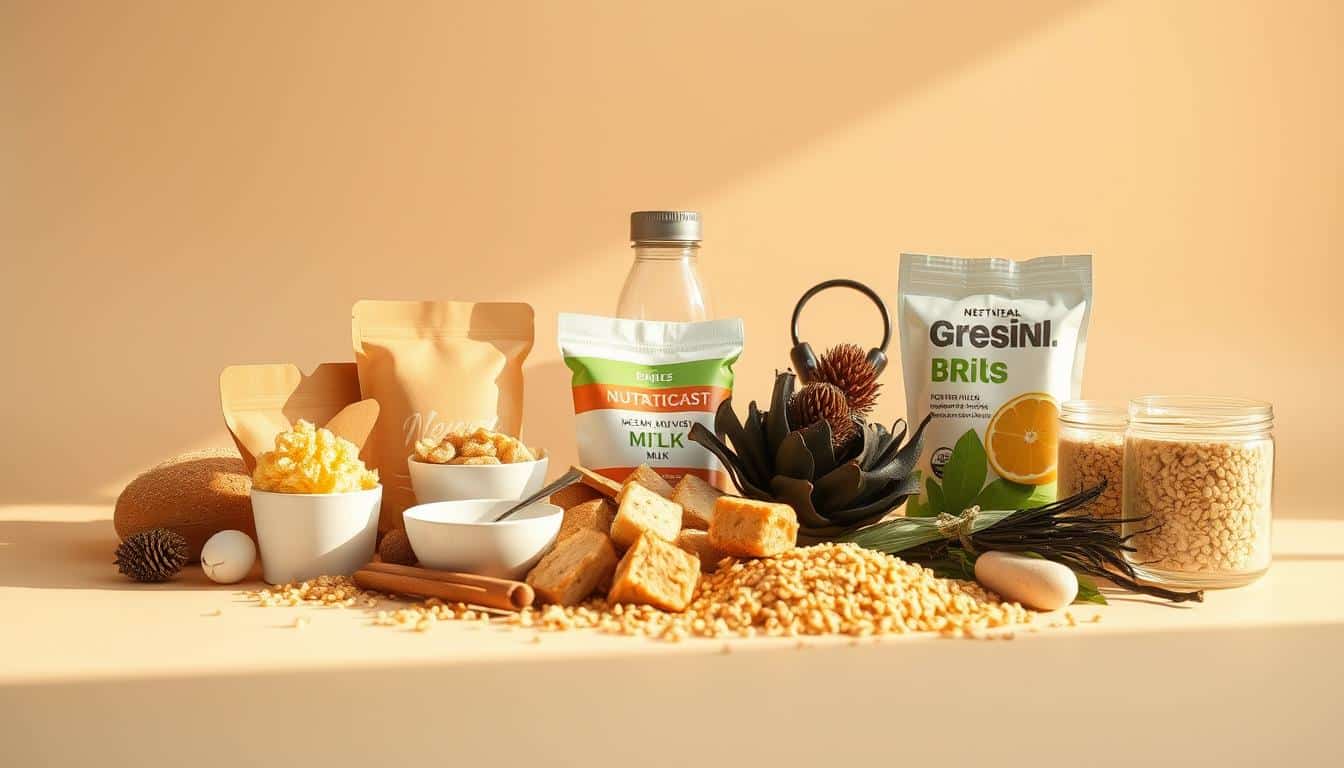
vitamin b12 plays a quiet but vital role in your training — it helps nerve signaling, DNA building, and red blood cell formation so you can recover and perform day after day.
If you follow a plant-based diet and train hard, simple pantry choices and fortified sources can keep your levels steady. Fortified nutritional yeast, cereals, and soy milk are reliable sources in U.S. stores and can supply meaningful mcg per serving.
We’ll make it easy to spot the right labels and plan servings that match the 2.4 mcg daily value adults need, with clear tips on timing and absorption so less ends up unused and more supports energy and recovery.
Quick wins: pick fortified staples you enjoy, check mcg per serving, and spread intake across the week to protect performance and overall health.
Why vitamin B12 matters for vegan athletes
When you push workouts, certain vitamins play outsized roles in performance. Vitamin b12 is one of them. It supports blood flow, nerves, and cellular energy that power training and recovery.
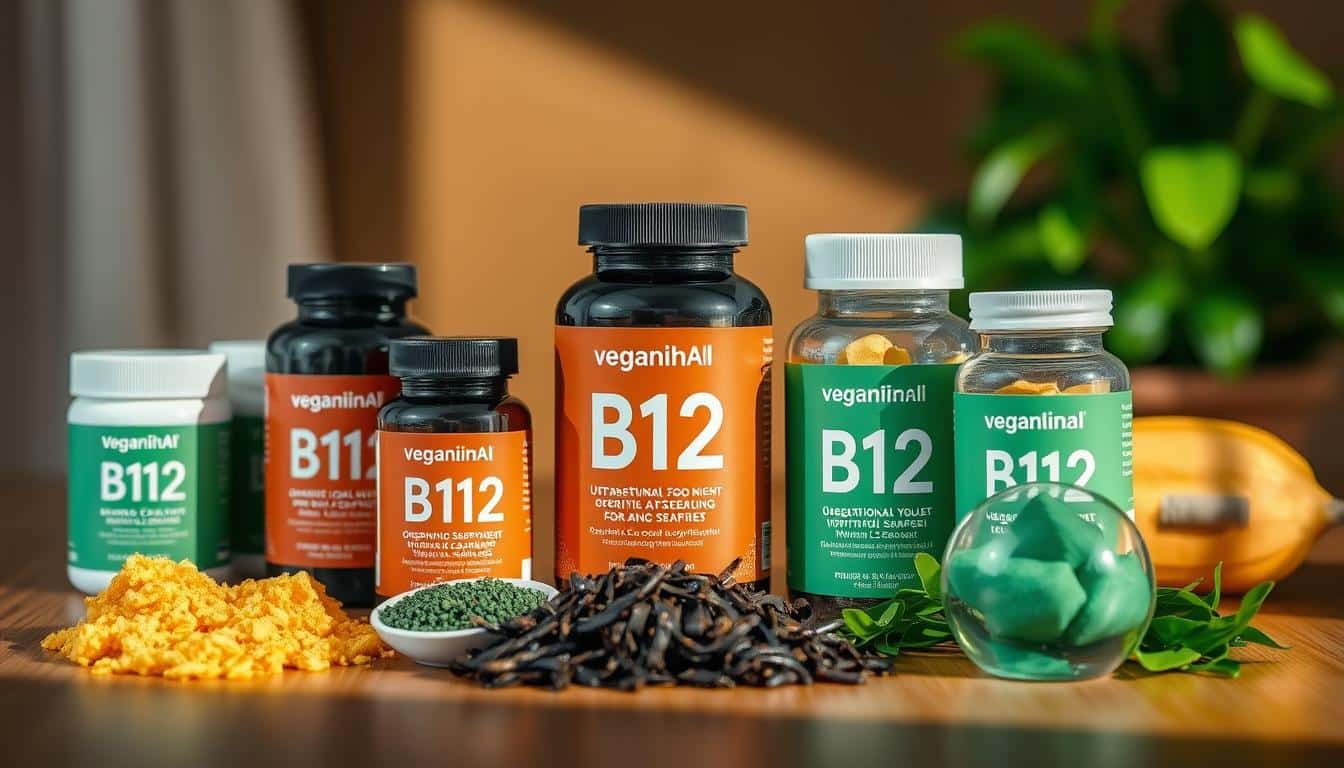
Roles in red blood cells, nerve health, and energy metabolism
Vitamin b12 helps build and maintain red blood cells so you carry oxygen efficiently during sessions.
It protects nerve health, which keeps reaction time and coordination sharp. It also helps enzymes make cellular energy. That matters for hard workouts and quick recovery.
Daily value and athlete considerations in the United States
The U.S. adult RDA/DV is 2.4 mcg. Needs rise to 2.6 mcg in pregnancy and 2.8 mcg in lactation.
- Because vitamin is mostly found in animal products, rely on fortified options or a supplement plan.
- Your body uses intrinsic factor to absorb small doses, and the liver stores extra vitamin for later use.
- Track levels with your provider when training or diet changes could shift needs.
B12 foods for vegan athletes
Pack a short list of fortified staples into your weekly plan so the vitamin shows up in meals without thinking. These choices make hitting targets simple and repeatable when workouts ramp up.
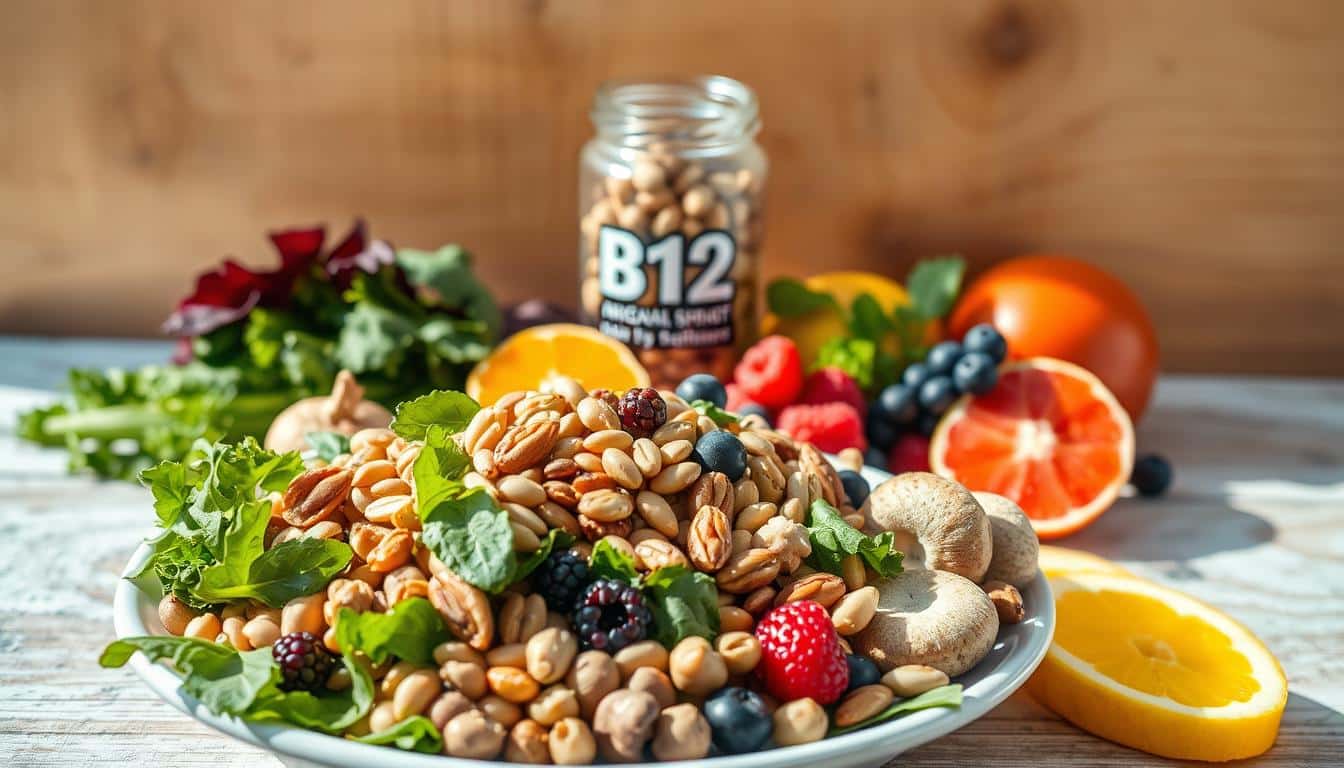
- Fortified nutritional yeast: a savory topper that can deliver very high vitamin b12 — up to 733% DV per two-tablespoon serving. Use it on pasta, popcorn, or mashed potatoes.
- Fortified breakfast cereals: provide predictable mcg per cup (examples show ~62% DV) and have been proven to raise status at ~4.8 mcg/day in studies.
- Fortified nondairy milk: soy, almond, or oat milks often carry a big share of the DV per cup (soy can reach about 86% DV). Check labels by brand.
- Meat alternatives and vegan spreads: many veggie burgers, deli slices, and some margarines are fortified; confirm on the Nutrition Facts panel.
Build a shortlist of fortified items you already enjoy. Combine two fortified choices most days to meet the DV with minimal planning. Keep one product at home, one at work, and one in your gym bag so the vitamin shows up when you need it.
Fortified nutritional yeast: high-impact topping for training days
A little sprinkle of fortified nutritional yeast can shore up your vitamin stores on heavy training days. It’s an easy habit that fits gym routines and quick meals.
Typical content and label checks
Check the label to confirm vitamin b12 is listed and note the mcg per serving. Not every brand fortifies at the same level.
Two tablespoons (about 15 g) can provide many times the daily value. That makes yeast a dense source vitamin that helps rebuild stores during heavy training.
Easy uses to boost meals and snacks
- Sprinkle on pasta, tofu scrambles, roasted veggies, and grain bowls for a savory lift.
- Stir into soups, sauces, hummus, or bean dips to raise levels without changing the meal plan.
- Keep a small jar in your gym bag to top post-workout meals when you eat on the go.
- Track weekly use and rotate brands only after checking the Nutrition Facts to match your usual mcg target.
- Split a two-tablespoon serving into two 1-tbsp portions if you prefer smaller, steady doses.
Fortified breakfast cereals: convenient source before morning workouts
Before you lace up, a cereal bowl can do more than fuel your session. Pick a product that names added vitamin b12 on the Nutrition Facts so you know the exact mcg per serving.
Bioavailability and serving targets to support levels
Fortified cereals have excellent bioavailability, so one cup often delivers a big chunk of your daily need. An example product supplies about 62% DV per cup.
Studies using ~4.8 mcg per day improved status in weeks, so aim to combine cereal + fortified milk or a spread to reach your target if one serving falls short.
What to look for: whole grains, fiber, and lower added sugar
- Check the label: confirm vitamin b12 and note the mcg per serving.
- Choose whole-grain, higher-fiber options to support steady energy and digestion.
- Keep added sugar low to avoid mid-morning crashes that sap workouts.
- Rotate two or three products you enjoy and pre-portion single servings to make breakfast automatic.
Fortified nondairy milk: soy, almond, and oat options
A simple cup of fortified plant milk can plug a big gap in your weekly vitamin plan. Many shelf-stable and refrigerated milks add vitamin b12 so they act like practical dairy products replacements.
How many cups to meet the daily value
Check the carton and note mcg per cup. Fortification varies by brand and flavor, so labels matter.
Use this quick guide when planning meals or shakes. Two cups of higher-fortified soy milk often meet or exceed the 2.4 mcg daily value. Almond and oat options can also work if their label shows similar mcg amounts.
- Pour fortified milk into smoothies, overnight oats, or post-workout shakes to make intake effortless.
- Keep a shelf-stable carton at work for easy top-ups during long days.
- Choose unsweetened versions to avoid excess sugar and keep training nutrition steady.
| Plant Milk | Typical mcg per 1 cup (240 mL) | Cups to reach ~2.4 mcg DV | Practical uses |
|---|---|---|---|
| Soy milk (higher-fortified) | ~2.1 mcg (86% DV) | 1–2 cups | Smoothies, cereal, coffee |
| Almond milk | ~0.8–1.5 mcg (varies) | 2–3 cups | Overnight oats, shakes, baking |
| Oat milk | ~0.6–1.2 mcg (varies) | 2–4 cups | Coffee, cereals, smoothies |
Tip: if you use smaller servings across the day, add them up to confirm you hit the target. When you swap brands, recheck the Nutrition Facts—fortification levels can change between products.
Meat substitutes and vegan spreads fortified with vitamin B12
Smart label checks let you pick meat substitutes and spreads that genuinely add meaningful vitamin to meals. Fortification is not universal, so reading the Nutrition Facts is the fastest win.
Many deli slices, burger patties, and crumbles list vitamin b12 on the label. Amounts differ by brand. That means you should note the mcg per serving and plan swaps around what you actually buy.
- Quick meal swaps: top a whole-grain bun with a fortified patty or use a b12 fortified spread on toast for a fast lunch.
- Rotate brands so one product dropping fortification doesn’t create a gap in your intake.
- Pair fortified spreads with beans and veggies to keep meals balanced and filling.
- Keep a short list of go-to products to avoid hunting labels while grocery shopping or traveling.
| Product Type | Typical Label Note | Approx. mcg/serving | Best Use |
|---|---|---|---|
| Deli slices | Often marked “fortified” with vitamin | 0.5–1.5 mcg | Sandwiches, wraps, quick protein |
| Burger patties & crumbles | Many lines add vitamin b12; check brands | 1.0–2.5 mcg | Burgers, bowls, pasta toppers |
| Spreads & margarine | Some add vitamin as a selling point | 0.2–1.0 mcg | Toast, sandwiches, snack boosts |
Use these fortified products to cover gaps when you travel or need a fast meal before training. If an item isn’t fortified, pair it with a fortified side to keep your weekly total steady.
How much B12 you need: RDA, DV, and mcg targets
Knowing your daily targets makes planning simple and keeps training energy steady.
Adults, pregnancy, and lactation needs
Aim for 2.4 mcg of vitamin b12 per day as an adult in the United States. Pregnant people should target 2.6 mcg, and lactating people should target 2.8 mcg.
Spacing intake for better absorption
The body uses intrinsic factor to absorb the vitamin. Small doses are absorbed more efficiently than very large ones.
- Split intake: spread small servings across the day to boost absorption and steady levels.
- Single-meal option: if you take one large meal, pair two fortified items to hit your mcg goal at once.
- Track labels: total daily mcg from packaging so you can adjust when training load rises.
- Practical tip: vegans can meet targets with fortified products or a supplement if appetite drops during travel or race weeks.
- When to test: discuss testing with your clinician if you have gut issues or suspect poor absorption.
Consistent b12 intake supports overall health and keeps performance reliable through a season of training.
Absorption basics: intrinsic factor, dosing patterns, and storage
Think of intrinsic factor as a gatekeeper. Your stomach makes this protein and it helps the vitamin enter your blood. That means how you take doses affects how much is absorbed.
Small, frequent servings let intrinsic factor work efficiently. Big, occasional doses still raise total intake, but a smaller share is absorbed each time. Both paths can maintain steady levels when used smartly.
Practical takeaways:
- Daily fortified items make steady intake simple and reliable.
- Weekly higher-dose supplements work if you prefer fewer steps.
- The liver stores extra vitamin, so short gaps usually won’t drop status fast.
- If blood tests show low status, combine foods and supplements until levels recover.
| Dosing Pattern | Absorption Efficiency | When to Use | Quick Tip |
|---|---|---|---|
| Small daily intake | Higher percent absorbed | Everyday routine | Spread servings across meals |
| Large weekly dose | Lower percent, more total | Busy schedules or preference | One supplement dose replaces daily steps |
| Injection or high oral dose | Bypasses or overwhelms gut limits | When absorption is impaired | Follow clinician advice |
Final note: Track how your body responds and adjust timing or use supplements when needed. Talk with your clinician if stomach issues or medications may alter absorption.
Deficiency risks and signs in vegans
Low levels often begin with mild symptoms that quietly reduce workout quality. Spotting them early helps you keep training consistent and your recovery on track.
Common symptoms that impact training and recovery
Watch for persistent fatigue, weakness, or slower recovery despite good sleep and nutrition. Numbness or tingling in hands or feet, balance changes, or trouble walking need prompt attention.
A sore tongue, mouth ulcers, pale skin, blurred vision, mood shifts, or memory issues can also signal a problem. Low red cell counts and anemia directly hurt endurance and strength.
Why plant foods alone are not reliable sources
This vitamin is mainly found in animal products, so plant-only meals rarely supply enough. That means vegans should plan weekly intake with fortified options or a supplement.
- Watch symptoms early and get tested if you feel off — blood markers like MMA and homocysteine help confirm status.
- Use consistent fortified items or a trusted supplement to restore and maintain vitamin b12.
- Address deficiency quickly so training and overall health stay strong; make a short checklist of daily fortified choices to lower long-term risk.
Supplements for consistent B12 intake
Supplements make it easy to guarantee steady vitamin intake when meal patterns shift. A brief, reliable plan keeps performance humming and reduces stress when travel or heavy training changes what you eat.
Daily and weekly mcg strategies that work
A simple plan: take 10 mcg daily or a 2000 mcg dose once weekly. Both approaches maintain stores and suit different routines.
Fast rebuild: under clinician guidance, higher oral doses (for example, 1000 mcg daily) can restore levels instead of injections in many cases.
- Keep a small pill as backup when fortified options are missed.
- Choose cyanocobalamin or methylcobalamin based on availability and advice; consistency matters most.
- Store tablets away from heat and light and set reminders to keep the habit.
When to consider testing and medical guidance
Test if you notice fatigue, numbness, or if you’ve had long gaps without fortified intake. Ask your clinician for MMA and homocysteine alongside serum tests; these show functional status more clearly.
| Strategy | Typical Dose | When to Use |
|---|---|---|
| Daily low-dose supplement | 10 mcg daily | Simple habit, steady absorption |
| Weekly high-dose | 2000 mcg once weekly | Busy routines or travel |
| High oral or injections | 1000 mcg daily or clinician-directed injections | Pernicious anemia or poor intrinsic factor |
Conclusion
Make small, reliable choices at breakfast and dinner to protect energy and muscle repair.
Anchor your plan with fortified nutritional yeast, fortified cereals, and fortified nondairy milk. These practical sources have proven content and good bioavailability; check labels to confirm mcg per serving.
Build a balanced diet that helps you get enough vitamin without stress. Keep two fortified items in rotation so you always get enough even when meals change.
Combine products high in fiber and protein with these sources to support training and steady intake. Keep a small supplement as backup and reassess the plan each season.